

Coming Together for Rare Disease Day 2023
Today we mark Rare Disease Day. FRAXA is committed to advancing research on Fragile X, one of the most common rare diseases worldwide.

Sex-specific Learning Differences Found in Fragile X Patients, Mouse Model
Girls and women with Fragile X syndrome show different learning impairments relative to boys and men with the disease, a finding that was paralleled in a mouse model of the disease, a study found.

Targeting Cognitive Function in Fragile X Syndrome
Why do males and females experience Fragile X differently? This team is studying brain signaling pathways to uncover sex-based differences and guide treatments.

Validating Novel Inhibitors of ERK Signalling to Treat Fragile X Syndrome
This team is testing ERK inhibitors — drugs that may calm overactive brain signaling in Fragile X. Early results in mice show strong benefits with minimal side effects.

Targeting Serotonin 1a Receptors to Reverse Neurobehavioral Phenotypes
Neurolixis’ new drug targets serotonin 1A receptors, showing promise in preclinical studies for Fragile X syndrome, funded by a FRAXA grant for future clinical trials.

Altered Sleep in Fragile X Syndrome: Basis for a Potential Therapeutic Target
With this FRAXA grant, Dr. Carolyn B. Smith and Dr. Rache Sare at the National Institute of Mental Health investigated the basis of sleep problems in Fragile X syndrome.
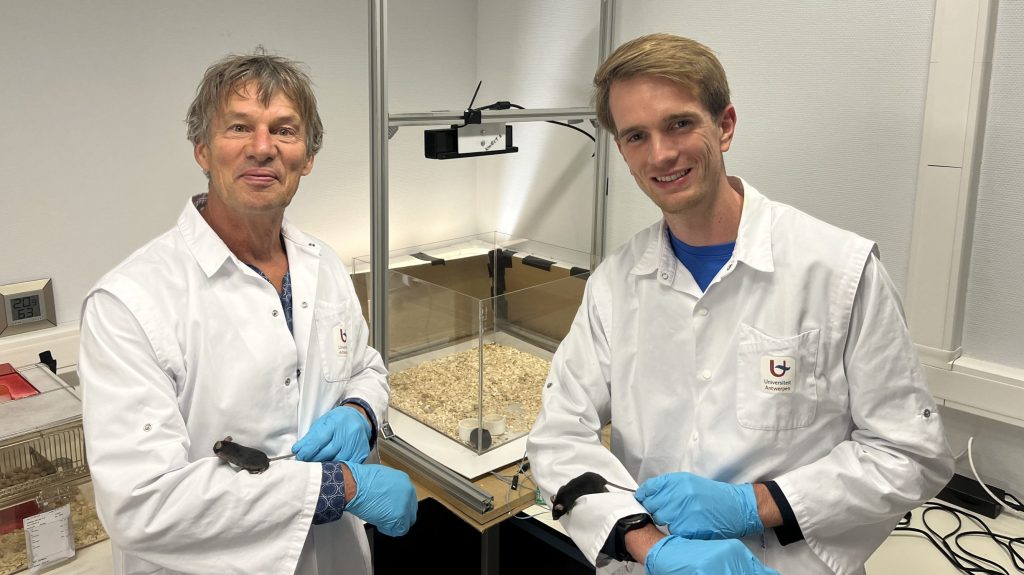
Versatile Drug Screening Platform for Fragile X Syndrome
Combinations of drugs may be needed to treat Fragile X syndrome. How can we find the best combinations in the ideal doses? This project tackles this challenge.
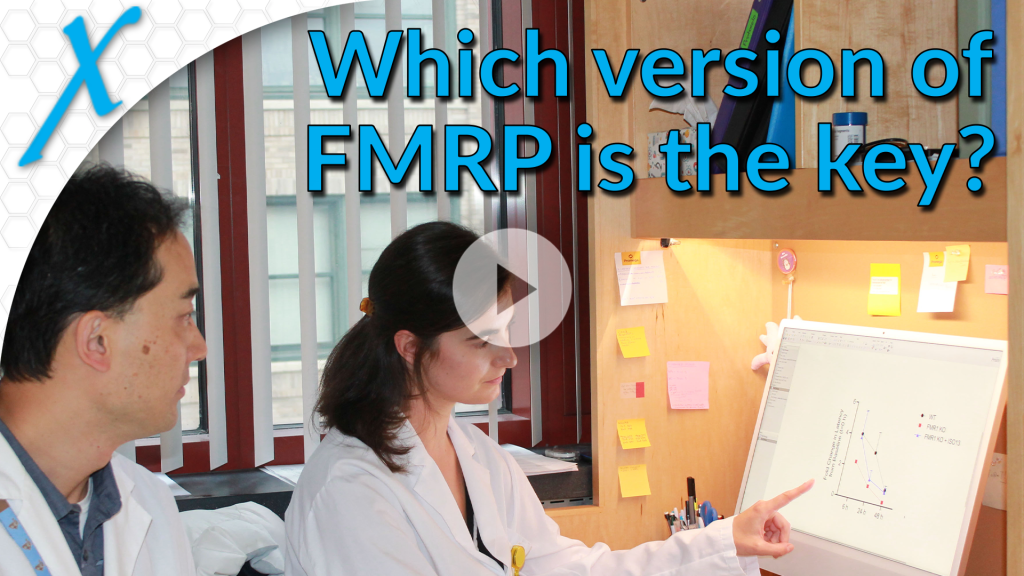
Human FMR1 Isoform-Specific Regulation of Translation and Behavior
FMRP has multiple forms, and this team will study which isoforms are most important for brain development. This is key for future FMRP replacement therapies.

Aggression, Other Fragile X Behaviors Tend to Ease Over Teenage Years
Behavioral problems such as hyperactivity and aggression are generally more frequent in younger children with Fragile X syndrome, becoming less common as they grow through adolescence and journey toward adulthood, researchers report.

Meet Archie!
Meet #FriendofFRAXA Archie! If you would like to nominate someone as a #FriendofFRAXA, we welcome all who have been touched by Fragile X, including friends, grandparents, siblings, professionals and companions alike to become a #FriendofFRAXA with the goal of putting a face to Fragile X for those who may not know someone directly.

Correcting Fragile X Syndrome Deficits by Targeting Neonatal PKCε Signaling in the Brain
Enhancing PKCε in early development normalized oxytocin, AMPAR signaling, and adult behavior in Fragile X mice, highlighting PKCε as a promising therapeutic target.
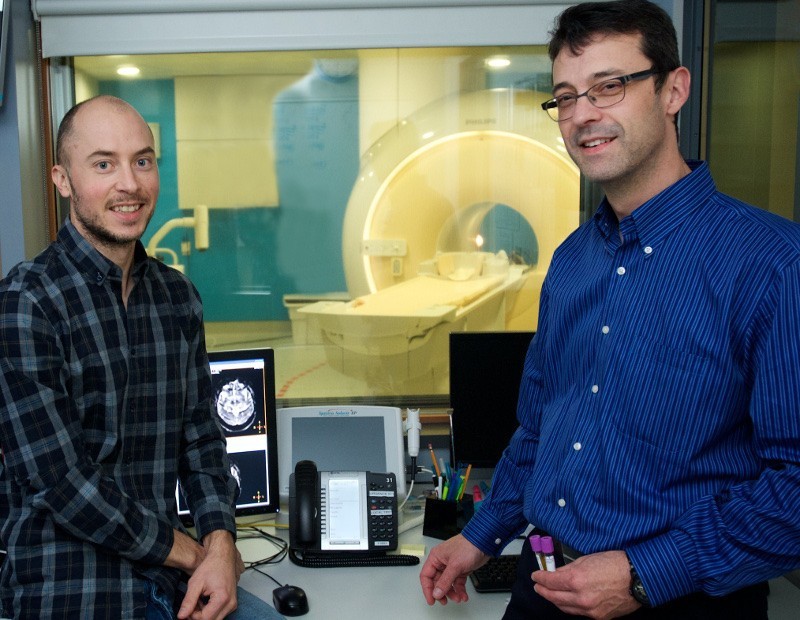
Lovamix: Clinical Trial of Combined Treatment of Minocycline and Lovastatin in Fragile X Syndrome
FRAXA funded the LovaMiX trial of lovastatin + minocycline for Fragile X. 2022 results show safety and support continued study of this dual-target treatment approach.
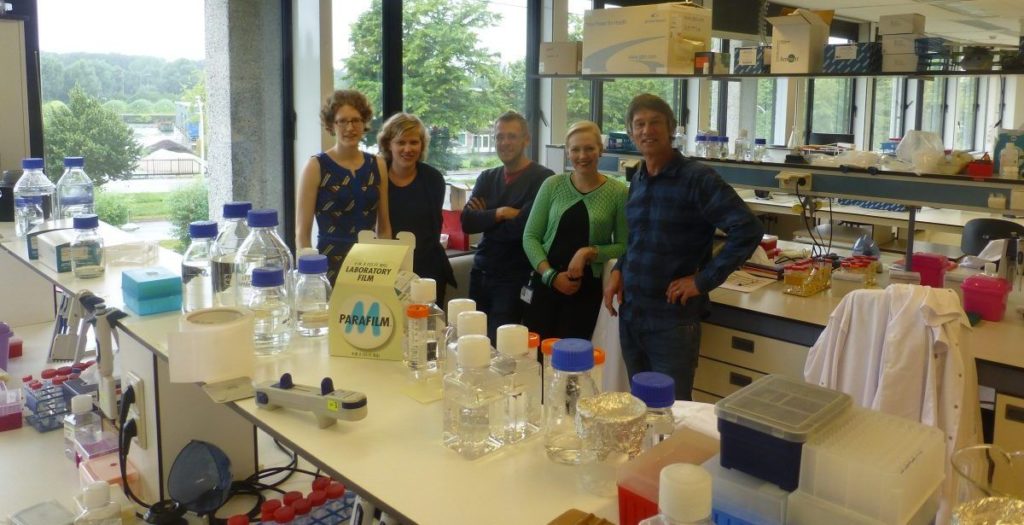
GABA-A Receptor in Fragile X Syndrome
Published results from Dr. Frank Kooy reveal how GABAA receptor changes may hold the key to treating Fragile X syndrome.

Characterization of a Novel CYFIP1 – Derived Peptidomimetic Restoring the Dysregulated mRNAs Translation: Toward An Innovative Therapeutic Strategy for FXS
This team is designing tiny “peptidomimetic” drugs that mimic FMRP’s function to rebalance protein production in the brain, aiming to treat Fragile X at its source.

Clinical Trial of Metformin for Fragile X Syndrome
FRAXA-funded open-label trial found that metformin led to increased GABA-mediated cortical inhibition, suggesting metformin modulates core Fragile X pathways.
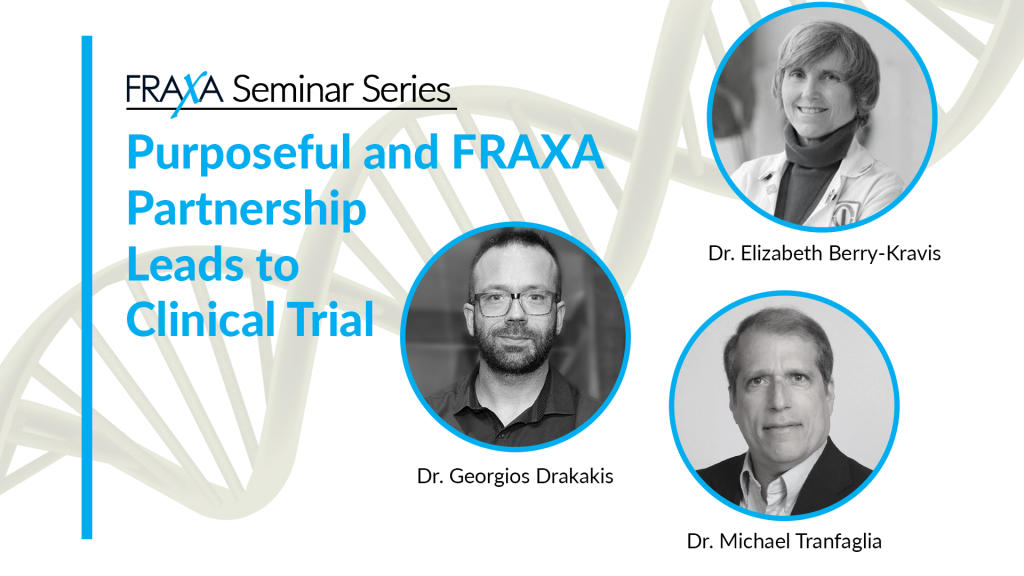
Purposeful and FRAXA Partnership Leads to Clinical Trial
AI and FRAXA-DVI identified a drug + supplement combo that reversed all Fragile X symptoms in mice. A clinical trial tested this in adults with Fragile X.

Inhibiting Nonsense – Mediated mRNA Decay: A Potential Treatment Approach for Fragile X
This team previously discovered runaway nonsense-mediated mRNA decay (NMD) in cells of Fragile X patients. They will now test drugs to reduce NMD.
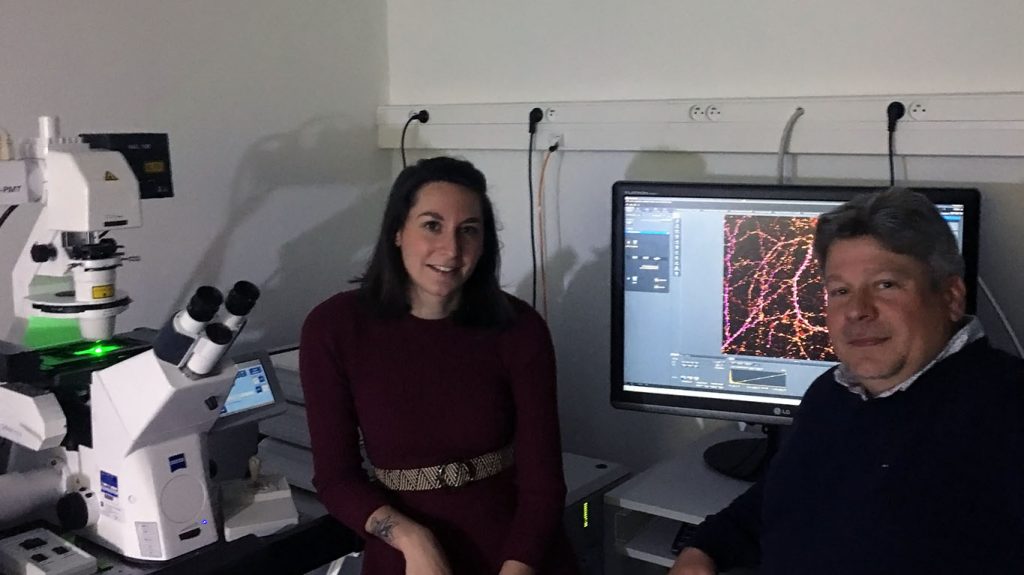
Exploring Drug Repurposing to Restore Hippocampal Function in FXS Mouse Models
This team found a key mechanism by which FMRP controls brain connections. They’ll test existing drugs that target this pathway to restore learning and memory in Fragile X.

Contribution of Microglia to the Therapeutic Effects of Metformin and Adiponectin in Fragile X Syndrome
Why are some with Fragile X always hungry or overweight, yet rarely diabetic? This team is studying metabolism and testing treatments like metformin and diet.

Promising Results of Preclinical Study of ANAVEX®2-73
We are excited to share that Anavex Life Sciences announced today that preclinical data of the ANAVEX®2-73 (blarcamesine) study in Fragile X syndrome were published in the peer-reviewed journal, Scientific Reports.

Synaptogenix Announced Intention to Launch a Fragile X Clinical Trial with Bryostatin
Bryostatin research has advanced from mouse models to human trials. Synaptogenix and Nemours make plans to test this potential treatment in Fragile X clinical trials.

Link Between Lipid Profile, eCBome System and Gut Microbiome in Fragile X Syndrome
Why does obesity challenge so many people with Fragile X? Dr. Caku’s team has found that Fragile X syndrome causes changes in the tiny organisms that live in our gut.

Characterization of Microglia Transcriptional Profile in Fmr1 Knockout Mice Model
Microglia are excessively activated in Fragile X models. The team will investigate the mechanisms and attempt to correct this using drugs.

The Role of Astrocyte BMP Signaling in Fragile X Syndrome
Researchers found a pathway in astrocytes that is overactive in Fragile X syndrome, and they hope to bring this pathway back to normal with a drug.