

Zygel May Improve Behavior in Children With Severe Fragile X, Trial Data Suggest
Zynerba presented Fragile X clinical trial results for Zygel at a recent neurology conference. Zygel, an experimental cannabidiol (CBD) gel.
Use of EEG as a Biomarker for Diagnosis and Outcomes in Neurodevelopmental Disorders
This webinar features Charles A. Nelson III, PhD, Professor at Harvard Medical School and Carol Wilkinson, MD, PhD, Instructor at Boston Children’s Hospital.

MicroRNAs as Biomarkers in Fragile X Syndrome
The team at Johns Hopkins University studied groups of small RNAs, known as microRNAs, which are greatly decreased in brain tissue of Fragile X mice vs. normal controls.
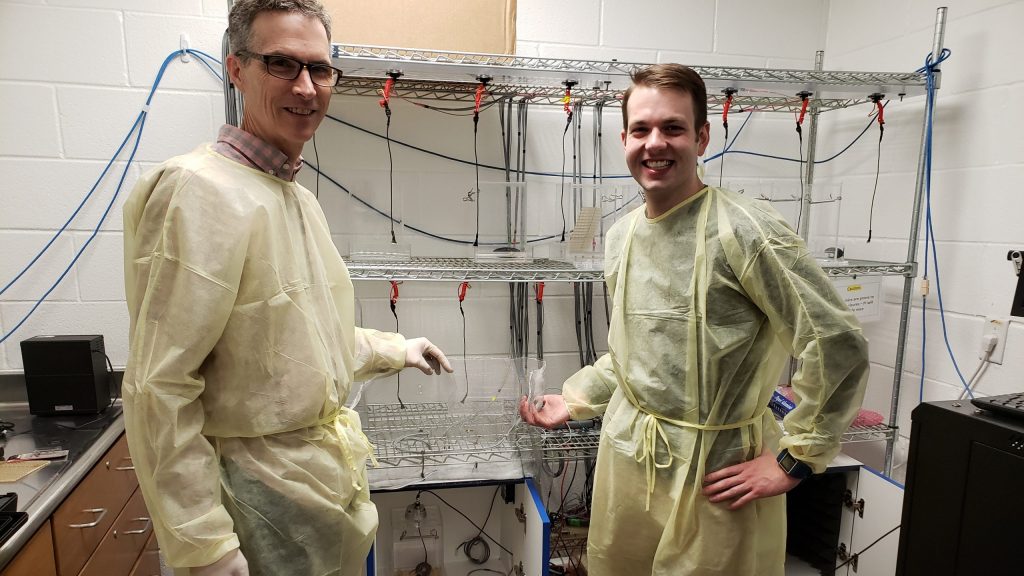
Auditory System Dysfunction and Drug Tolerance in the Fragile X Mouse
A $90K FRAXA grant will help uncover why Fragile X causes sound hypersensitivity and test ways to correct brain circuit dysfunction linked to auditory overload.
Mechanisms and Biomarkers of Sensory Hypersensitivity in the fmr1 Knockout Mouse
We hear from Devin K. Binder, MD, PhD, Professor, University of California at Riverside Medical School and Khaleel Razak, PhD, Professor, University of California at Riverside.

Aripiprazole (Abilify) in the Treatment of People with Fragile X: An Anecdotal Account
This article discusses Abilify (aripiprazole) as a “off-label” treatment for people with Fragile X syndrome (FXS). Abilify targets irritability, aggression, self-injury and severe tantrums.
Brain Organoids and Therapeutic Development for Fragile X and Other Rare Diseases
In this webinar we hear from Alysson R. Muotri, PhD, Professor at University of California San Diego Stem Cell Program and Fabio C. Tucci, PhD, CEO and co-founder at Epigen Biosciences.

Scientists Find a New Way to Reverse Symptoms of Fragile X
MIT Professor Mark Bear and colleagues have identified a new target for Fragile X therapeutics: GSK3 alpha. Several FRAXA research teams previously identified GSK3 beta as a treatment target.

Companies Move to Advance Potential Cognitive Treatment for Fragile X
Tetra Therapeutics and Shionogi announced plans to expand their partnership supporting BPN14770, a treatment candidate for disorders marked by cognitive and memory deficits.

Drug Repurposing for Rare Disease and the Future of Health – The Genetics Podcast
In this episode Dr. Patrick Short talks to Dr. Bruce Bloom, CCO of Healx, and Dr. Mike Tranfaglia, CSO of FRAXA. about drug repurposing, machine learning, and Fragile X syndrome.

Less Active Immune System Evident in Fragile X Patients, Study Suggests
People with Fragile X syndrome are more likely to develop infections but less susceptible to autoimmune disorders than the overall population, a study found.

Targeting Adiponectin to Treat Fragile X Syndrome
Boosting adiponectin, a hormone that regulates metabolism, may improve cognition and behavior in Fragile X. Early results suggest it can restore brain plasticity.

Biomarker Discovery and Validation for Fragile X Syndrome
This grant supported discovery of protein-based biomarkers for Fragile X to create objective outcome measures that translate from mouse studies to human trials.

Targeting Mitochondria in Human Fragile X Syndrome Neurons
Fragile X brain cells have fewer, smaller mitochondria. This team tested mitochondria-boosting drugs that improved symptoms in mice to see if they can help humans.

Correcting Sensory Processing in Fragile X Mice by Modulating Kv3.1
FRAXA funded UCLA research on a Kv3.1-targeting drug to ease sensory issues in Fragile X. This work built on Yale-led work now also being pursued by Autifony Therapeutics.
A Day in the Lab with FRAXA Investigator Dr. Tue Banke
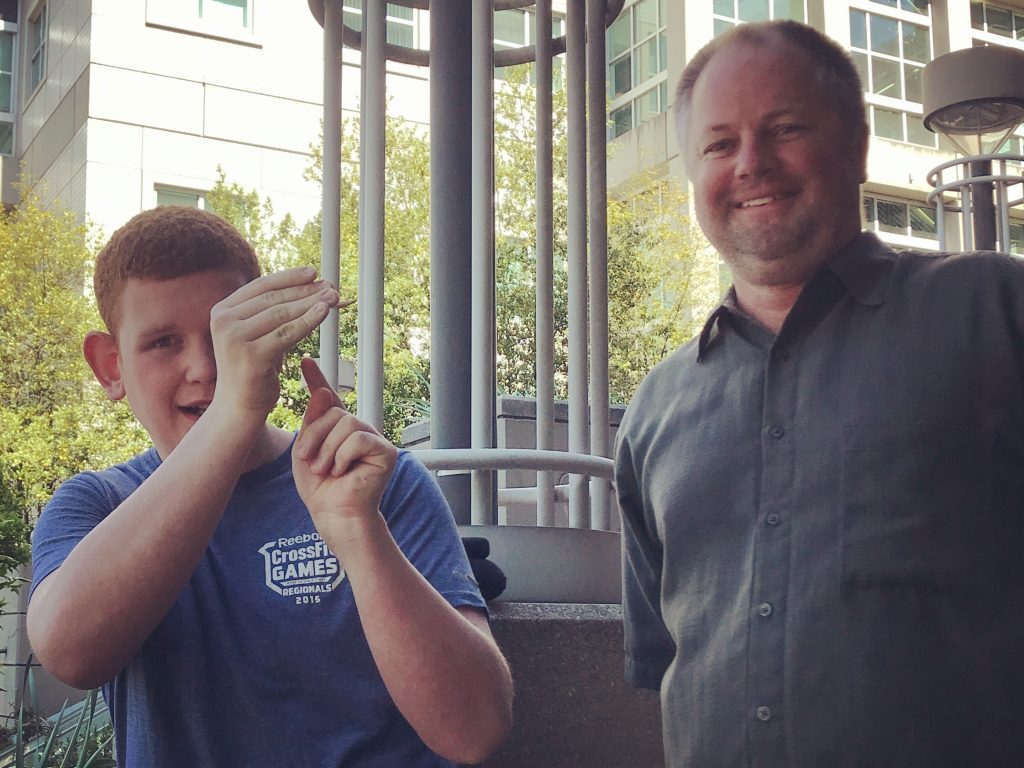
Recently Laurie Bowler and her 19-year-old son Casey, who has Fragile X syndrome, visited FRAXA research grant recipient Dr. Tue Banke at his University of Washington laboratory. We hope you enjoy Laurie’s wonderful description of their adventure! FRAXA awarded $90,000 to Dr. Banke to study the Developmental Profile of Glutamatergic Synapses in Fragile X.

Gene Therapy Translational Studies for Fragile X Syndrome
With FRAXA funding, researchers tested AAV gene therapy to restore FMRP in Fragile X mice, measuring safety, effectiveness, and brain activity to inform future trials.

Reintroducing FMRP via Tat to Reduce Symptoms of Fragile X Syndrome
A FRAXA-funded team found that a shortened FMRP protein, delivered with a Tat “carrier,” restores brain signaling and improves behavior in Fragile X mice.

Ganaxolone Fragile X Clinical Trial Showed Disappointing Results
Ganaxolone, an experimental drug from Marinus Pharmaceuticals which targets GABA receptors, did not show promise for Fragile X syndrome in a clinical trial.

FXS Patients’ Social Deficits are Linked to Social Anxiety, Eye-tracking Study Says
Dr. Craig Erickson and colleagues at the University of Cincinnati used eye-tracking technology to understand sociability in Fragile X syndrome. This study affirms that anxiety – not lack of interest – often hold them back.

Screening 2,320 FDA-Approved Drugs for Potential Treatment of Fragile X
FRAXA funded a screen of 2,320 FDA-approved compounds in the Fragile X fly model to identify hits that improve memory and social behavior for advanced testing.

Meet Emily!
Meet #FriendofFRAXA Emily! If you would like to nominate someone as a #FriendofFRAXA, we welcome all who have been touched by Fragile X, including friends, grandparents, siblings, professionals and companions alike to become a #FriendofFRAXA with the goal of putting a face to Fragile X for those who may not know someone directly.

NKCC1 Inhibitor Bumetanide Corrects Synaptic and Circuit Hyperexcitability in Fragile X Mouse Model
Dr. Anis Contractor and Dr. Qionger He investigated the potential of the available drug bumetanide to correct altered GABA signalling in a mouse model of Fragile X syndrome.

Drug Duo Delivers Brain, Behavioral Benefits for Fragile X Syndrome
Administering a cholesterol drug alongside an antibiotic eases atypical behavior and restores the signaling balance in the brains of people with fragile X syndrome.