
Functional and Genomic Characterization of Interneurons in the Fmr1-KO Mouse Brain
The brain’s balance is maintained by two types of neurons: excitatory and inhibitory. This team has found fewer than normal inhibitory cells in Fragile X mice.

Function of FMRP and Test of a Novel Therapeutic Approach in a Fragile X Mouse Model
FRAXA-supported work has identified DgkK as a critical enzyme lost in Fragile X. Drugs that raise DgkK levels may correct brain signaling and improve symptoms.
Targeting Serotonin 1A Receptors in Fmr1 Knockout Mice
Boosting serotonin 1A receptors may reduce excess brain activity in Fragile X. This study will test serotonin-1A–targeting compounds in mice to guide future treatments.
Transcriptional Signatures Sensitive to Cognition-Improving Pharmacological Treatments in Fragile X Syndrome
This team is defining Fragile X “molecular signatures” to use as biomarkers. They’ll test CBD and other drugs in mice and compare findings to human brain data.
Repurposing FDA-Approved Drugs to Treat Major Depressive Disorder in Fragile X Syndrome
Depression is common in Fragile X, but current antidepressants need FMRP to work. Researchers will screen FDA-approved drugs to find effective options for FXS.

Correcting Fragile X Syndrome Deficits by Targeting Neonatal PKCε Signaling in the Brain
Enhancing PKCε in early development normalized oxytocin, AMPAR signaling, and adult behavior in Fragile X mice, highlighting PKCε as a promising therapeutic target.

Potential Upcoming Advances in Fragile X Research
Dr. Peter Kind and Dr. Nahum Sonenberg share their optimism about the next 10 years of Fragile X research. They discuss where they think the next big discoveries will emerge.
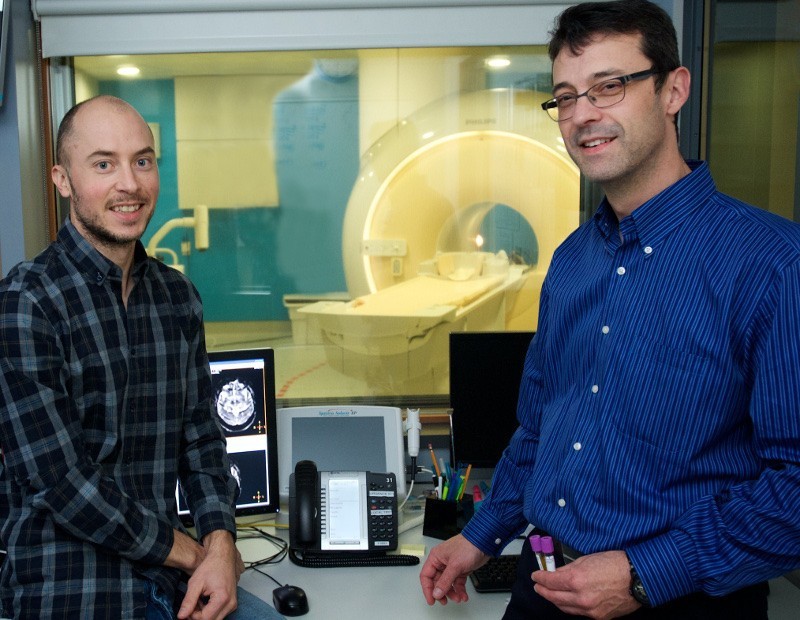
Lovamix: Clinical Trial of Combined Treatment of Minocycline and Lovastatin in Fragile X Syndrome
FRAXA funded the LovaMiX trial of lovastatin + minocycline for Fragile X. 2022 results show safety and support continued study of this dual-target treatment approach.
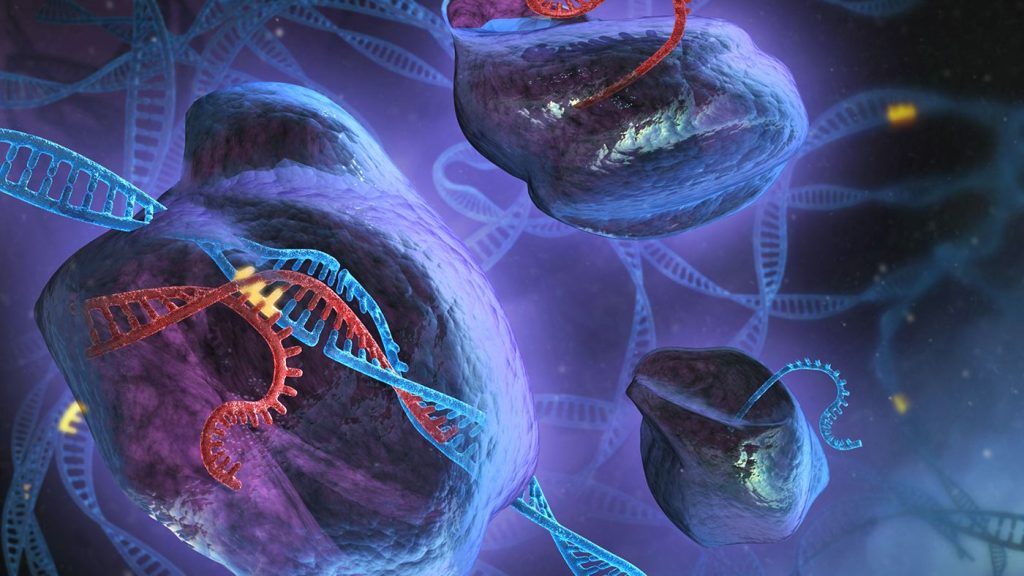
Reactivating the Fragile X Gene in Young Mice Reverses Symptoms
Fragile X syndrome might be treated by reactivating the gene which is shut down in the syndrome. Researchers were able to reduce FXS symptoms by inserting the FMR1 gene into the brains of young mice.
GABA-A Receptor in Fragile X Syndrome
Published results from Dr. Frank Kooy reveal how GABAA receptor changes may hold the key to treating Fragile X syndrome.

Characterization of a Novel CYFIP1 – Derived Peptidomimetic Restoring the Dysregulated mRNAs Translation: Toward An Innovative Therapeutic Strategy for FXS
This team is designing tiny “peptidomimetic” drugs that mimic FMRP’s function to rebalance protein production in the brain, aiming to treat Fragile X at its source.

FX-Learn Clinical Trial for Children with Fragile X
Thirteen centers across the US enrolled young children with Fragile X in a large-scale clinical trial of Novartis AFQ056, an mGluR5 blocker for Fragile X which failed in adult human trials.
Cannabinoids as a Treatment for Fragile X Syndrome
This team uses EEG to study sensory hypersensitivity in Fragile X. By testing drugs in mice, they aim to find treatments that calm brain overactivity.

Clinical Trial of Metformin for Fragile X Syndrome
FRAXA-funded open-label trial found that metformin led to increased GABA-mediated cortical inhibition, suggesting metformin modulates core Fragile X pathways.
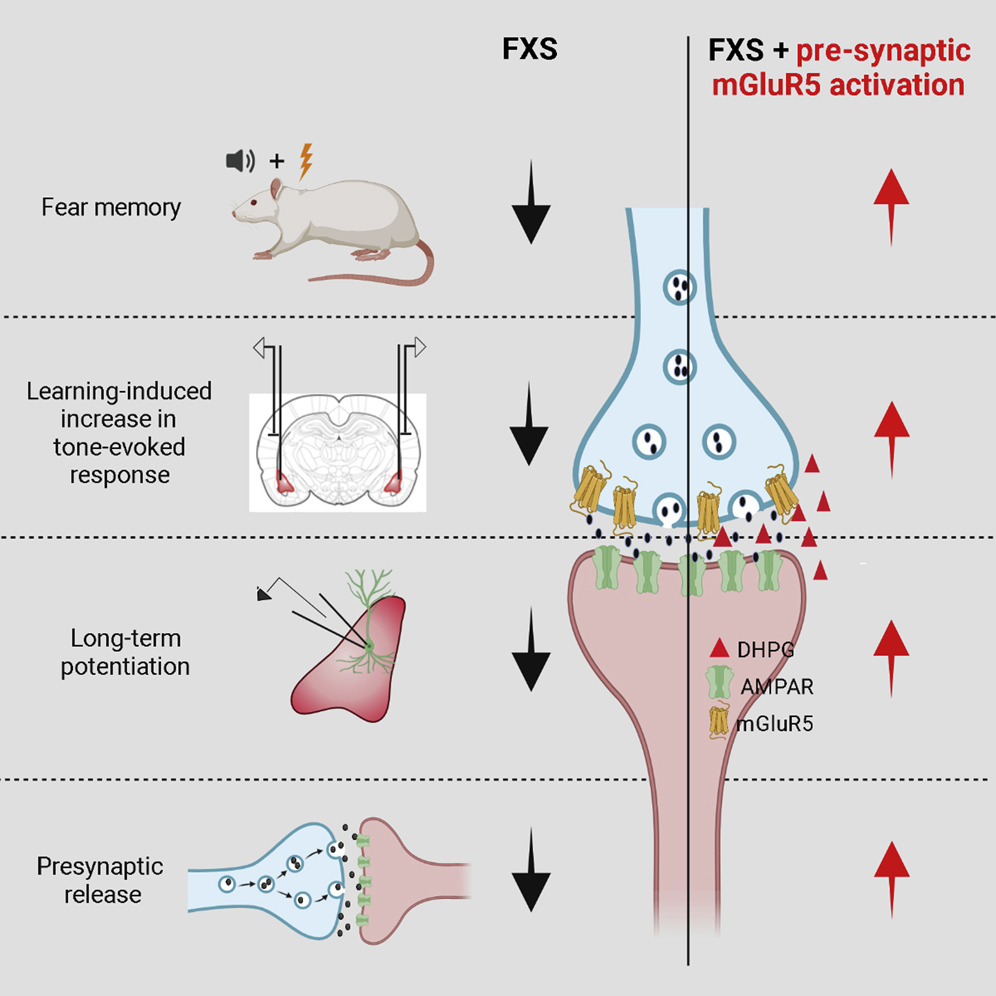
Correcting the Brain’s Emotional Memory Center
FRAXA Investigator Dr. Sumatra Chattarji investigated the synaptic basis of deficient conditioned fear and its reversal in Fragile X syndrome rats. Results published.
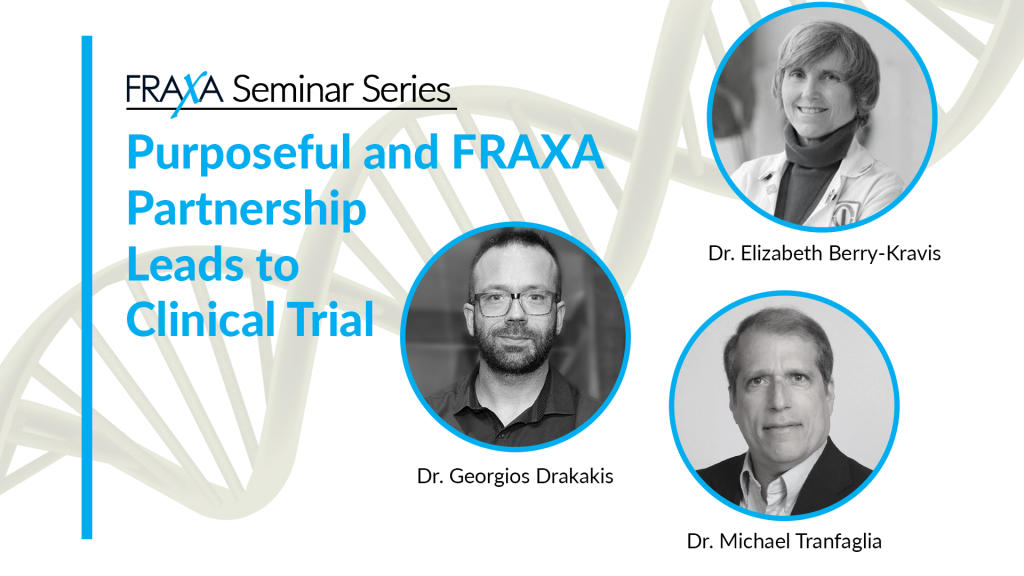
Purposeful and FRAXA Partnership Leads to Clinical Trial
AI and FRAXA-DVI identified a drug + supplement combo that reversed all Fragile X symptoms in mice. A clinical trial tested this in adults with Fragile X.

Inhibiting Nonsense – Mediated mRNA Decay: A Potential Treatment Approach for Fragile X
This team previously discovered runaway nonsense-mediated mRNA decay (NMD) in cells of Fragile X patients. They will now test drugs to reduce NMD.
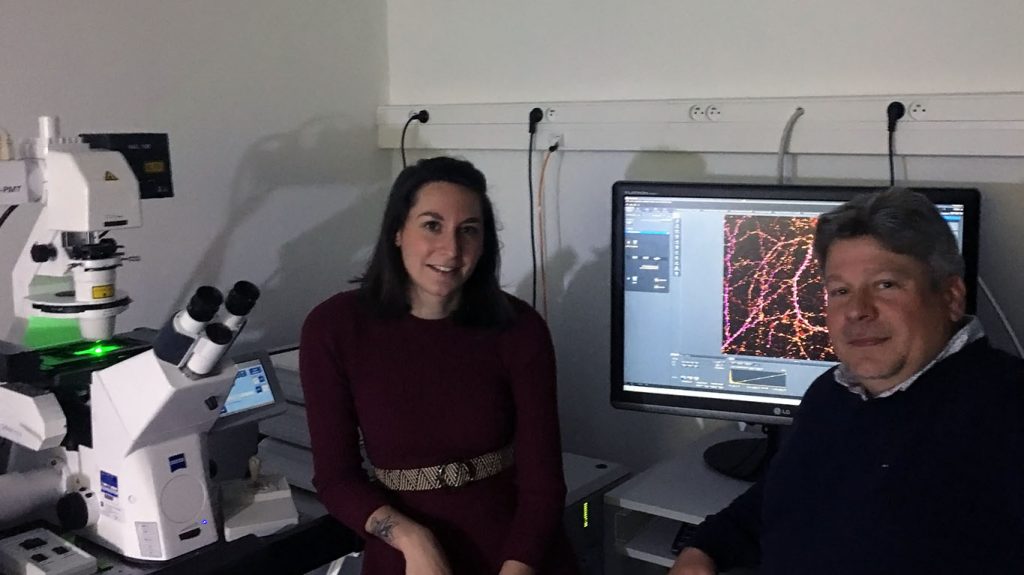
Exploring Drug Repurposing to Restore Hippocampal Function in FXS Mouse Models
This team found a key mechanism by which FMRP controls brain connections. They’ll test existing drugs that target this pathway to restore learning and memory in Fragile X.

Contribution of Microglia to the Therapeutic Effects of Metformin and Adiponectin in Fragile X Syndrome
Why are some with Fragile X always hungry or overweight, yet rarely diabetic? This team is studying metabolism and testing treatments like metformin and diet.
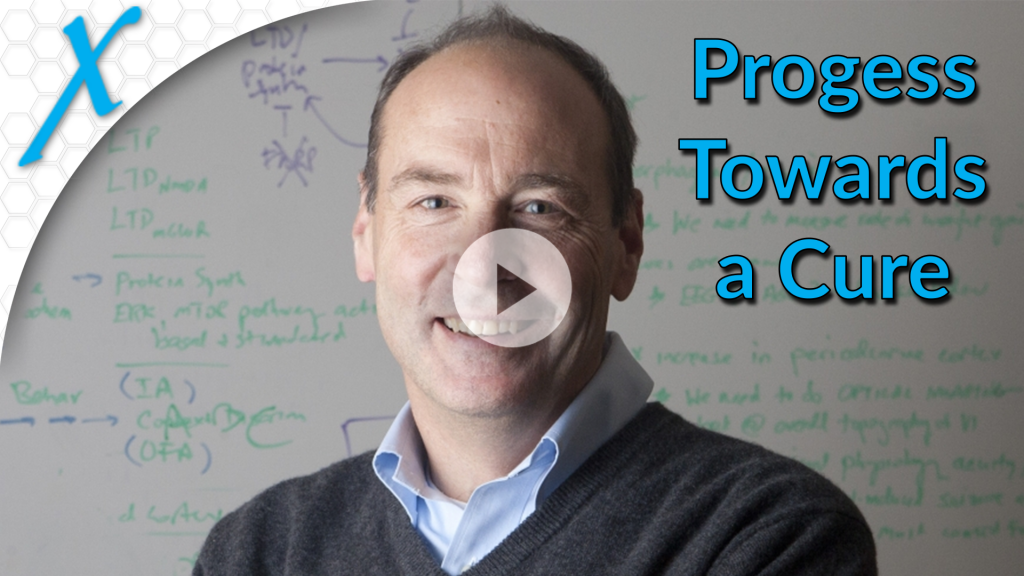
20 Years of Advancing Fragile X Research: Progress Toward a Cure
MIT Professor Mark Bear traces the discoveries that give us great optimism of finding effective treatments and ultimately a cure for Fragile X syndrome.

Brain Organoids, Moving Fragile X Research Forward
FRAXA-funded scientists at Emory created human brain organoids that reveal Fragile X changes more clearly than mouse models, opening new paths to targeted treatments.

Tetra’s Fragile X Clinical Trial – The Most Successful So Far
Dr. Mark Gurney of Tetra Therapeutics, discusses how one of the earliest clues to the biology of Fragile X led to the most successful Fragile X clinical trial to date: a phase 2 trial of a PDE4D inhibitor.
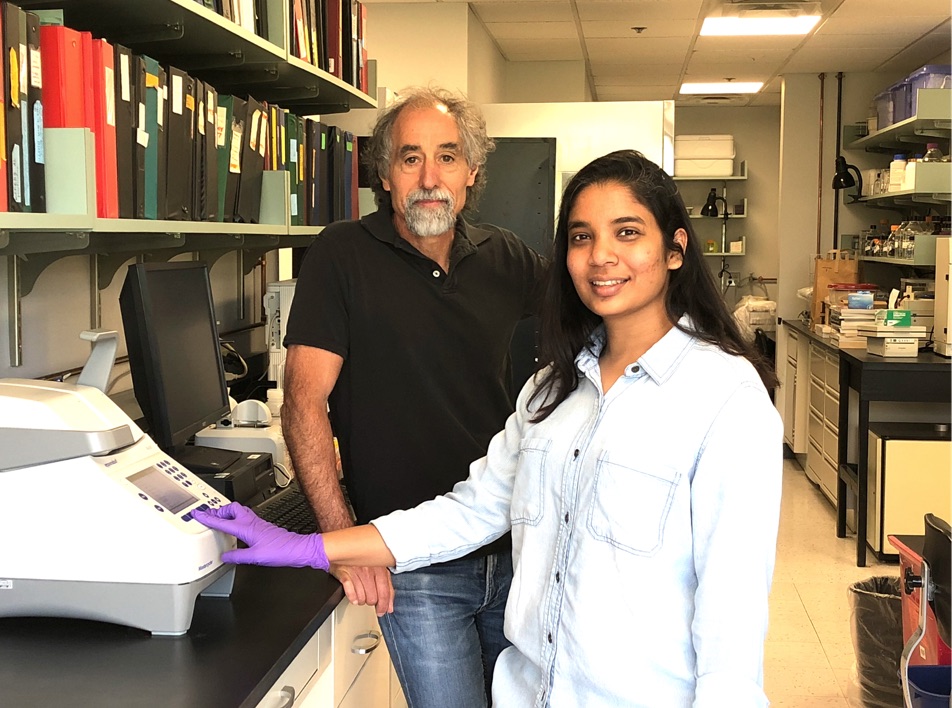
Alternative Splicing in White Blood Cells: A Biomarker for Fragile X Syndrome
This team found 1,600 blood-based Fragile X biomarkers that vary by individual—opening the door to personalized treatment and better ways to measure progress.

2021 FRAXA Awards – Recognizing Perseverance and Dedication
In conjunction with World Fragile X Day 2021, FRAXA Research Foundation recognizes its annual award recipients. We are fortunate to partner with these individuals for Fragile X families.