

Scientists Find a New Way to Reverse Symptoms of Fragile X
MIT Professor Mark Bear and colleagues have identified a new target for Fragile X therapeutics: GSK3 alpha. Several FRAXA research teams previously identified GSK3 beta as a treatment target.
Cholesterol-Dependent Changes in Fragile X Astrocytes
Astrocytes and cholesterol metabolism are altered in Fragile X. This research uncovers how these changes affect the brain and may reveal new treatment targets like lovastatin.
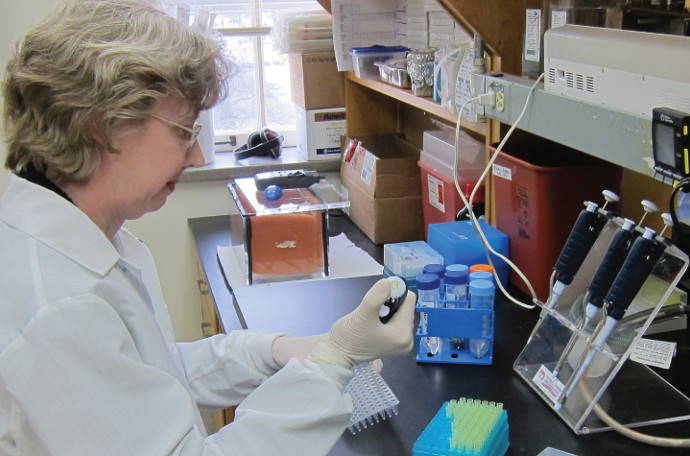
Ketogenic Diet Eases Symptoms in Fragile X Male Mice
Westmark Lab is studying sleep patterns in Fragile X mice, working with UW-Madison to develop tools that speed EEG data analysis

Results Reported: Using EEG Responses to Sound for Fragile X Drug Discovery
An obstacle in FXS research has been lack of reliable, unbiased biomarkers to assess herapies. This team found striking similarity in EEG biomarkers between mice and humans.

Potassium Channel Modulators to Treat Fragile X
FRAXA-backed Yale discoveries tied Fragile X to Kv3.1/Slack channel defects—leading to a partnership with Autifony to develop targeted treatments.

Targeting Adiponectin to Treat Fragile X Syndrome
Boosting adiponectin, a hormone that regulates metabolism, may improve cognition and behavior in Fragile X. Early results suggest it can restore brain plasticity.

Biomarker Discovery and Validation for Fragile X Syndrome
This grant supported discovery of protein-based biomarkers for Fragile X to create objective outcome measures that translate from mouse studies to human trials.
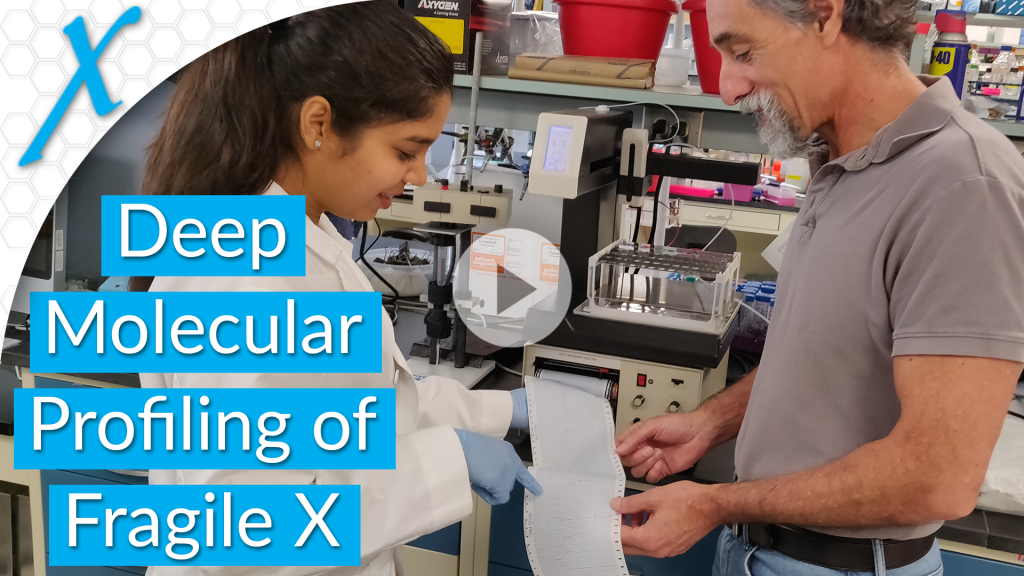
Deep Molecular Profiling of Fragile X Mouse and Human Cells
Studying human Fragile X neurons from stem cells revealed key gene changes not seen in mice—showing why some treatments failed and guiding better future therapies.

Targeting Mitochondria in Human Fragile X Syndrome Neurons
Fragile X brain cells have fewer, smaller mitochondria. This team tested mitochondria-boosting drugs that improved symptoms in mice to see if they can help humans.

Correcting Sensory Processing in Fragile X Mice by Modulating Kv3.1
FRAXA funded UCLA research on a Kv3.1-targeting drug to ease sensory issues in Fragile X. This work built on Yale-led work now also being pursued by Autifony Therapeutics.

A Day in the Lab with FRAXA Investigator Dr. Tue Banke
Recently Laurie Bowler and her 19-year-old son Casey, who has Fragile X syndrome, visited FRAXA research grant recipient Dr. Tue Banke at his University of Washington laboratory. We hope you enjoy Laurie’s wonderful description of their adventure! FRAXA awarded $90,000 to Dr. Banke to study the Developmental Profile of Glutamatergic Synapses in Fragile X.

Gene Therapy Translational Studies for Fragile X Syndrome
With FRAXA funding, researchers tested AAV gene therapy to restore FMRP in Fragile X mice, measuring safety, effectiveness, and brain activity to inform future trials.

Which is the right FMRP for Therapeutic Development of Fragile X Syndrome?
Many forms of FMRP exist in the brain. This project aims to pinpoint which versions of the protein are most critical to restore for effective Fragile X treatments.

Developmental Profile of Glutamatergic Synapses in Fragile X
A FRAXA fellowship helped reveal how glutamate receptors at synapses develop differently in Fragile X, offering clues to improve learning and memory.

Reintroducing FMRP via Tat to Reduce Symptoms of Fragile X Syndrome
A FRAXA-funded team found that a shortened FMRP protein, delivered with a Tat “carrier,” restores brain signaling and improves behavior in Fragile X mice.

Ganaxolone Fragile X Clinical Trial Showed Disappointing Results
Ganaxolone, an experimental drug from Marinus Pharmaceuticals which targets GABA receptors, did not show promise for Fragile X syndrome in a clinical trial.

FXS Patients’ Social Deficits are Linked to Social Anxiety, Eye-tracking Study Says
Dr. Craig Erickson and colleagues at the University of Cincinnati used eye-tracking technology to understand sociability in Fragile X syndrome. This study affirms that anxiety – not lack of interest – often hold them back.

Screening 2,320 FDA-Approved Drugs for Potential Treatment of Fragile X
FRAXA funded a screen of 2,320 FDA-approved compounds in the Fragile X fly model to identify hits that improve memory and social behavior for advanced testing.
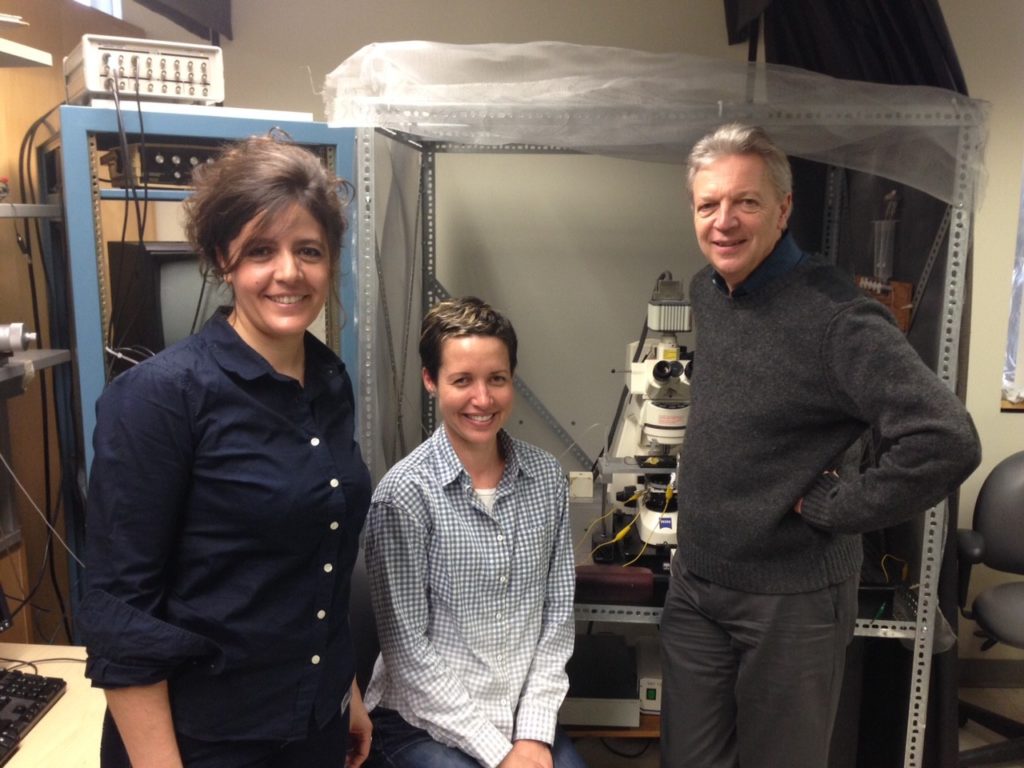
Novel Modulators of Potassium Channels to Treat Fragile X
FRAXA-funded Yale research showed disrupted Kv3.1 and Slack potassium channels impair neuronal timing in Fragile X. Published findings support Kv3.1 as a treatment target.

Autophagy is a Novel Therapeutic Target of Impaired Cognition in Fragile X Syndrome
FRAXA’s $90K grant enabled Dr. Zukin to link impaired autophagy to Fragile X. Boosting autophagy restored synaptic proteins and reversed cognitive deficits in mice.
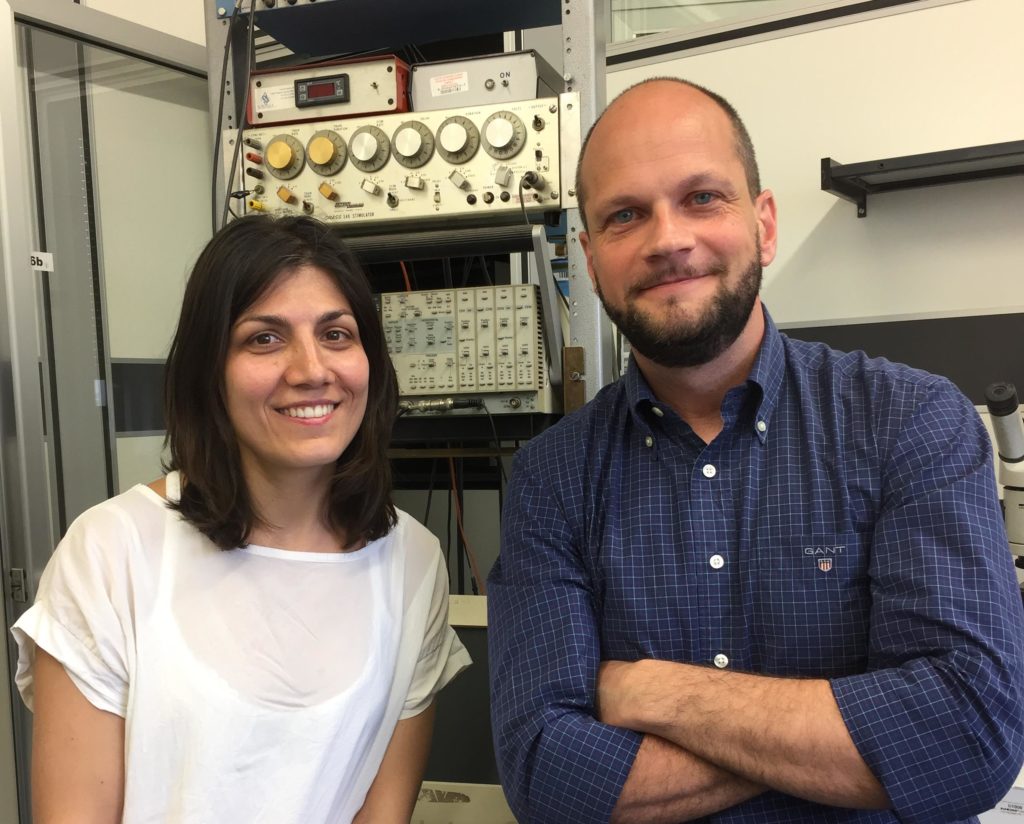
Coffee, Tea, and Chocolate: Adenosine Receptors in Fragile X
Could “caffeine-like” drugs help Fragile X? FRAXA funded research to test adenosine blockers, which may boost thinking and improve symptoms in Fragile X mice.

NKCC1 Inhibitor Bumetanide Corrects Synaptic and Circuit Hyperexcitability in Fragile X Mouse Model
Dr. Anis Contractor and Dr. Qionger He investigated the potential of the available drug bumetanide to correct altered GABA signalling in a mouse model of Fragile X syndrome.

Finding Fragile X Biomarkers – From Transcriptomics to Behavior in Patients
FRAXA funded a study using blood-based transcriptomics to find reliable Fragile X biomarkers. This unique approach links molecular data to behavior for future trials.

Research Points to Drugs which Inhibit PDE to Treat Fragile X
FRAXA-funded work identified PDE enzymes as key targets in Fragile X, showing that PDE inhibitors can fix signaling and boost synaptic function. PDE4D trials are underway.