
In Their Own Words: Reports From the International Fragile X Workshop
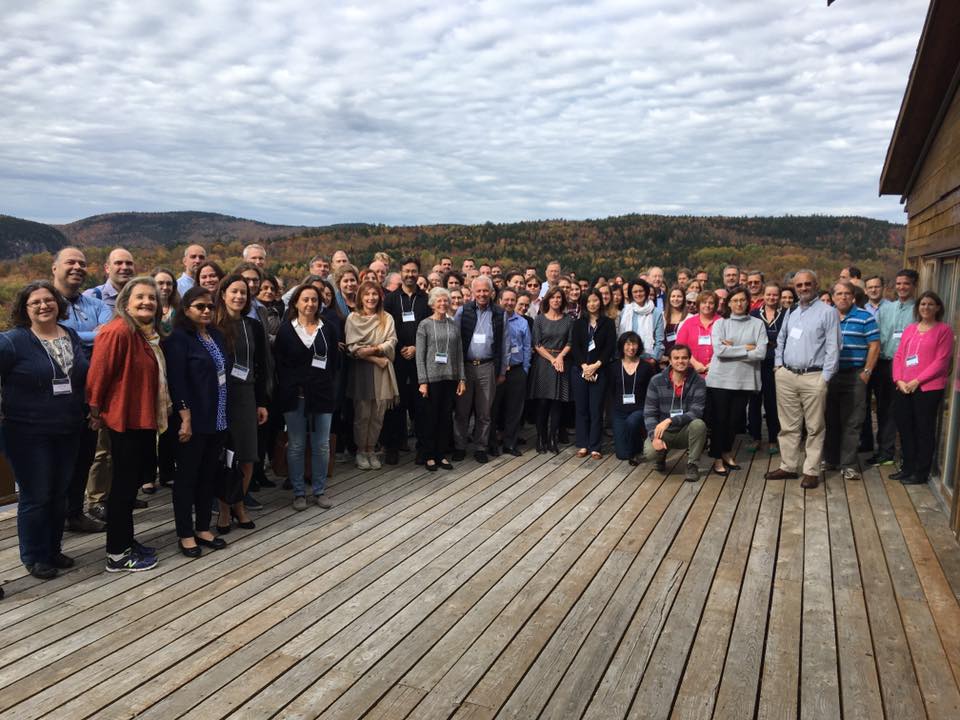
The 18th International Fragile X Workshop in Quebec was a great success, featuring more Fragile X research than ever before!
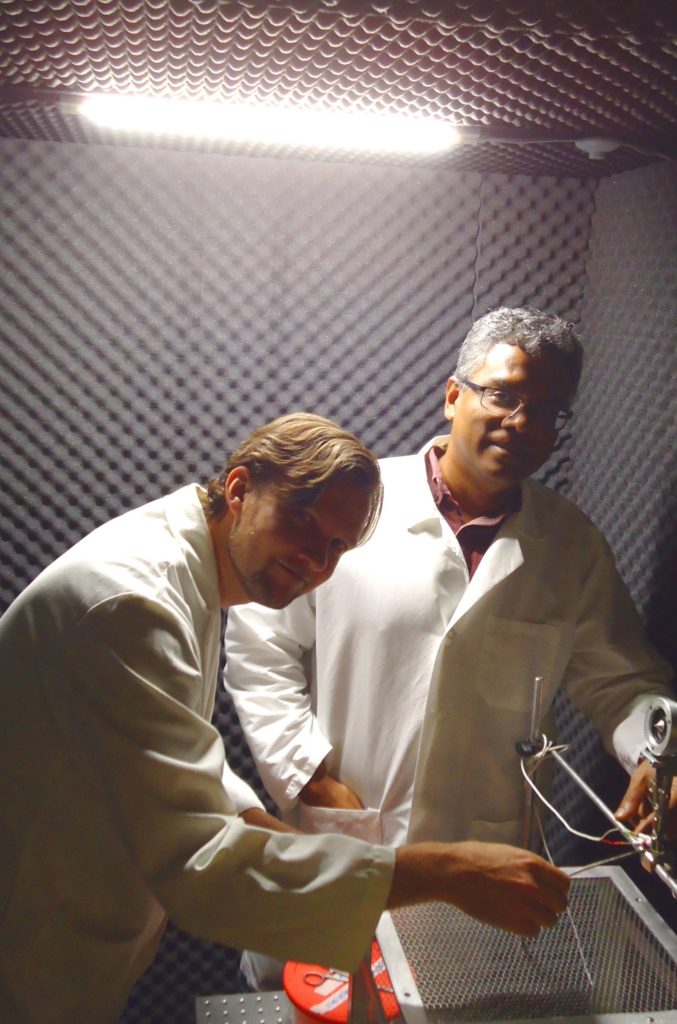
Combinatorial Drug Treatment in a Model of Fragile X Syndrome using Novel Biomarkers
University of California researchers Khaleel Razak, PhD, and Jonathan W. Lovelace, PhD, explored drug combinations to limit hypersensitivity to sounds in Fragile X mice.
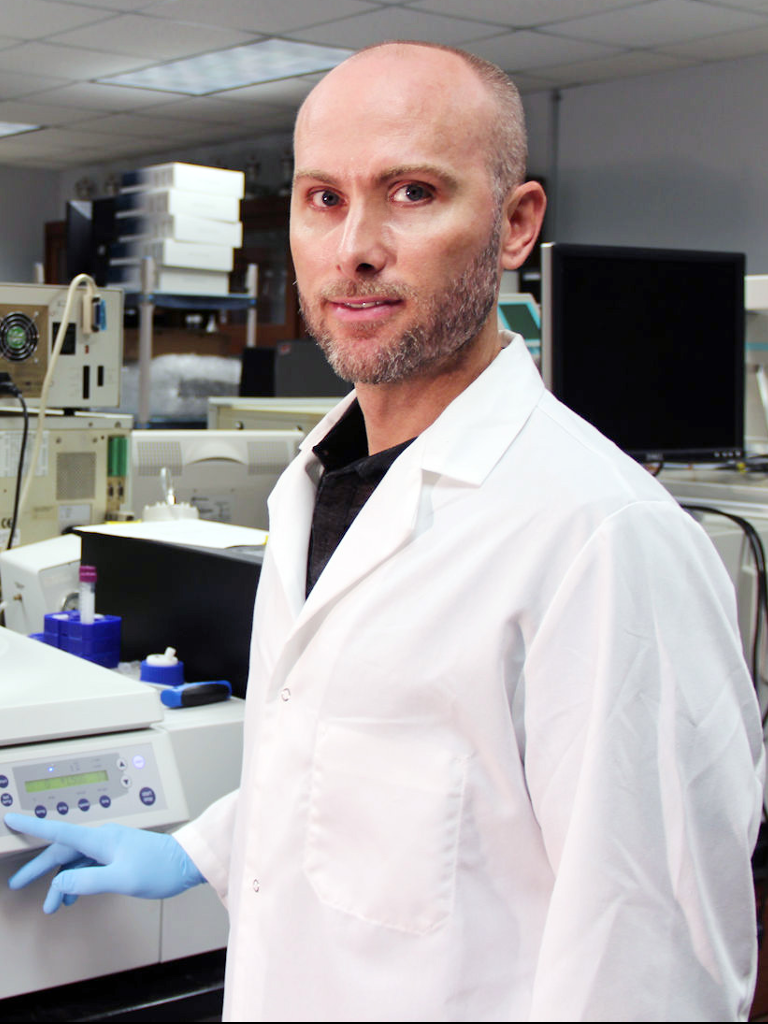
Quantitative Assessment of the Serotonin System in a Mouse Model of Fragile X Syndrome
FRAXA funded Dr. Canal to investigate how different serotonin receptors function in Fragile X, to guide smarter use of serotonin-targeting treatments.
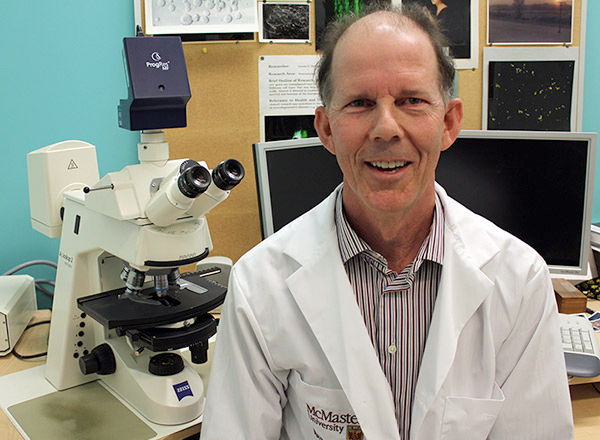
Correcting Defects in Astrocyte Signaling in Fragile X Syndrome
Astrocytes, brain cells which support neurons, do not transmit signals. Fragile X treatment strategies have been proposed based on correction of “astrocyte phenotypes”.

Altered Neural Excitability and Chronic Anxiety in a Mouse Model of Fragile X
With a $35,000 grant from FRAXA, Dr. Peter Vanderklish at Scripps Research Institute, and colleagues, explored the basis of anxiety in Fragile X syndrome.

Neural Markers of Fragile X: A Powerful New Tool for Clinical Trials
Once the neural marker is identified for a particular challenge, such as kids with poor language versus good language, neural markers can be measured during drug and behavioral therapy trials to see if a child is improving based on objective biological measures.
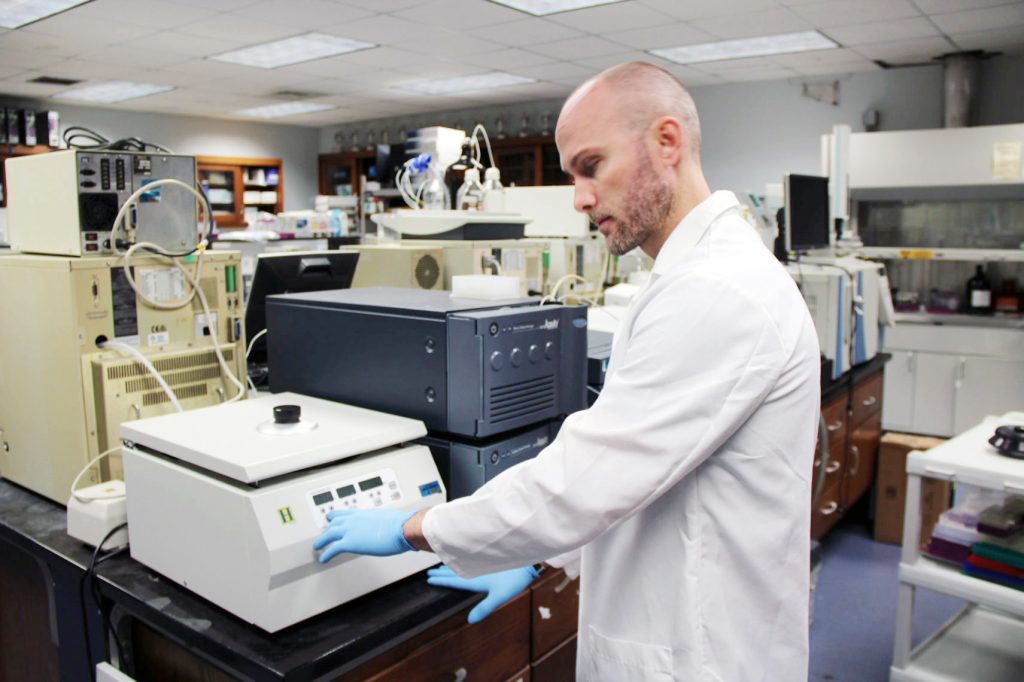
Targeting Serotonin Receptors to Treat Behavioral and Psychological Symptoms
With a $90,000 grant from FRAXA Research Foundation awarded in 2017, Dr. Clinton Canal targets seratonin receptors. “There are 15 unique serotonin receptors (at least) and many of them impact the function of brain circuits that are impaired in neurodevelopmental and psychiatric disorders,” said Dr. Canal. “Results from this project could guide new drug discovery or drug repurposing for Fragile X."

Metformin, Diabetes Drug, Potential Fragile X Treatment
"We treated mice with metformin and corrected all the core Fragile X deficits. We are optimistic about using metformin in human clinical trials. This is a generic drug with few side effects" says Nahum Sonenberg, PhD, James McGill Professor, Department of Biochemistry, McGill Cancer Center, McGill University.

Biomarker Discovery and Validation for Fragile X Syndrome
This grant supported discovery of protein-based biomarkers for Fragile X to create objective outcome measures that translate from mouse studies to human trials.

PIKE as a Central Regulator of Synaptic Dysfunction in Fragile X Syndrome
With $255,000 from FRAXA Research Foundation, Dr. Suzanne Zukin at Albert Einstein College of Medicine studied signalling pathways in Fragile X syndrome.
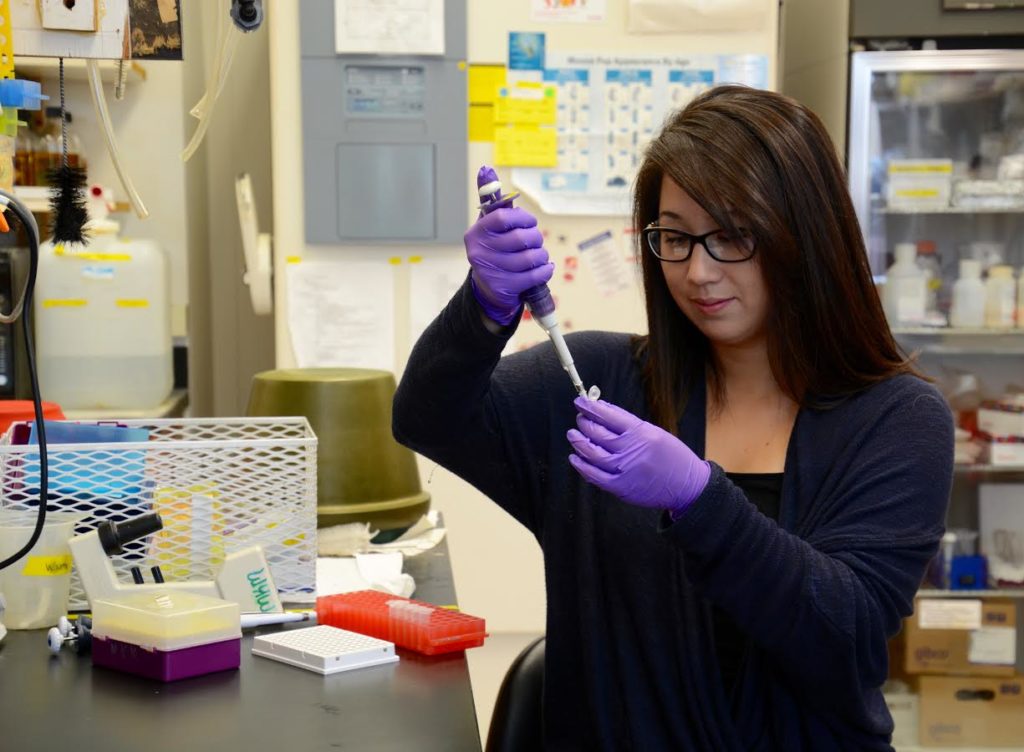
Trial and No Error: Better Outcomes for Clinical Trials in Fragile X Syndrome
Johns Hopkins researcher Christina Timmerman, PhD, searches for a less subjective method to determine if a drug is working in patients with Fragile X syndrome. Many parents of children with Fragile X syndrome were crushed when promising drug trials were unexpectedly stopped a few years ago because subjective behavior-based outcome measures did not justify continuing the trials. The strong feelings linger today. If all goes well with Christina Timmerman’s research, future drug trials may be able to continue with additional metrics for assessment, until there are advanced treatments or even a cure for Fragile X syndrome.
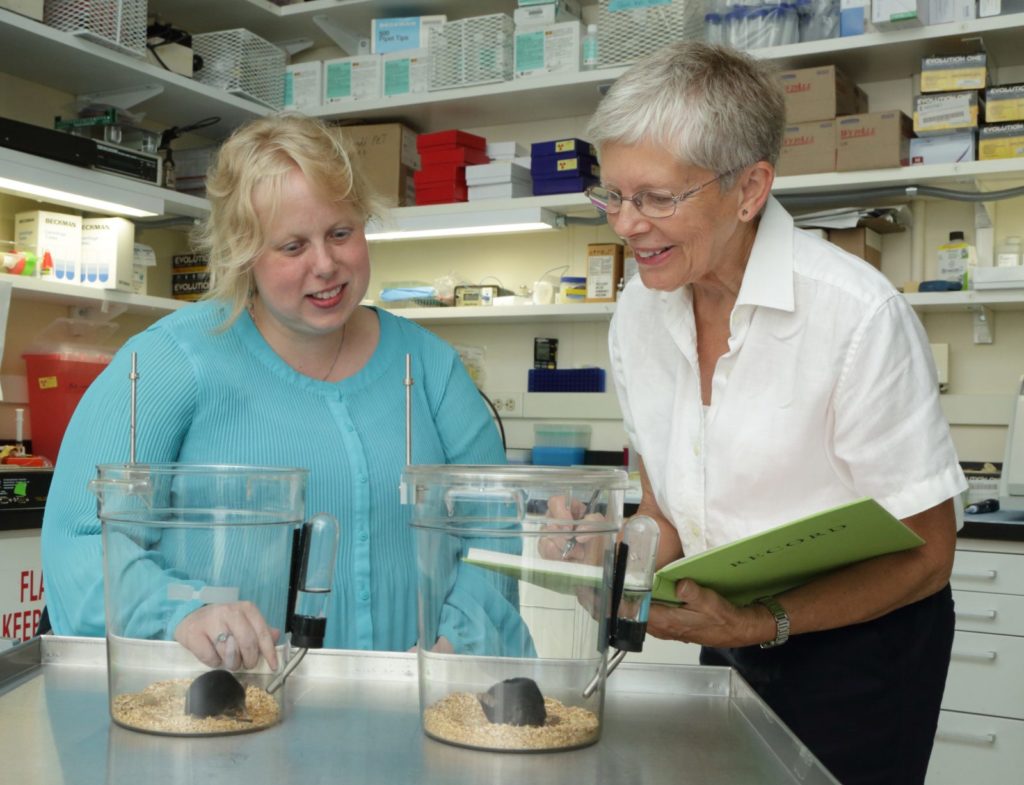
NIH Investigator Carolyn Beebe Smith, PhD, Looks to Improve Sleep in Fragile X Syndrome
Our sons with Fragile X Syndrome typically go to bed early and rise early. Sometimes they jump on us while we are sleeping at 3 a.m., excited to start their day. For heaven’s sake, why? The answer may come from Carolyn Beebe Smith, PhD, senior investigator, Section on Neuroadaptation and Protein Metabolism, National Institute of Mental Health, National Institutes of Health, Bethesda, Maryland. She is studying why children, in particularly boys, with FXS have problems sleeping.

New Fragile X Clinical Trial for Children Launching in June 2017
Rush University Medical Center Professor Elizabeth M. Berry-Kravis, MD, PhD, has launched and is recruiting participants for a large-scale clinical trial to study effects of AFQ056, an mGluR5 blocker, on learning in young children.

Mark Bear’s Goal: Disease-Modifying Treatments for Fragile X
Researcher Mark Bear, PhD, Picower Professor of Neuroscience, sees success developing disease-modifying treatments for Fragile X syndrome and other developmental brain disorders. Finally, hope. And it comes from his lab, The Picower Institute for Learning and Memory, Department of Brain and Cognitive Sciences, Massachusetts Institute of Technology.

Sensory Hypersensibility in Fragile X Syndrome and BK Channel Openers
With $366,100 in FRAXA funding, researchers tested BK channel–opening drugs to fix sensory abnormalities in Fragile X mice; early results showed broad behavioral rescue.
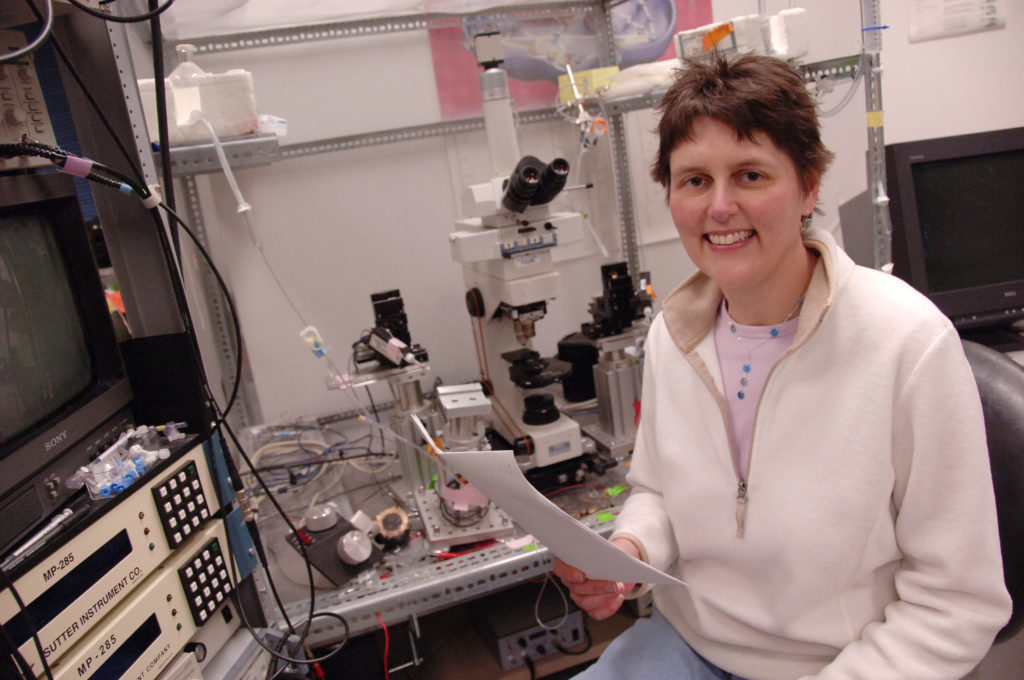
Kimberly Huber, PhD, Explores Hyperexcitability in Fragile X Syndrome
What causes hyperexcitability? Dr. Kimberly Huber seeks to understand how FMRP regulates connections between brain cells and the function of brain circuits.
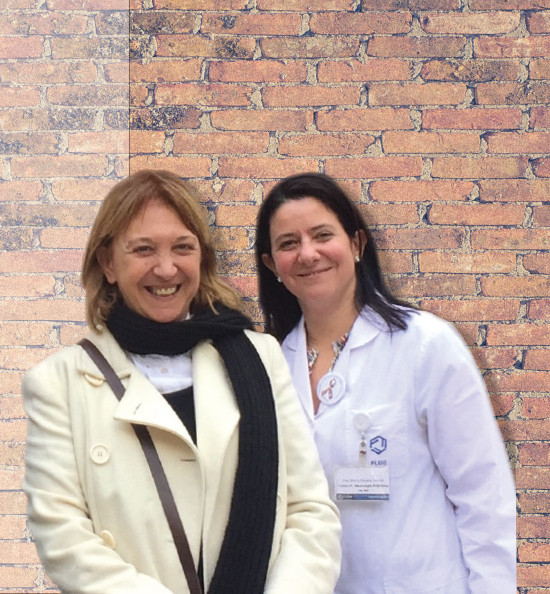
Identifying Biomarkers for Fragile X Syndrome – A Study in Argentina
Bio·mark·er, noun, a distinctive biological or biologically derived indicator of a process, event, or condition. Doesn’t help? Well, it’s perfectly clear to Argentinian researchers Patricia Cogram, PhD, and Paulina Carullo, MD, from the FLENI Institute in Buenos Aires, Argentina. They understand there is an urgent need for validated biomarkers after recent Fragile X syndrome clinical trials have failed on their primary endpoints.
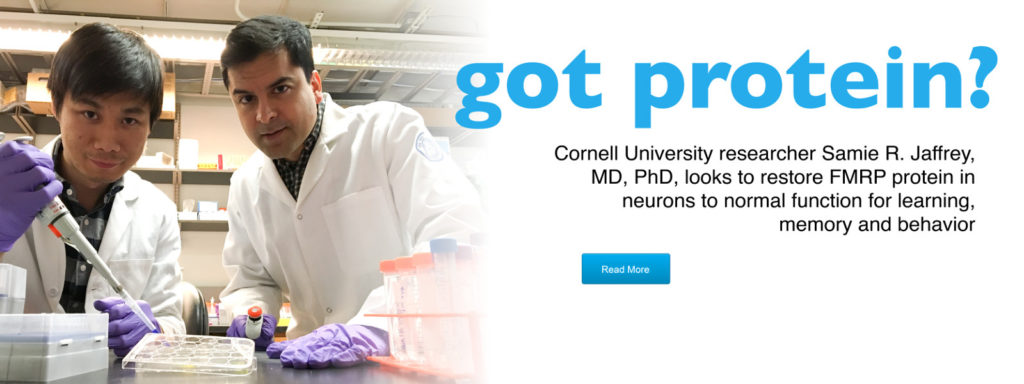
Cornell University Researcher Looks to Restore Fragile X Protein in Neurons
Which is the right FMRP for therapeutic development of Fragile X syndrome? When researchers develop effective drugs that reactivate FMRP — the protein that is normally silenced in Fragile X — what in the world will they do next? So ponders Cornell University researcher Samie R. Jaffrey, MD, PhD. Jaffrey, professor, Pharmacology, Weill Cornell Medical College, Cornell University, knows reactivating FMRP will lead to many important questions, such as: Which cell type needs FMRP? How much FMRP protein is needed to restore brain function? Where in the brain will FMRP protein be needed? Where in a neuron will the FMRP needs to be expressed?
Achieving Predictability: Developing Biomarkers for Fragile X Patients
New York University scientists make progress developing biomarker signatures and cataloging the types of Fragile X patients who will most likely benefit from new therapies. Take a closer look at your son or daughter with Fragile X syndrome. If you meet another child with Fragile X syndrome, chances are he/she may seem totally different to you, yet everyone is united under a FXS diagnosis. Discovering the biological reasons behind these differences is key to identifying which children will respond to what treatment. But how do you find the ‘prediction formula’? New York University scientists may soon know.
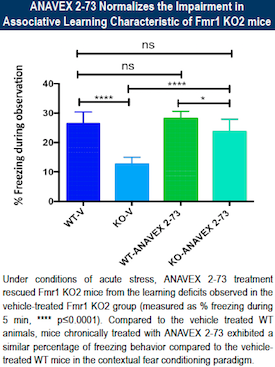
New compound from Anavex Improves Learning and Behavior in Fragile X Mice
The investigational drug Anavex 2-73 was able to improve intellectual, learning and hyperactivity measures in a mouse model of Fragile X syndrome. This is a sigma-1 receptor agonist being developed for autism spectrum disorders and Alzheimer’s disease.
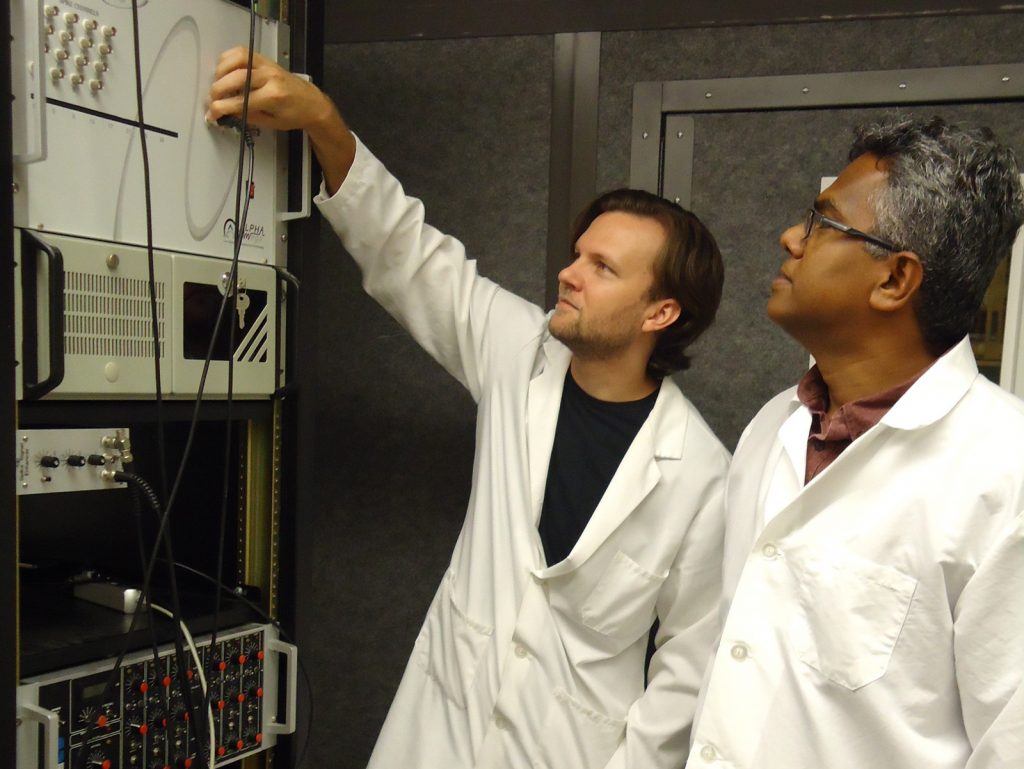
Meltdown no more? Targeting Hypersensitivity in Fragile X
Meet Khaleel Razak, PhD, and Jonathan W. Lovelace, PhD, FRAXA-funded researchers at University of California, Riverside who are tackling Fragile X.
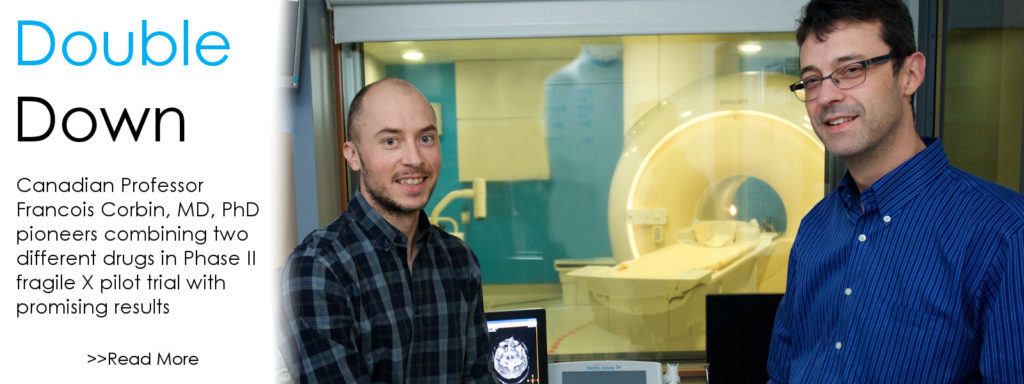
Double Down: Fragile X Clinical Trial Combines Two Available Drugs
If all the science world’s a stage, Fragile X researchers are more than merely players. They are center stage. So believes Francois Corbin, MD, PhD, professor, Université de Sherbrooke, Canada, who directs the university’s Fragile X Clinic. Corbin, who has received more than $100,000 in FRAXA support since 2012, is leading a pilot randomized Phase II trial, exploring the tolerability and the synergistic effect of a combined therapy.
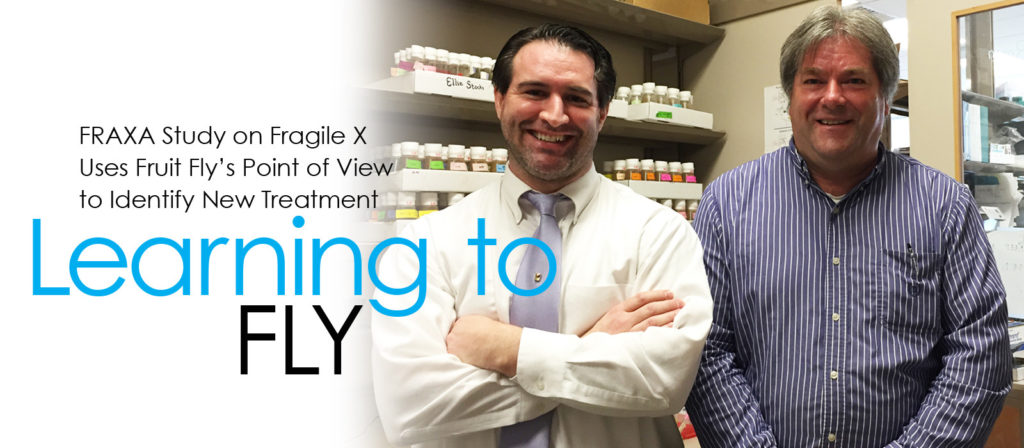
Fragile X Fruit Fly Research Bears Fruit
A new FRAXA-funded study shows how the hormone insulin – usually associated with diabetes — is involved in the daily activity patterns and learning deficits in the fruit fly model of Fragile X Syndrome (FXS). The study also reveal a metabolic pathway that can be targeted by new and already approved drugs to treat Fragile X patients, notably metformin.
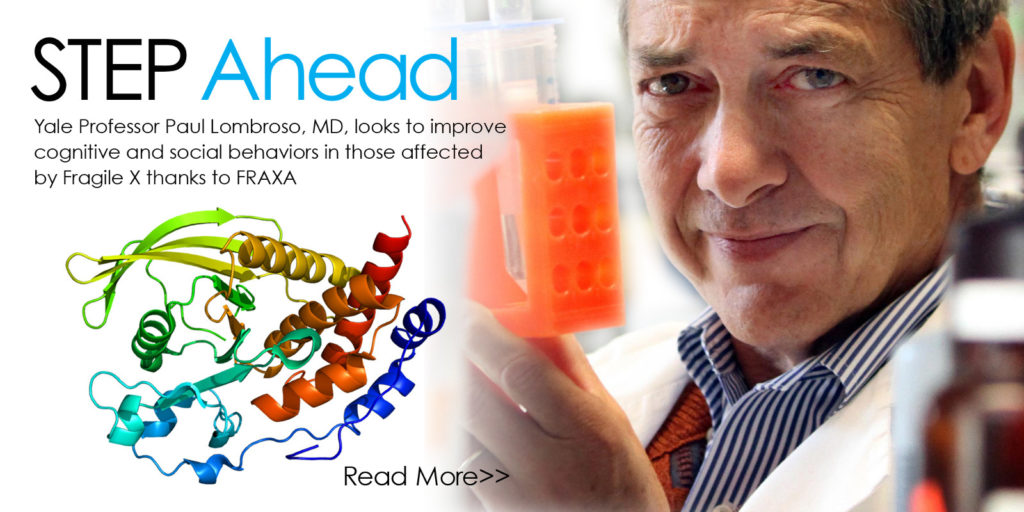
Can STEP Inhibitors Treat Fragile X Syndrome? Yale Professor Investigates
Yale Professor Paul Lombroso, MD, is testing STEP inhibitors to improve cognitive and social behaviors in those affected by Fragile X syndrome.