
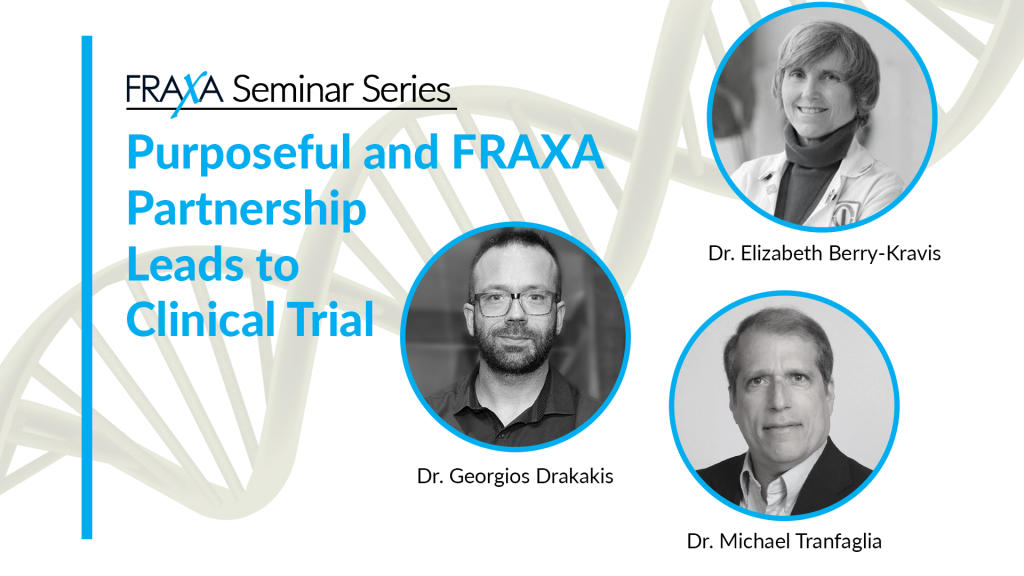
Purposeful and FRAXA Partnership Leads to Clinical Trial
AI and FRAXA-DVI identified a drug + supplement combo that reversed all Fragile X symptoms in mice. A clinical trial tested this in adults with Fragile X.

Inhibiting Nonsense – Mediated mRNA Decay: A Potential Treatment Approach for Fragile X
This team previously discovered runaway nonsense-mediated mRNA decay (NMD) in cells of Fragile X patients. They will now test drugs to reduce NMD.
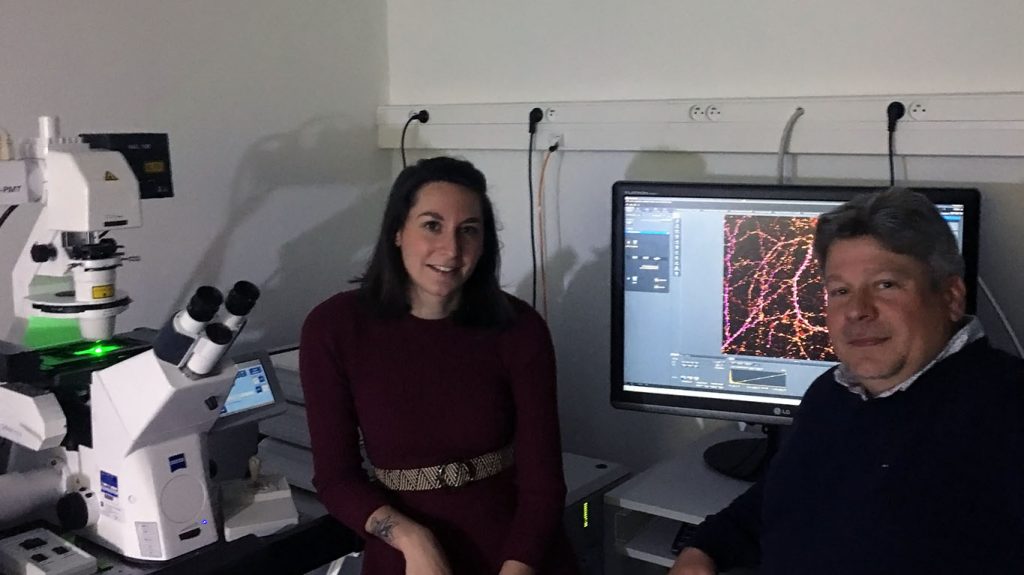
Exploring Drug Repurposing to Restore Hippocampal Function in FXS Mouse Models
This team found a key mechanism by which FMRP controls brain connections. They’ll test existing drugs that target this pathway to restore learning and memory in Fragile X.

Contribution of Microglia to the Therapeutic Effects of Metformin and Adiponectin in Fragile X Syndrome
Why are some with Fragile X always hungry or overweight, yet rarely diabetic? This team is studying metabolism and testing treatments like metformin and diet.
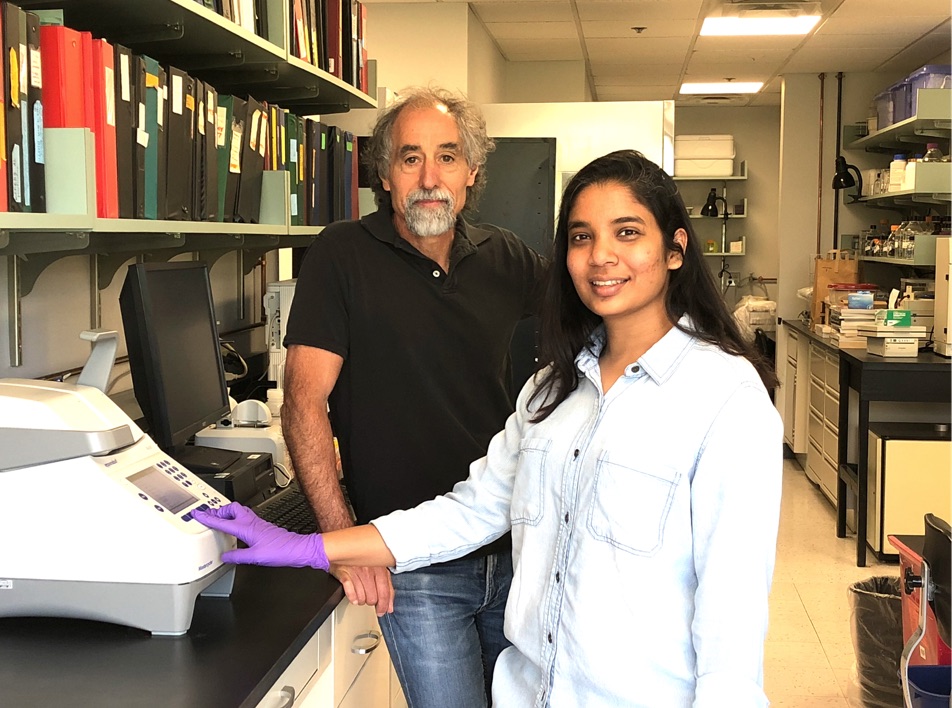
Alternative Splicing in White Blood Cells: A Biomarker for Fragile X Syndrome
This team found 1,600 blood-based Fragile X biomarkers that vary by individual—opening the door to personalized treatment and better ways to measure progress.

Link Between Lipid Profile, eCBome System and Gut Microbiome in Fragile X Syndrome
Why does obesity challenge so many people with Fragile X? Dr. Caku’s team has found that Fragile X syndrome causes changes in the tiny organisms that live in our gut.

Characterization of Microglia Transcriptional Profile in Fmr1 Knockout Mice Model
Microglia are excessively activated in Fragile X models. The team will investigate the mechanisms and attempt to correct this using drugs.

The Role of Astrocyte BMP Signaling in Fragile X Syndrome
Researchers found a pathway in astrocytes that is overactive in Fragile X syndrome, and they hope to bring this pathway back to normal with a drug.

Identifying Cellular and Molecular Signatures in Human Neurons That Distinguish Fragile X Syndrome Patients with Divergent EEG Profiles
Just as Fragile X affects individuals differently, medications do as well. This project aims to bring personalized medicine to Fragile X syndrome.

Pharmacotherapeutic Effects of Cannabidiol (CBD) in Fragile X syndrome (FXS) and Autism Spectrum disorder (ASD)
This study tested CBD (cannabidiol) treatment in male and female Fragile X mice to learn how and why it works and whether gender affects responses to CDB treatment.

Cellular-Specific Therapeutic Targeting of Inhibitory Circuits in Fragile X Syndrome
The team studied how inhibitory brain circuits malfunction in Fragile X and tested ways to restore balance by targeting mGluR and endocannabinoid signaling.

Auditory Dysfunction in Fragile X Syndrome in a Mouse Model of Fragile X
FRAXA-funded studies found Fragile X mice show altered auditory circuit function with delayed startle timing and reduced prepulse inhibition, mirroring human sound sensitivity.

Positive Results Reported in Phase II Fragile X Clinical Trial of PDE4D Inhibitor Zatolmilast from Tetra Therapeutics
Tetra Therapeutics announces the first unequivocally positive phase 2 clinical trial in Fragile X syndrome. The results do not depend on carving out a subset of patients or post hoc analysis.
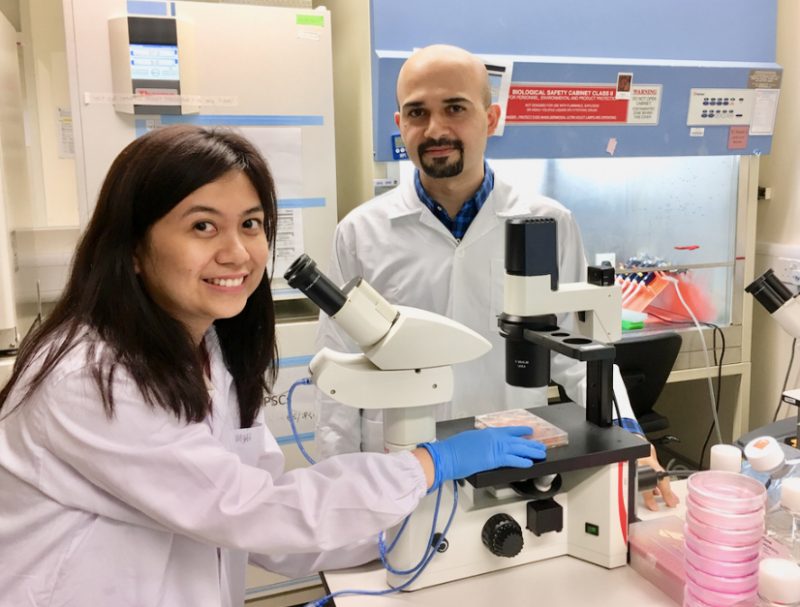
Genome-wide Screen for FMR1 Reactivation in Human FXS Neural Cells
This team aims to turn the FMR1 gene back on in Fragile X by identifying factors that reactivate the silenced gene and restore production of the missing FMRP protein.

MicroRNAs as Biomarkers in Fragile X Syndrome
The team at Johns Hopkins University studied groups of small RNAs, known as microRNAs, which are greatly decreased in brain tissue of Fragile X mice vs. normal controls.
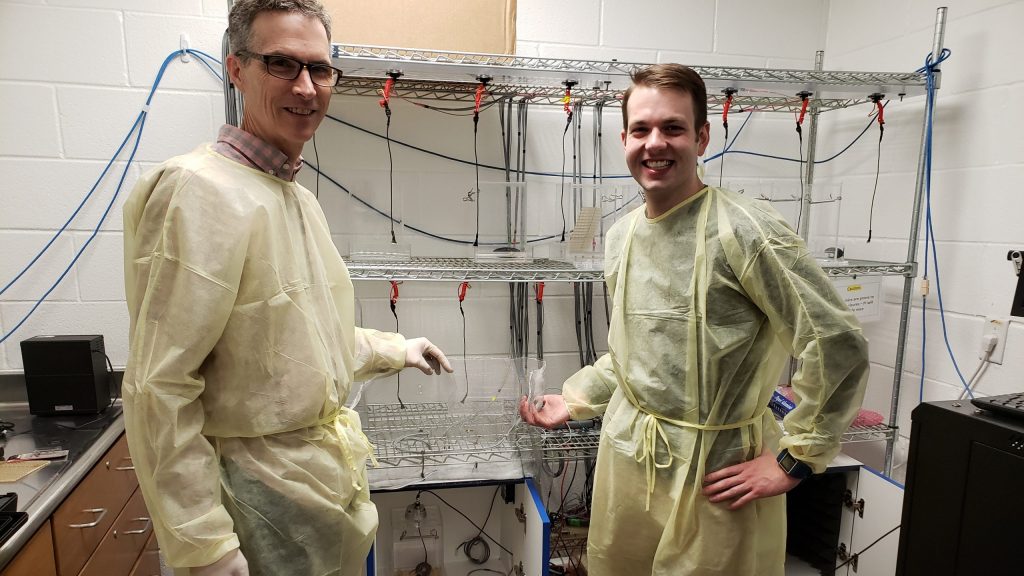
Auditory System Dysfunction and Drug Tolerance in the Fragile X Mouse
A $90K FRAXA grant will help uncover why Fragile X causes sound hypersensitivity and test ways to correct brain circuit dysfunction linked to auditory overload.

MicroRNA Mediated Astroglial GLT1 Dysregulation in Fragile X
The team studied how glial cells, especially astrocytes, affect Fragile X. They tested microRNAs to restore GLT1 and reduce excess glutamate linked to brain hyperexcitability.

Cholesterol-Dependent Changes in Fragile X Astrocytes
Astrocytes and cholesterol metabolism are altered in Fragile X. This research uncovers how these changes affect the brain and may reveal new treatment targets like lovastatin.

Potassium Channel Modulators to Treat Fragile X
FRAXA-backed Yale discoveries tied Fragile X to Kv3.1/Slack channel defects—leading to a partnership with Autifony to develop targeted treatments.

Targeting Adiponectin to Treat Fragile X Syndrome
Boosting adiponectin, a hormone that regulates metabolism, may improve cognition and behavior in Fragile X. Early results suggest it can restore brain plasticity.

Biomarker Discovery and Validation for Fragile X Syndrome
This grant supported discovery of protein-based biomarkers for Fragile X to create objective outcome measures that translate from mouse studies to human trials.
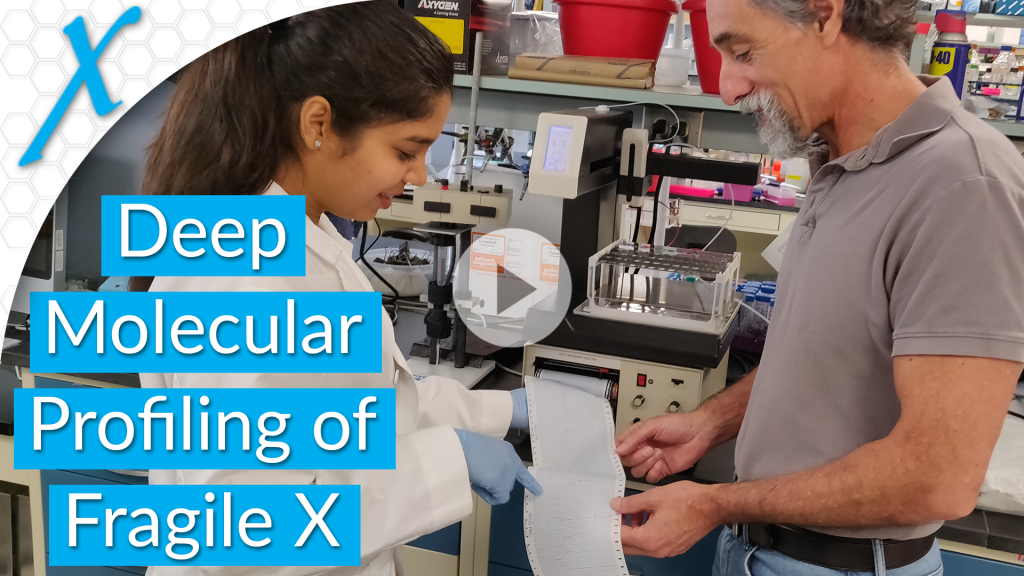
Deep Molecular Profiling of Fragile X Mouse and Human Cells
Studying human Fragile X neurons from stem cells revealed key gene changes not seen in mice—showing why some treatments failed and guiding better future therapies.

Targeting Mitochondria in Human Fragile X Syndrome Neurons
Fragile X brain cells have fewer, smaller mitochondria. This team tested mitochondria-boosting drugs that improved symptoms in mice to see if they can help humans.

Correcting Sensory Processing in Fragile X Mice by Modulating Kv3.1
FRAXA funded UCLA research on a Kv3.1-targeting drug to ease sensory issues in Fragile X. This work built on Yale-led work now also being pursued by Autifony Therapeutics.