
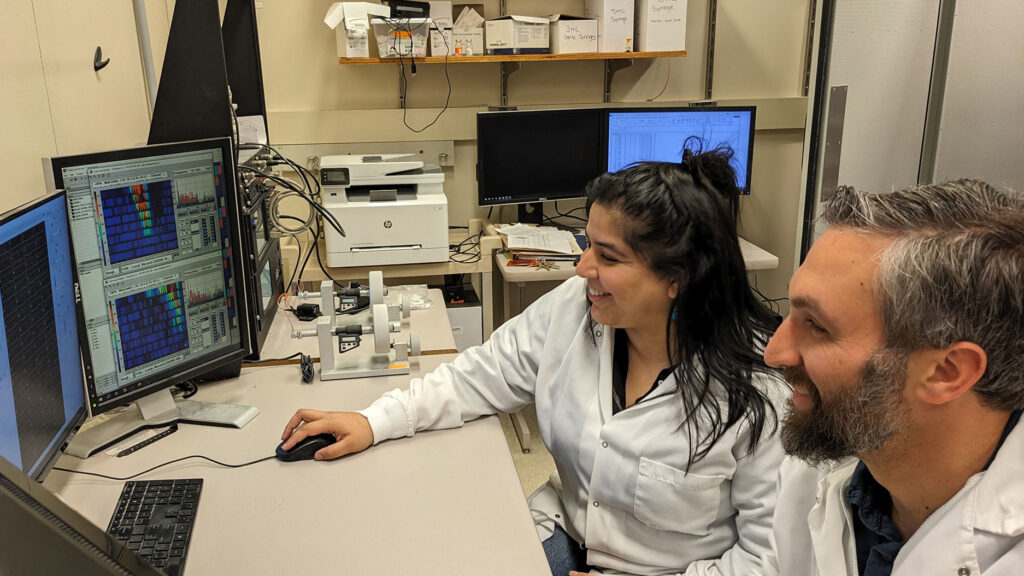
Exploring the Auditory System Therapeutic Target for Fragile X Syndrome
Auditory system therapeutic target for Fragile X syndrome research uses a rat model to connect excess protein synthesis with disrupted circuits and auditory hypersensitivity.

Donate to the Clark Family Campaign
Join Lucas Clark’s heartfelt appeal to support Fragile X research. Help fund breakthroughs for Lucas and others like him. Every dollar makes a difference — donate today!
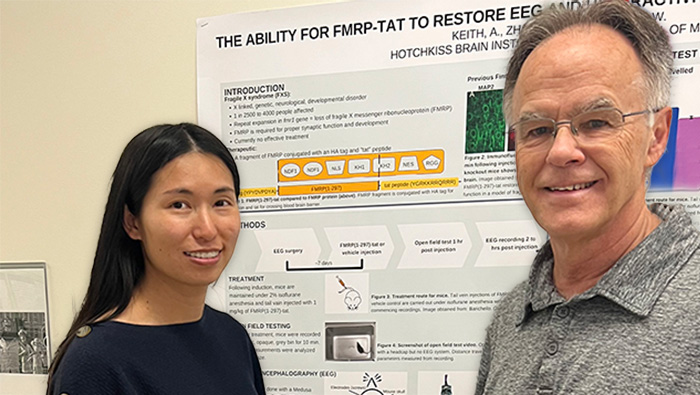
A Tat-Conjugate Approach to Treat Fragile X Syndrome
Turner Lab’s innovative approach to treating Fragile X uses a Tat-linked, truncated FMRP protein designed to restore brain function by replacing the missing protein.
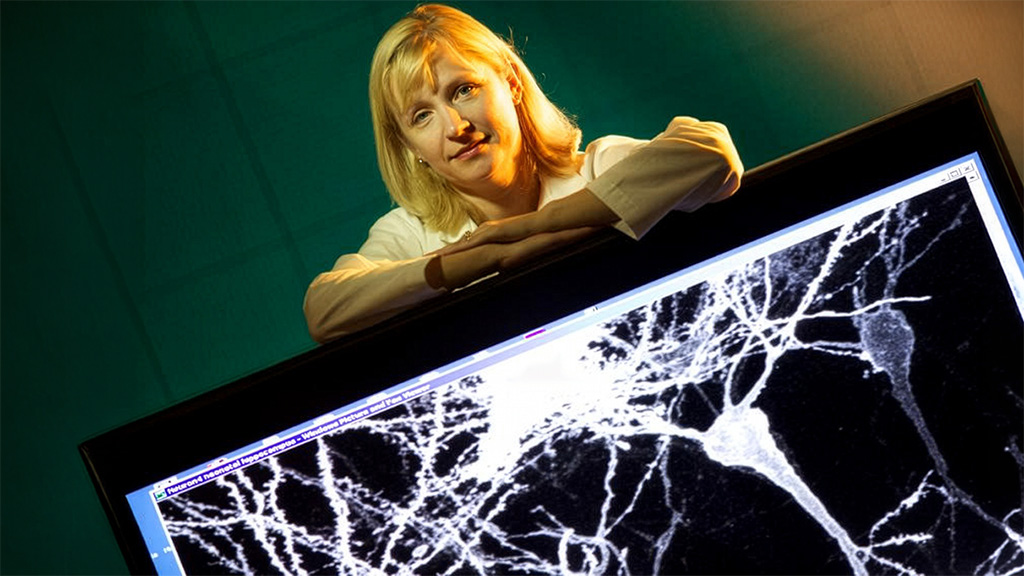
Combining Gene Reactivation with Controlled Sound Exposure to Treat Fragile X Syndrome
The team combined gene reactivation with noninvasive acoustic stimulation in a mouse model as an approach to treating Fragile X syndrome.

Clinical Study of Non-Invasive EEG for Children Ages 2-7
Dr. Carol Wilkinson, MD PhD at Boston Children’s Hospital recruited children ages 2-7 years with Fragile X syndrome to participate in a study of EEG.
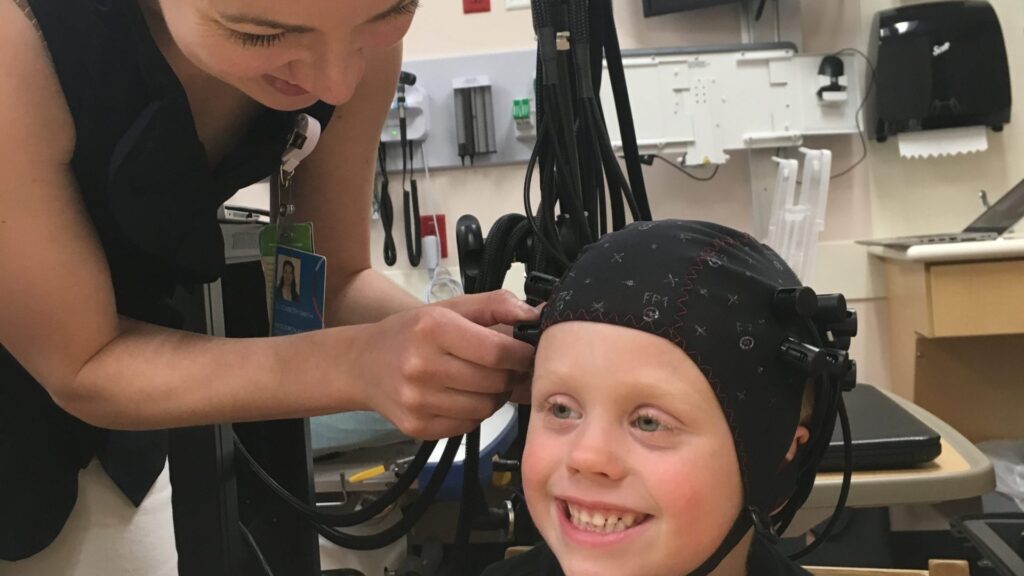
fNIRS to Measure Treatment Response in Young Children with Fragile X
The team tested functional near-infrared spectroscopy (fNIRS). fNIRS uses light sources and sensors on the scalp to build a heat map of the brain in action.
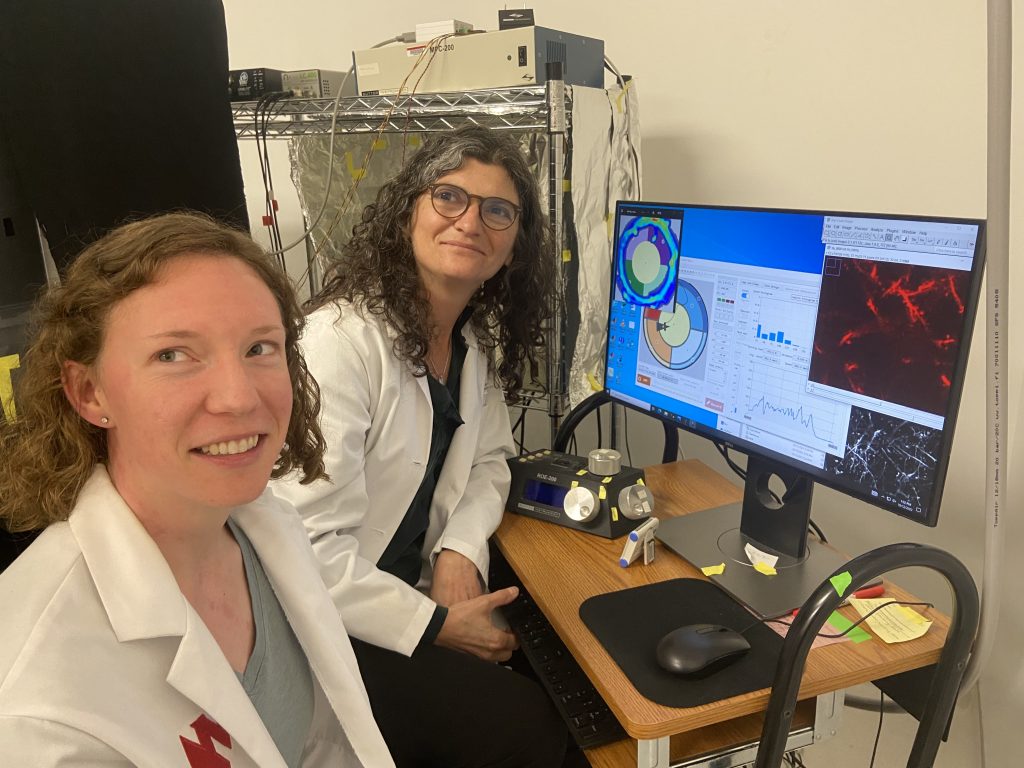
Astrocyte Contribution to Sensory Hypersensitivity in Fragile X Syndrome
This team studied how faulty calcium signaling in astrocytes contributes to sensory hypersensitivity in Fragile X, aiming to find new astrocyte-targeted treatments.

Targeting Serotonin 1a Receptors to Reverse Neurobehavioral Phenotypes
Neurolixis’ new drug targets serotonin 1A receptors, showing promise in preclinical studies for Fragile X syndrome, funded by a FRAXA grant for future clinical trials.
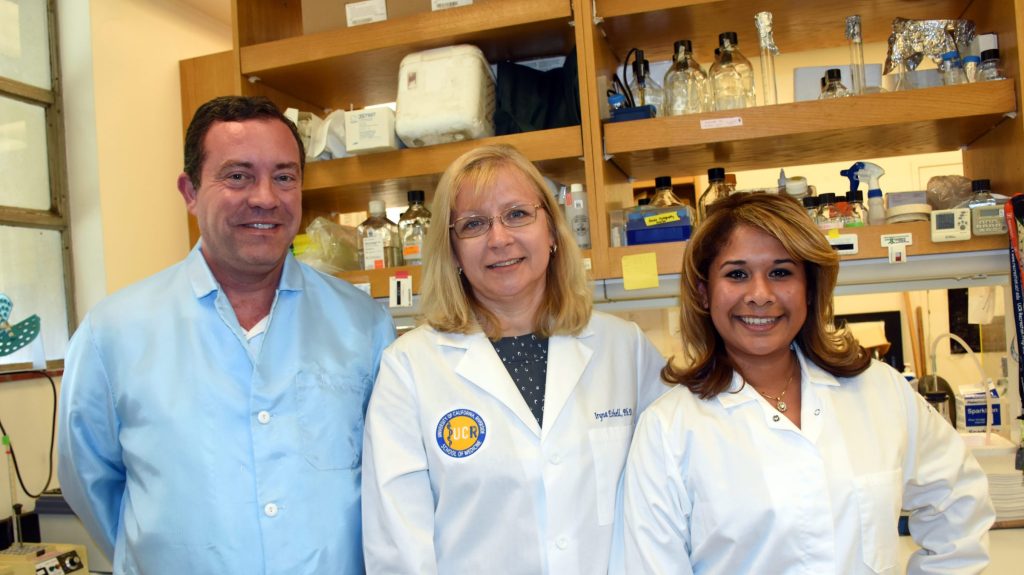
Cannabinoids as a Treatment for Fragile X Syndrome
This team uses EEG to study sensory hypersensitivity in Fragile X. By testing drugs in mice, they aim to find treatments that calm brain overactivity.
Purposeful and FRAXA Partnership Leads to Clinical Trial
AI and FRAXA-DVI identified a drug + supplement combo that reversed all Fragile X symptoms in mice. A clinical trial tested this in adults with Fragile X.

The Role of Astrocyte BMP Signaling in Fragile X Syndrome
Researchers found a pathway in astrocytes that is overactive in Fragile X syndrome, and they hope to bring this pathway back to normal with a drug.
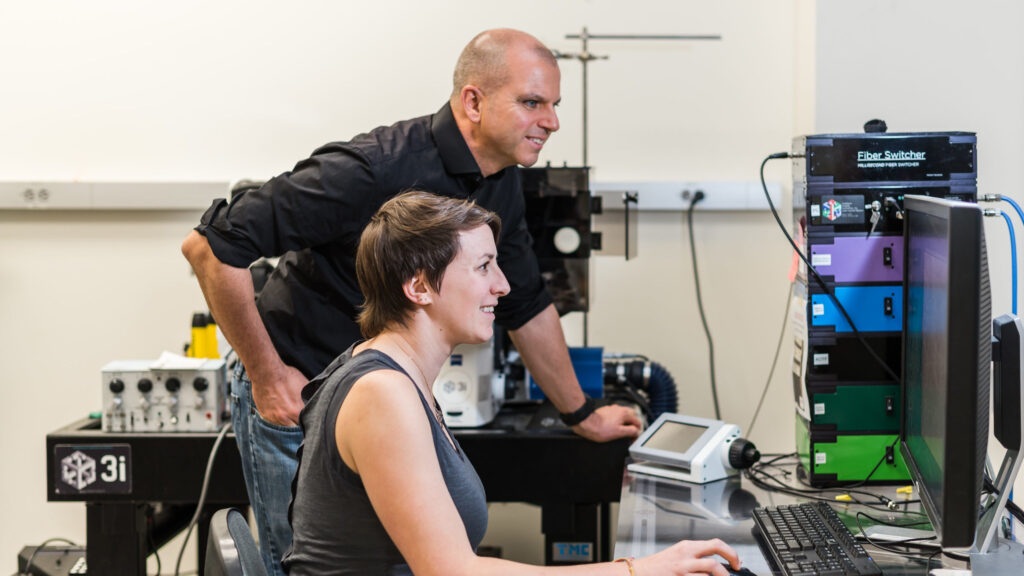
Auditory Dysfunction in Fragile X Syndrome in a Mouse Model of Fragile X
FRAXA-funded studies found Fragile X mice show altered auditory circuit function with delayed startle timing and reduced prepulse inhibition, mirroring human sound sensitivity.
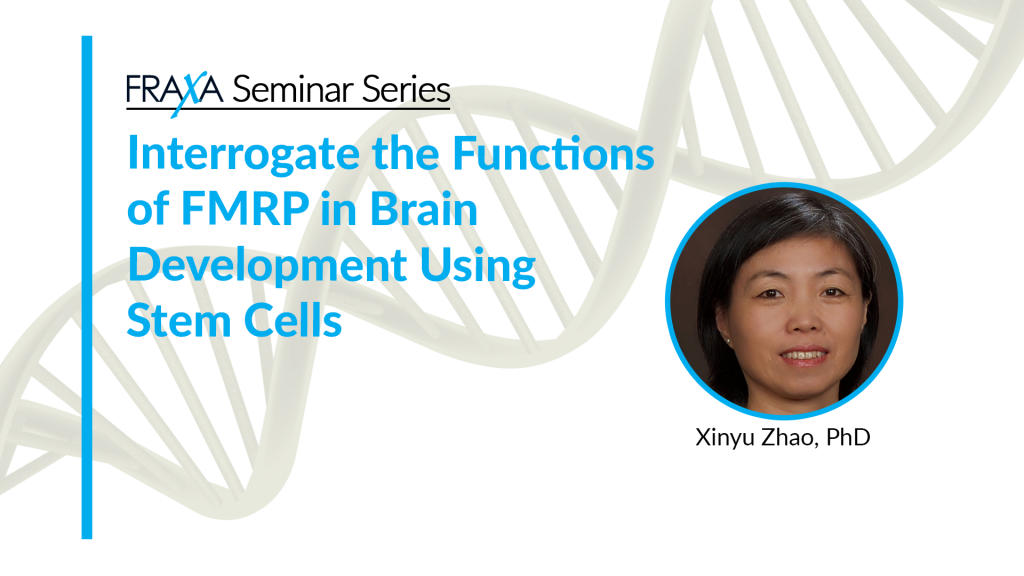
Interrogate the Functions of FMRP in Brain Development Using Stem Cells
Dr. Xinyu Zhao of the Waisman Center and Department of Neuroscience at University of Wisconsin-Madison joins us in this seminar to present Interrogate the Functions of FMRP in Brain Development Using Stem Cells.
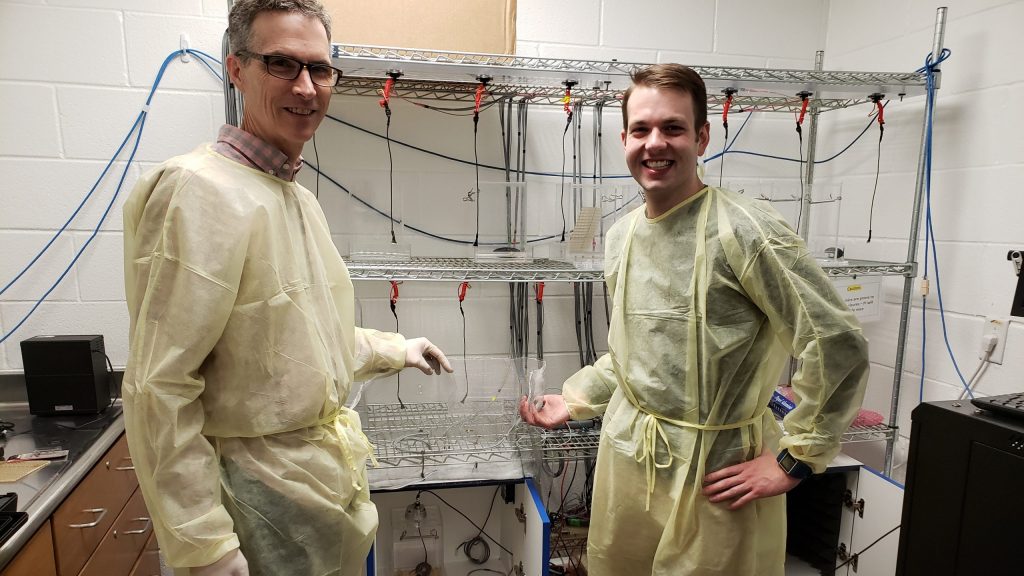
Auditory System Dysfunction and Drug Tolerance in the Fragile X Mouse
A $90K FRAXA grant will help uncover why Fragile X causes sound hypersensitivity and test ways to correct brain circuit dysfunction linked to auditory overload.
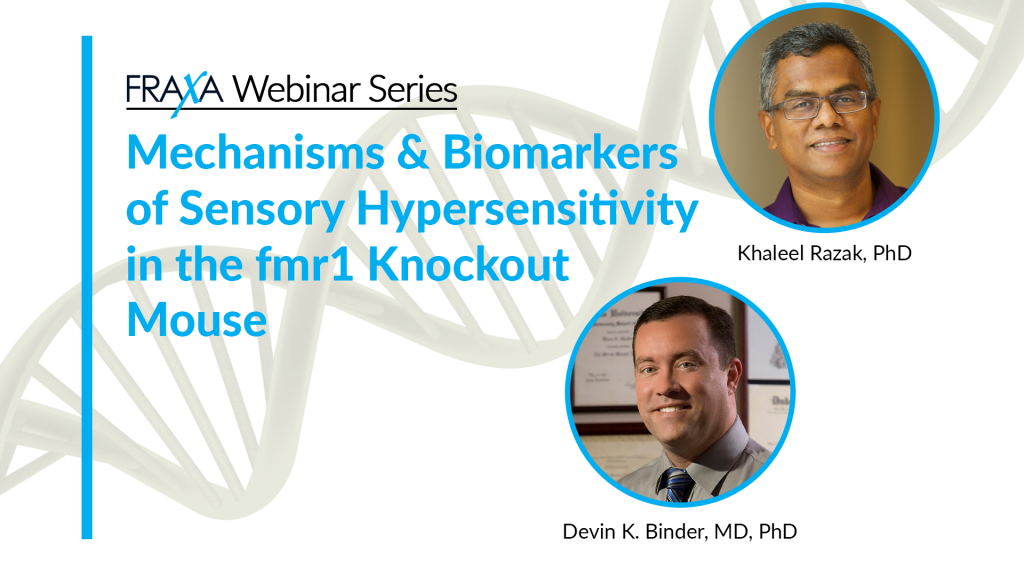
Mechanisms and Biomarkers of Sensory Hypersensitivity in the fmr1 Knockout Mouse
We hear from Devin K. Binder, MD, PhD, Professor, University of California at Riverside Medical School and Khaleel Razak, PhD, Professor, University of California at Riverside.
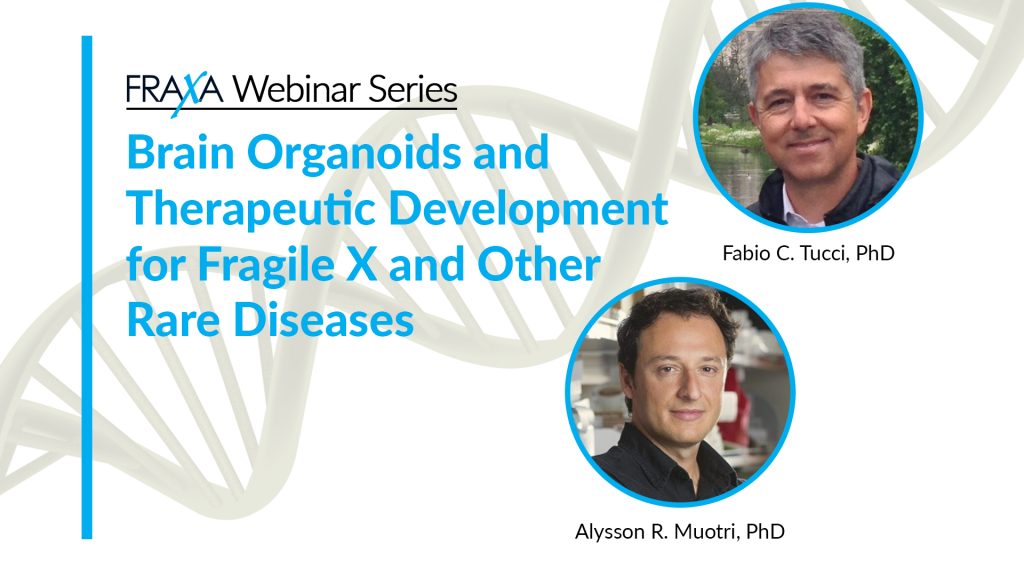
Brain Organoids and Therapeutic Development for Fragile X and Other Rare Diseases
In this webinar we hear from Alysson R. Muotri, PhD, Professor at University of California San Diego Stem Cell Program and Fabio C. Tucci, PhD, CEO and co-founder at Epigen Biosciences.
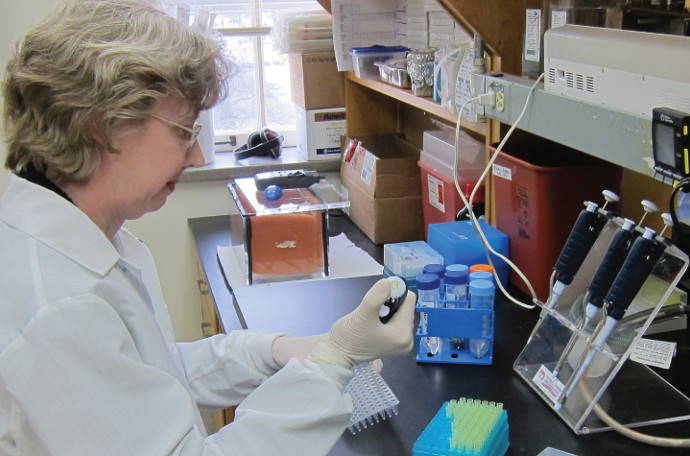
Ketogenic Diet Eases Symptoms in Fragile X Male Mice
Westmark Lab is studying sleep patterns in Fragile X mice, working with UW-Madison to develop tools that speed EEG data analysis
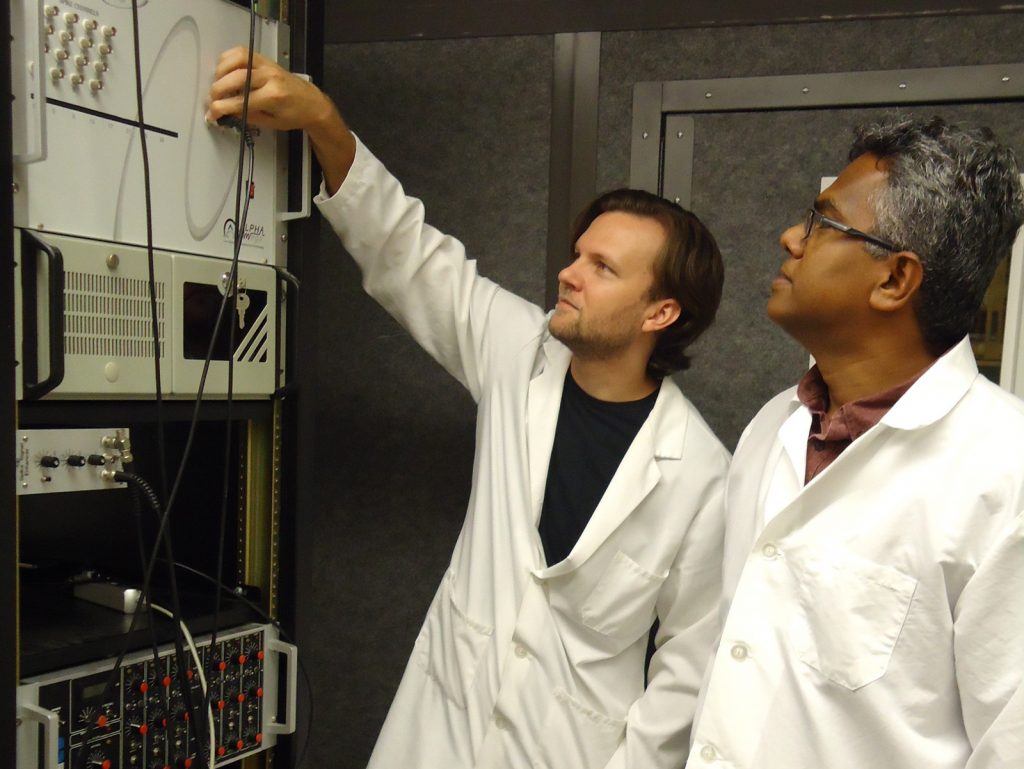
Results Reported: Using EEG Responses to Sound for Fragile X Drug Discovery
Jonathan Lovelace, a FRAXA funded Postdoc at UC Riverside, has made some exciting EEG findings over the past few years studying auditory hypersensitivity in mice and therapeutic drug treatments. A big obstacle in FXS research has been establishing reliable, unbiased, and translation relevant biomarkers that can be used to determine the effectiveness of therapies. One of the most important discoveries they have made is the striking similarity in EEG biomarkers between mice and humans.

Meet Jed & Kit!
Meet #FriendofFRAXA Jed & Kit! If you would like to nominate someone as a #FriendofFRAXA, we welcome all who have been touched by Fragile X, including friends, grandparents, siblings, professionals and companions alike to become a #FriendofFRAXA with the goal of putting a face to Fragile X for those who may not know someone directly.

Potassium Channel Modulators to Treat Fragile X
FRAXA-backed Yale discoveries tied Fragile X to Kv3.1/Slack channel defects—leading to a partnership with Autifony to develop targeted treatments.
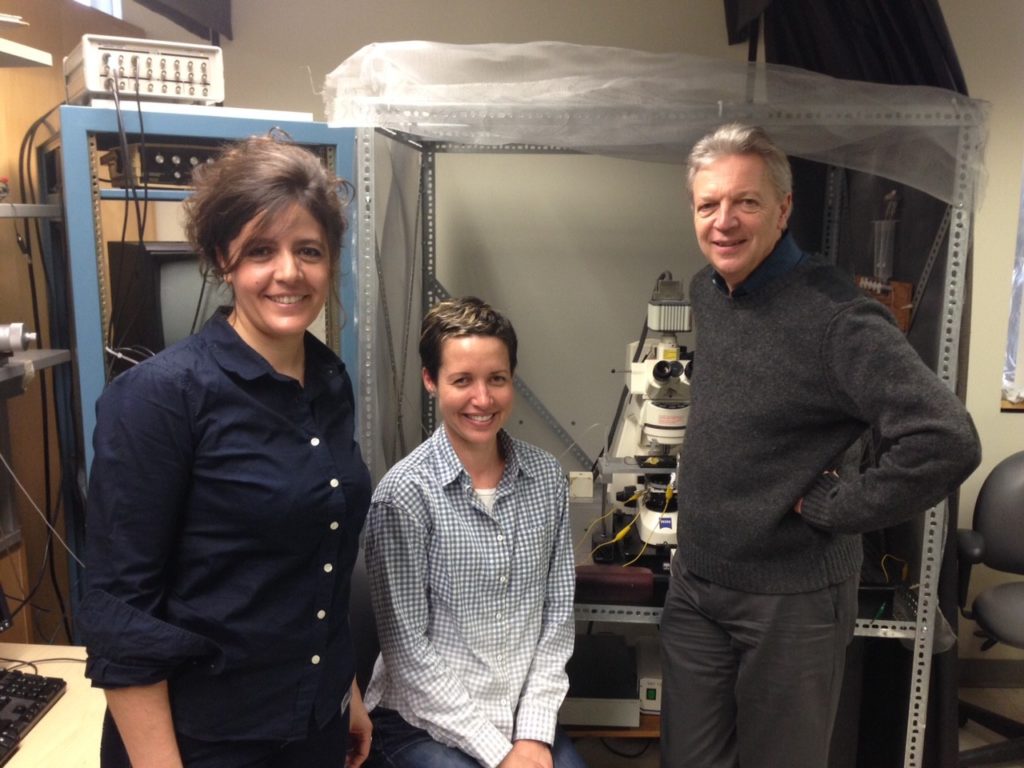
Novel Modulators of Potassium Channels to Treat Fragile X
FRAXA-funded Yale research showed disrupted Kv3.1 and Slack potassium channels impair neuronal timing in Fragile X. Published findings support Kv3.1 as a treatment target.

14th Annual Fragile X Poker Run Raises $12,135 for Fragile X Research!
A record year! The 14th Annual Fragile X Poker Run raised $12,135, highlighted by Mikey’s heartfelt birthday serenade to Amber.
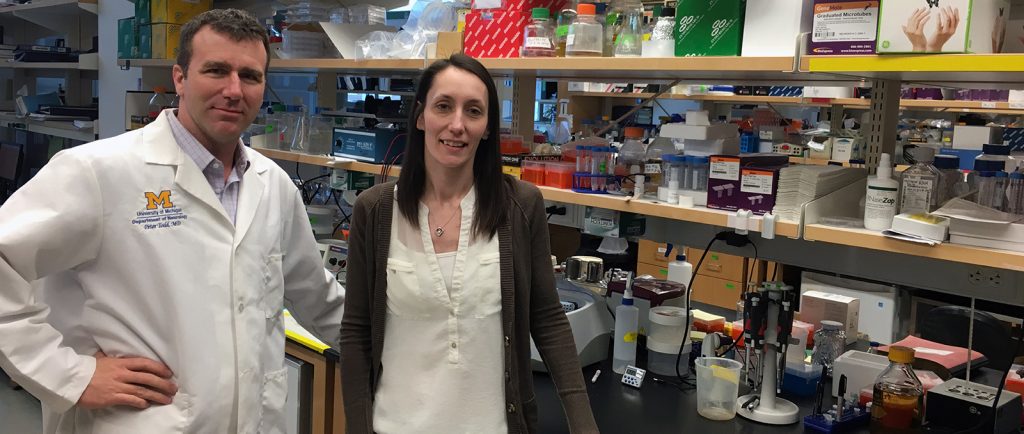
Fragile X Research Impacted by a Small Group of Thoughtful, Committed Citizens
Congrats to FXAM! Their months of effort paid off with a $35K grant to support Dr. Todd’s groundbreaking Fragile X CRISPR research.
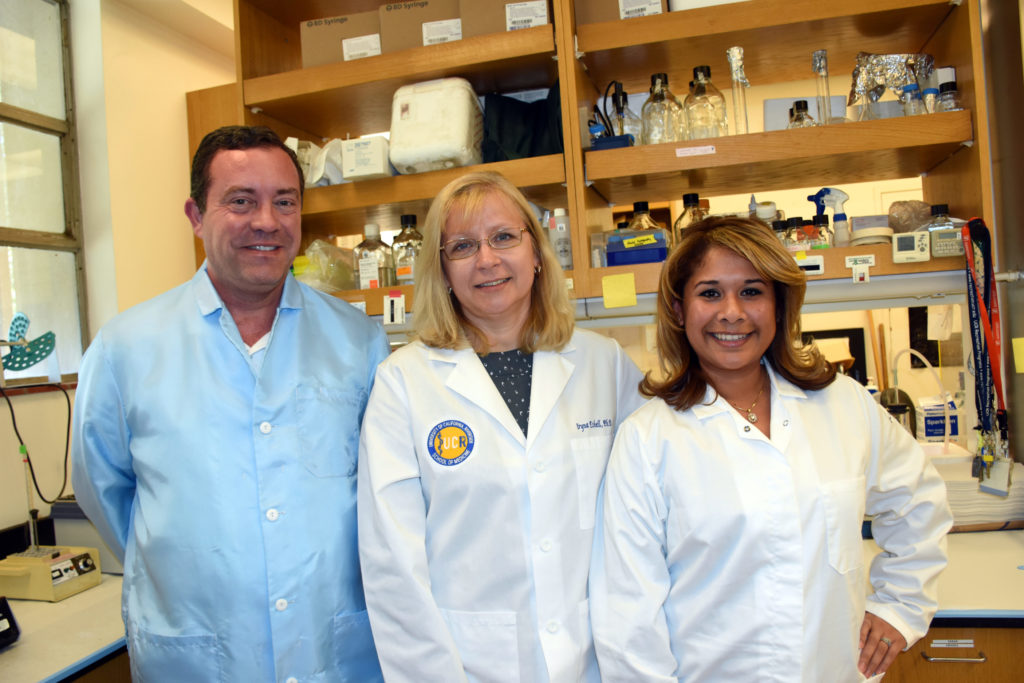
Understanding and Reversing Hypersensitivity to Sounds in Fragile X Syndrome
This FRAXA grant studied why people with Fragile X are overly sensitive to sound and tested drug strategies to calm the brain’s overactive auditory circuits.