
Drug Repurposing for Rare Disease and the Future of Health – The Genetics Podcast
In this episode Dr. Patrick Short talks to Dr. Bruce Bloom, CCO of Healx, and Dr. Mike Tranfaglia, CSO of FRAXA. about drug repurposing, machine learning, and Fragile X syndrome.
Considering Available Drugs for Fragile X: My Favorite Combination (So Far)
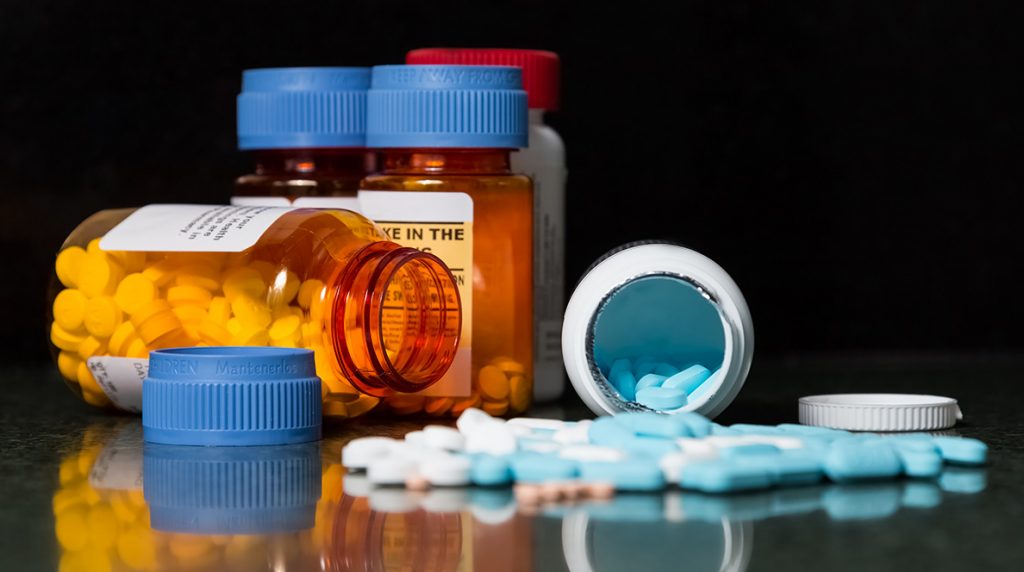
Which of the available drugs are best for managing fragile X syndrome? Most drugs have “off-target” effects which can have key advantages in some cases.

New Partners Aim to Accelerate the Discovery and Repurposing of Medicines for Rare Neurological Diseases
Healx has launch a global Rare Treatment Accelerator program to tackle Fragile X syndrome and 39 other rare diseases. It all started with a small FRAXA grant to repurpose available drugs for Fragile X.

Healx Raises $56M to use AI to Find Treatments for Fragile X & Other Rare Diseases
Healx has secured $56M in new financing to build a clinical-stage portfolio for rare diseases, including treatments for Fragile X syndrome, and to launch a global Rare Treatment Accelerator program. Where the traditional drug discovery model takes more than a decade and can run into the billions of dollars, Healx’s AI-driven approach makes the process faster, more efficient and cost-effective.
Screening 2,320 FDA-Approved Drugs for Potential Treatment of Fragile X
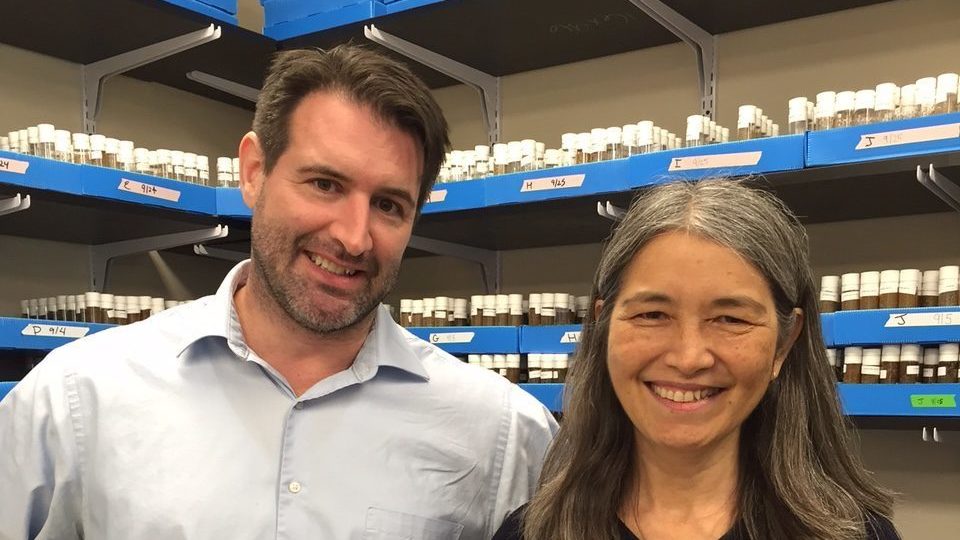
FRAXA funded a screen of 2,320 FDA-approved compounds in the Fragile X fly model to identify hits that improve memory and social behavior for advanced testing.
NKCC1 Inhibitor Bumetanide Corrects Synaptic and Circuit Hyperexcitability in Fragile X Mouse Model
Dr. Anis Contractor and Dr. Qionger He investigated the potential of the available drug bumetanide to correct altered GABA signalling in a mouse model of Fragile X syndrome.
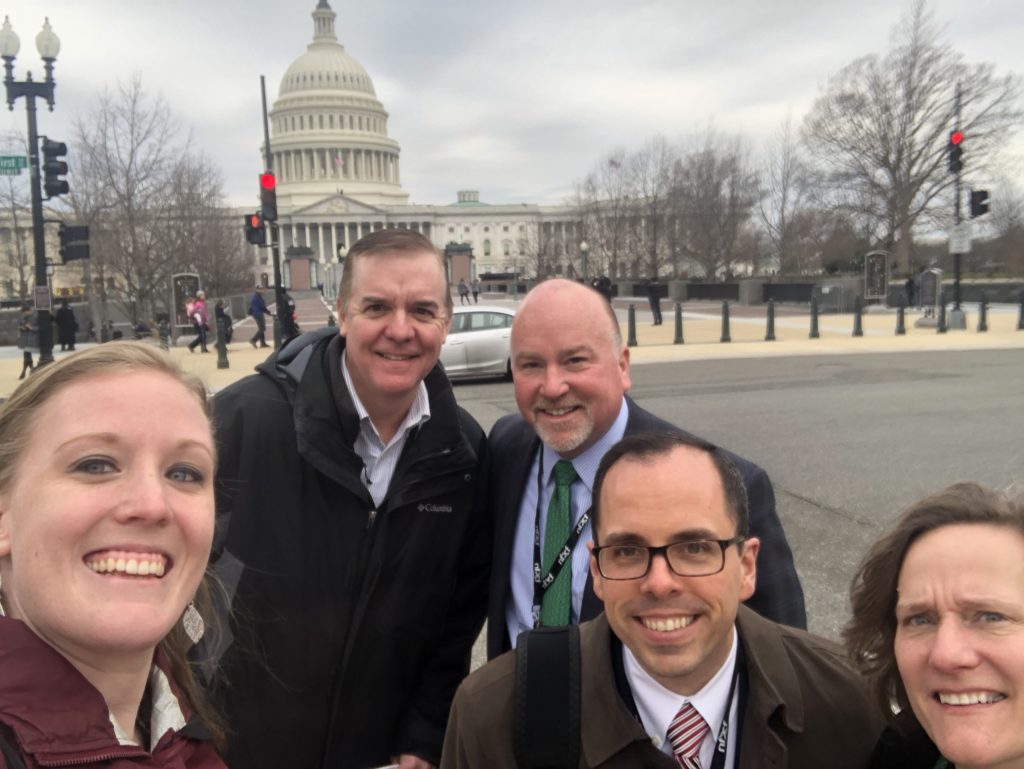
Takeaways from Fragile X Advocacy Day
At my first Fragile X Advocacy Day, I met with Congress and families, advocating together for research and hope.

Repurposing Study II: Evaluating Combinations of Drugs to Treat Fragile X
FRAXA partnered with Healx to use AI to find approved drugs and drug combos that could treat Fragile X. Top candidates are now being tested in Fragile X models.

Effects of Metformin in Fmr1 Knockout Mouse Model of Fragile X Syndrome
Metformin, a safe diabetes drug, activates AMPK to rebalance protein synthesis. FRAXA-funded work investigated its potential to treat Fragile X.
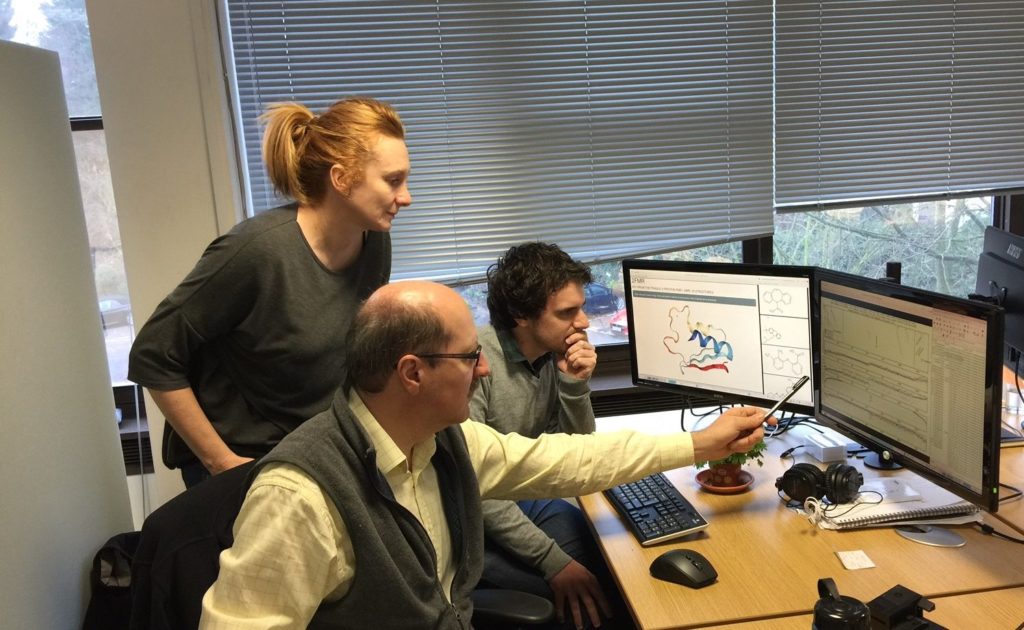
Drug Repurposing Study Results Accelerate Progress Towards Fragile X Treatments
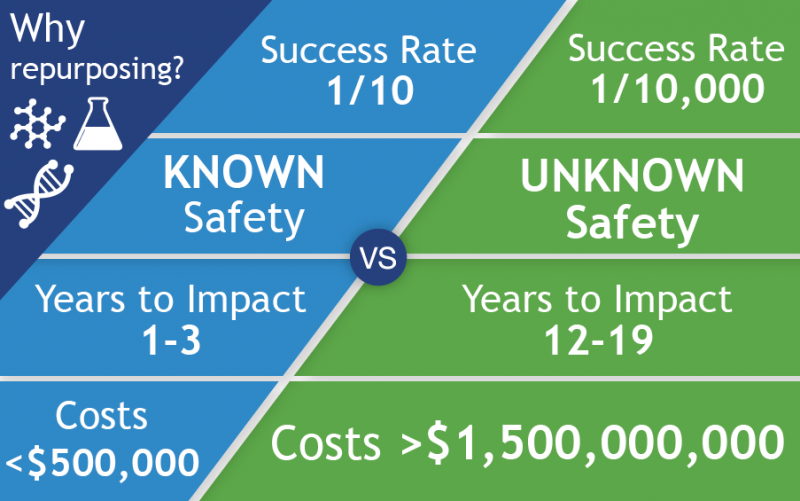
Drug repurposing leverages the detailed information available on approved drugs and reduces the time and money needed to deliver safe “new” treatments, with greater success rates and quicker impact.
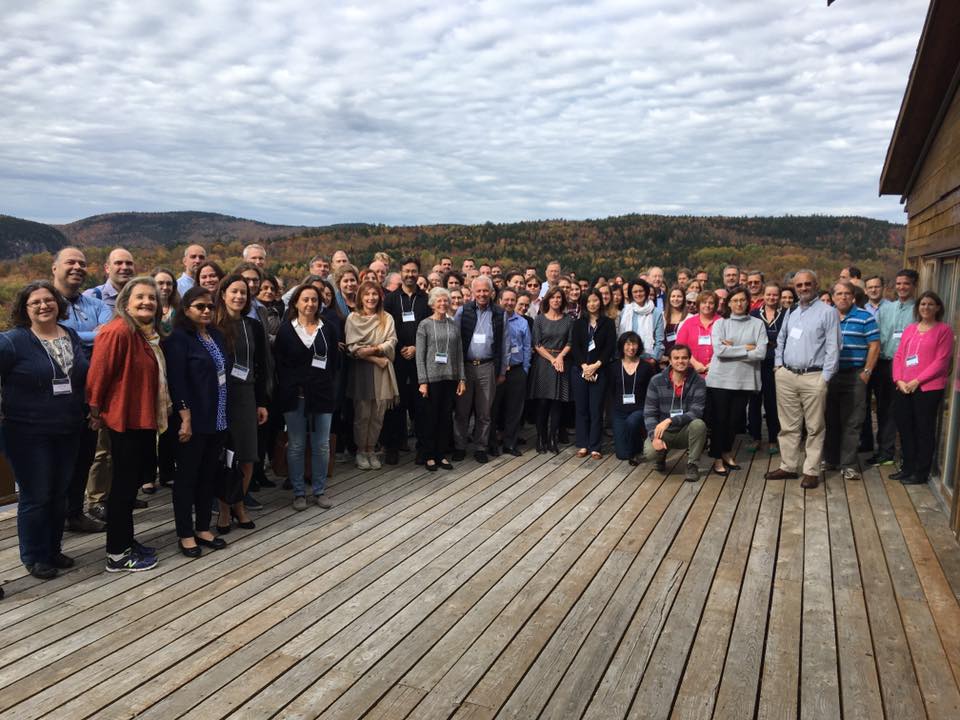
In Their Own Words: Reports From the International Fragile X Workshop
The 18th International Fragile X Workshop in Quebec was a great success, featuring more Fragile X research than ever before!
Quantitative Assessment of the Serotonin System in a Mouse Model of Fragile X Syndrome
FRAXA funded Dr. Canal to investigate how different serotonin receptors function in Fragile X, to guide smarter use of serotonin-targeting treatments.

Development of a High-Content Synapse Assay to Screen Therapeutics for Fragile X Syndrome
This work established a high-content synaptic imaging platform for Fragile X cells to test many candidate drugs for their ability to repair synapse structure and function.
Targeting Serotonin Receptors to Treat Behavioral and Psychological Symptoms
Dr. Clinton Canal targets serotonin receptors to correct brain signaling in Fragile X, guiding drug discovery and repurposing of therapies for anxiety, seizures, and behavior.

FRAXA Wins Award for Drug Repurposing
Cures Within Reach has awarded FRAXA Research Foundation the 2017 Golan Christie Taglia Patient Impact Philanthropy Award for efforts to find treatments for Fragile X syndrome.
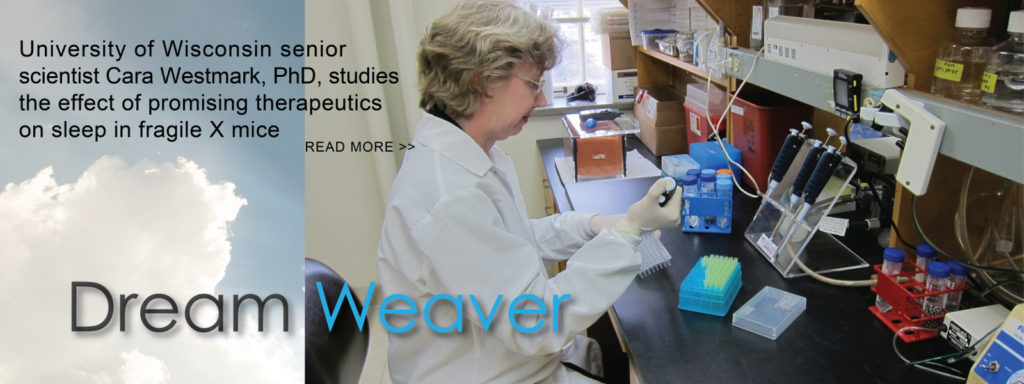
Preclinical Testing of Sleep-Wake Patterns as an Outcome Measure for Fragile X
FRAXA Research Foundation awarded $122,000 to Dr. Cara Westmark at the University of Wisconsin at Madison for studies of sleep disorders in Fragile X syndrome.

Metformin, Diabetes Drug, Potential Fragile X Treatment
Dr. Nahum Sonenberg’s research showed the diabetes drug metformin can correct key signaling defects in Fragile X, leading to clinical trials of this safe, repurposed therapy.

Fragile X Nervous (System) Breakdown
Dr. Lynn Maquat’s research shows Fragile X disrupts neuron maturation and RNA regulation, impairing brain signaling—pointing to new targets like NMD for drug development.
Repurposing Available Drugs to Treat Fragile X Syndrome – FRAXA Initiatives
FRAXA is identifying existing, approved drugs that could be repurposed for Fragile X, allowing potential treatments to move faster and at lower risk than starting from scratch.

University of Cambridge Startup Healx is Rapidly Identifying Existing Drugs to Help Fragile X Patients
FRAXA awarded $44,000 to Healx for drug repurposing to find new treatments for Fragile X syndrome. The results include eight top "hits" which show promise for Fragile X.
Repurposing Drugs to Dampen Hyperactive Nonsense-Mediated Decay in Fragile X Syndrome
FRAXA-funded research showed nonsense-mediated mRNA decay is overactive in Fragile X, pointing to existing NMD-suppressing drugs like caffeine as potential treatments.
Fruit Flies to Model and Test Fragile X Treatments
Boosting cAMP signaling restores memory and fixes brain-signaling defects in Fragile X models, suggesting diabetes drugs like metformin may help.

Boston Bruins Grant Funds New Fragile X Research
The Bruins Foundation pledged $90K to FRAXA, funding new Fragile X research at Gateway Farm in Merrimac, MA.
Targeting the Endocannabinoid System in Adult Fragile X Mice
CB1 blockade with rimonabant reversed cognitive, sensory, and seizure symptoms in FXS mice, highlighting the endocannabinoid system as a therapeutic target.