

Finding Fragile X Biomarkers – From Transcriptomics to Behavior in Patients
FRAXA funded a study using blood-based transcriptomics to find reliable Fragile X biomarkers. This unique approach links molecular data to behavior for future trials.
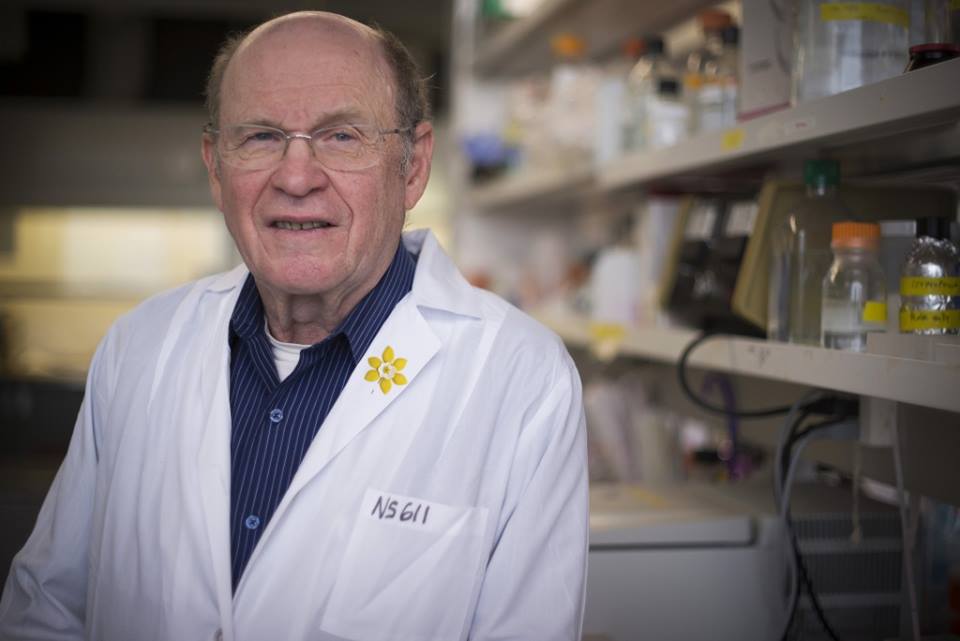
Metformin and Aberrant Insulin Signaling in a Fragile X Mouse Model
FRAXA-funded research is revealing how insulin signaling is altered in Fragile X and whether lowering it, including with metformin, could ease symptoms.
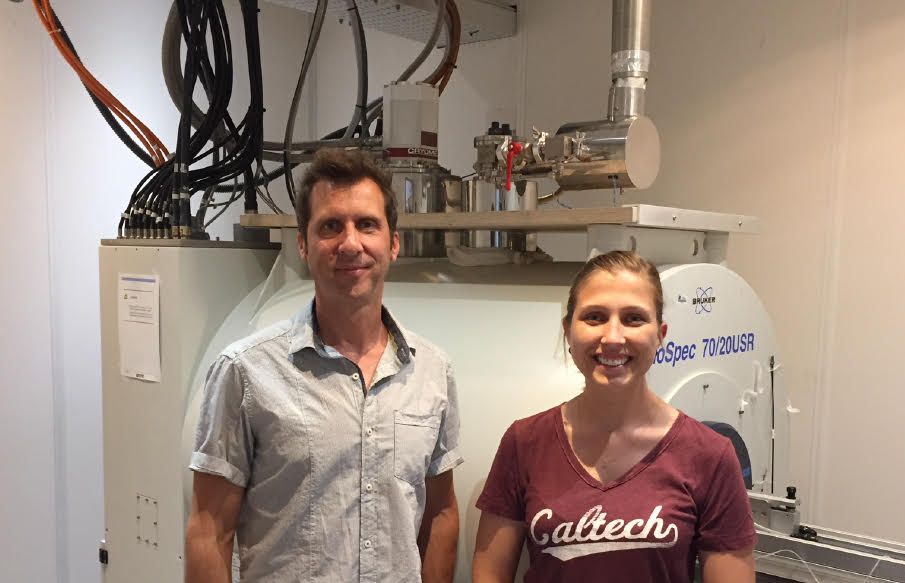
Non-Invasive Imaging as a Biomarker for Fragile X Clinical Trials
FRAXA funded MRI research to track brain connectivity changes in Fragile X. This could yield objective biomarkers for testing treatments in mice and humans.

Mega Green Tea Extract to Treat Fragile X?
FRAXA funded a clinical trial of EGCG (green tea extract) on cognitive function in adults with FXS. The team in Barcelona reported memory, attention, and mental flexibility improvements.
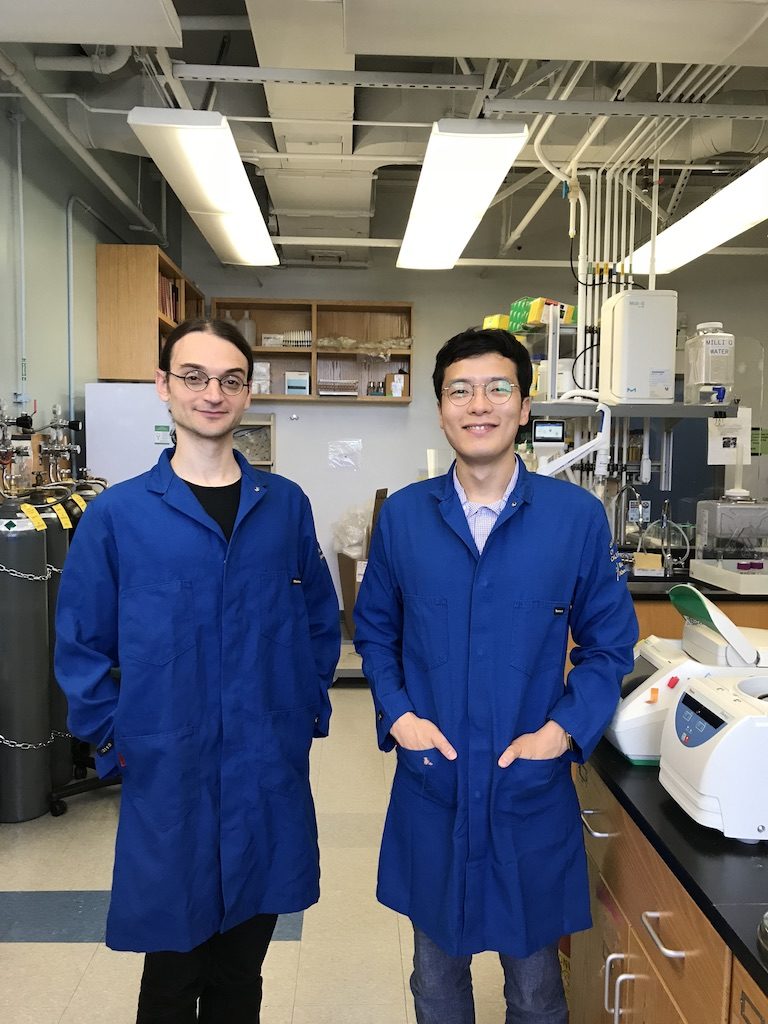
Activity-Dependent Translational Profiling in Fragile X Neurons
FRAXA funded new tools at UC Berkeley to track which proteins Fragile X neurons make during signaling, to find targets that improve learning and brain function.

Tetra Discovery Partners Initiates Phase 2 Trial of BPN14770 in Fragile X Syndrome
This 2-Period Crossover Study of BPN14770 is accepting adults males with Fragile X syndrome at Rush University Medical Center in Chicago. Principal Investigator of the study is Elizabeth Berry-Kravis, MD, PhD.
A selective inhibitor of the phosphodiesterase type-4D (PDE4D), BPN14770 has shown the ability to improve the quality of connections between neurons and to improve multiple behavioral outcomes in the Fragile X mouse model.

Aripiprazole as a Treatment for Fragile X Syndrome
Years ago FRAXA funded Dr. Craig Erickson to run a trial of aripiprazole (aka Abilify). FRAXA guest writer Hannah Miles recently caught up with Dr. Erickson to learn the results of the trial.

Study Examines Behavioral Traits of Fragile X Patients Without Autism
Patients with Fragile X syndrome who don’t meet the cut-off for a diagnosis of autism show a decrease in impulsivity and repetitive questioning over time, when compared with patients who do, a new study shows.

Meet Drew!
Meet #FriendofFRAXA Drew! If you would like to nominate someone as a #FriendofFRAXA, we welcome all who have been touched by Fragile X, including friends, grandparents, siblings, professionals and companions alike to become a #FriendofFRAXA with the goal of putting a face to Fragile X for those who may not know someone directly.

FRAXA Funded Researchers Present at MA Fragile X Conference
Boston Children’s Hospital hosted a Fragile X conference with FRAXA-funded researchers Dr. Craig Erickson & Dr. Carol Wilkinson presenting.
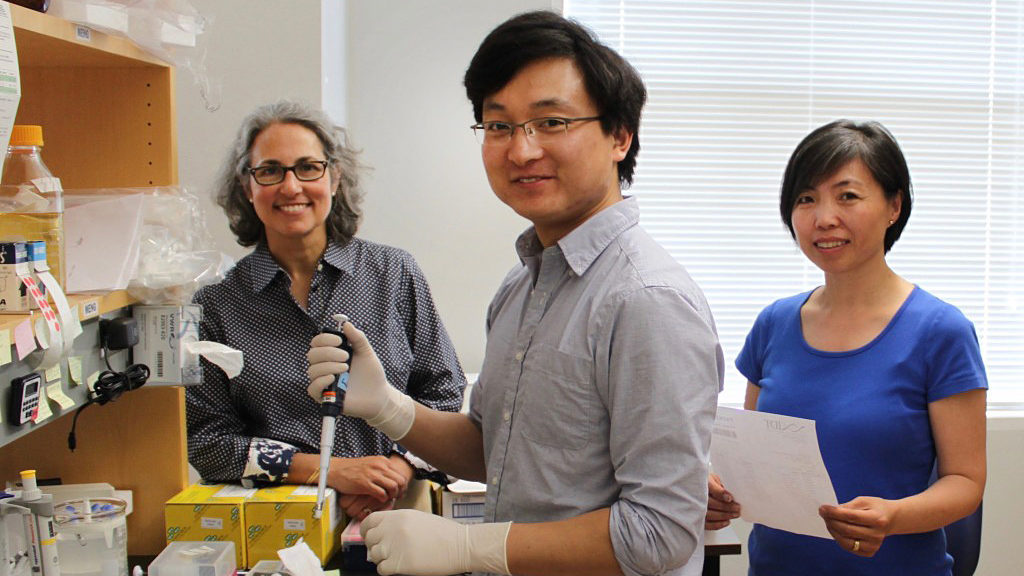
FRAXA Research Grants Drive Big Investments in Fragile X
FRAXA is working with hundreds of university labs and more than 30 pharmaceutical companies around the world. Dr. Michael Tranfaglia spends a lot of his time advising and collaborating with industry partners.

Coming Full Circle – Kathy May Returns back to FRAXA
After 20 years, FRAXA co-founder Kathy May returns, saying, “There will be a cure. FRAXA is the reason for this hope.”
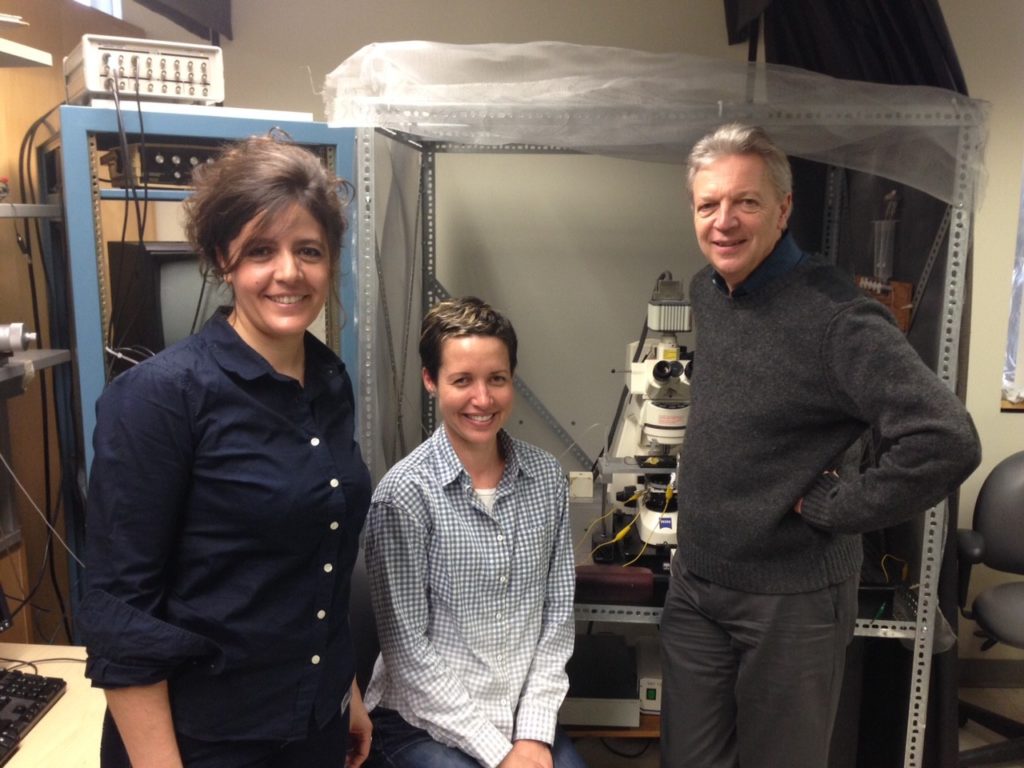
Newly Discovered Regulatory Pathways in Fragile X
Studies at Yale University and elsewhere show FMRP plays a significant role in regulation of potassium channels. Potassium channel opener drugs could rescue some symptoms of Fragile X.
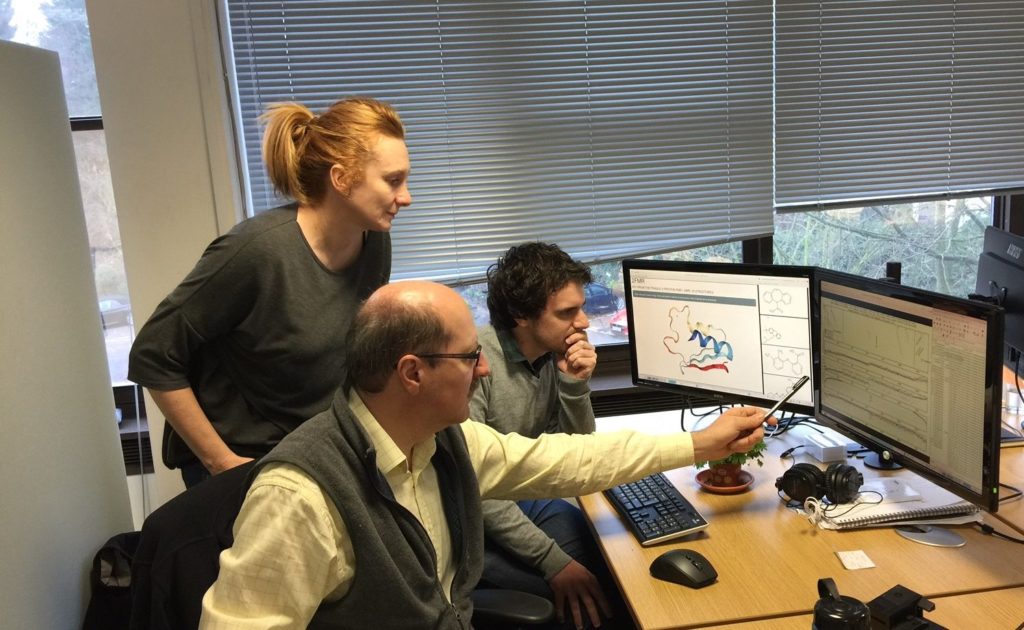
Drug Repurposing Study Results Accelerate Progress Towards Fragile X Treatments
Drug repurposing leverages the detailed information available on approved drugs and reduces the time and money needed to deliver safe “new” treatments, with greater success rates and quicker impact.
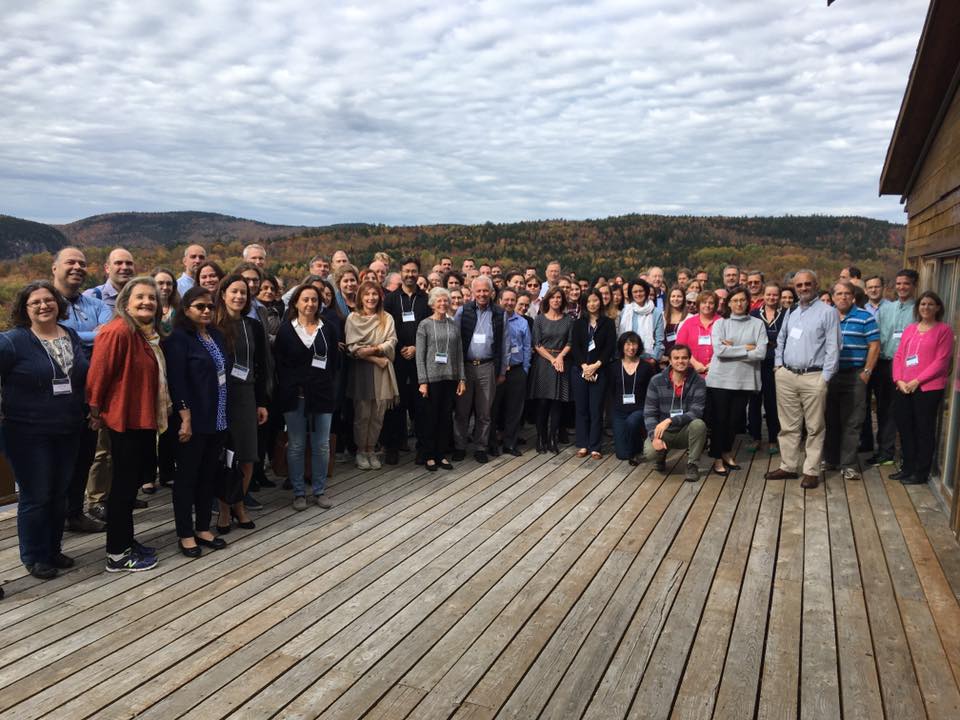
In Their Own Words: Reports From the International Fragile X Workshop
The 18th International Fragile X Workshop in Quebec was a great success, featuring more Fragile X research than ever before!
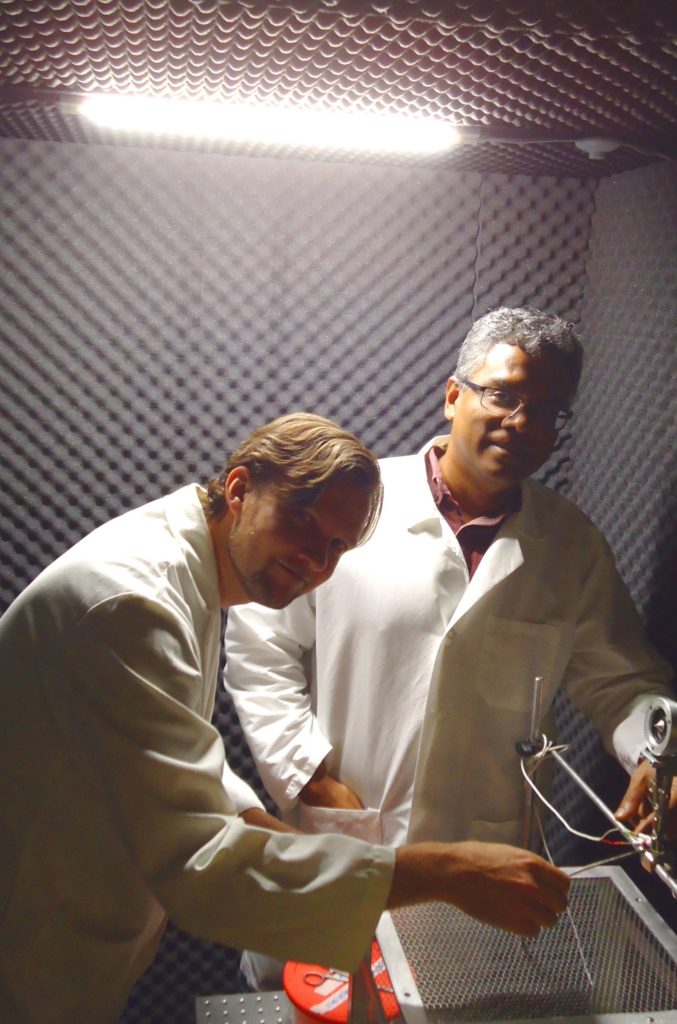
Combinatorial Drug Treatment in a Model of Fragile X Syndrome using Novel Biomarkers
University of California researchers Khaleel Razak, PhD, and Jonathan W. Lovelace, PhD, explored drug combinations to limit hypersensitivity to sounds in Fragile X mice.
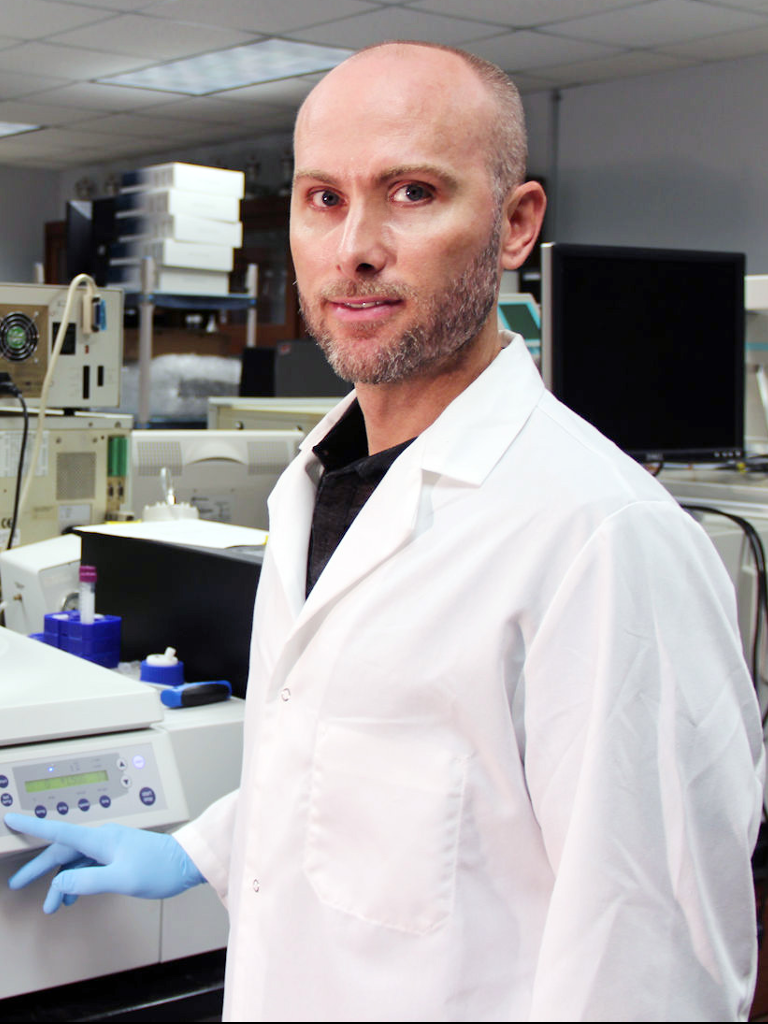
Quantitative Assessment of the Serotonin System in a Mouse Model of Fragile X Syndrome
FRAXA funded Dr. Canal to investigate how different serotonin receptors function in Fragile X, to guide smarter use of serotonin-targeting treatments.
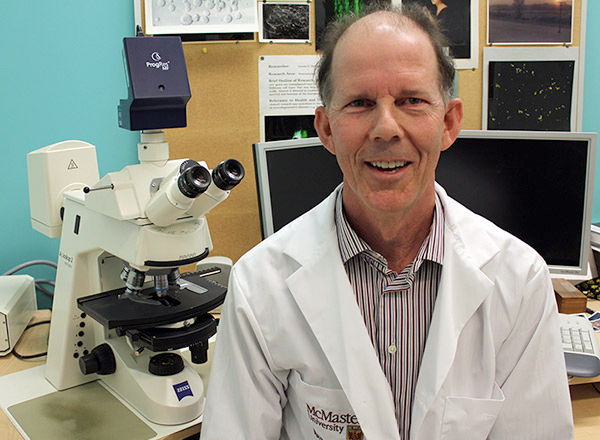
Correcting Defects in Astrocyte Signaling in Fragile X Syndrome
Astrocytes, brain cells which support neurons, do not transmit signals. Fragile X treatment strategies have been proposed based on correction of “astrocyte phenotypes”.

Altered Neural Excitability and Chronic Anxiety in a Mouse Model of Fragile X
With a $35,000 grant from FRAXA, Dr. Peter Vanderklish at Scripps Research Institute, and colleagues, explored the basis of anxiety in Fragile X syndrome.
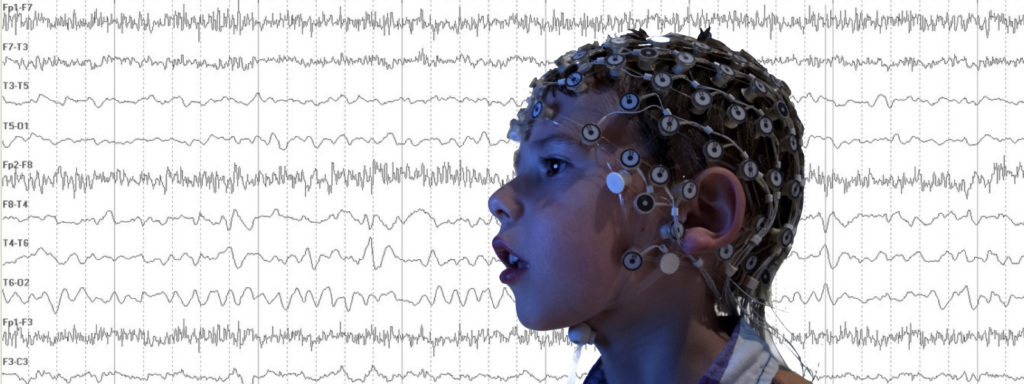
Neural Markers of Fragile X: A Powerful New Tool for Clinical Trials
Once a neural marker is identified for a particular challenge, it can be measured during drug and behavioral therapy trials to see if a child is improving based on objective biological measures.
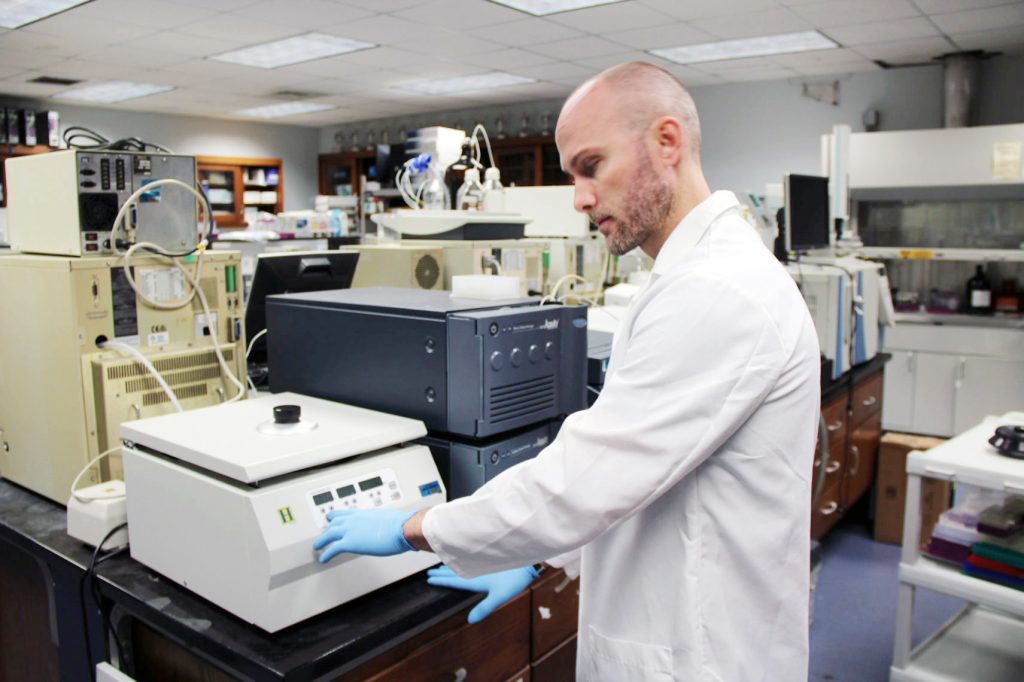
Targeting Serotonin Receptors to Treat Behavioral and Psychological Symptoms
Dr. Clinton Canal targets serotonin receptors to correct brain signaling in Fragile X, guiding drug discovery and repurposing of therapies for anxiety, seizures, and behavior.

Metformin, Diabetes Drug, Potential Fragile X Treatment
Dr. Nahum Sonenberg’s research showed the diabetes drug metformin can correct key signaling defects in Fragile X, leading to clinical trials of this safe, repurposed therapy.

PIKE as a Central Regulator of Synaptic Dysfunction in Fragile X Syndrome
With $255,000 from FRAXA Research Foundation, Dr. Suzanne Zukin at Albert Einstein College of Medicine studied signalling pathways in Fragile X syndrome.
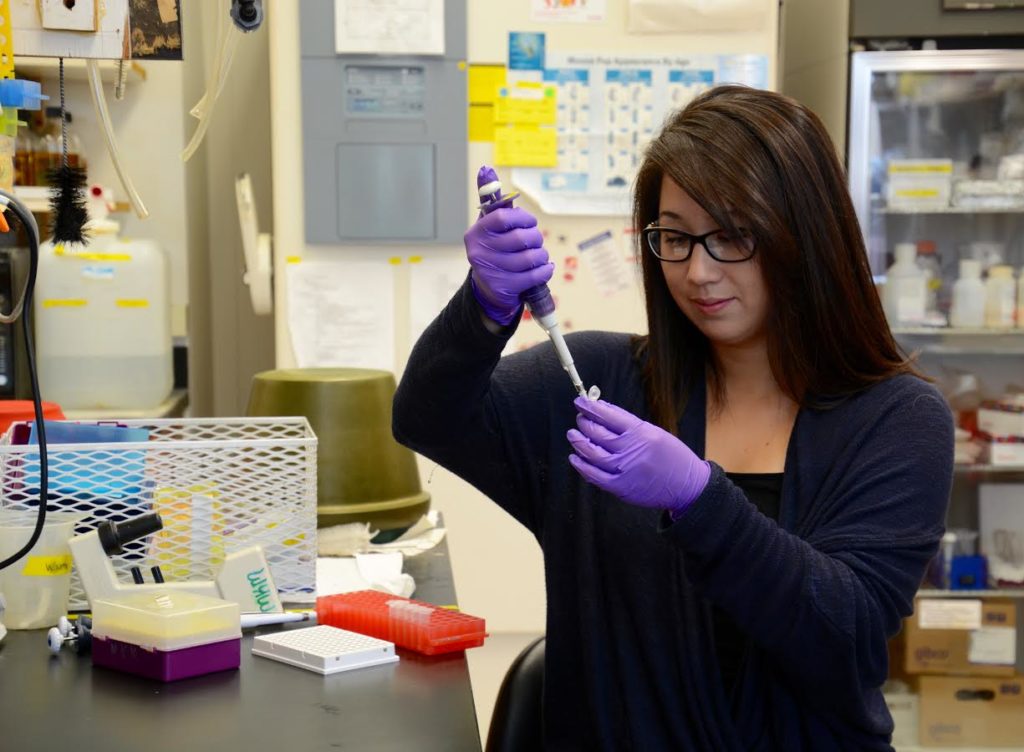
Trial and No Error: Better Outcomes for Clinical Trials in Fragile X Syndrome
The team investigated a potential microRNA blood-based biomarker that can be used as a clinical outcome measure for Fragile X syndrome.