
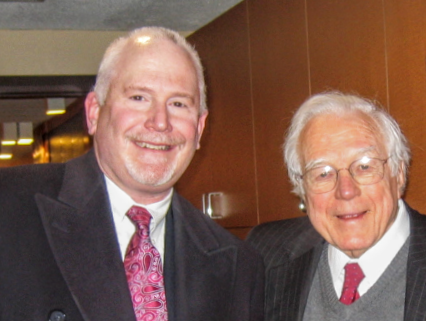
Fragile X Awareness Day Origins and a Tribute
Did you know? National Fragile X Awareness Day began in 2000, thanks to FRAXA and advocate David Busby’s work in Washington, DC.

FRAXA Wins Award for Drug Repurposing
Cures Within Reach has awarded FRAXA Research Foundation the 2017 Golan Christie Taglia Patient Impact Philanthropy Award for efforts to find treatments for Fragile X syndrome.
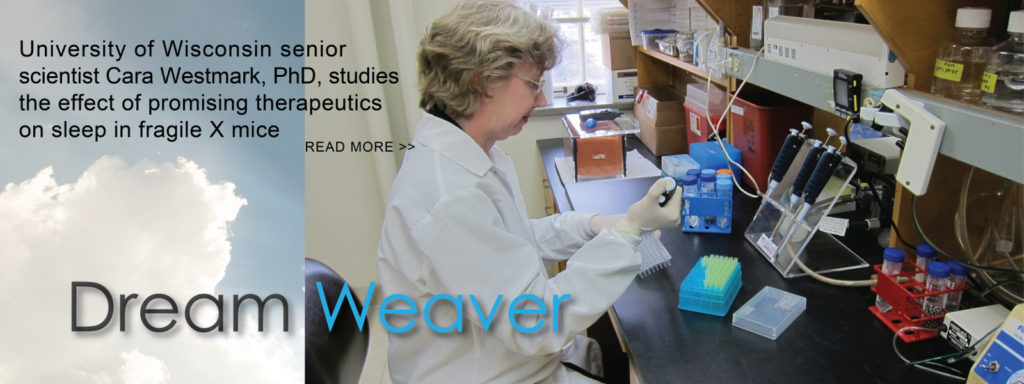
Preclinical Testing of Sleep-Wake Patterns as an Outcome Measure for Fragile X
FRAXA Research Foundation awarded $122,000 to Dr. Cara Westmark at the University of Wisconsin at Madison for studies of sleep disorders in Fragile X syndrome.

Metformin, Diabetes Drug, Potential Fragile X Treatment
Dr. Nahum Sonenberg’s research showed the diabetes drug metformin can correct key signaling defects in Fragile X, leading to clinical trials of this safe, repurposed therapy.
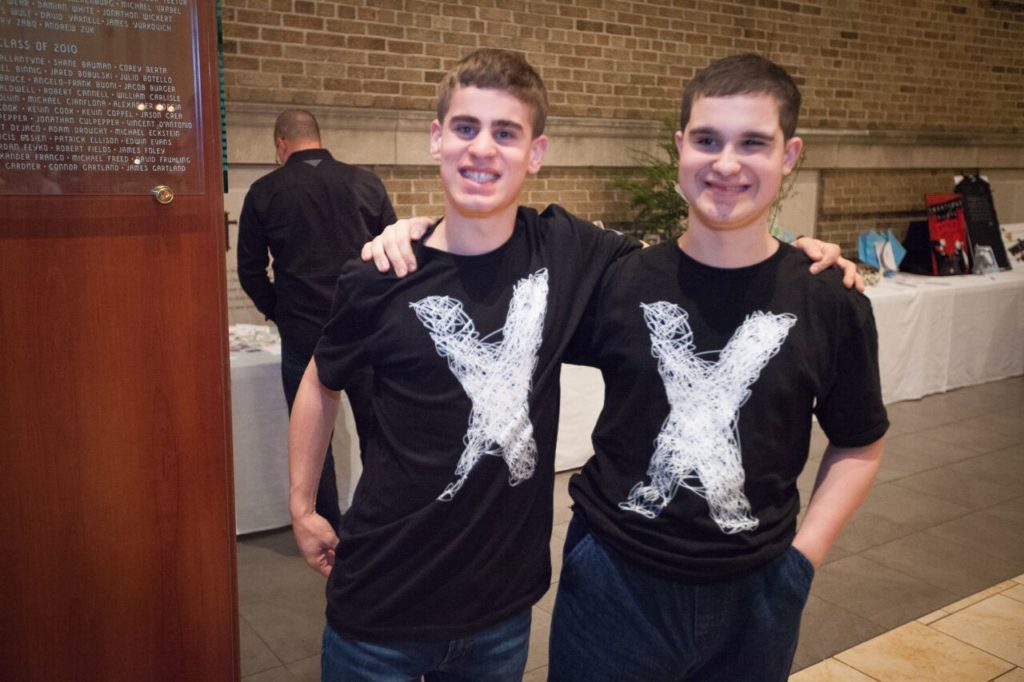
Genes and Gems Fundraiser raises $40,000 for Fragile X Research
Over 300 guests joined the Genes & Gems fundraiser in Columbus, raising funds for FRAXA and hearing from Dr. Craig Erickson of Cincinnati Children’s.
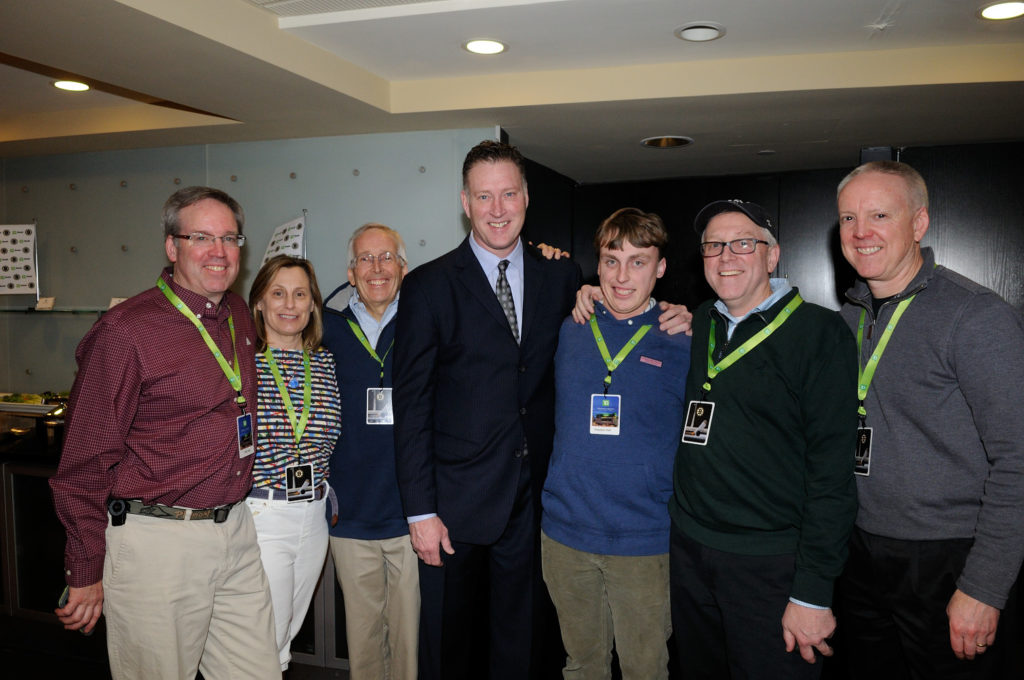
TD Bank invites Friends of FRAXA to Watch the Bruins
Fifty friends of FRAXA enjoyed a Bruins game at TD Garden, uniting Boston’s Fragile X community—thanks to TD Bank’s generous support!

Callum Cup 2017 Raised over $9200 for Fragile X Research
Millburn United’s Callum Cup raised $9K+ for FRAXA, honoring Callum Murphy. Huge thanks to Andrew Murphy, Nick Dawes & all donors!

Fragile X Nervous (System) Breakdown
Dr. Lynn Maquat’s research shows Fragile X disrupts neuron maturation and RNA regulation, impairing brain signaling—pointing to new targets like NMD for drug development.
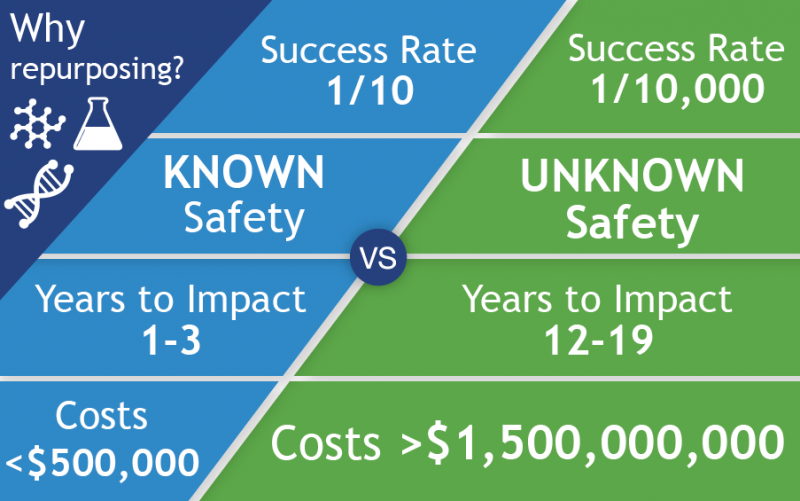
Repurposing Available Drugs to Treat Fragile X Syndrome – FRAXA Initiatives
FRAXA is identifying existing, approved drugs that could be repurposed for Fragile X, allowing potential treatments to move faster and at lower risk than starting from scratch.

Fragile X Research Tackles High Anxiety – Peter Vanderklish
Peter Vanderklish studies the brain circuits driving severe anxiety in Fragile X, identifying targets in stress pathways to develop treatments that reduce anxiety and improve daily life.

PIKE as a Central Regulator of Synaptic Dysfunction in Fragile X Syndrome
With $255,000 from FRAXA Research Foundation, Dr. Suzanne Zukin at Albert Einstein College of Medicine studied signalling pathways in Fragile X syndrome.
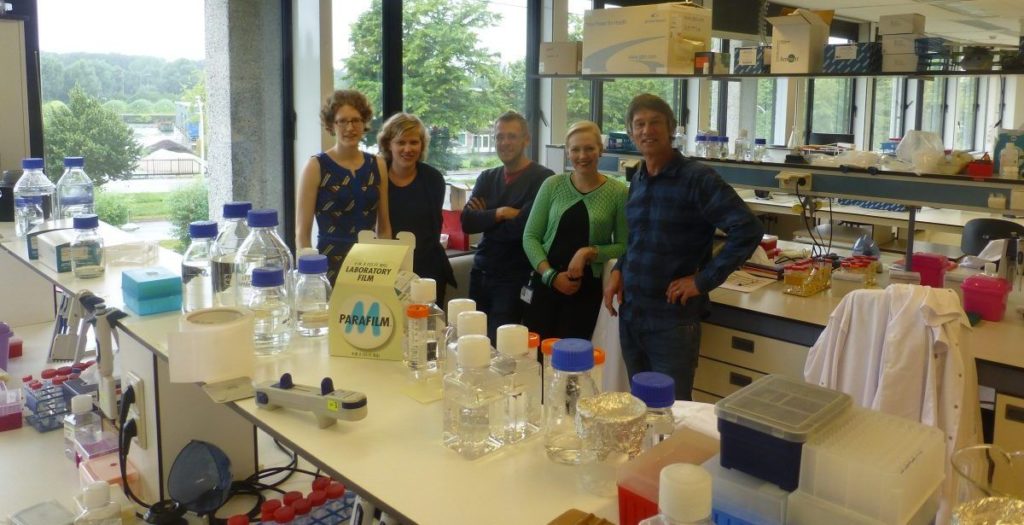
A Kinase Assay as a Biomarker for Fragile X Syndrome
Dr. Frank Kooy at the University of Antwerp investigated whether phosphorylation abnormalities are a suitable biomarker for clinical trials in Fragile X syndrome.

University of Cambridge Startup Healx is Rapidly Identifying Existing Drugs to Help Fragile X Patients
FRAXA awarded $44,000 to Healx for drug repurposing to find new treatments for Fragile X syndrome. The results include eight top "hits" which show promise for Fragile X.
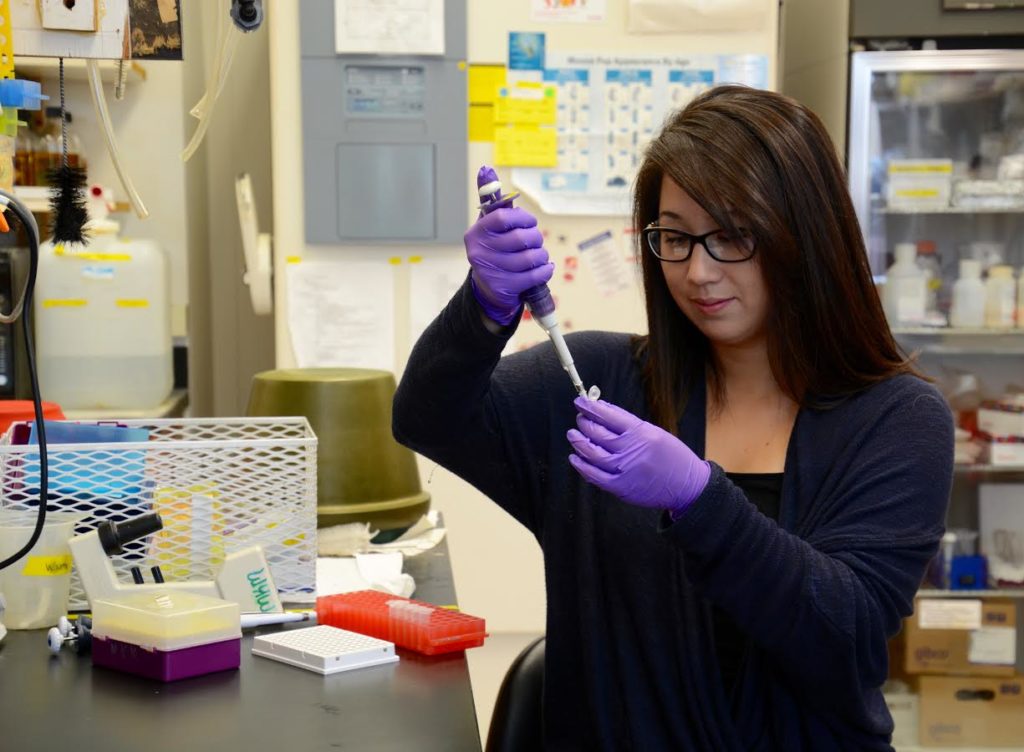
Trial and No Error: Better Outcomes for Clinical Trials in Fragile X Syndrome
The team investigated a potential microRNA blood-based biomarker that can be used as a clinical outcome measure for Fragile X syndrome.
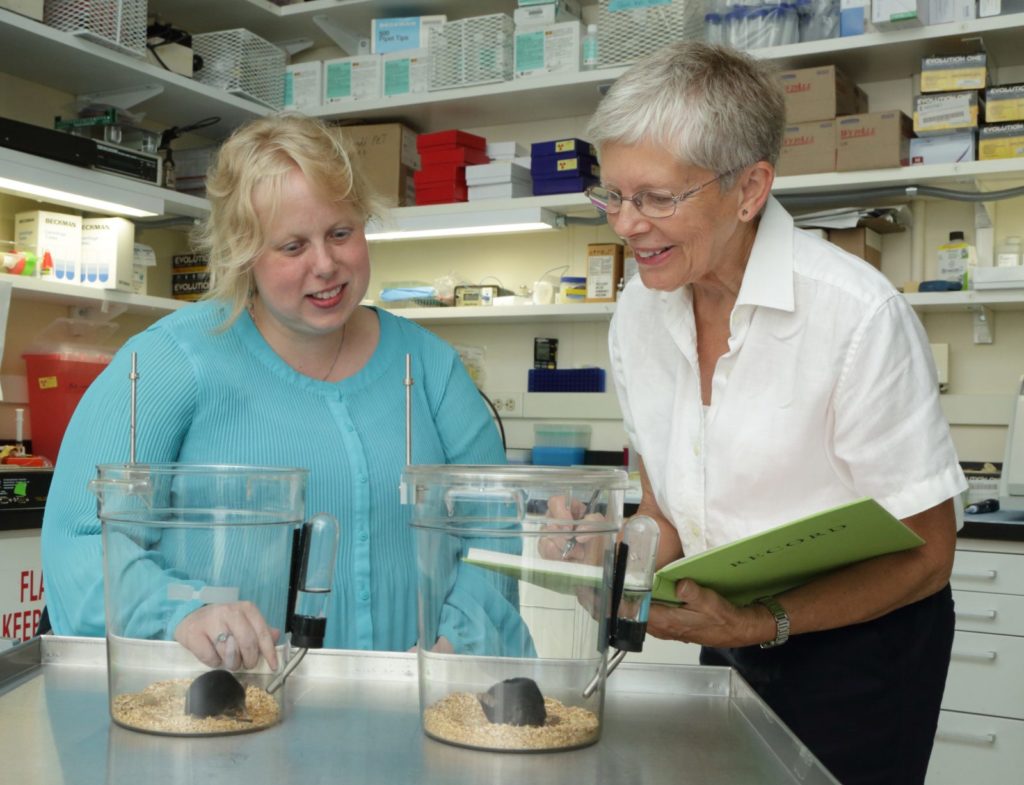
NIH Investigator Carolyn Beebe Smith, PhD, Looks to Improve Sleep in Fragile X Syndrome
Carolyn Beebe Smith studies sleep disruptions in Fragile X and tests whether improving sleep with existing drugs can reduce symptoms and enhance behavior.

The New York Times, “Medical Charities Once Advised on Coping With a Disease. Now They Try to Cure It”
Propelled by genome sequencing and social media, thousands of charities have sprung up to finance, coordinate and oversee research for cures. Katie Clapp and her son, Andy, who has Fragile X, a disease that causes intellectual disability, with a therapy horse at Gateway Farm in Merrimac, Mass. Ms. Clapp helped form a group that has spent millions on research for a cure.
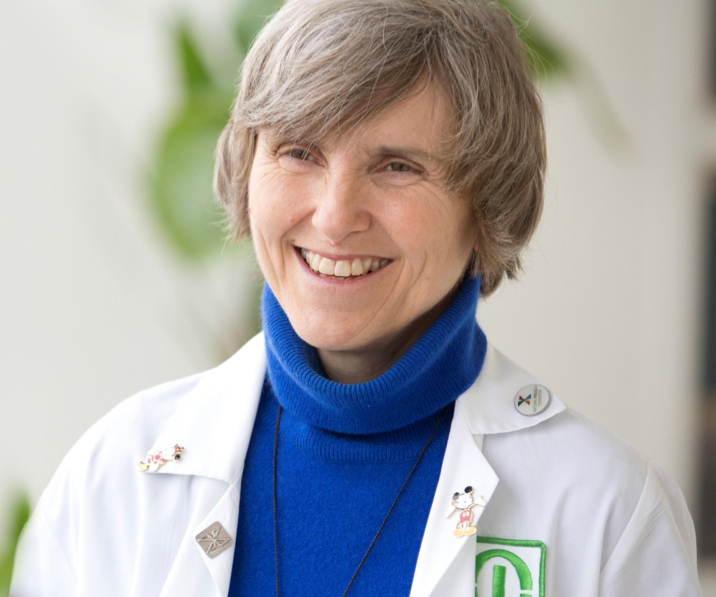
New Fragile X Clinical Trial for Children Launching in June 2017
Elizabeth M. Berry-Kravis, MD, PhD, has launched a large-scale clinical trial to study effects of AFQ056, an mGluR5 blocker, on learning in young children with Fragile X syndrome.
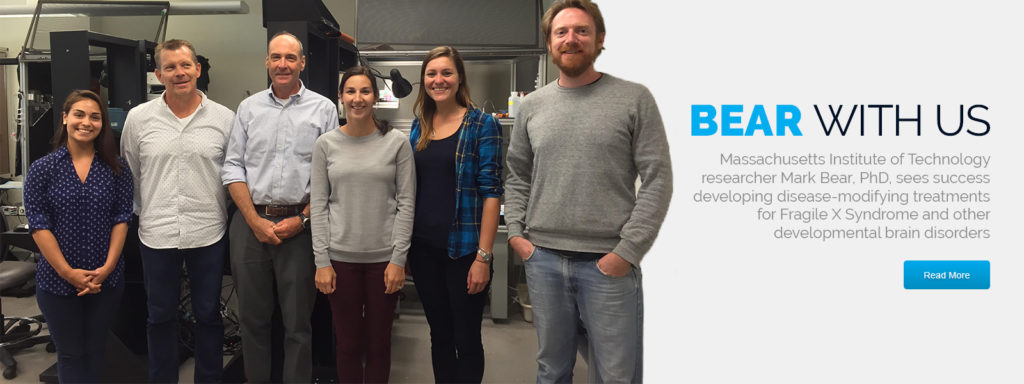
Mark Bear’s Goal: Disease-Modifying Treatments for Fragile X
Mark Bear pioneered the mGluR theory of Fragile X, linking excess protein synthesis to symptoms and driving development of disease-modifying treatments now tested in clinical trials.
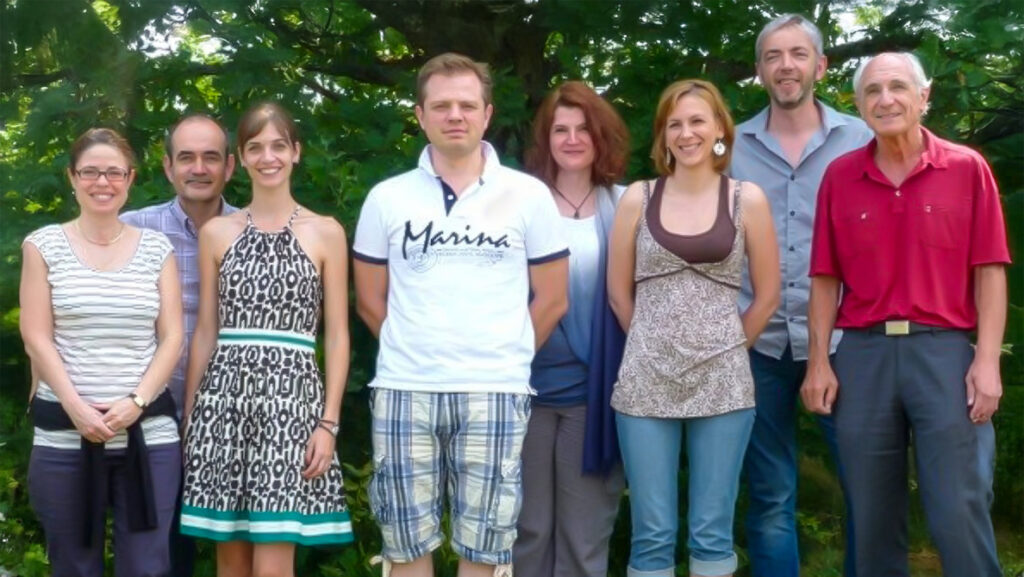
Sensory Hypersensibility in Fragile X Syndrome and BK Channel Openers
With $366,100 in FRAXA funding, researchers tested BK channel–opening drugs to fix sensory abnormalities in Fragile X mice; early results showed broad behavioral rescue.

Fragile X Mutant Mouse Models
With $375,000 in grants from FRAXA, Dr. David Nelson developed an array of advanced mouse models of Fragile X. These models are available at Jackson Labs (JAX).
Repurposing Drugs to Dampen Hyperactive Nonsense-Mediated Decay in Fragile X Syndrome
FRAXA-funded research showed nonsense-mediated mRNA decay is overactive in Fragile X, pointing to existing NMD-suppressing drugs like caffeine as potential treatments.
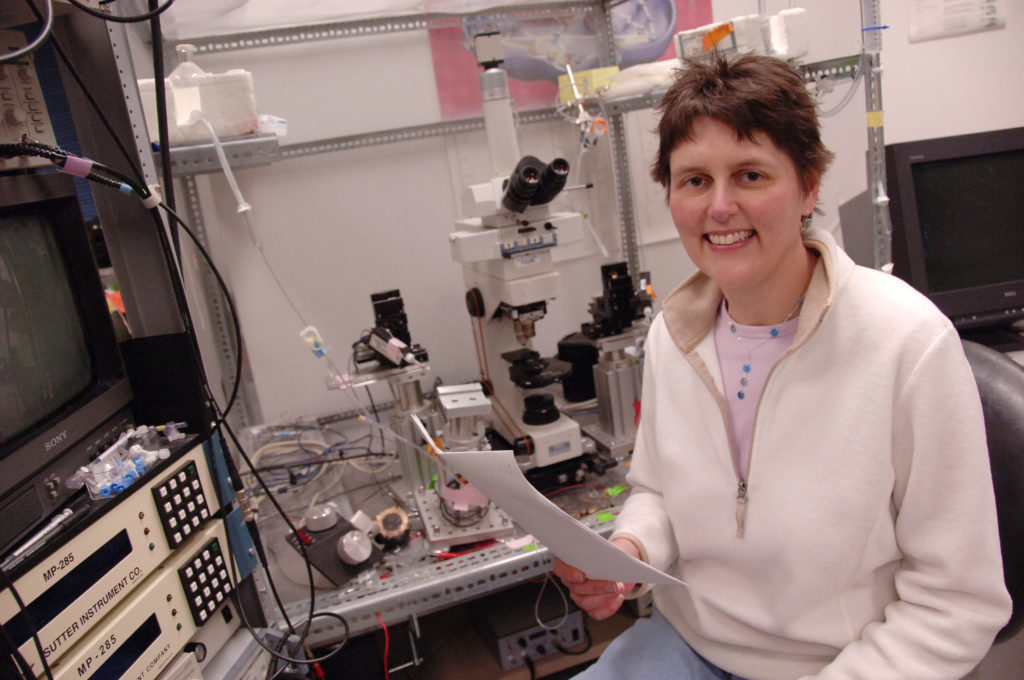
Kimberly Huber, PhD, Explores Hyperexcitability in Fragile X Syndrome
What causes hyperexcitability? Dr. Kimberly Huber seeks to understand how FMRP regulates connections between brain cells and the function of brain circuits.
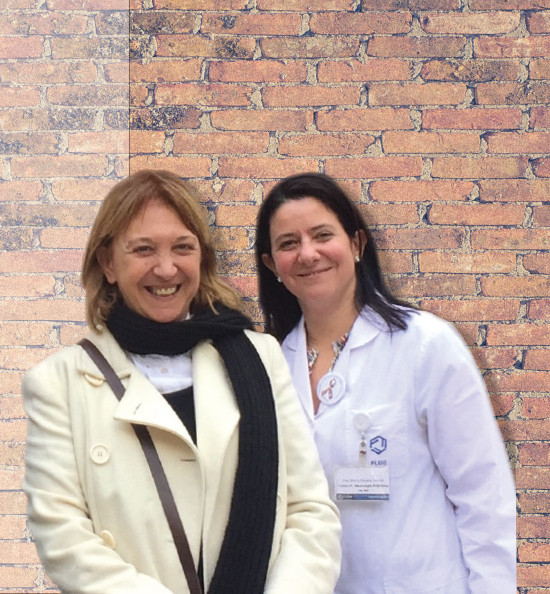
Identifying Biomarkers for Fragile X Syndrome – A Study in Argentina
FRAXA funds biomarker research to develop objective, biological measures of Fragile X, helping predict treatment response, guide trials, and move therapies toward FDA approval.

Rolling Stone Magazine: Luke’s Best Chance: One Man’s Fight for His Autistic Son
Rolling Stone’s Paul Solotaroff shares his son Luke’s Fragile X journey, exploring what adulthood looks like for families like ours.