

Fulcrum Therapeutics Launched with $55 Million to Reactivate the Fragile X Gene
Fulcrum Therapeutics in Cambridge, MA, aimed to develop small molecules to control gene expression. starting with with two diseases: Fragile X syndrome and a rare form of muscular dystrophy.
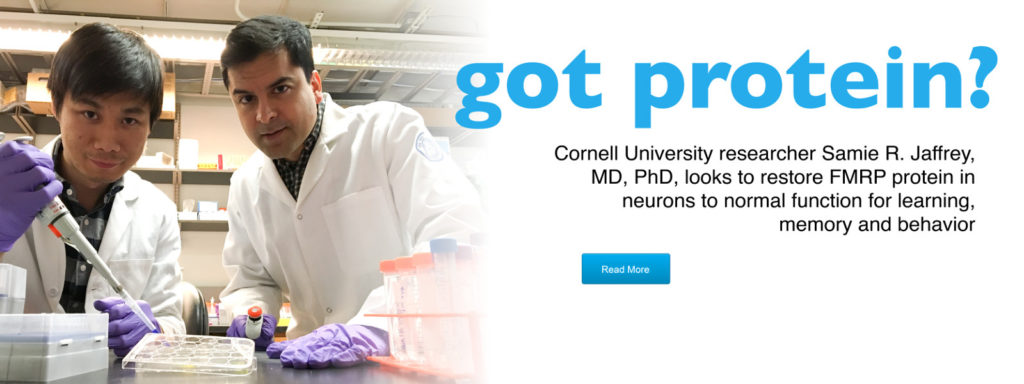
Cornell University Researcher Looks to Restore Fragile X Protein in Neurons
Cornell researcher Samie Jaffrey is developing ways to restore FMRP in specific brain cells, defining how much, where, and how the protein must be expressed to reverse Fragile X.
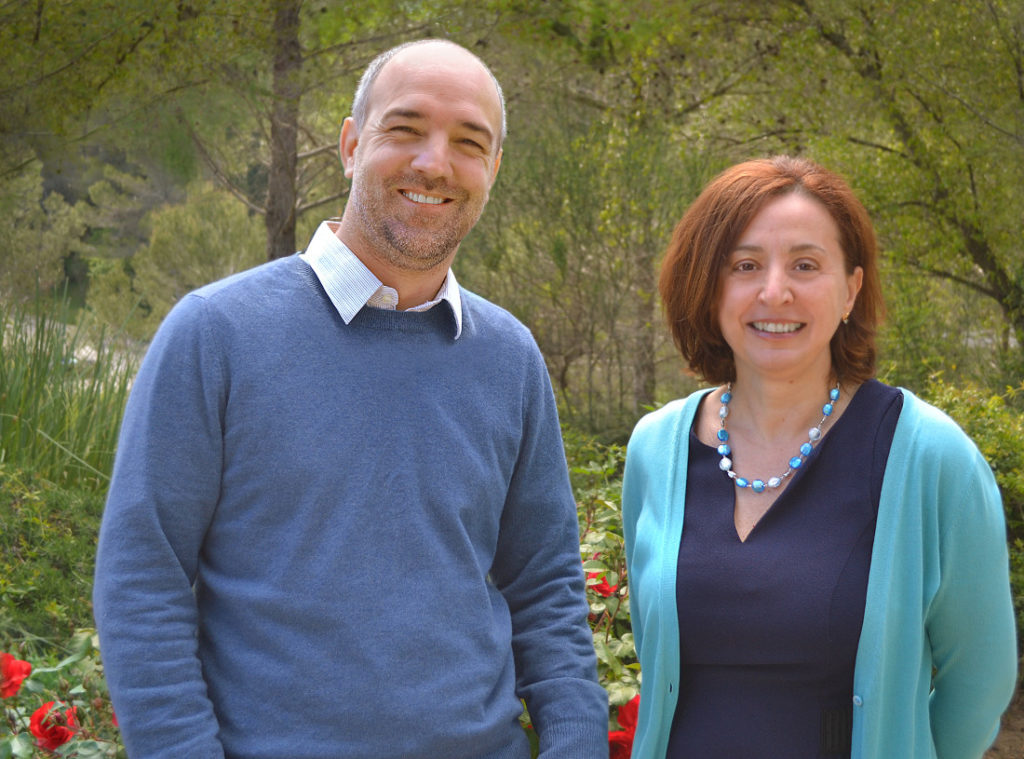
Brain Revolution: French Scientists Bardoni and Maurin Study FMRP
Bardoni and Maurin study how FMRP interacts with other molecules in the brain, identifying targets and signaling pathways that could lead to new drug therapies for Fragile X.
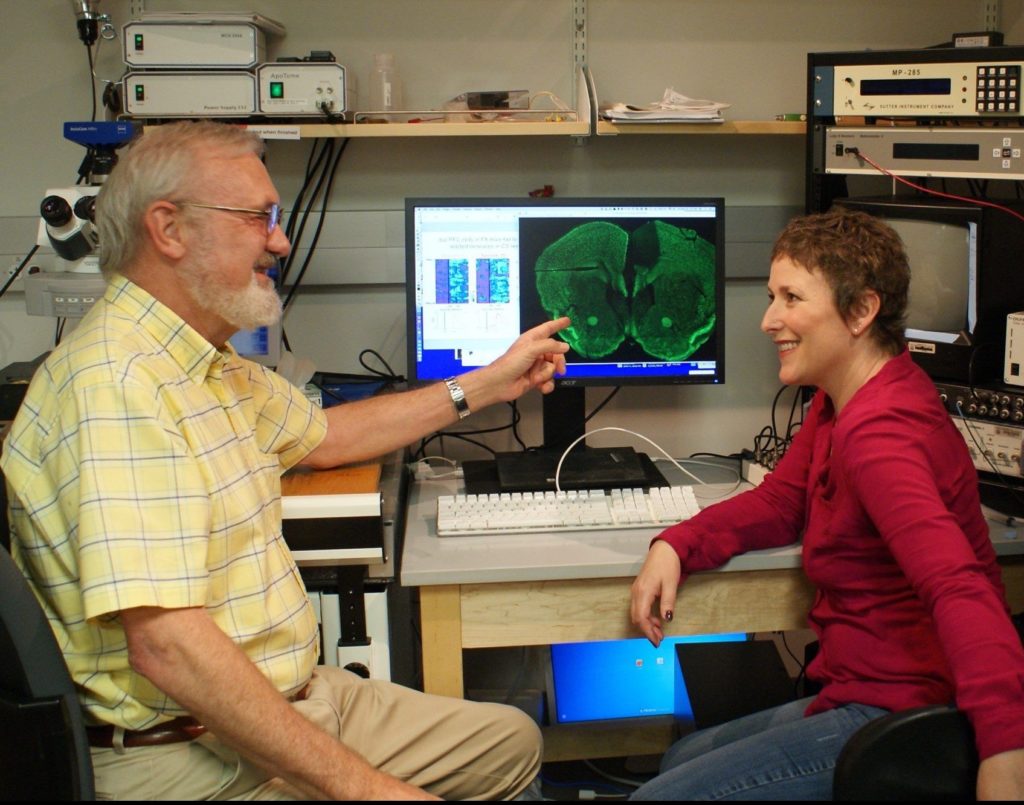
Memory Lane: New Research to Improve Memory in Fragile X Mice
University of Texas at Austin Researchers Daniel Johnston, PhD, and Jennifer J. Siegel, PhD, explore ways to Iimprove memory in Fragile X mice.

Achieving Predictability: Developing Biomarkers for Fragile X Patients
FRAXA funds biomarker research to identify objective, measurable signals of Fragile X, helping predict who will respond to treatments and improving clinical trial success.
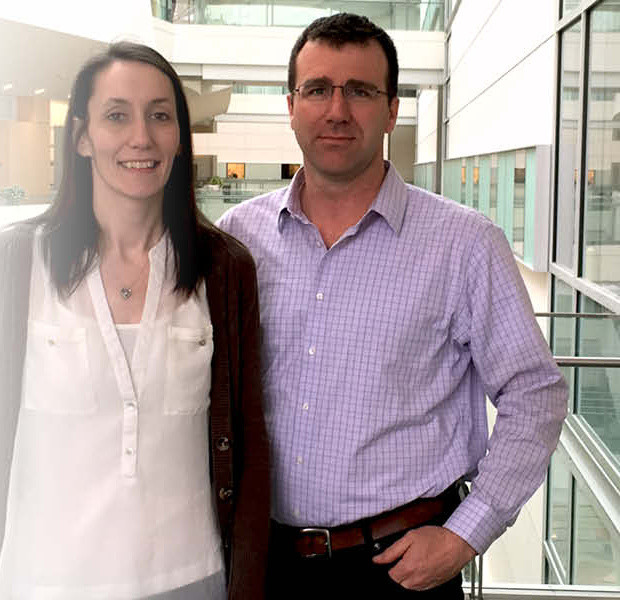
University of Michigan researcher Peter Todd, MD, PhD, Aims to Selectively Turn the Fragile X Gene Back on in Human Cells
University of Michigan scientists Peter Todd, MD, PhD, and postdoctoral fellow Jill Haenfler, Ph.D., are adapting CRISPR to reactivate the FMR1 gene to reverse Fragile X syndrome.
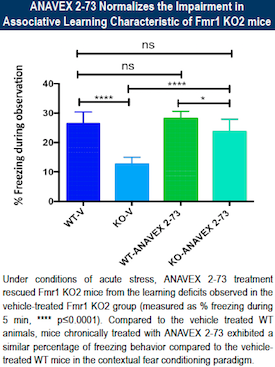
New compound from Anavex Improves Learning and Behavior in Fragile X Mice
The investigational drug Anavex 2-73 was able to improve intellectual, learning and hyperactivity measures in a mouse model of Fragile X syndrome. This is a sigma-1 receptor agonist.
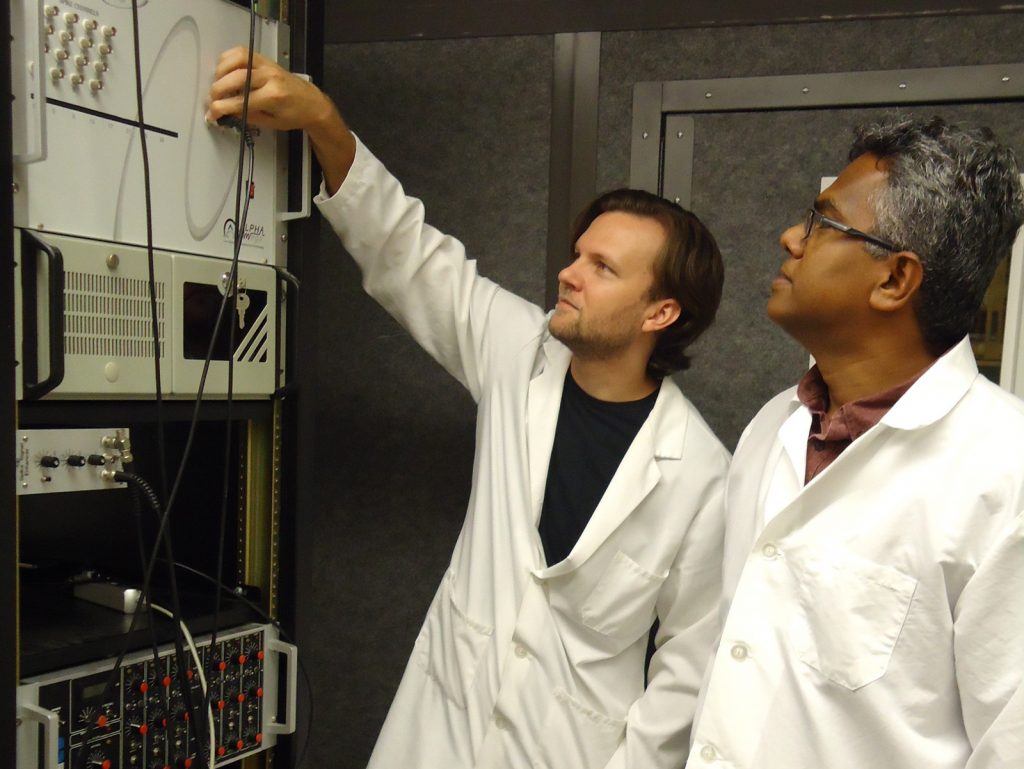
Meltdown no more? Targeting Hypersensitivity in Fragile X
Meet Khaleel Razak, PhD, and Jonathan W. Lovelace, PhD, FRAXA-funded researchers at University of California, Riverside who are tackling Fragile X.
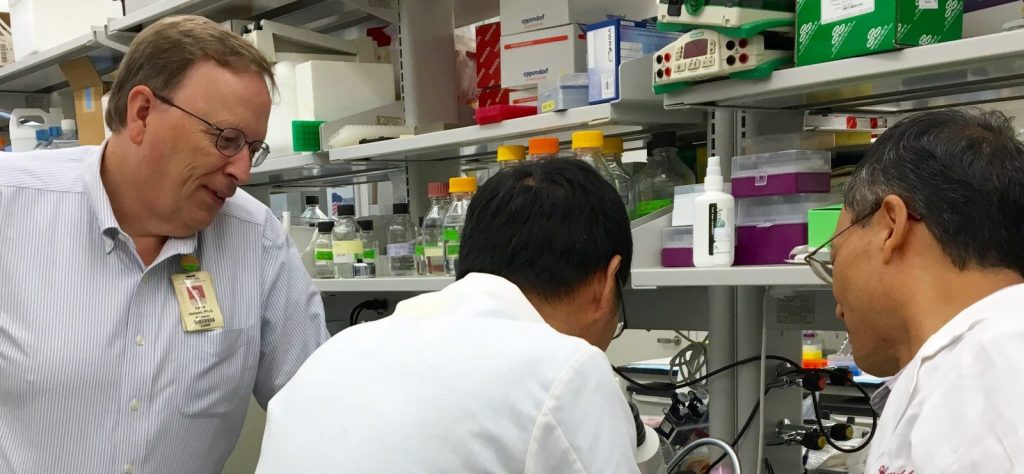
Researcher David Nelson, PhD, Explores New Cell Strategies for Fragile X Syndrome, FXTAS and FXPOI
David Nelson co-discovered the FMR1 mutation which causes Fragile X syndrome and developed key mouse models, enabling global research aimed at finding treatments for the disorder.
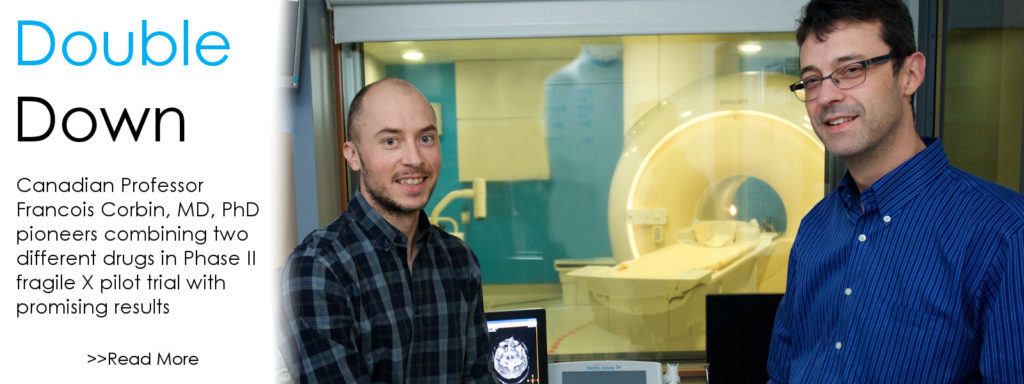
Double Down: Fragile X Clinical Trial Combines Two Available Drugs
FRAXA funded a trial combining lovastatin and minocycline to test whether targeting multiple pathways can improve brain activity and behavior in Fragile X.

The X Factor – Turning on X Chromosome Genes to Treat X-linked Disorders
Harvard researcher Jeannie T. Lee, MD, PhD, moves closer to turning on select genes on the X chromosome to treat people with X-linked disorders.
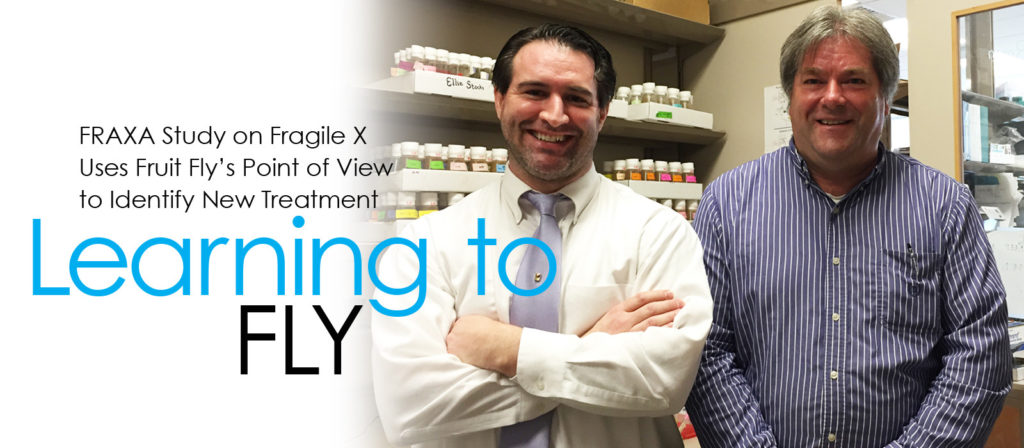
Fragile X Fruit Fly Research Bears Fruit
A FRAXA-funded study shows how the hormone insulin – usually associated with diabetes — is involved in daily activity patterns and learning deficits in the fruit fly model of Fragile X Syndrome.

Fragile X Cure One Step Closer with FRAXA Support of $1 Million in New Research
4 Countries – 10 Teams – $1 Million for finding treatment targets, pinpointing outcome measures for clinical trials, and attempting to reactivate the gene which is silenced in Fragile X syndrome.
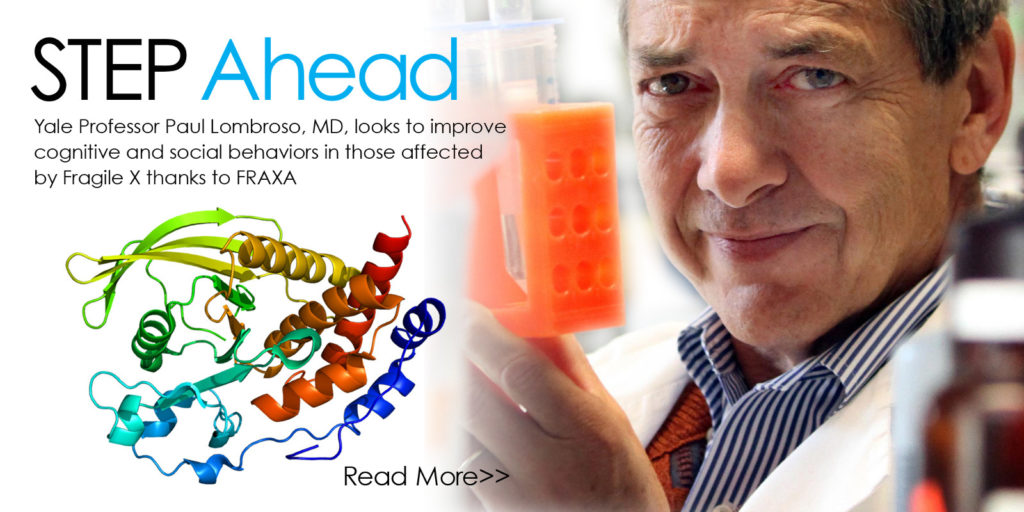
Can STEP Inhibitors Treat Fragile X Syndrome? Yale Professor Investigates
Yale Professor Paul Lombroso, MD, is testing STEP inhibitors to improve cognitive and social behaviors in those affected by Fragile X syndrome.

Abnormalities of Synaptic Plasticity in the Fragile X Amygdala
With FRAXA funding, Dr. Sumantra Chattarji at NCBS explored how Fragile X alters amygdala function. Results were published.
Resources for Families: Fragile X – A to Z and Medication Guide
FRAXA welcomed intern Emily Fluet from the University of St. Andrews, who transformed our Fragile X A–Z and Medication Guide into online resources!
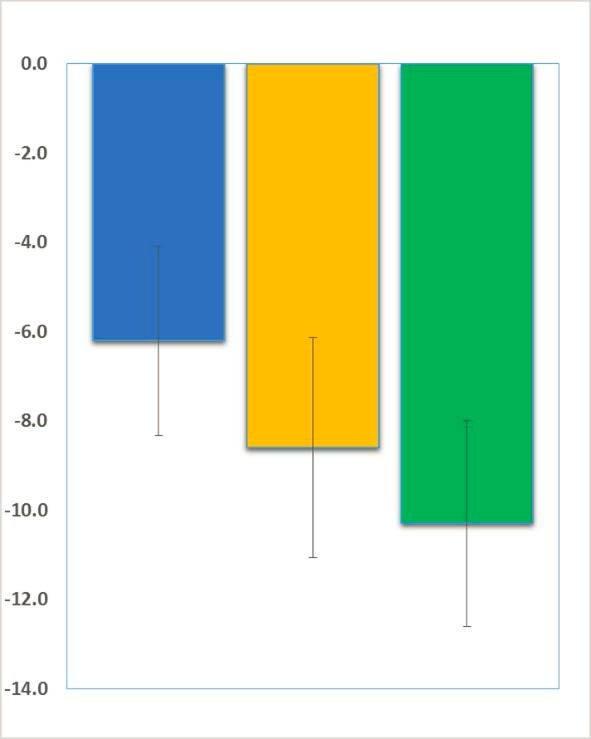
Neuren’s Tofinetide Successful in Phase 2 Clinical Trial in Fragile X
In this initial trial with a relatively short treatment period, trofinetide was very well tolerated, with the high dose (70 mg/kg twice daily) demonstrating a consistent pattern of clinical improvement.
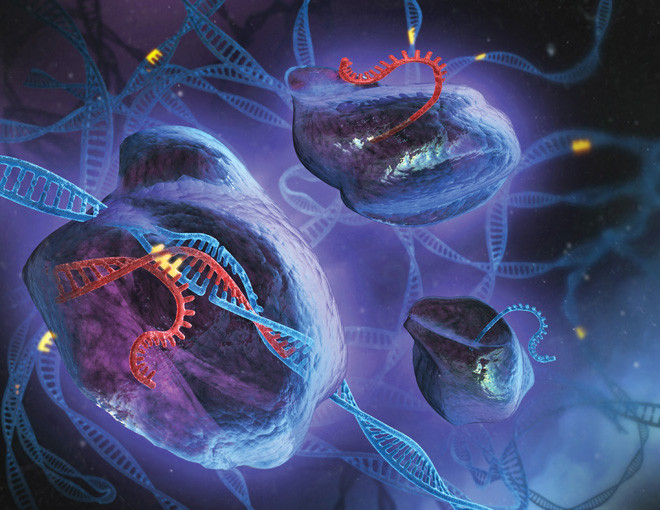
CRISPR – Does it hold promise for Treatment of Fragile X Syndrome?
CRISPR offers the tantalizing possibility of “editing” genes precisely, and it could (theoretically) excise the methylated trinucleotide repeat sequence from Fragile X cells, returning them to normal.

FRAXADev – Developing BK Channel Openers for Fragile X Syndrome
FRAXADev is an initiative in France not connected with FRAXA Research Foundation. The name is coincidental. FRAXADev seeks to develop a new kind of drug for Fragile X.

Targeting AMP-Activated Protein Kinase Pathway in Fragile X Syndrome
With this grant from FRAXA, Dr. Peter Vanderklish explored AMPK activators to treat Fragile X. Both metformin and resveratrol, found in red wine, are AMPK activators.
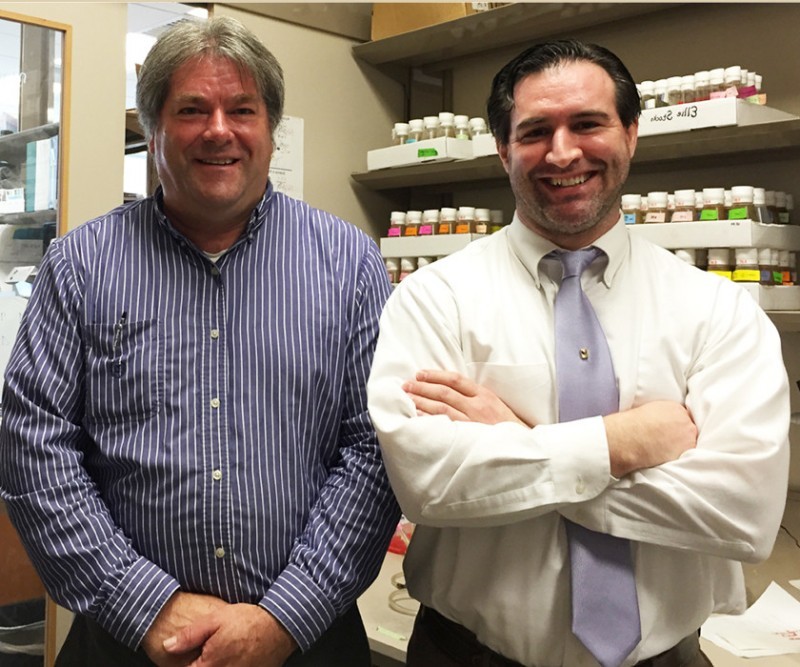
Fruit Flies to Model and Test Fragile X Treatments
Boosting cAMP signaling restores memory and fixes brain-signaling defects in Fragile X models, suggesting diabetes drugs like metformin may help.
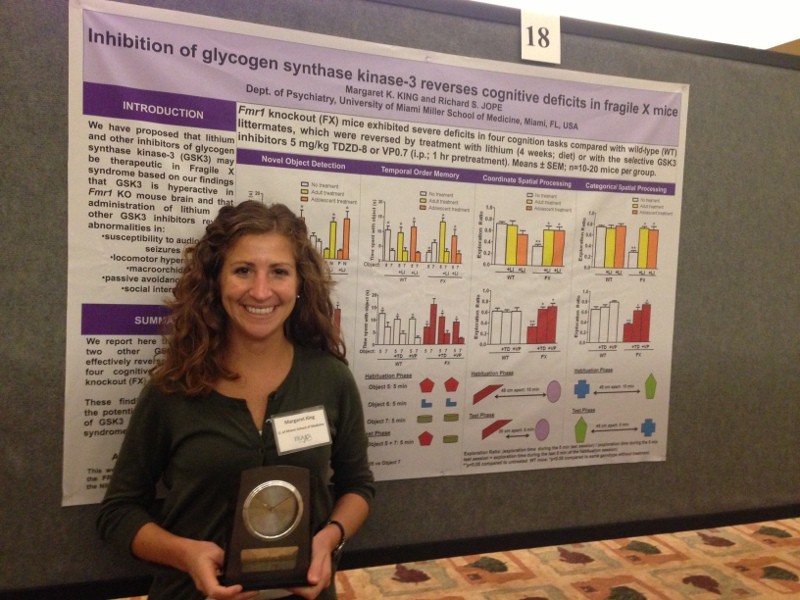
Analysis of Developmental Brain Dysfunction in Families
No strong behavioral similarities were found between parents and children with Fragile X, indicating family history may not guide clinical trial recruitment.

Crossroads of Fragile X and Alzheimers Research
Researchers at VIB Leuven in Belgium published evidence that a brain pathway involving the protein APP (Amyloid Precursor Protein) plays a vital role in development of Fragile X syndrome.

Fragile X: Past, Present, Future – Video
Michael Tranfaglia, MD, FRAXA Medical Director discussed how research has brought us to the point of clinical trials, the problems encountered in recent trials, and where we go from here.