
Kathan Pierce Honored as a New England Patriots Difference Maker
FRAXA Board Member Kathan Pierce was honored by the Patriots & Robert Kraft for her volunteerism. The team also awarded FRAXA a $5K grant!
Novel Modulators of Potassium Channels to Treat Fragile X
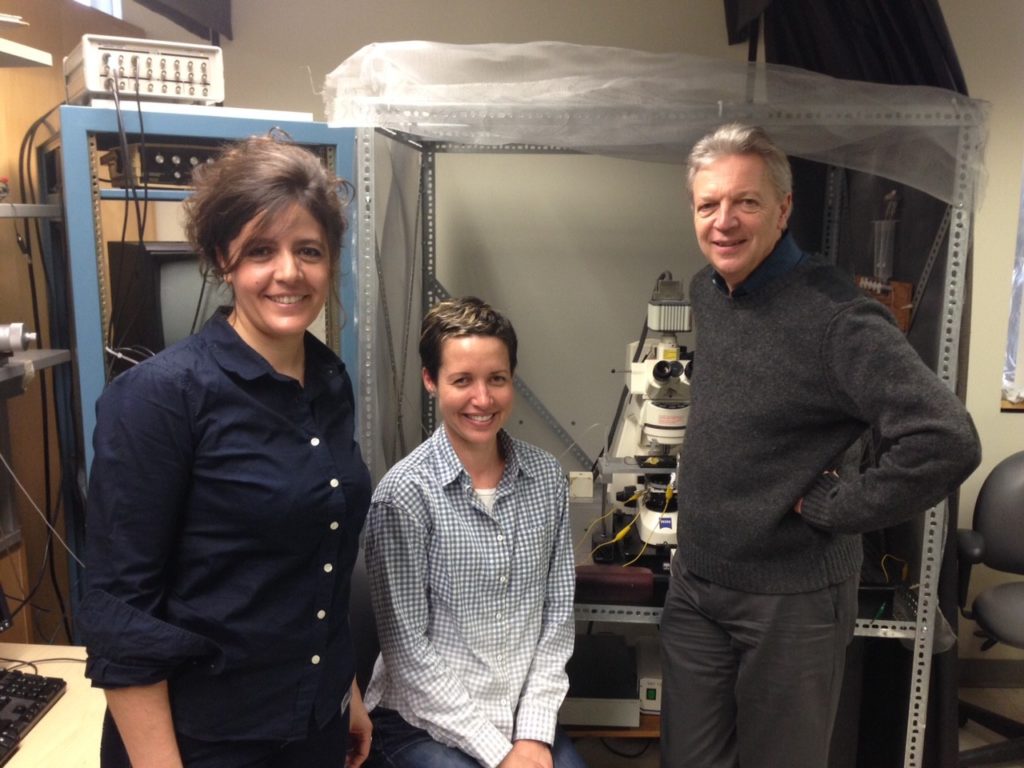
FRAXA-funded Yale research showed disrupted Kv3.1 and Slack potassium channels impair neuronal timing in Fragile X. Published findings support Kv3.1 as a treatment target.
Autophagy is a Novel Therapeutic Target of Impaired Cognition in Fragile X Syndrome
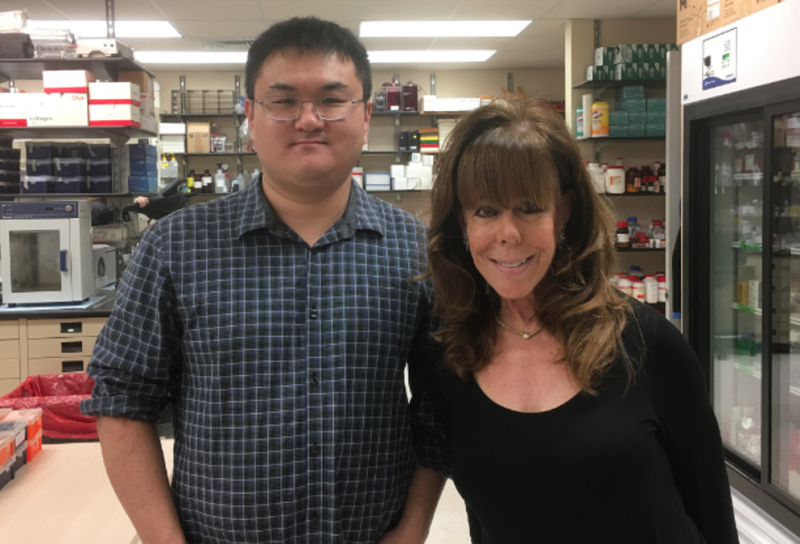
FRAXA’s $90K grant enabled Dr. Zukin to link impaired autophagy to Fragile X. Boosting autophagy restored synaptic proteins and reversed cognitive deficits in mice.

Tetra Announces $40M to Advance BPN14770 for FXS and Alzheimer’s Disease
Tetra conducted a Phase 2 study of BPN14770 in adults with Fragile X Syndrome. This clinical trial was made possible by early work with the FRAXA-DVI and over $200,000 from FRAXA.

Meet Charlie!
Meet #FriendofFRAXA Charlie! If you would like to nominate someone as a #FriendofFRAXA, we welcome all who have been touched by Fragile X, including friends, grandparents, siblings, professionals and companions alike to become a #FriendofFRAXA with the goal of putting a face to Fragile X for those who may not know someone directly.
Hope for the Holidays Gala Helps Advance Fragile X Research
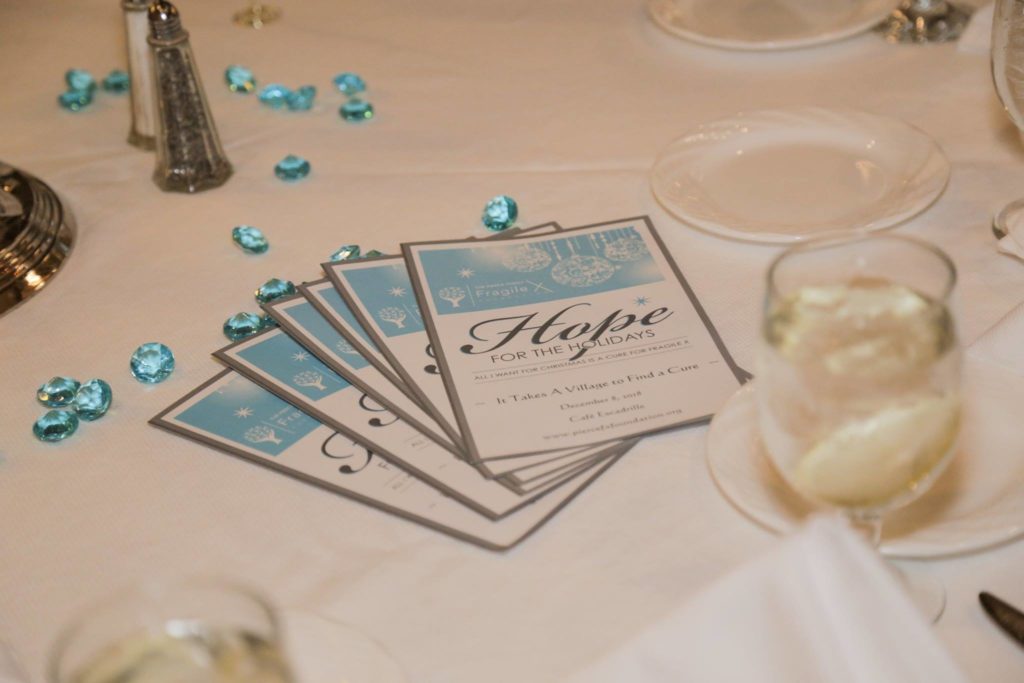
The sold-out Hope for the Holidays Gala raised $100K for FRAXA! Huge thanks to the Pierces for their continued generosity and support.
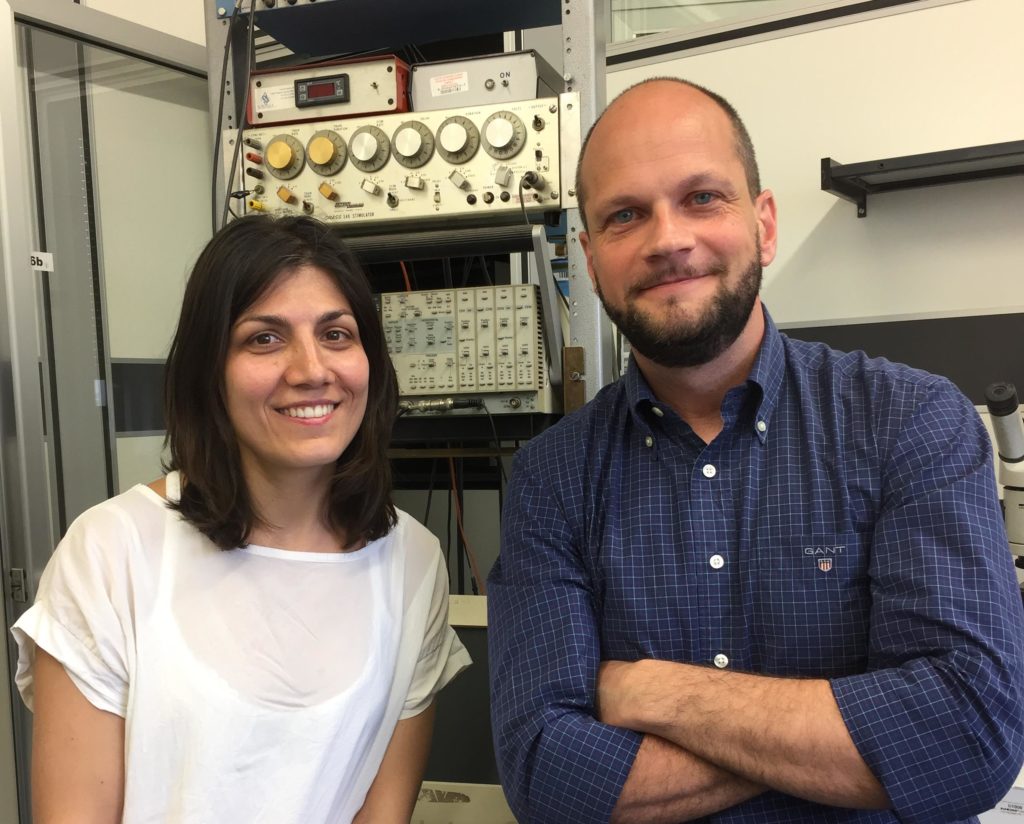
Coffee, Tea, and Chocolate: Adenosine Receptors in Fragile X
Could “caffeine-like” drugs help Fragile X? FRAXA funded research to test adenosine blockers, which may boost thinking and improve symptoms in Fragile X mice.

Contacting Your Member of Congress to Advocate for Fragile X Research
A quick guide to contacting Congress for Fragile X advocacy—includes tips, recommendations, and how to look up your senators and representatives.

Meet Emily!
Meet #FriendofFRAXA Emily! If you would like to nominate someone as a #FriendofFRAXA, we welcome all who have been touched by Fragile X, including friends, grandparents, siblings, professionals and companions alike to become a #FriendofFRAXA with the goal of putting a face to Fragile X for those who may not know someone directly.
NKCC1 Inhibitor Bumetanide Corrects Synaptic and Circuit Hyperexcitability in Fragile X Mouse Model
Dr. Anis Contractor and Dr. Qionger He investigated the potential of the available drug bumetanide to correct altered GABA signalling in a mouse model of Fragile X syndrome.
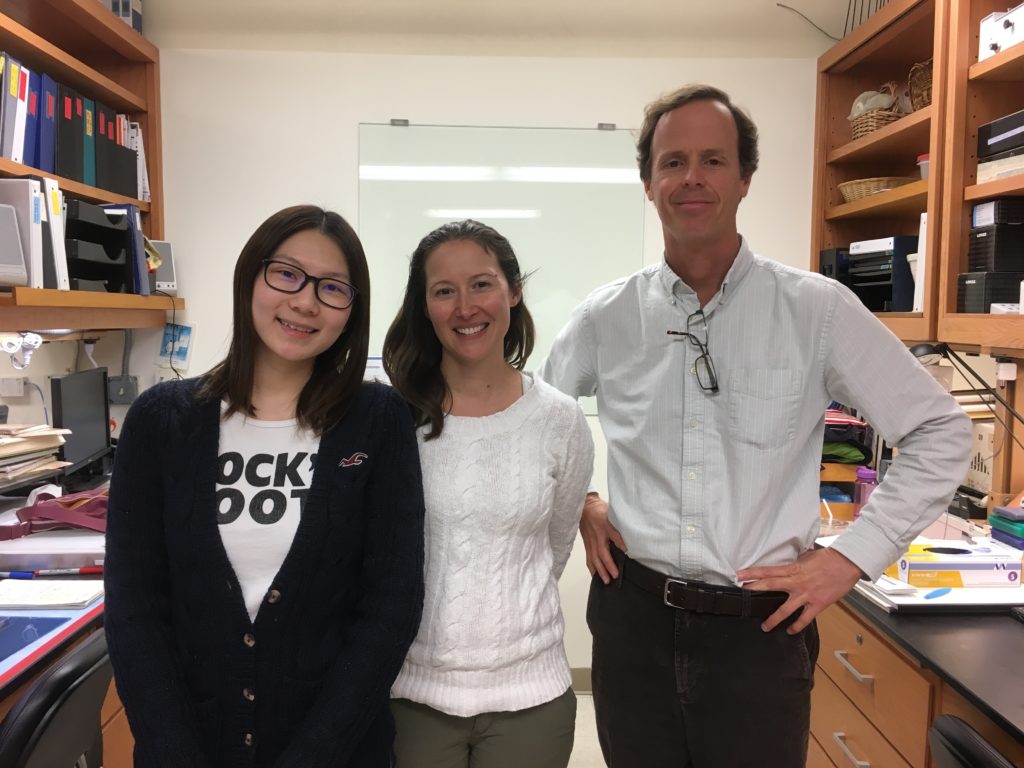
Finding Fragile X Biomarkers – From Transcriptomics to Behavior in Patients
FRAXA funded a study using blood-based transcriptomics to find reliable Fragile X biomarkers. This unique approach links molecular data to behavior for future trials.
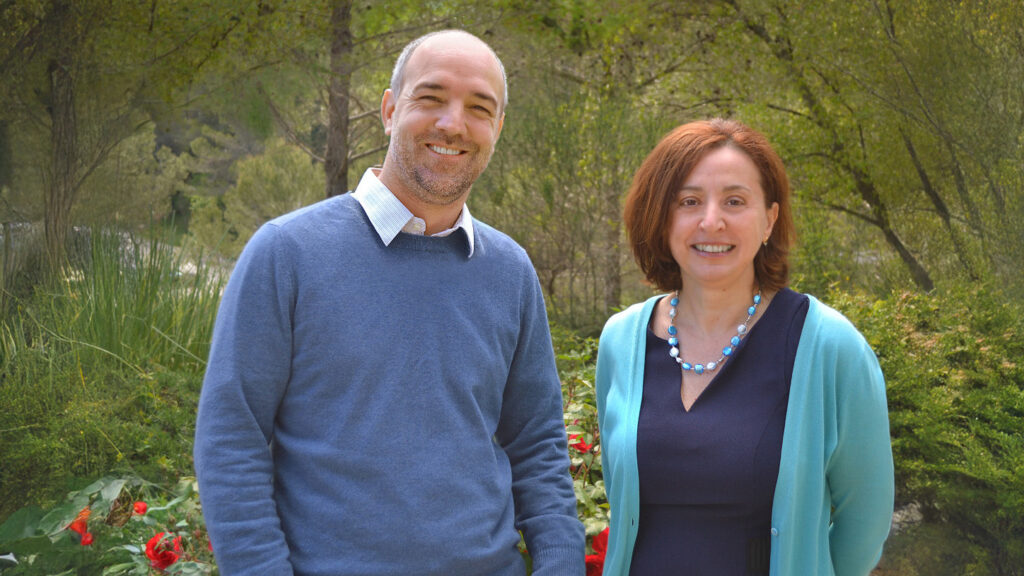
Research Points to Drugs which Inhibit PDE to Treat Fragile X
FRAXA-funded work identified PDE enzymes as key targets in Fragile X, showing that PDE inhibitors can fix signaling and boost synaptic function. PDE4D trials are underway.
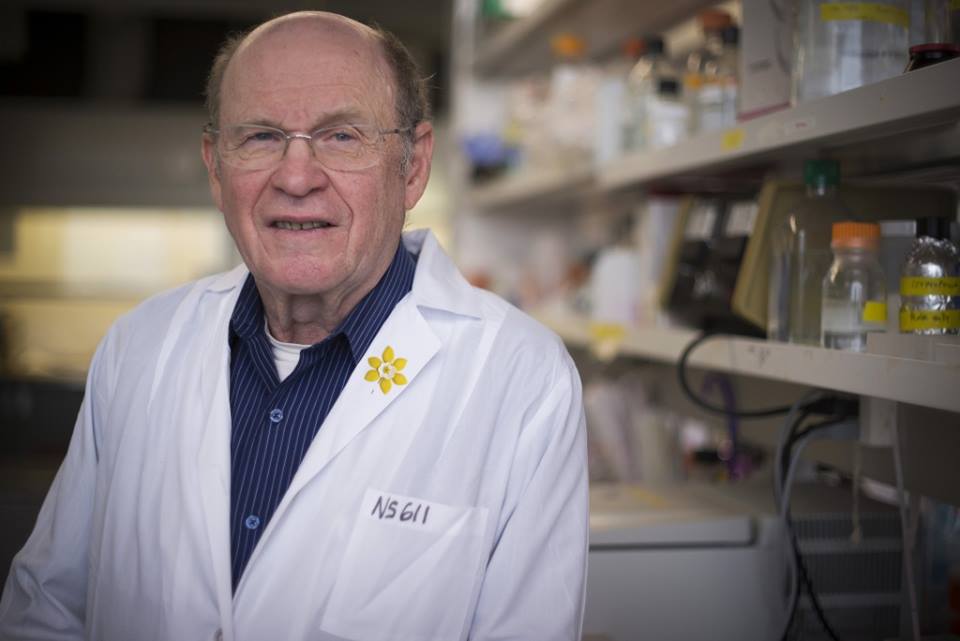
Metformin and Aberrant Insulin Signaling in a Fragile X Mouse Model
FRAXA-funded research is revealing how insulin signaling is altered in Fragile X and whether lowering it, including with metformin, could ease symptoms.
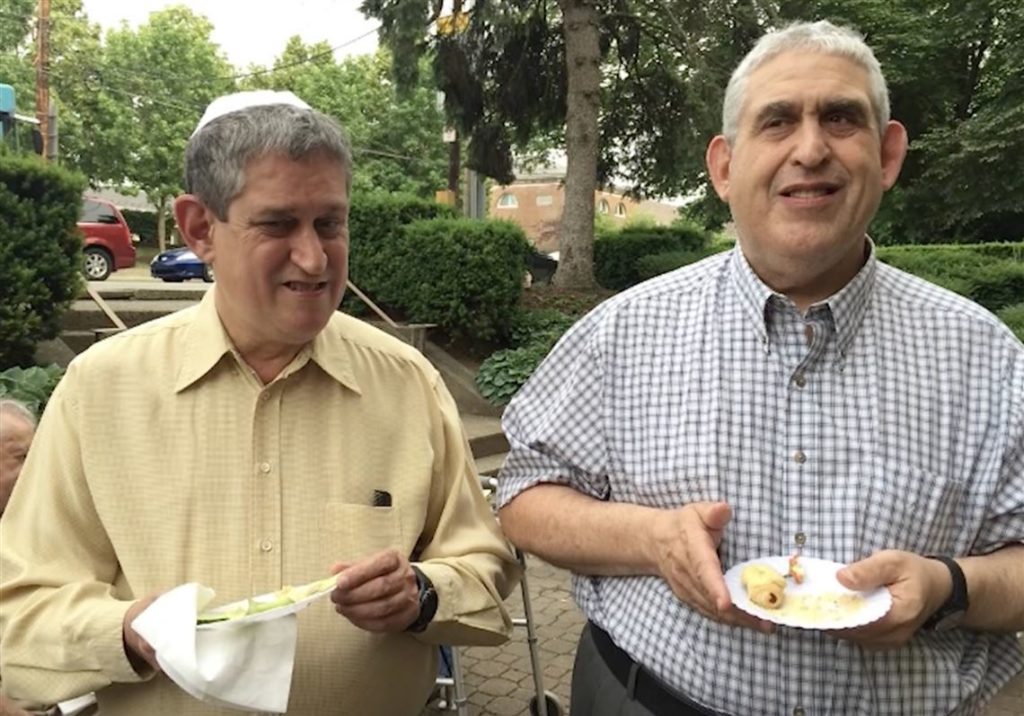
Fragile X Brothers Two of the Pittsburgh Synagogue Massacre Victims
We mourn Cecil & David Rosenthal, beloved brothers with Fragile X, lost in the Tree of Life tragedy. Their kindness and faith will never be forgotten.

Meet Andy!
Meet #FriendofFRAXA Andy! If you would like to nominate someone as a #FriendofFRAXA, we welcome all who have been touched by Fragile X, including friends, grandparents, siblings, professionals and companions alike to become a #FriendofFRAXA with the goal of putting a face to Fragile X for those who may not know someone directly.
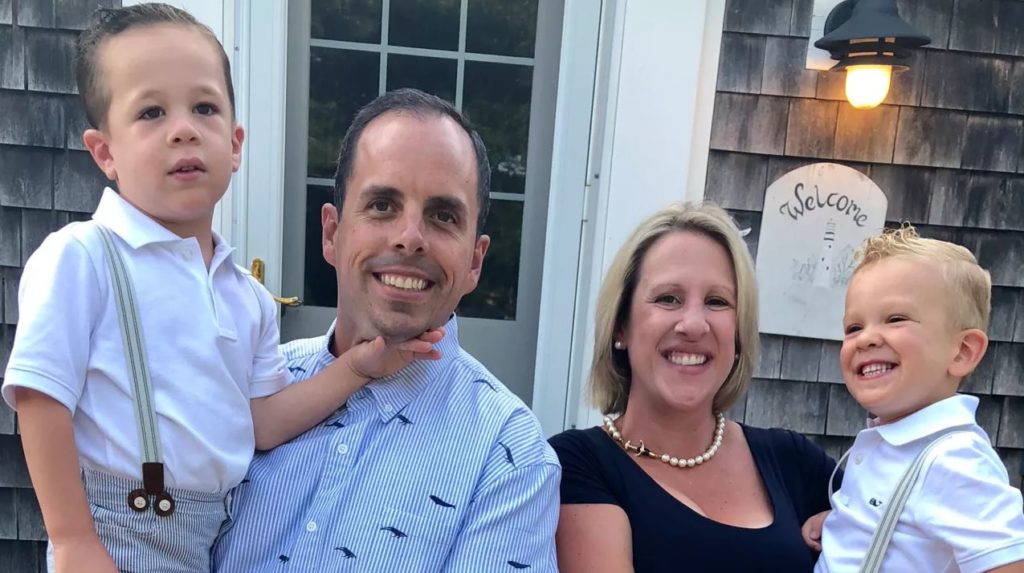
Kathan Pierce Named Patriots Difference Maker of the Week!
FRAXA’s Kathan Pierce, co-founder of The Pierce Family Fragile X Foundation, is the 2018 Patriots Difference Maker of the Week!

Spectrum News – Newly Discovered Aspects of Fragile X Spur Next Wave of Drugs
Many drugs for Fragile X syndrome have failed in large clinical trials, but candidates that target new aspects of the condition may fare better.
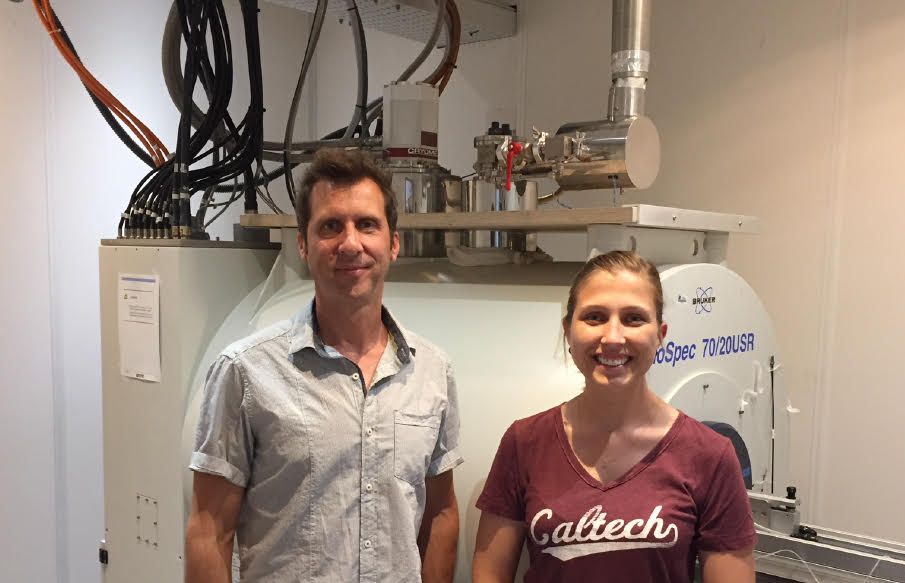
Non-Invasive Imaging as a Biomarker for Fragile X Clinical Trials
FRAXA funded MRI research to track brain connectivity changes in Fragile X. This could yield objective biomarkers for testing treatments in mice and humans.
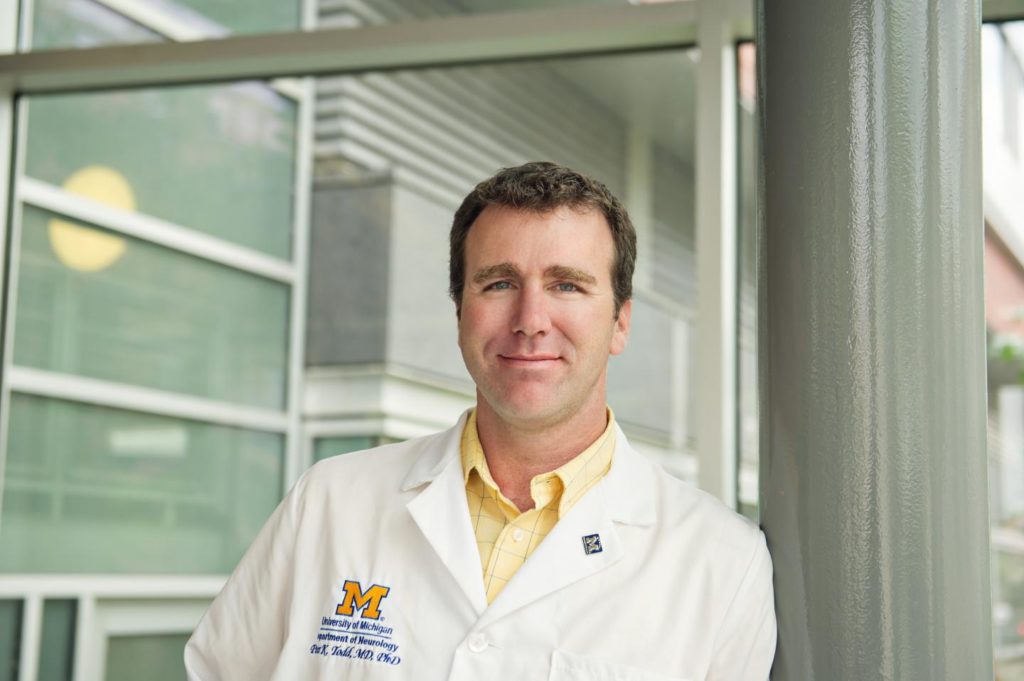
How Promising is CRISPR for Fragile X?
FRAXA Investigator Peter Todd, MD, PhD, tells us about CRISPR in Fragile X research, how realistic is it that it could turn the Fragile X gene back on, and if it can really cure Fragile X.

Niagara Falls went Teal for Fragile X Awareness
Niagara Falls glowed teal on July 22 for Fragile X Awareness Day! Huge thanks to the Illumination Board for this stunning show of support.
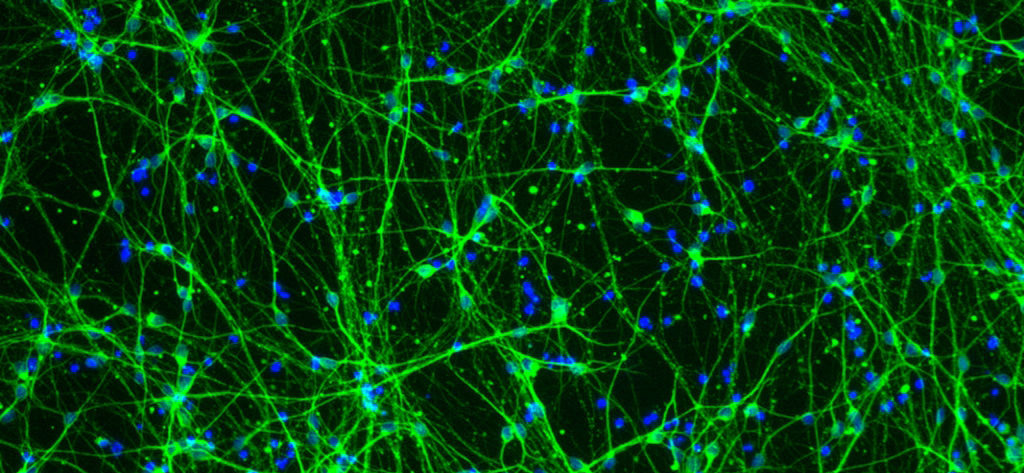
Retinoic Acid Signaling is Blocked by Fragile X Mutation
This FRAXA-funded team at Stanford University found that the Fragile X mutation impairs homeostatic plasticity in human neurons, by blocking synaptic retinoic acid signaling.
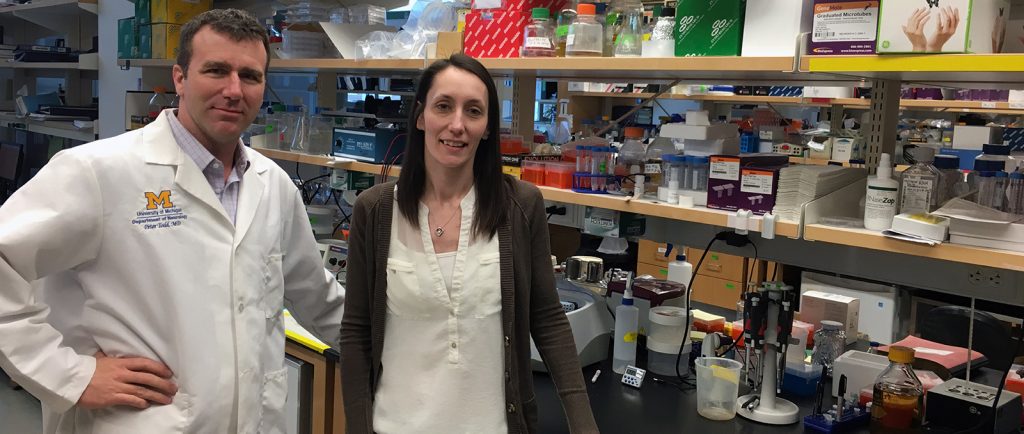
Fragile X Research Impacted by a Small Group of Thoughtful, Committed Citizens
Congrats to FXAM! Their months of effort paid off with a $35K grant to support Dr. Todd’s groundbreaking Fragile X CRISPR research.
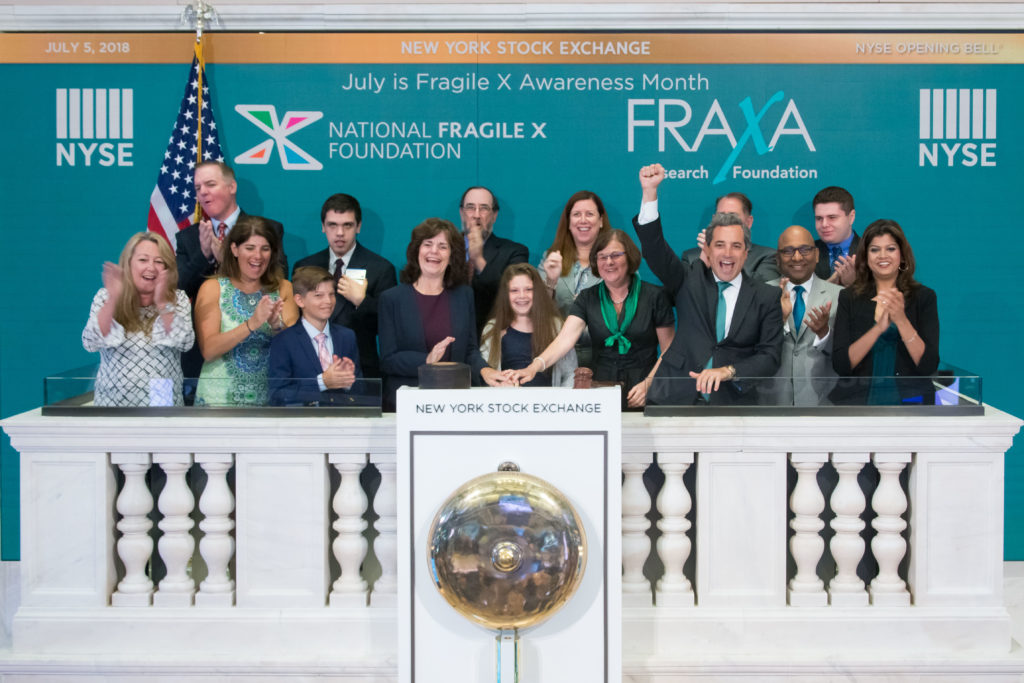
Ringing the Bell at the New York Stock Exchange for Fragile X Awareness
FRAXA and NFXF rang the NYSE opening bell to raise awareness for Fragile X—an incredible moment shared worldwide on CNBC!
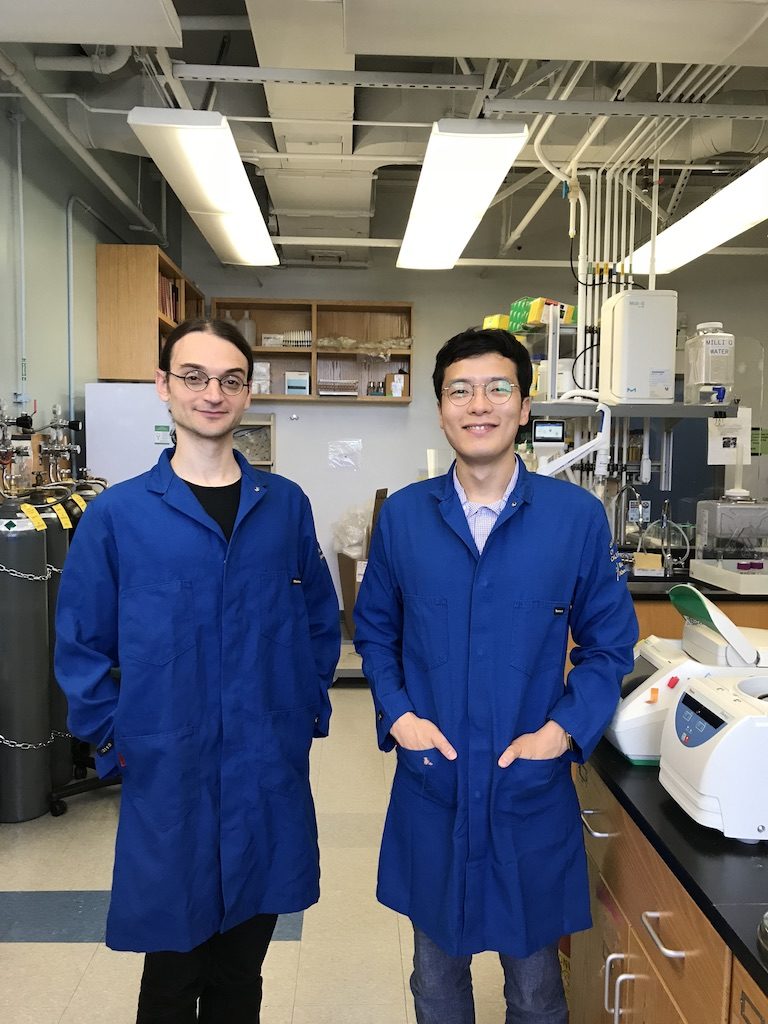
Activity-Dependent Translational Profiling in Fragile X Neurons
FRAXA funded new tools at UC Berkeley to track which proteins Fragile X neurons make during signaling, to find targets that improve learning and brain function.