
Tetra Discovery Partners Initiates Phase 2 Trial of BPN14770 in Fragile X Syndrome
This 2-Period Crossover Study of BPN14770 is accepting adults males with Fragile X syndrome at Rush University Medical Center in Chicago. Principal Investigator of the study is Elizabeth Berry-Kravis, MD, PhD.
A selective inhibitor of the phosphodiesterase type-4D (PDE4D), BPN14770 has shown the ability to improve the quality of connections between neurons and to improve multiple behavioral outcomes in the Fragile X mouse model.
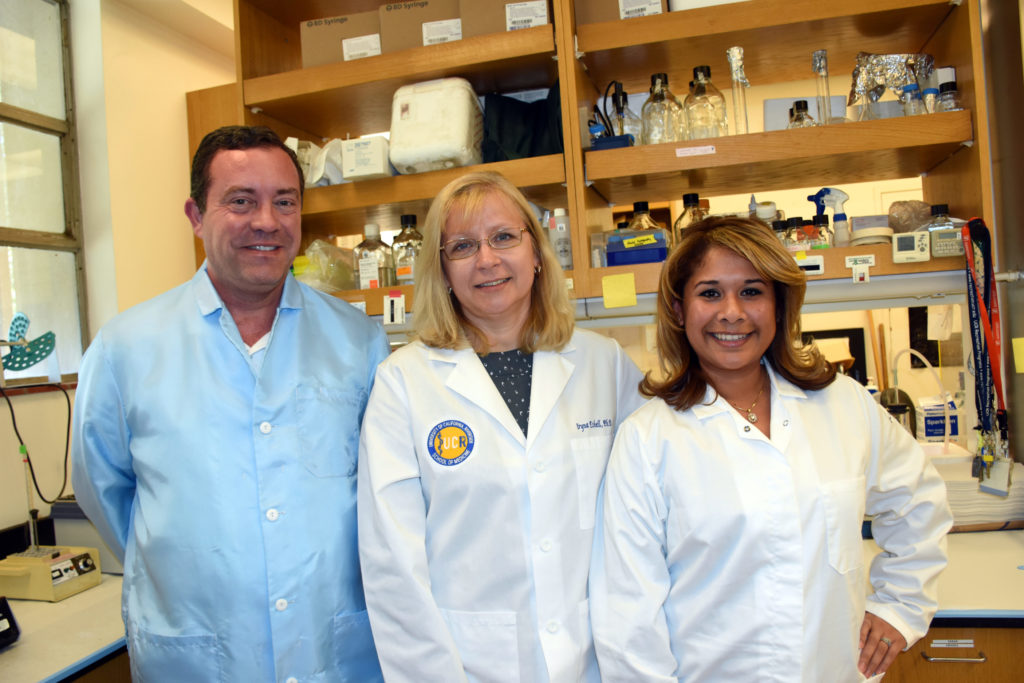
Understanding and Reversing Hypersensitivity to Sounds in Fragile X Syndrome
This FRAXA grant studied why people with Fragile X are overly sensitive to sound and tested drug strategies to calm the brain’s overactive auditory circuits.

Meet Drew!
Meet #FriendofFRAXA Drew! If you would like to nominate someone as a #FriendofFRAXA, we welcome all who have been touched by Fragile X, including friends, grandparents, siblings, professionals and companions alike to become a #FriendofFRAXA with the goal of putting a face to Fragile X for those who may not know someone directly.
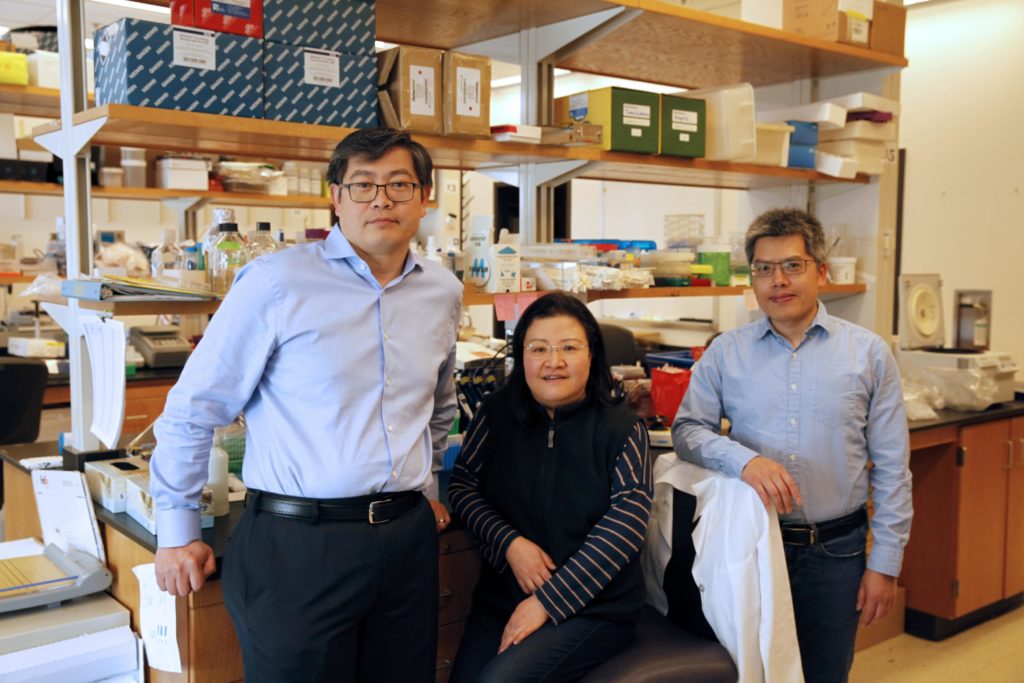
Three-Dimensional Model for Identifying Fragile X Treatments
With a $90K FRAXA grant, Emory scientists are creating Fragile X brain organoids—3D human cell models—to reveal disease mechanisms and guide new treatments.
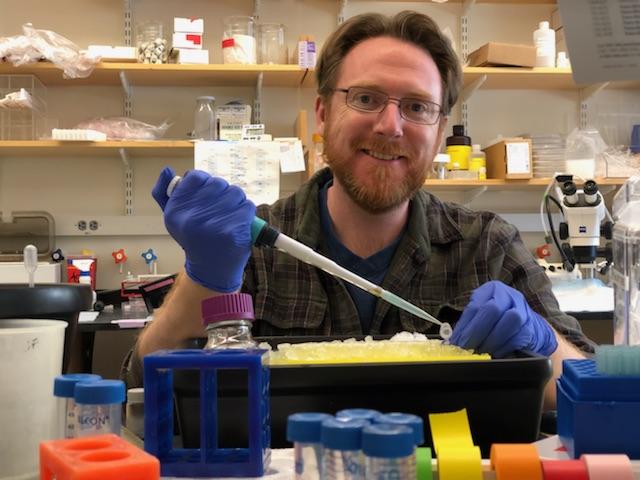
Pharmacological Tolerance in the Treatment of Fragile X Syndrome
FRAXA funded MIT work to probe tolerance to key Fragile X drugs, including mGluR5 inhibitors and arbaclofen, and to identify ways to sustain long-term treatment benefits.
Lysogene Partners with FRAXA Investigator Dr. Hervé Moine to Develop Gene Therapy for Fragile X
Lysogene, a French biopharmaceutical company working to develop gene therapy treatments for brain disorders, is partnering with FRAXA Investigator Dr. Herve Moine to tackle Fragile X.
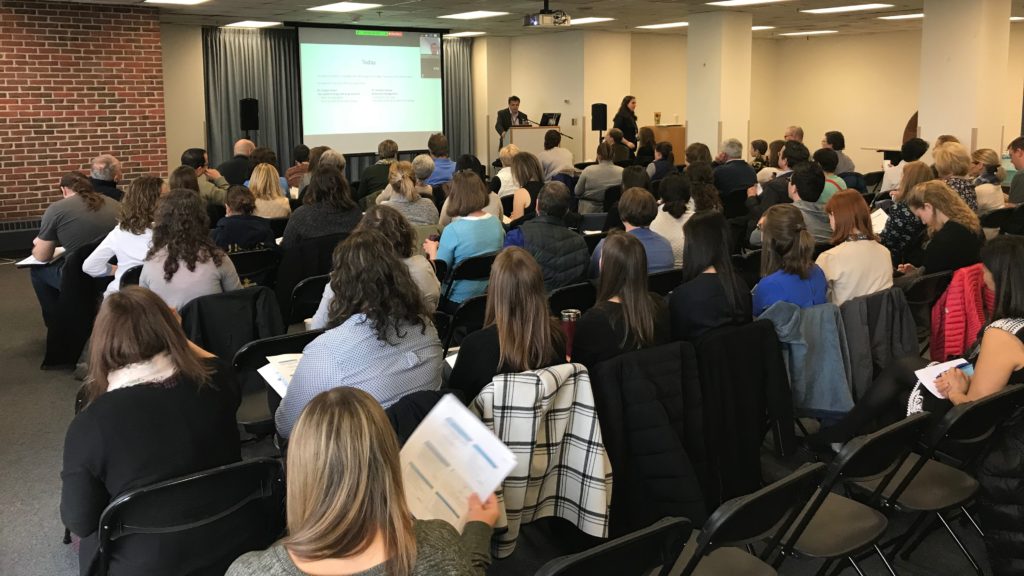
FRAXA Funded Researchers Present at MA Fragile X Conference
Boston Children’s Hospital hosted a Fragile X conference with FRAXA-funded researchers Dr. Craig Erickson & Dr. Carol Wilkinson presenting.

Meet Zack!
Meet #FriendofFRAXA Zack! If you would like to nominate someone as a #FriendofFRAXA, we welcome all who have been touched by Fragile X, including friends, grandparents, siblings, professionals and companions alike to become a #FriendofFRAXA with the goal of putting a face to Fragile X for those who may not know someone directly.
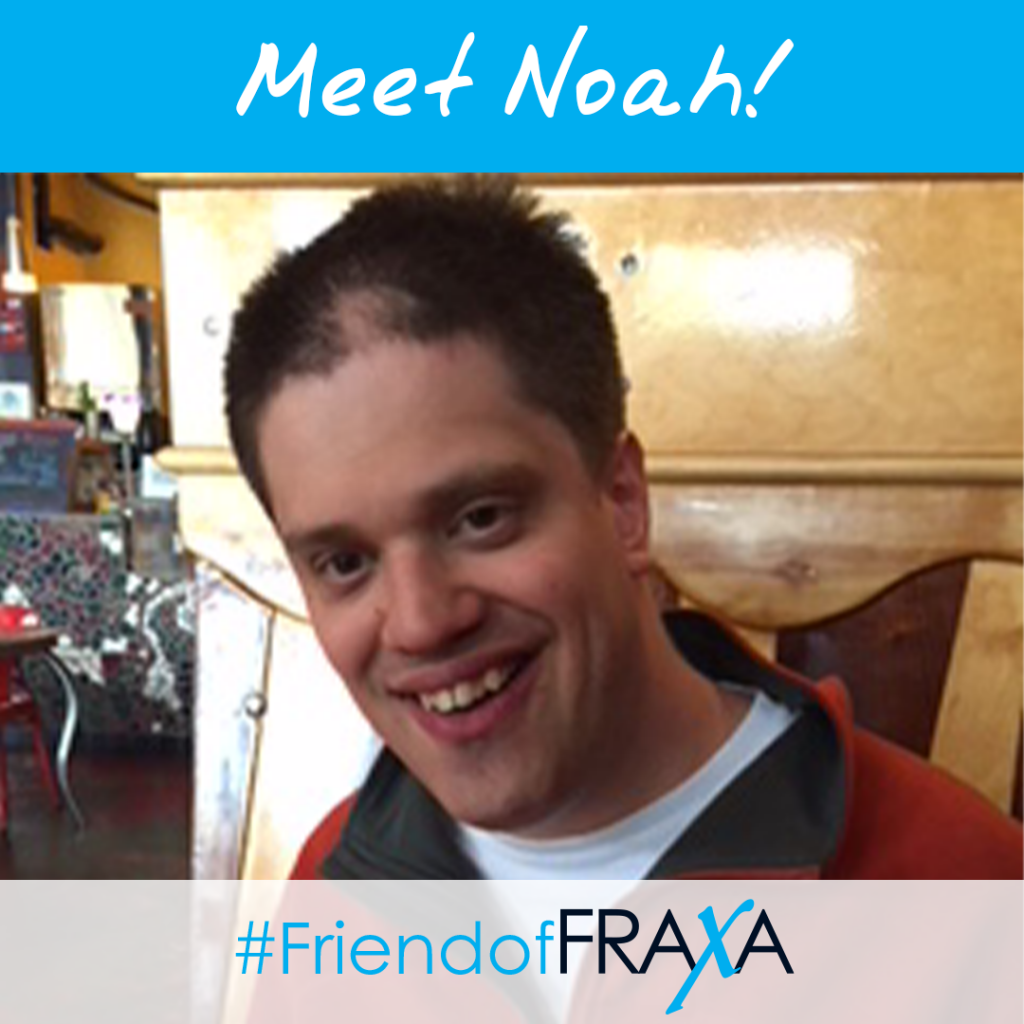
Meet Noah!
Meet #FriendofFRAXA Noah! If you would like to nominate someone as a #FriendofFRAXA, we welcome all who have been touched by Fragile X, including friends, grandparents, siblings, professionals and companions alike to become a #FriendofFRAXA with the goal of putting a face to Fragile X for those who may not know someone directly.

Meet Theo!
Meet #FriendofFRAXA Theo! If you would like to nominate someone as a #FriendofFRAXA, we welcome all who have been touched by Fragile X, including friends, grandparents, siblings, professionals and companions alike to become a #FriendofFRAXA with the goal of putting a face to Fragile X for those who may not know someone directly.
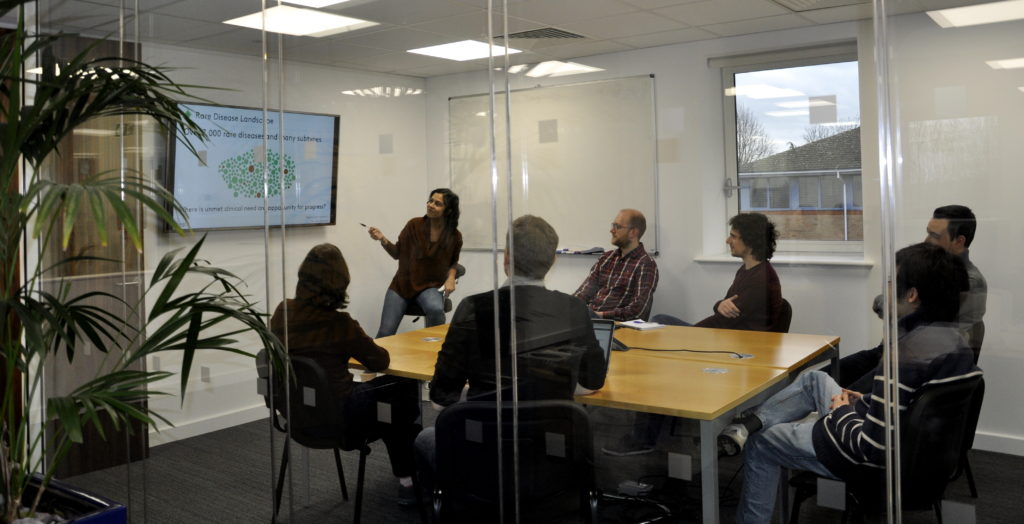
Repurposing Study II: Evaluating Combinations of Drugs to Treat Fragile X
FRAXA partnered with Healx to use AI to find approved drugs and drug combos that could treat Fragile X. Top candidates are now being tested in Fragile X models.
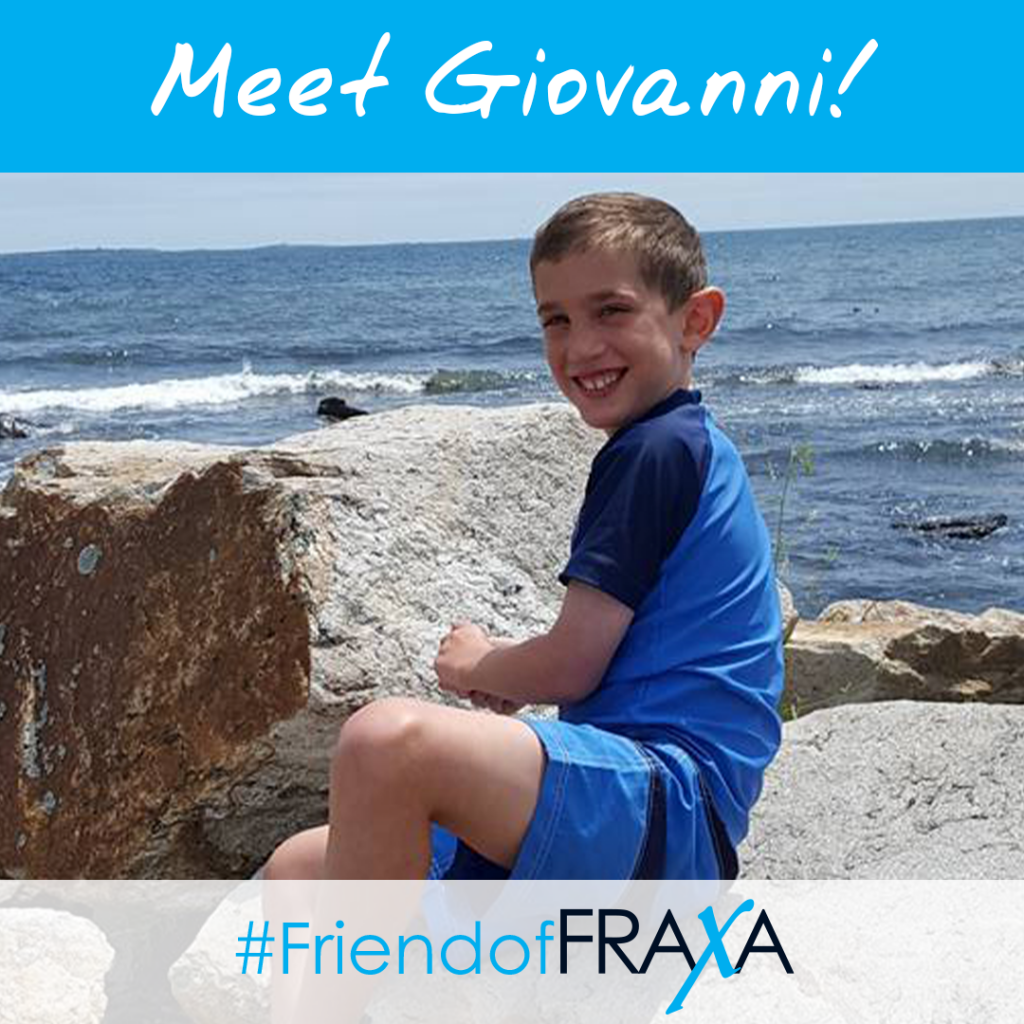
Meet Giovanni!
Meet #FriendofFRAXA Giovanni! If you would like to nominate someone as a #FriendofFRAXA, we welcome all who have been touched by Fragile X, including friends, grandparents, siblings, professionals and companions alike to become a #FriendofFRAXA with the goal of putting a face to Fragile X for those who may not know someone directly.
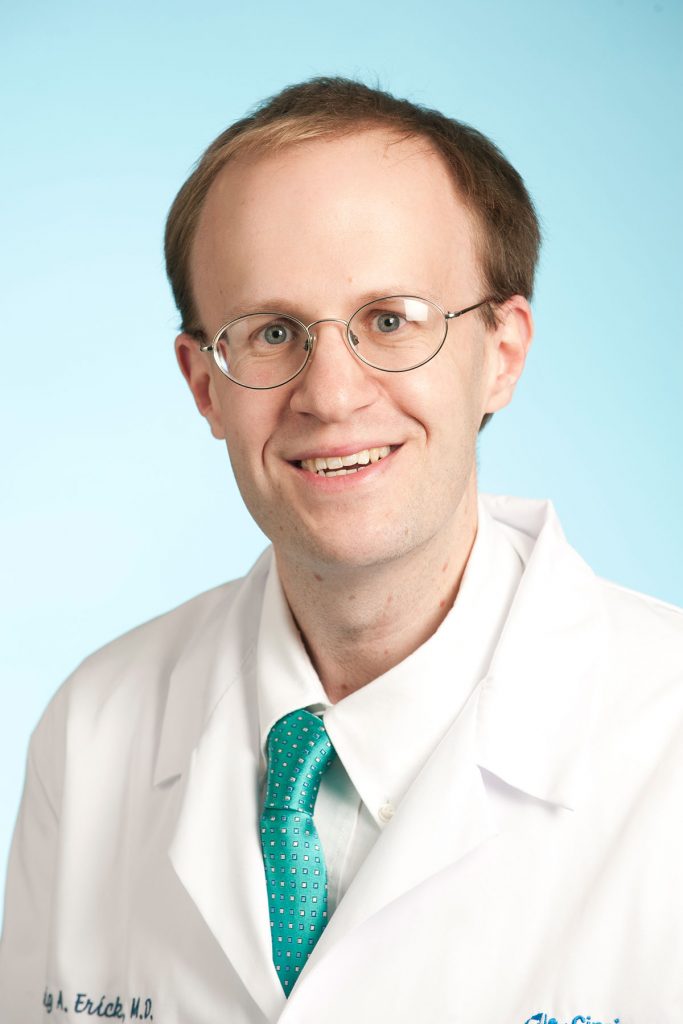
Fragile X Clinical Trial of AZD7325 in Adults
FRAXA funded a trial of AZD7325, a drug that boosts GABA(A), in adults with Fragile X. Led by Dr. Craig Erickson, it also tested innovative biomarkers for future trials.

Meet Adam!
Meet #FriendofFRAXA Adam! If you would like to nominate someone as a #FriendofFRAXA, we welcome all who have been touched by Fragile X, including friends, grandparents, siblings, professionals and companions alike to become a #FriendofFRAXA with the goal of putting a face to Fragile X for those who may not know someone directly.

FRAXA Annual Appeal Raised $760,000
Together we raised $760K and earned a $600K match from the Sunshine Lady Foundation, fueling hope for Fragile X treatments and a cure!

Meet Graham!
Meet #FriendofFRAXA Graham! If you would like to nominate someone as a #FriendofFRAXA, we welcome all who have been touched by Fragile X, including friends, grandparents, siblings, professionals and companions alike to become a #FriendofFRAXA with the goal of putting a face to Fragile X for those who may not know someone directly.

$17,469 Raised by Friends of FRAXA Volunteers at Bruins Game
Over 50 #FriendsofFRAXA volunteers sold $34,938 in 50/50 raffle tickets at the Bruins game—raising $17,469 for Fragile X research!
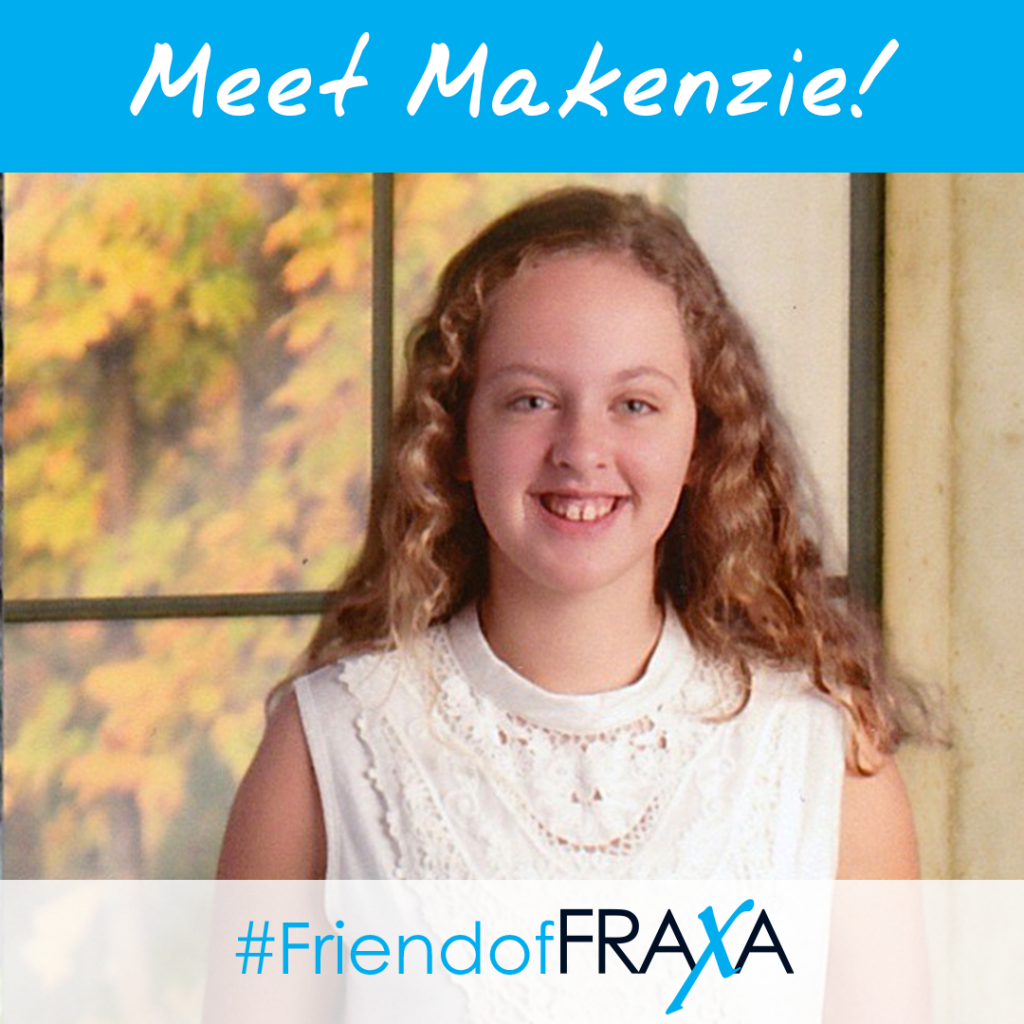
Meet Makenzie!
Meet #FriendofFRAXA Makenzie! If you would like to nominate someone as a #FriendofFRAXA, we welcome all who have been touched by Fragile X, including friends, grandparents, siblings, professionals and companions alike to become a #FriendofFRAXA with the goal of putting a face to Fragile X for those who may not know someone directly.

Effects of Metformin in Fmr1 Knockout Mouse Model of Fragile X Syndrome
Metformin, a safe diabetes drug, activates AMPK to rebalance protein synthesis. FRAXA-funded work investigated its potential to treat Fragile X.
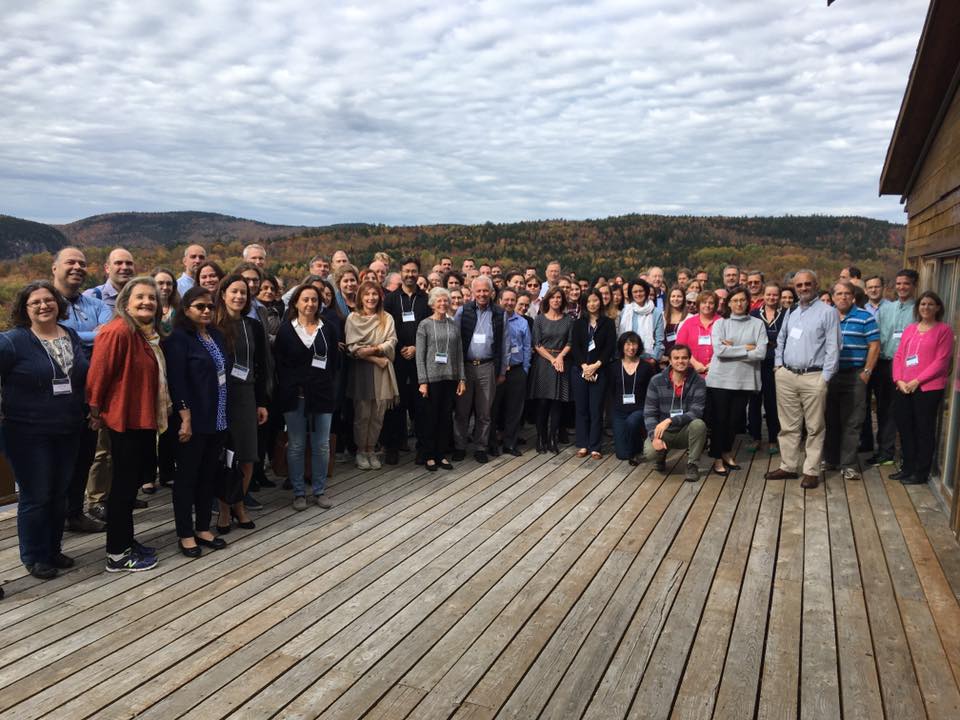
In Their Own Words: Reports From the International Fragile X Workshop
The 18th International Fragile X Workshop in Quebec was a great success, featuring more Fragile X research than ever before!
Fragile X in the Forefront of International Conference
The 18th International Fragile X Workshop kicks off in Quebec, uniting global scientists to share breakthroughs in Fragile X and ASD.
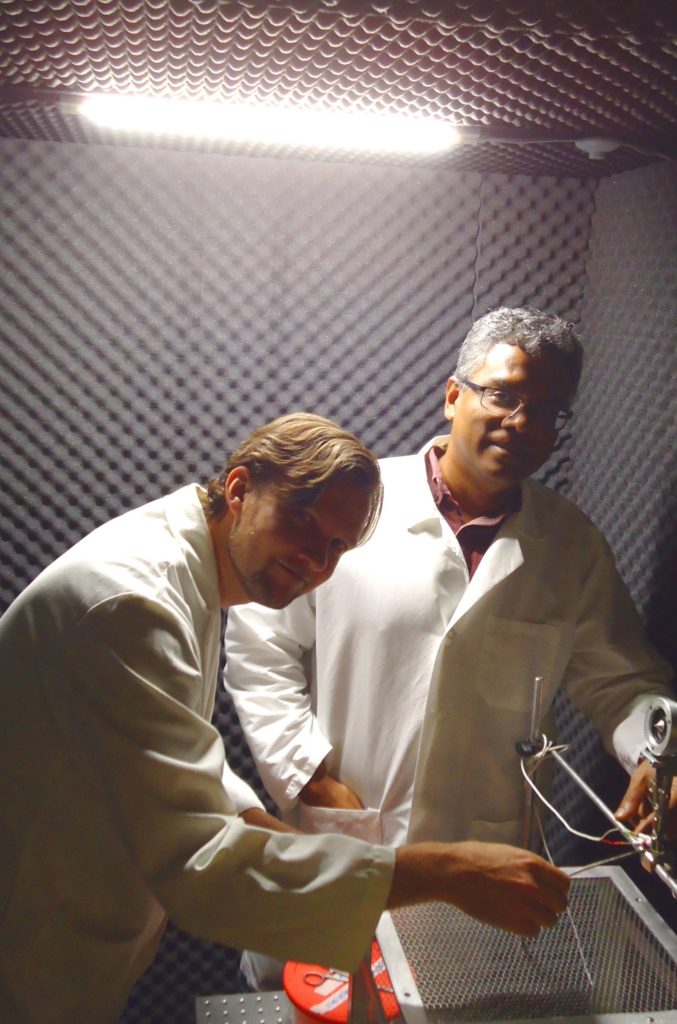
Combinatorial Drug Treatment in a Model of Fragile X Syndrome using Novel Biomarkers
University of California researchers Khaleel Razak, PhD, and Jonathan W. Lovelace, PhD, explored drug combinations to limit hypersensitivity to sounds in Fragile X mice.
Quantitative Assessment of the Serotonin System in a Mouse Model of Fragile X Syndrome
FRAXA funded Dr. Canal to investigate how different serotonin receptors function in Fragile X, to guide smarter use of serotonin-targeting treatments.

Targeted Transcriptional Reactivation of FMR1 in Fragile X Syndrome Stem Cells
FRAXA funded Dr. Peter Todd to use CRISPR to reactivate FMR1. Published results confirmed restored gene expression, a big step toward disease-modifying therapy.