
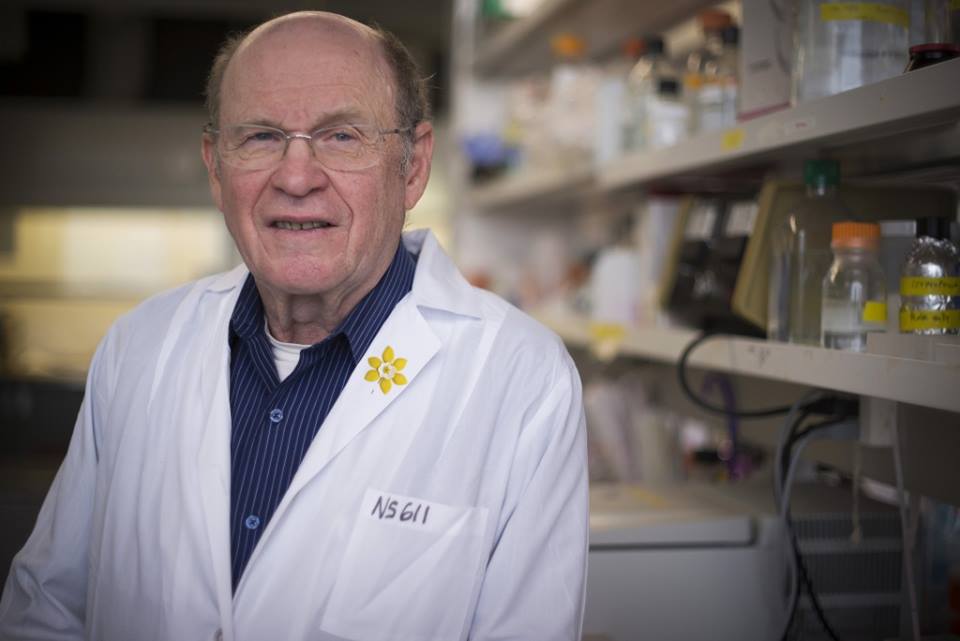
Metformin and Aberrant Insulin Signaling in a Fragile X Mouse Model
FRAXA-funded research is revealing how insulin signaling is altered in Fragile X and whether lowering it, including with metformin, could ease symptoms.

Spectrum News – Newly Discovered Aspects of Fragile X Spur Next Wave of Drugs
Many drugs for Fragile X syndrome have failed in large clinical trials, but candidates that target new aspects of the condition may fare better.
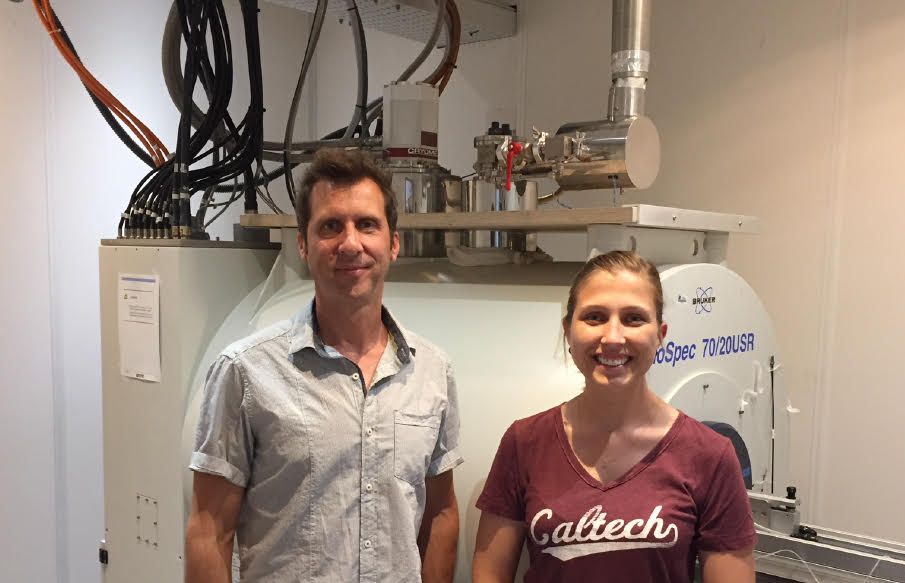
Non-Invasive Imaging as a Biomarker for Fragile X Clinical Trials
FRAXA funded MRI research to track brain connectivity changes in Fragile X. This could yield objective biomarkers for testing treatments in mice and humans.

Mega Green Tea Extract to Treat Fragile X?
FRAXA funded a clinical trial of EGCG (green tea extract) on cognitive function in adults with FXS. The team in Barcelona reported memory, attention, and mental flexibility improvements.

How Promising is CRISPR for Fragile X?
FRAXA Investigator Peter Todd, MD, PhD, tells us about CRISPR in Fragile X research, how realistic is it that it could turn the Fragile X gene back on, and if it can really cure Fragile X.
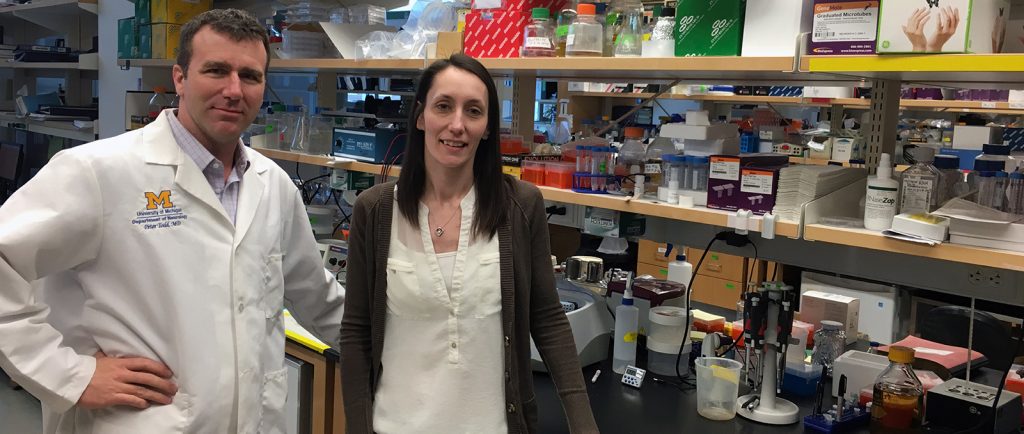
Fragile X Research Impacted by a Small Group of Thoughtful, Committed Citizens
Congrats to FXAM! Their months of effort paid off with a $35K grant to support Dr. Todd’s groundbreaking Fragile X CRISPR research.
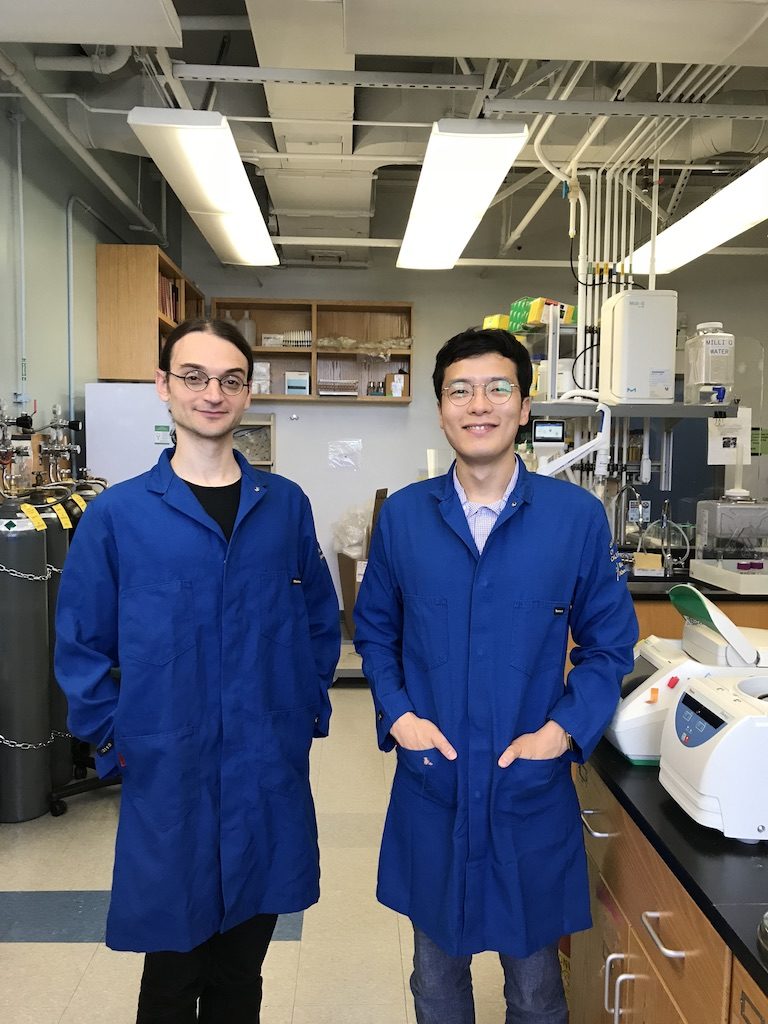
Activity-Dependent Translational Profiling in Fragile X Neurons
FRAXA funded new tools at UC Berkeley to track which proteins Fragile X neurons make during signaling, to find targets that improve learning and brain function.

Tetra Discovery Partners Initiates Phase 2 Trial of BPN14770 in Fragile X Syndrome
This 2-Period Crossover Study of BPN14770 is accepting adults males with Fragile X syndrome at Rush University Medical Center in Chicago. Principal Investigator of the study is Elizabeth Berry-Kravis, MD, PhD.
A selective inhibitor of the phosphodiesterase type-4D (PDE4D), BPN14770 has shown the ability to improve the quality of connections between neurons and to improve multiple behavioral outcomes in the Fragile X mouse model.

Aripiprazole as a Treatment for Fragile X Syndrome
Years ago FRAXA funded Dr. Craig Erickson to run a trial of aripiprazole (aka Abilify). FRAXA guest writer Hannah Miles recently caught up with Dr. Erickson to learn the results of the trial.
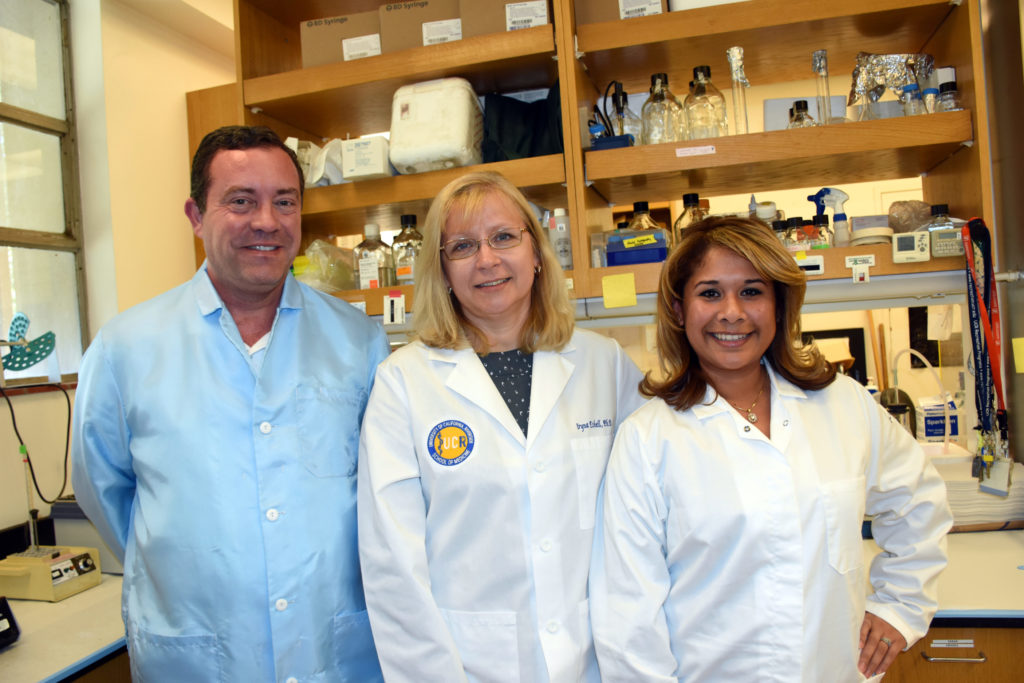
Understanding and Reversing Hypersensitivity to Sounds in Fragile X Syndrome
This FRAXA grant studied why people with Fragile X are overly sensitive to sound and tested drug strategies to calm the brain’s overactive auditory circuits.
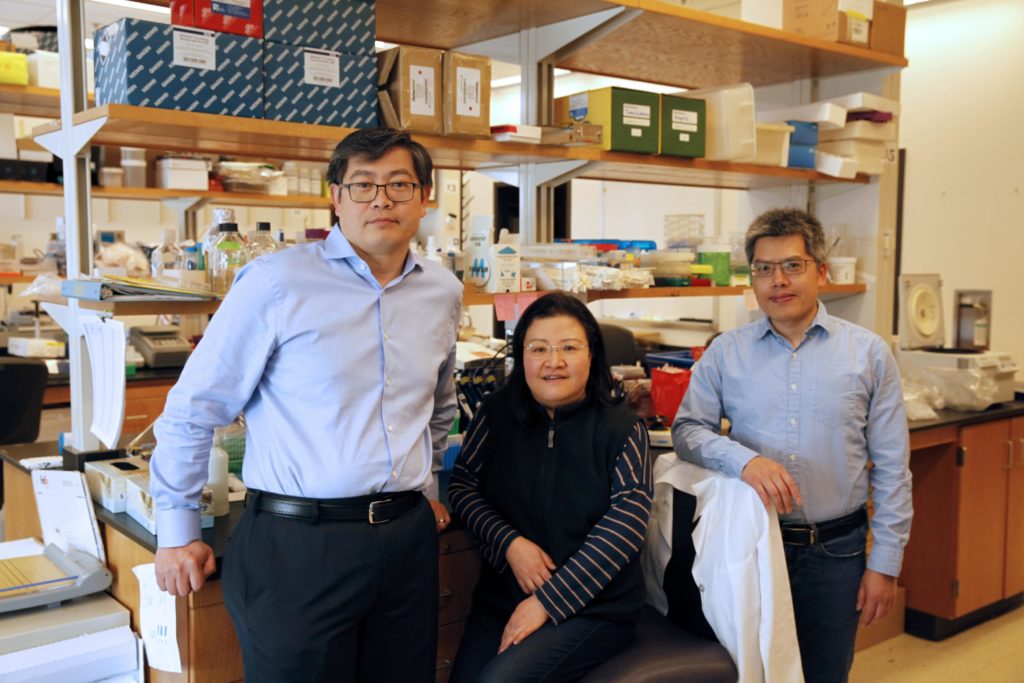
Three-Dimensional Model for Identifying Fragile X Treatments
With a $90K FRAXA grant, Emory scientists are creating Fragile X brain organoids—3D human cell models—to reveal disease mechanisms and guide new treatments.
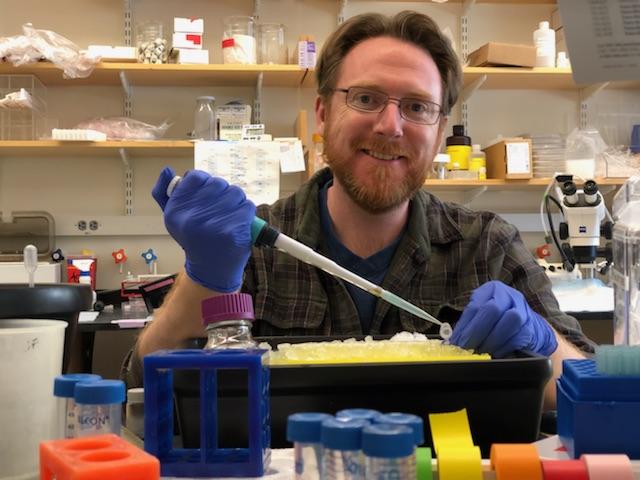
Pharmacological Tolerance in the Treatment of Fragile X Syndrome
FRAXA funded MIT work to probe tolerance to key Fragile X drugs, including mGluR5 inhibitors and arbaclofen, and to identify ways to sustain long-term treatment benefits.

Lysogene Partners with FRAXA Investigator Dr. Hervé Moine to Develop Gene Therapy for Fragile X
Lysogene, a French biopharmaceutical company working to develop gene therapy treatments for brain disorders, is partnering with FRAXA Investigator Dr. Herve Moine to tackle Fragile X.

FRAXA Funded Researchers Present at MA Fragile X Conference
Boston Children’s Hospital hosted a Fragile X conference with FRAXA-funded researchers Dr. Craig Erickson & Dr. Carol Wilkinson presenting.
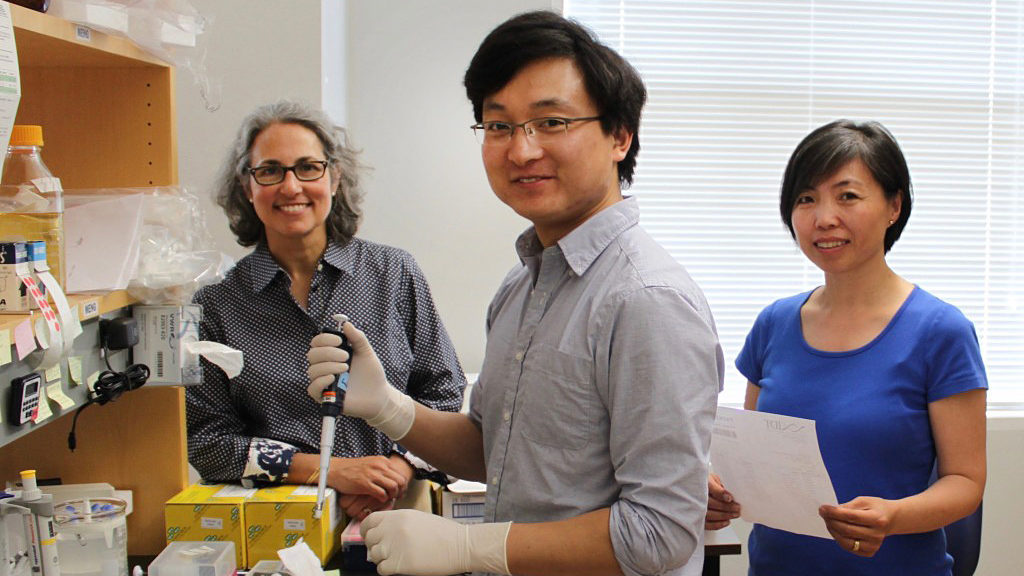
FRAXA Research Grants Drive Big Investments in Fragile X
FRAXA is working with hundreds of university labs and more than 30 pharmaceutical companies around the world. Dr. Michael Tranfaglia spends a lot of his time advising and collaborating with industry partners.
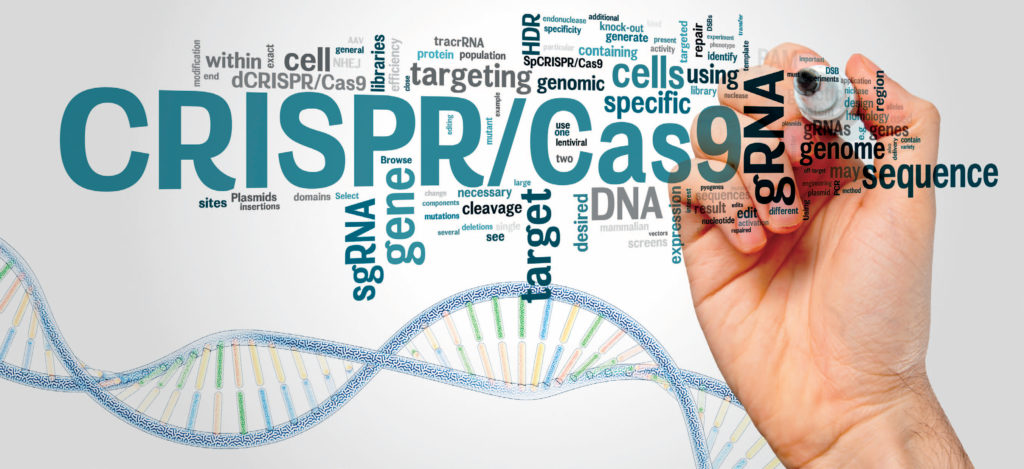
Can CRISPR Cure Fragile X Syndrome?
CRISPR/Cas9 was used by MIT researchers to remove the molecular tags that keep the mutant gene shut off in Fragile X syndrome neurons and resulted in some of them producing protein normally.

Impact of the Fragile X Community
Because of you, FRAXA invests $1M+ each year in Fragile X research and helped launch $35M more in studies leading to clinical trials.

Fragile X Clinical Trial of AZD7325 in Adults
FRAXA funded a trial of AZD7325, a drug that boosts GABA(A), in adults with Fragile X. Led by Dr. Craig Erickson, it also tested innovative biomarkers for future trials.
CRISPR Reactivation of the Fragile X Gene
Using CRISPR to reactivate FMRP, “We are trying to target the first event that goes wrong in Fragile X syndrome”, says FRAXA Investigator, Dr. Peter Todd.

Effects of Metformin in Fmr1 Knockout Mouse Model of Fragile X Syndrome
Metformin, a safe diabetes drug, activates AMPK to rebalance protein synthesis. FRAXA-funded work investigated its potential to treat Fragile X.
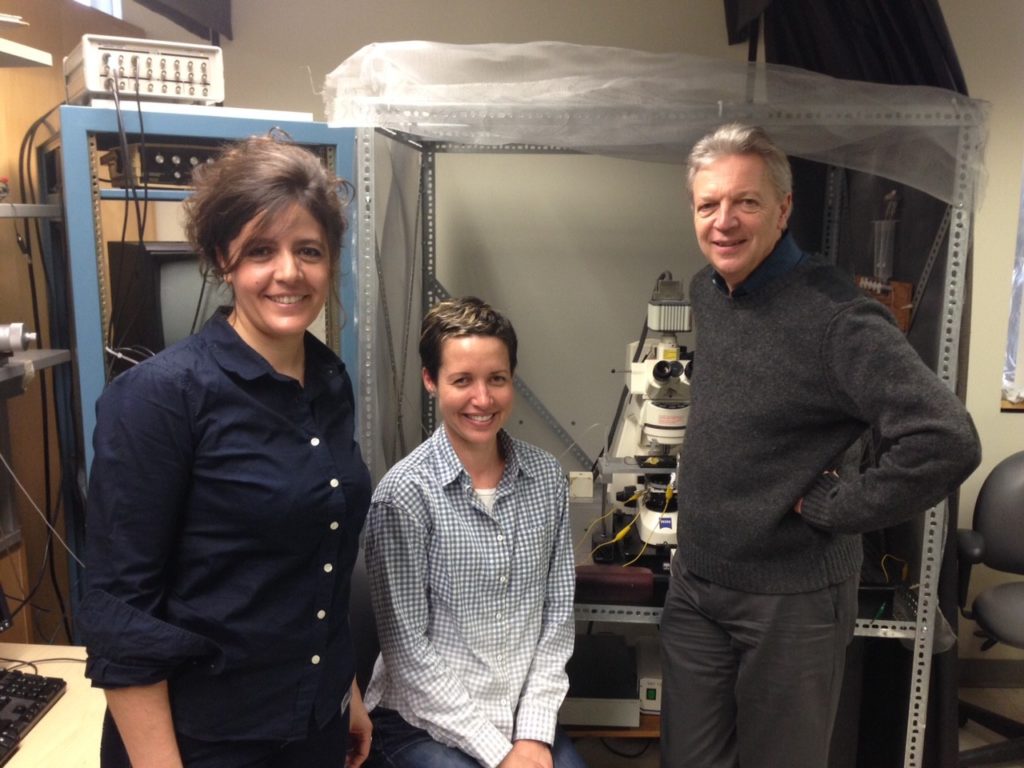
Newly Discovered Regulatory Pathways in Fragile X
Studies at Yale University and elsewhere show FMRP plays a significant role in regulation of potassium channels. Potassium channel opener drugs could rescue some symptoms of Fragile X.
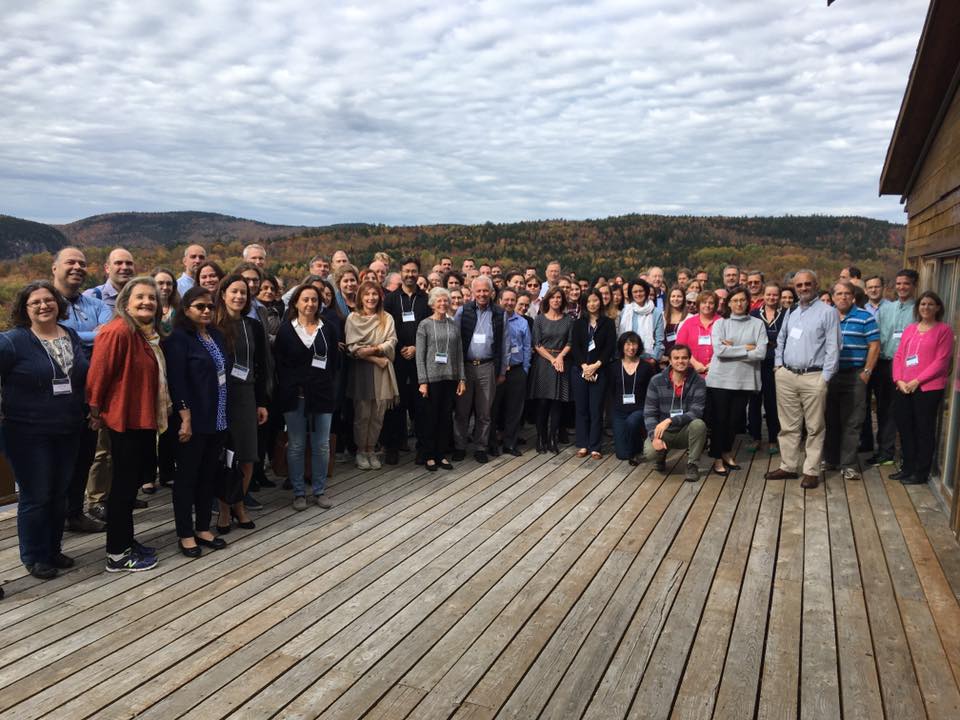
In Their Own Words: Reports From the International Fragile X Workshop
The 18th International Fragile X Workshop in Quebec was a great success, featuring more Fragile X research than ever before!

Brain Imbalance Target of Dr. Erickson’s New Clinical Trial
Dr. Erickson’s trial targeted brain imbalance in Fragile X by boosting GABA signaling with AZD7325, aiming to restore excitatory–inhibitory balance and improve symptoms.
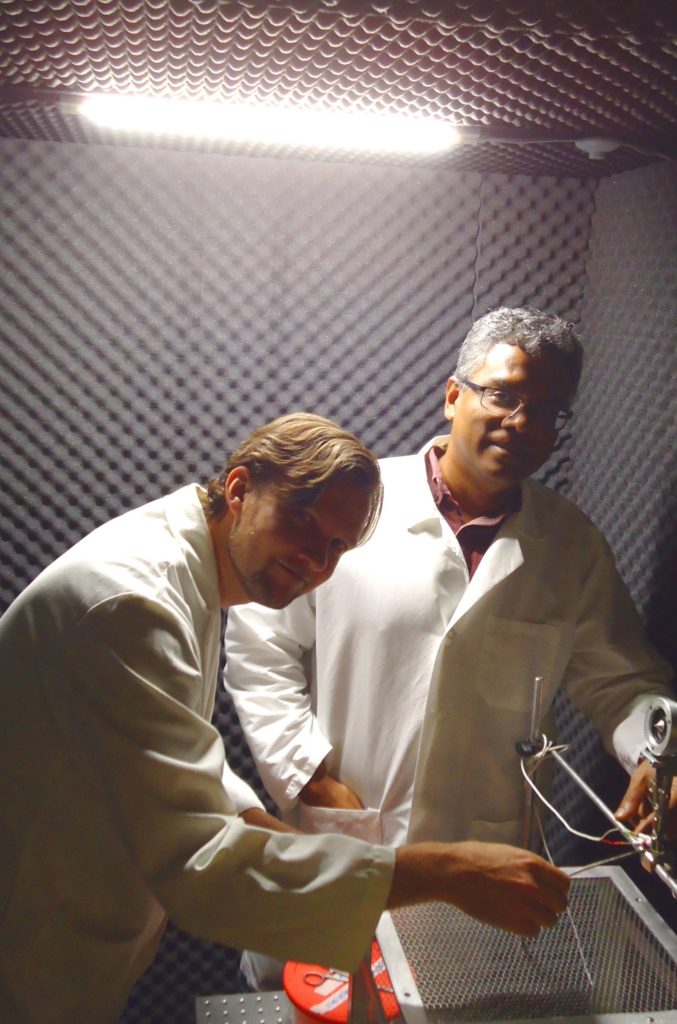
Combinatorial Drug Treatment in a Model of Fragile X Syndrome using Novel Biomarkers
University of California researchers Khaleel Razak, PhD, and Jonathan W. Lovelace, PhD, explored drug combinations to limit hypersensitivity to sounds in Fragile X mice.