

Fragile X Fruit Fly Research Bears Fruit
A new FRAXA-funded study shows how the hormone insulin – usually associated with diabetes — is involved in the daily activity patterns and learning deficits in the fruit fly model of Fragile X Syndrome (FXS). The study also reveal a metabolic pathway that can be targeted by new and already approved drugs to treat Fragile X patients, notably metformin.

Fragile X Cure One Step Closer with FRAXA Support of $1 Million in New Research
4 Countries – 10 Teams – $1 Million for finding new treatment targets, to pinpointing outcome measures for future clinical trials, to attempting to reactivate the gene which is silenced in Fragile X syndrome, these innovative scientists will bring us closer to a cure.

Abnormalities of Synaptic Plasticity in the Fragile X Amygdala
With FRAXA funding, Dr. Sumantra Chattarji at NCBS explored how Fragile X alters amygdala function. Results were published.
Neuren’s Tofinetide Successful in Phase 2 Clinical Trial in Fragile X
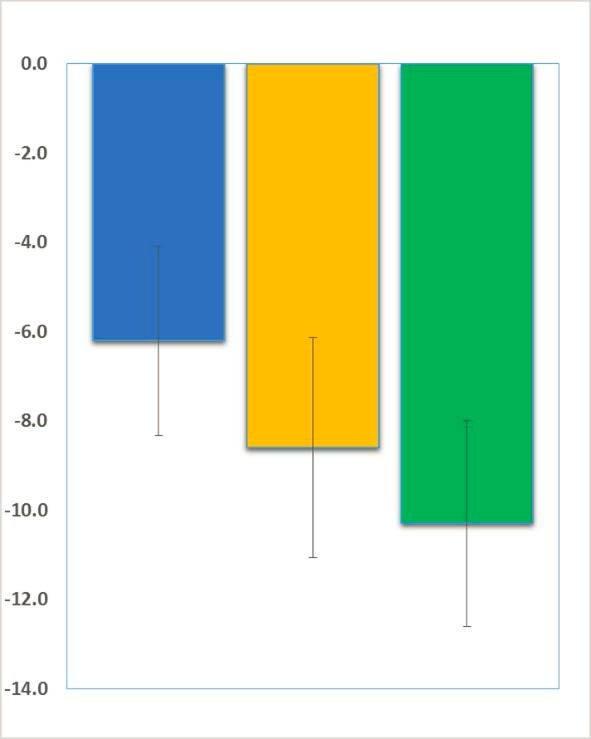
We are pleased to share great news adapted from Neuren’s press release: Neuren’s phase 2 trial has successfully established proof of concept and provides a strong rationale for Neuren to move forward with developing trofinetide for Fragile X syndrome. In this initial small trial with a relatively short treatment period, trofinetide was very well tolerated, with the high dose (70 mg/kg twice daily) demonstrating a consistent pattern of clinical improvement, observed in both clinician and caregiver assessments.

FRAXADev – Developing BK Channel Openers for Fragile X Syndrome
FRAXADev is an initiative in France not connected with FRAXA Research Foundation. The name is coincidental. FRAXADev seeks to develop a new kind of drug for Fragile X.
Fruit Flies to Model and Test Fragile X Treatments
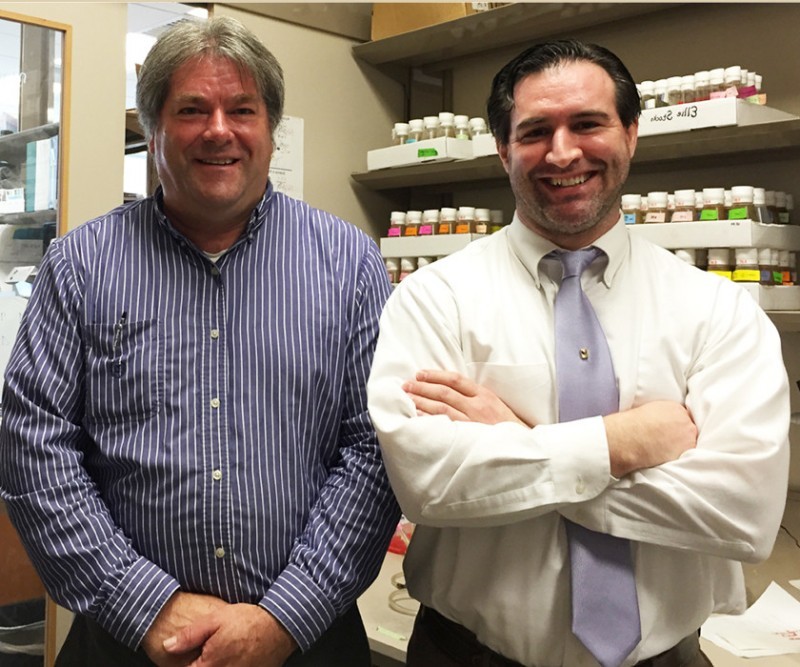
Boosting cAMP signaling restores memory and fixes brain-signaling defects in Fragile X models, suggesting diabetes drugs like metformin may help.
Fragile X Treatment: New Research Directions
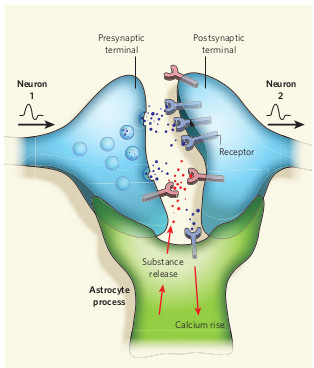
In the wake of negative results from several high-profile clinical trials in Fragile X, we find ourselves questioning many of our previous assumptions about the nature of this disorder. After all, understanding the basic pathology of disease is critical to development of new treatments — this is true across the board, in all branches of medicine.

Fragile X Programs at UMASS – University of MA, Worcester
Fragile X Syndrome Behavioral Health Clinic The Center for Autism and Neurodevelopmental Disorders (CANDO) is opening a specialty clinic for individuals with Fragile X Syndrome (under the direction of Dr. Jean Frazier) to evaluate and provide treatment for behavioral challenges.

The Endocannabinoid System in a Mouse Model of Fragile X Syndrome
Fragile X disrupts endocannabinoid signaling. This study in mice demonstrated that correcting it may calm brain hyperexcitability and improve symptoms.

Inhibitors of STEP as a Novel Treatment of Fragile X Syndrome
STEP inhibition reversed behavioral and synaptic Fragile X deficits in mice (Neuropharmacology, 2018), highlighting STEP as a promising treatment target.

Clinical Trials Outcome Measures
There is a critical need for reliable biomarkers and clinical outcome measures for Fragile X syndrome. Treatment trials depend on this.

NIH Awards $35 Million to Three Fragile X Research Teams
NIH is investing $35M in three Fragile X Research Centers. All teams have been funded by FRAXA and will now receive over $2M annually for five years.

Functional Interplay Between FMRP and CDK5 Signaling
FRAXA-funded work showed CDK5 signaling is disrupted in Fragile X. CDK5 drugs are in development for Alzheimer’s so this pathway offers a promising new FX treatment angle.

Computational Analysis of Neural Circuit Disruption in Fragile X Model Mice
FRAXA-funded researchers used advanced computer models to uncover how FXS brain circuits change and predict which treatments may correct them. Results published.

Why Did Fragile X Clinical Trials of mGluR Antagonists Fail?
by Michael Tranfaglia, MD. In my opinion, the Fragile X clinical trials of AFQ056 sponsored by Novartis failed because of a dose range that was inadequate for Fragile X, and because of the unexpected development of tolerance.
What Treatments Work for FXTAS?
FXTAS affects many in our Fragile X community. Research aims to uncover its cause and guide more effective treatments.

Scientists Uncover Trigger for Fragile X Syndrome
A Weill Cornell team discovered that Fragile X stems from a gene being shut off—and a compound that blocks this process may prevent the condition.

Small Molecules To Target r(CGG) Expansions to Treat Fragile X Syndrome
FRAXA-funded scientists created small molecules that target the CGG repeat “off-switch” in Fragile X, aiming to restore the missing FMRP protein at its source.

Translation-Independent Functions of FMRP in Excitability, Synaptic Transmission and Plasticity
Study pinpointed presynaptic calcium dysfunction as the driver of STP defects in Fragile X, and BK channel activation restored normal synaptic signaling.

Glycogen Synthase Kinase-3 (GSK3), Lithium and Fragile X
Dr. Jope found that lithium (at usual therapeutic doses) and investigational GSK3 inhibitors can reverse a number of cognitive deficits in FMR1 knockout mice.

Matrix Metalloproteinase Therapeutic Treatments for Fragile X Syndrome
Dr. Broadie showed that MMP enzymes disrupt synapse development in Fragile X. MMP inhibitors (e.g. minocycline) improved connectivity and behavior in fruit flies.

Effects of minocycline on vocal production and auditory processing in a mouse model of Fragile X
With FRAXA funding, Dr. Khaleel Razak and Dr. Iryna Ethell explored robust biomarkers relevant to the FXS and the efficacy of minocycline treatment.

Endocannabinoid Mediated Synaptic Plasticity in Fragile X Mice
FRAXA-funded studies found faulty endocannabinoid signaling in Fragile X brain circuits for reward and emotion, and boosting 2-AG restored normal function.

Preclinical Evaluation of Serotonin Receptor Agonists as Novel Pharmacological Tools in Fragile X Syndrome
With FRAXA funding the team found that activating 5-HT7 receptors reversed excess mGluR-LTD in Fragile X mice, pointing to a new route to fix synapses.