
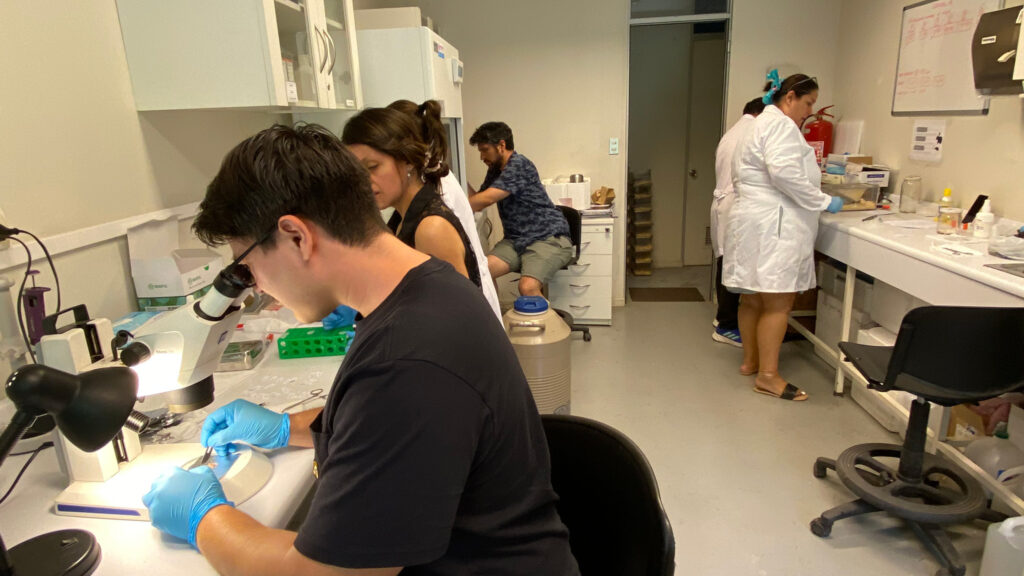
Inside the FRAXA Drug Validation Initiative: Advancing Fragile X Treatments
FRAXA-DVI is revolutionizing Fragile X syndrome research, providing efficient, comprehensive and objective preclinical testing of potential treatments.
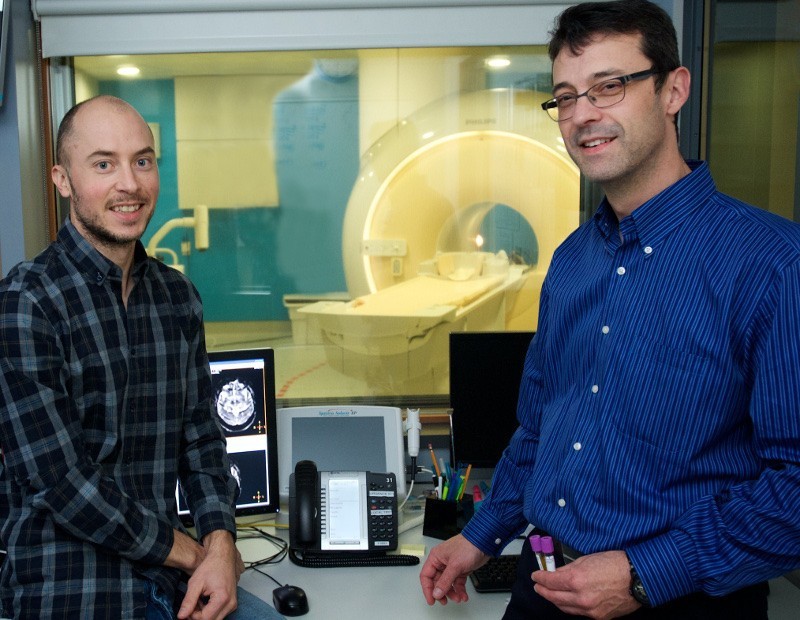
Lovamix: Clinical Trial of Combined Treatment of Minocycline and Lovastatin in Fragile X Syndrome
FRAXA funded the LovaMiX trial of lovastatin + minocycline for Fragile X. 2022 results show safety and support continued study of this dual-target treatment approach.

Drug Repurposing for Rare Disease and the Future of Health – The Genetics Podcast
In this episode Dr. Patrick Short talks to Dr. Bruce Bloom, CCO of Healx, and Dr. Mike Tranfaglia, CSO of FRAXA. about drug repurposing, machine learning, and Fragile X syndrome.
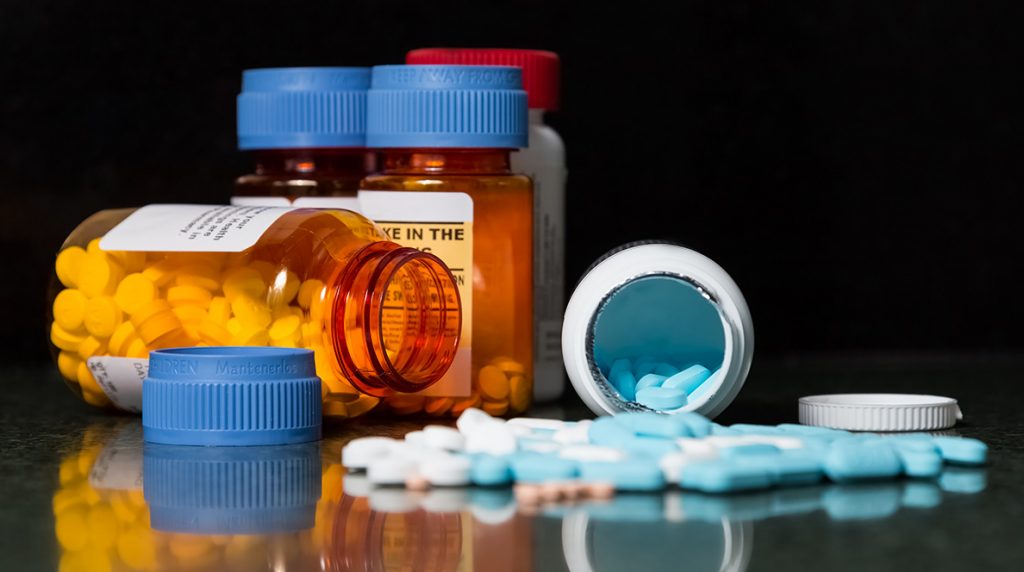
Considering Available Drugs for Fragile X: My Favorite Combination (So Far)
Which of the available drugs are best for managing fragile X syndrome? Most drugs have “off-target” effects which can have key advantages in some cases.

Results Reported: Using EEG Responses to Sound for Fragile X Drug Discovery
An obstacle in FXS research has been lack of reliable, unbiased biomarkers to assess herapies. This team found striking similarity in EEG biomarkers between mice and humans.

Healx Raises $56M to use AI to Find Treatments for Fragile X & Other Rare Diseases
Healx has secured $56M in new financing to build a clinical-stage portfolio for rare diseases, including treatments for Fragile X syndrome, and to launch a global Rare Treatment Accelerator program. Where the traditional drug discovery model takes more than a decade and can run into the billions of dollars, Healx’s AI-driven approach makes the process faster, more efficient and cost-effective.

Drug Duo Delivers Brain, Behavioral Benefits for Fragile X Syndrome
Administering a cholesterol drug alongside an antibiotic eases atypical behavior and restores the signaling balance in the brains of people with fragile X syndrome.
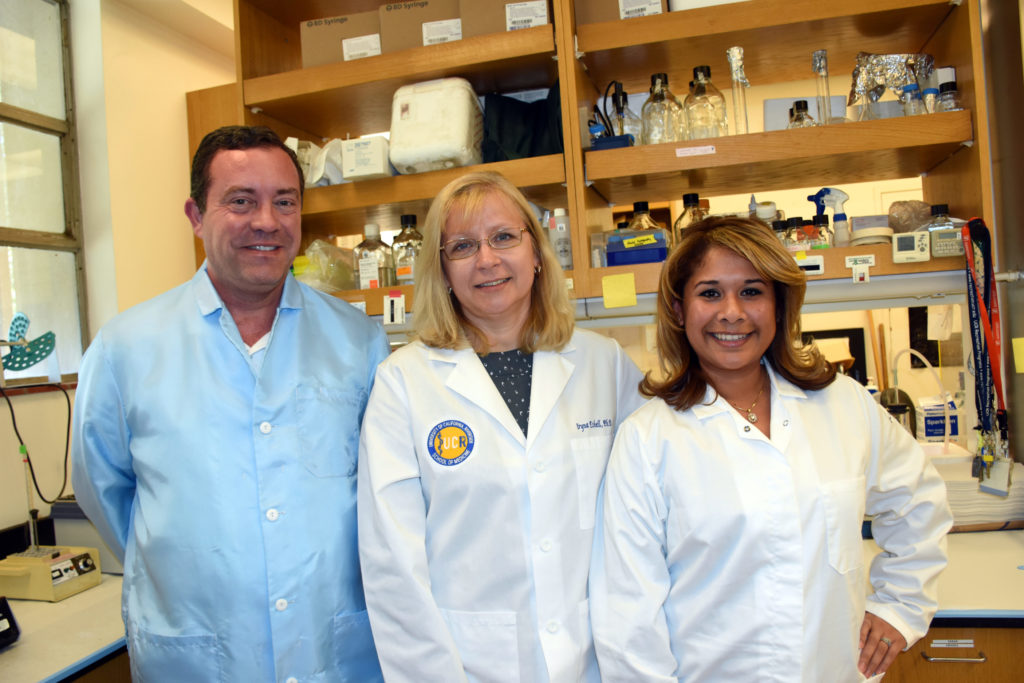
Understanding and Reversing Hypersensitivity to Sounds in Fragile X Syndrome
This FRAXA grant studied why people with Fragile X are overly sensitive to sound and tested drug strategies to calm the brain’s overactive auditory circuits.

In Their Own Words: Reports From the International Fragile X Workshop
The 18th International Fragile X Workshop in Quebec was a great success, featuring more Fragile X research than ever before!

Combinatorial Drug Treatment in a Model of Fragile X Syndrome using Novel Biomarkers
University of California researchers Khaleel Razak, PhD, and Jonathan W. Lovelace, PhD, explored drug combinations to limit hypersensitivity to sounds in Fragile X mice.

FRAXA Wins Award for Drug Repurposing
Cures Within Reach has awarded FRAXA Research Foundation the 2017 Golan Christie Taglia Patient Impact Philanthropy Award for efforts to find treatments for Fragile X syndrome.
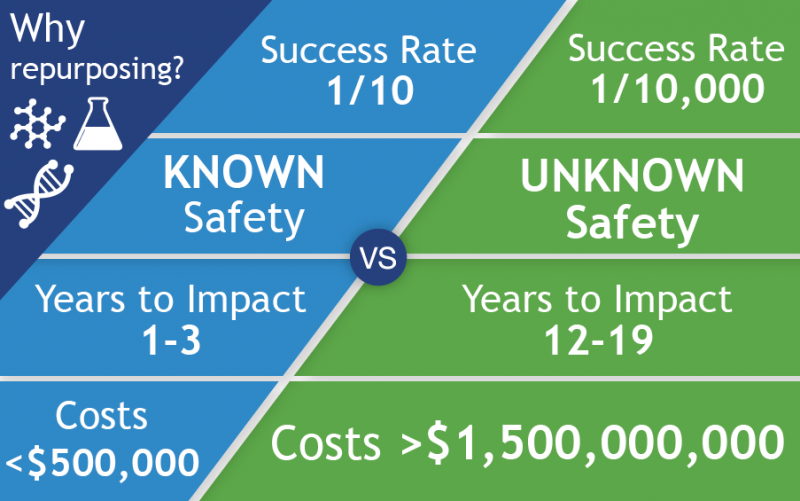
Repurposing Available Drugs to Treat Fragile X Syndrome – FRAXA Initiatives
FRAXA is identifying existing, approved drugs that could be repurposed for Fragile X, allowing potential treatments to move faster and at lower risk than starting from scratch.
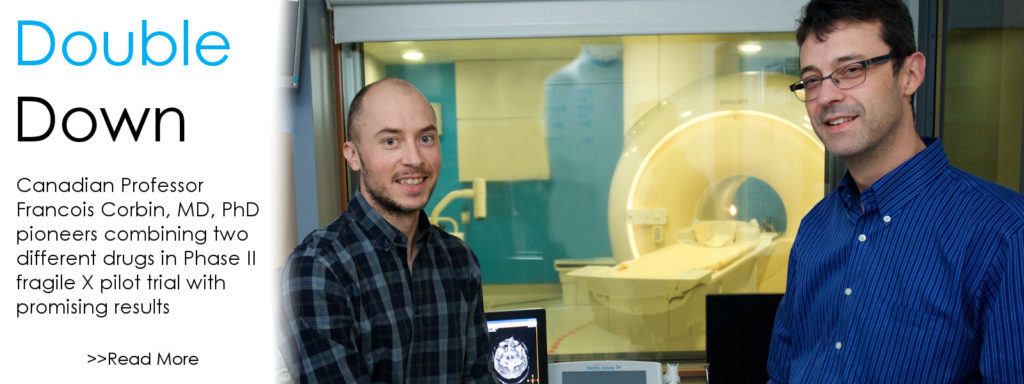
Double Down: Fragile X Clinical Trial Combines Two Available Drugs
FRAXA funded a trial combining lovastatin and minocycline to test whether targeting multiple pathways can improve brain activity and behavior in Fragile X.

Why Did Fragile X Clinical Trials of mGluR Antagonists Fail?
by Michael Tranfaglia, MD. In my opinion, the Fragile X clinical trials of AFQ056 sponsored by Novartis failed because of a dose range that was inadequate for Fragile X, and because of the unexpected development of tolerance.

Fragile X Syndrome Treatment Target: MMP-9
This paper shows that MMP-9 dysregulation is a critical part of the pathology of Fragile X, and MMP-9 should be considered a major treatment target for Fragile X syndrome.
Fragile X Clinical Trial: Novartis Trial Results Are In, and They’re Not Pretty
This year’s Gordon Conference just finished, and Novartis presented their results. To say that the trial results for AFQ056 were disappointing would be the understatement of the century!

Social Behavior as an Outcome Measure for Fragile X Clinical Trials
FRAXA funding helped identify reliable social behavior tests in Fragile X mice and showed an mGluR5 treatment could improve sociability, guiding future trials.

Matrix Metalloproteinase Therapeutic Treatments for Fragile X Syndrome
Dr. Broadie showed that MMP enzymes disrupt synapse development in Fragile X. MMP inhibitors (e.g. minocycline) improved connectivity and behavior in fruit flies.

Lovastatin Discovery in Fragile X Mice Leads FRAXA to Fund Clinical Trials
FRAXA honored Dr. Emily Osterweil for discovering that lovastatin can correct key Fragile X abnormalities. Her findings were published in Neuron.

Effects of minocycline on vocal production and auditory processing in a mouse model of Fragile X
With FRAXA funding, Dr. Khaleel Razak and Dr. Iryna Ethell explored robust biomarkers relevant to the FXS and the efficacy of minocycline treatment.
Clinical Trials FAQ ← Frequently Asked Questions
Wondering which Fragile X trial is right? Eligibility varies, so most families qualify for just one. Talk with your closest clinic to find the best fit.
What Works, and What Doesn’t
Early on, no one knew which path would work. Now the results are clear, and they’re directing FRAXA toward the next major Fragile X treatment breakthrough.

Pilot Clinical Trial of Lithium in Fragile X Shows Promising Results
With $65K from FRAXA, Dr. Berry-Kravis at Rush University ran a pilot lithium trial in 15 Fragile X patients. Results published.

Encouraging Results from First Trial of Minocycline in Fragile X
A clinical trial of minocycline in children with Fragile X found significantly better global improvement vs. placebo, supporting its safety and potential.