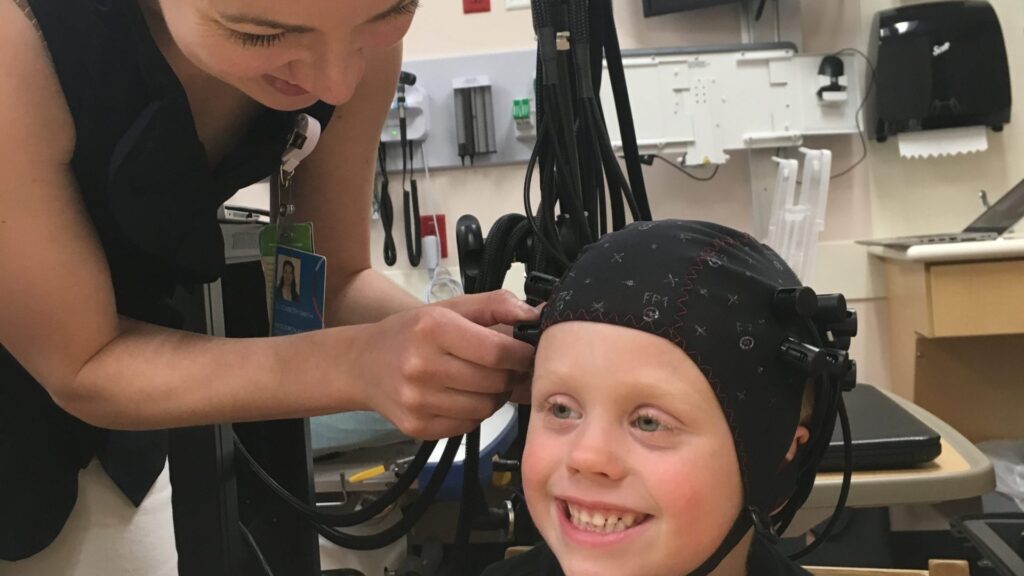
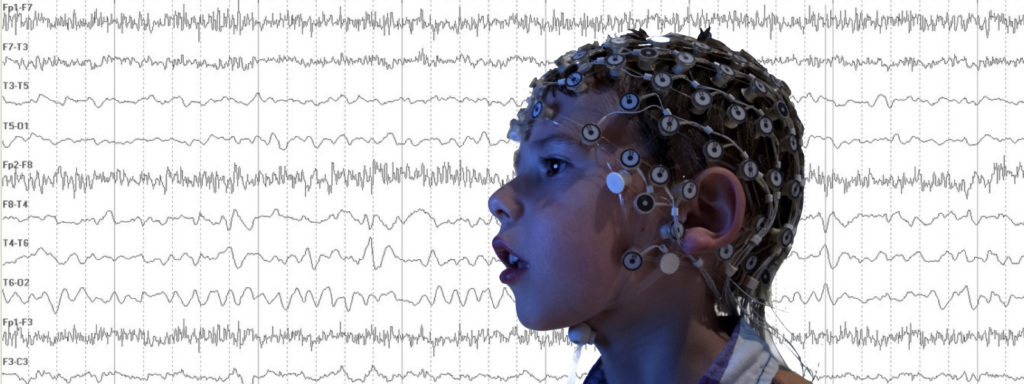
A $100,000 FRAXA grant to Cincinnati Children’s Hospital is simplifying and testing EEG technology for home use, improving clinical trial accessibility and efficiency.
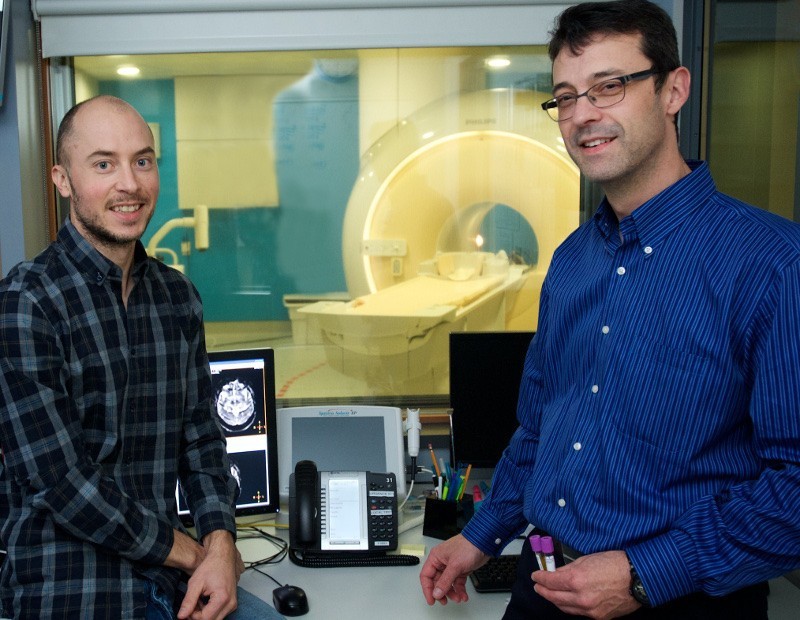
The team tested functional near-infrared spectroscopy (fNIRS). fNIRS uses light sources and sensors on the scalp to build a heat map of the brain in action.
A $200K FRAXA grant enabled a successful Phase 2 trial of a PDE4D inhibitor for adult men with Fragile X, showing strong cognitive gains without side effects or tolerance.
FRAXA funded the LovaMiX trial of lovastatin + minocycline for Fragile X. 2022 results show safety and support continued study of this dual-target treatment approach.
FRAXA-funded open-label trial found that metformin led to increased GABA-mediated cortical inhibition, suggesting metformin modulates core Fragile X pathways.
AI and FRAXA-DVI identified a drug + supplement combo that reversed all Fragile X symptoms in mice. A clinical trial tested this in adults with Fragile X.
Why does obesity challenge so many people with Fragile X? Dr. Caku’s team has found that Fragile X syndrome causes changes in the tiny organisms that live in our gut.
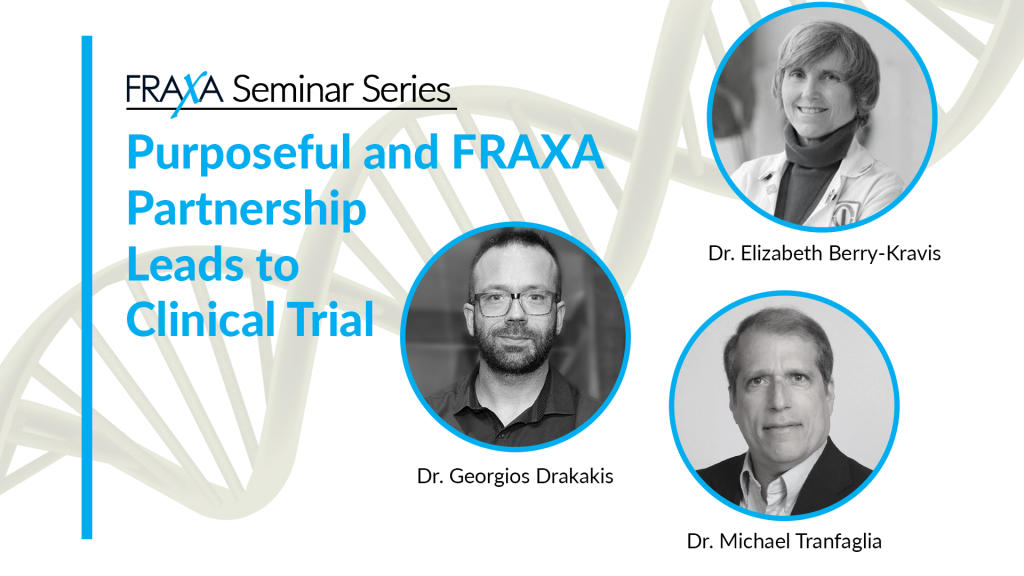
FRAXA funded a trial of AZD7325, a drug that boosts GABA(A), in adults with Fragile X. Led by Dr. Craig Erickson, it also tested innovative biomarkers for future trials.
Dr. Erickson’s trial targeted brain imbalance in Fragile X by boosting GABA signaling with AZD7325, aiming to restore excitatory–inhibitory balance and improve symptoms.
Dr. Frank Kooy and colleagues conducted a double blind crossover trial of ganaxolone in patients with Fragile X with FRAXA funding. Results of this study were mixed.
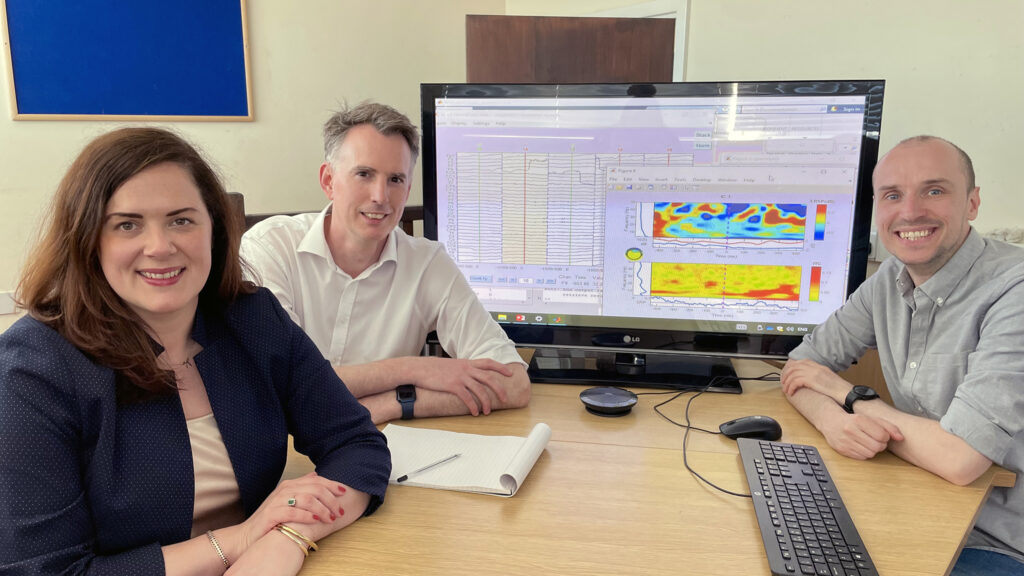
Once a neural marker is identified for a particular challenge, it can be measured during drug and behavioral therapy trials to see if a child is improving based on objective biological measures.
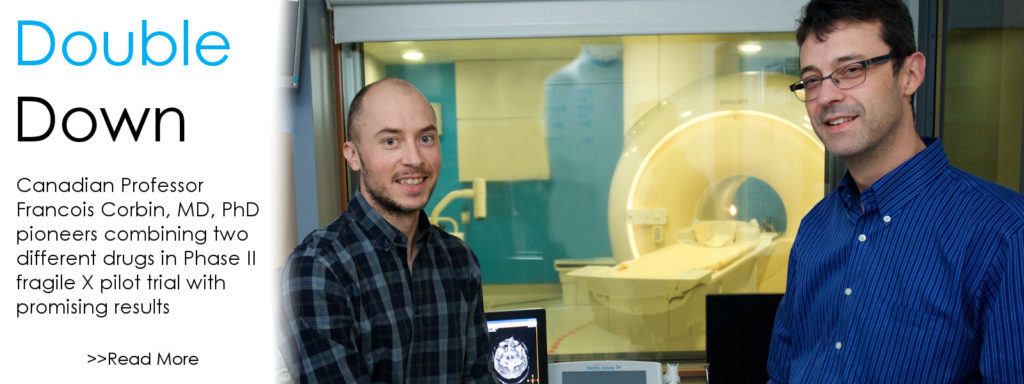
FRAXA funded a trial combining lovastatin and minocycline to test whether targeting multiple pathways can improve brain activity and behavior in Fragile X.
No strong behavioral similarities were found between parents and children with Fragile X, indicating family history may not guide clinical trial recruitment.
An early trial of green tea extract EGCG improved cognition in Fragile X. It targets ERβ and reduces overactive PI3K/mTOR/ERK signaling linked to FXS symptoms.
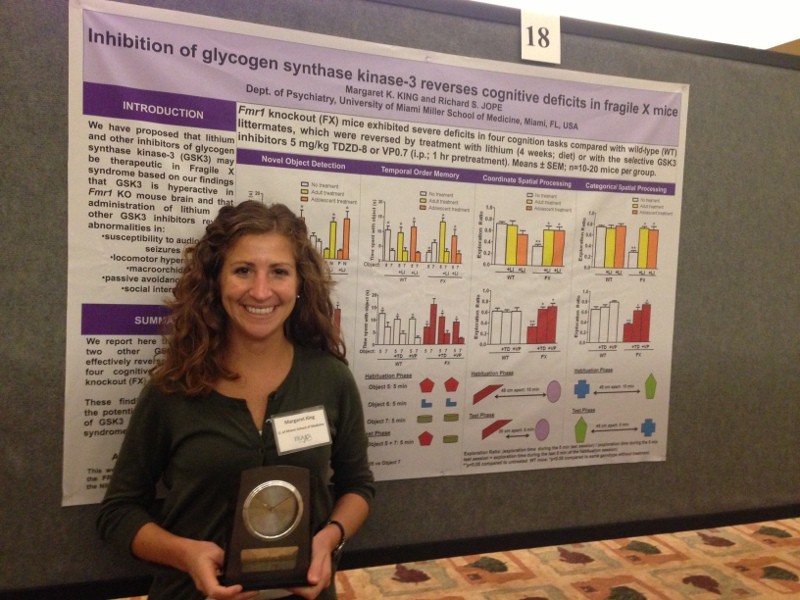
FRAXA funding helped identify reliable social behavior tests in Fragile X mice and showed an mGluR5 treatment could improve sociability, guiding future trials.
A clinical trial of minocycline in children with Fragile X found significantly better global improvement vs. placebo, supporting its safety and potential.
With a $10,000 FRAXA grant, Dr. David Hessl at UC Davis analyzed the Aberrant Behavior Checklist as a key outcome measure for Fragile X. Results were published.