

Slack Potassium Channel Inhibitors to Normalize FMR1 Knockout Mice
FRAXA research grant enabled Yale researchers to investigate whether Slack potassium channel inhibitors can normalize behaviors in FMR1 knockout mice.
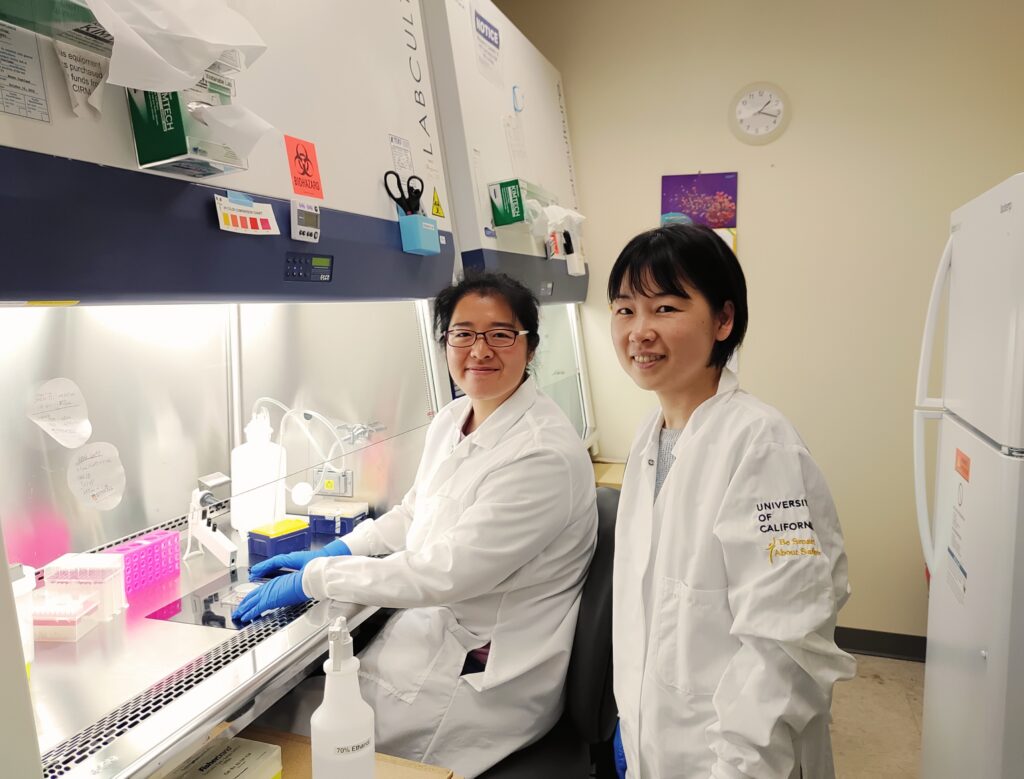
Modeling Fragile X Syndrome using Multi-Region Human Brain Organoids
The team is developing new, more accurate Fragile X brain organoids to help researchers study neural circuit problems and accelerate testing of future treatments.
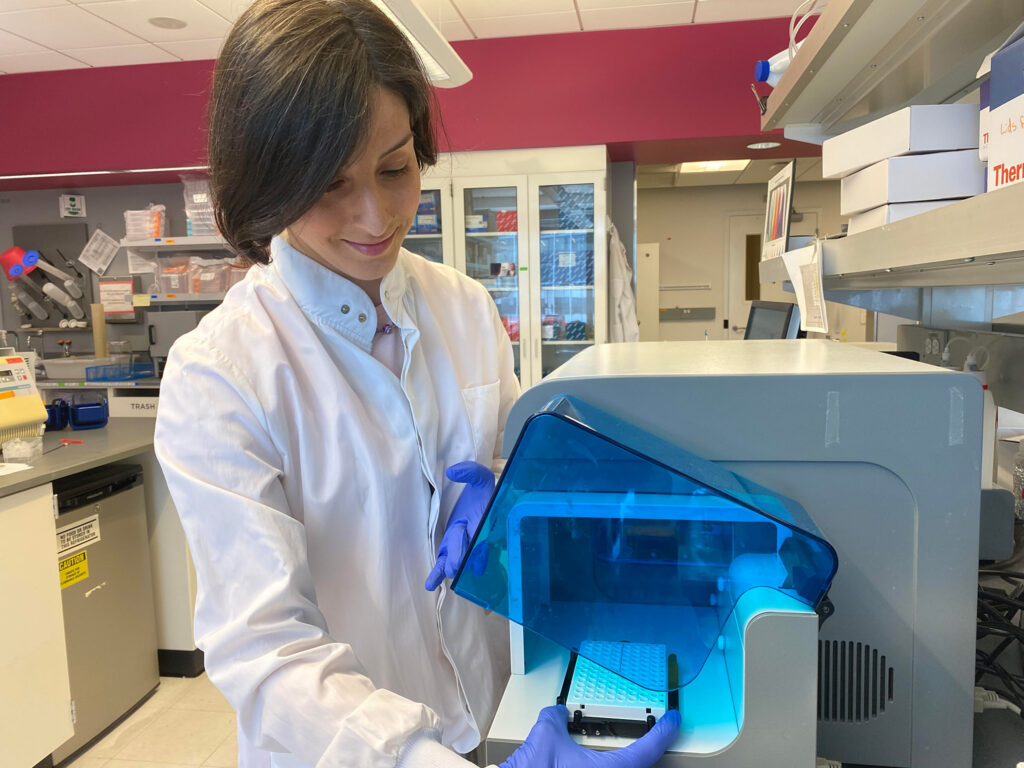
SRC Family Kinase Inhibitor as a Potential Treatment for Fragile X Syndrome
This $100,000 FRAXA grant will fuel the Smith lab’s new approach to treating Fragile X syndrome using Saracatinib, originally a cancer drug.
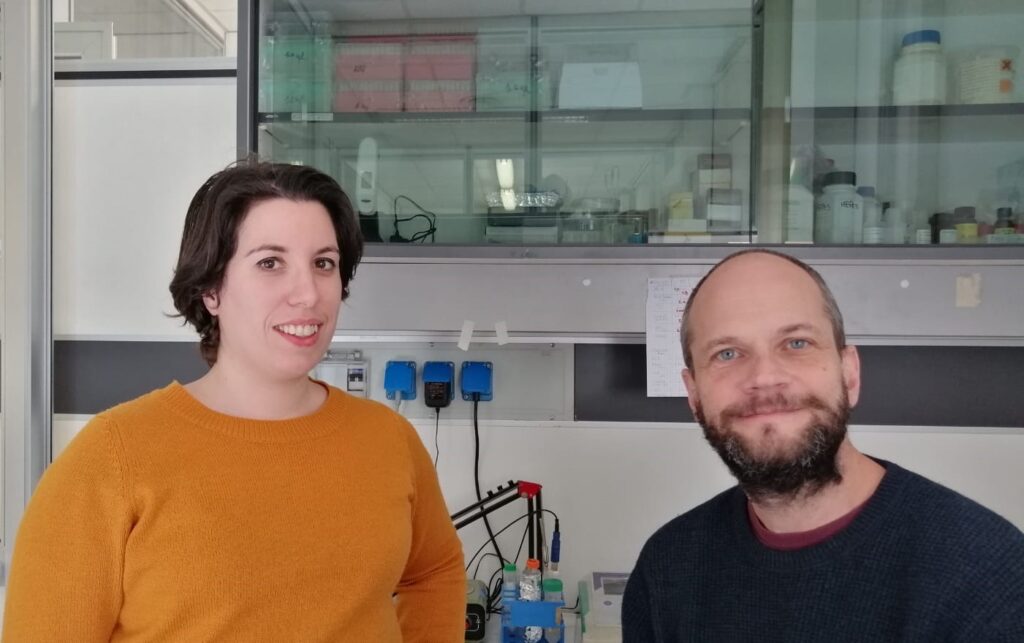
Using Exosomes to Discover Fragile X Biomarkers
Could a simple blood test show if a Fragile X treatment is working? This team is studying brain-derived exosomes as a new way to track treatment benefits.

Targeting Cognitive Function in Fragile X Syndrome
Why do males and females experience Fragile X differently? This team is studying brain signaling pathways to uncover sex-based differences and guide treatments.

Validating Novel Inhibitors of ERK Signalling to Treat Fragile X Syndrome
This team is testing ERK inhibitors — drugs that may calm overactive brain signaling in Fragile X. Early results in mice show strong benefits with minimal side effects.

Targeting Serotonin 1a Receptors to Reverse Neurobehavioral Phenotypes
Neurolixis’ new drug targets serotonin 1A receptors, showing promise in preclinical studies for Fragile X syndrome, funded by a FRAXA grant for future clinical trials.

mRNA Therapy for Fragile X Syndrome
Dr. Kathryn Whitehead helped develop the science behind the COVID-19 vaccines. Her team adapted this technology to deliver the Fragile X mRNA to brain cells.
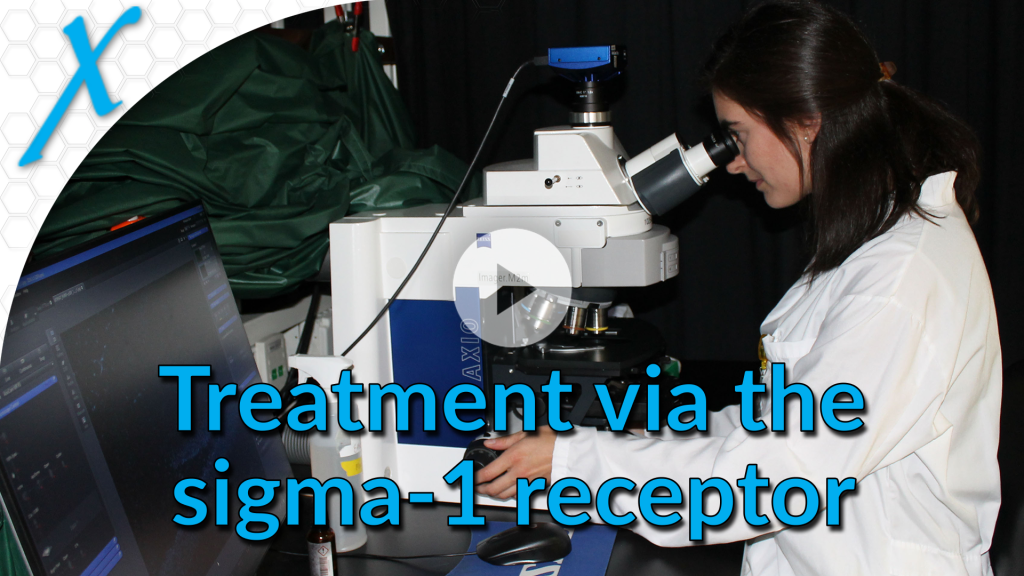
Sigma-1 Receptor as a Therapeutic Target for Fragile X Syndrome
Researchers will test sigma-1 receptor drugs—like fluvoxamine, which activates this pathway—to see if they can correct Fragile X brain cell abnormalities.

Fragile X Clinical Trial of New PDE4D Inhibitor from Tetra
A $200K FRAXA grant enabled a successful Phase 2 trial of a PDE4D inhibitor for adult men with Fragile X, showing strong cognitive gains without side effects or tolerance.
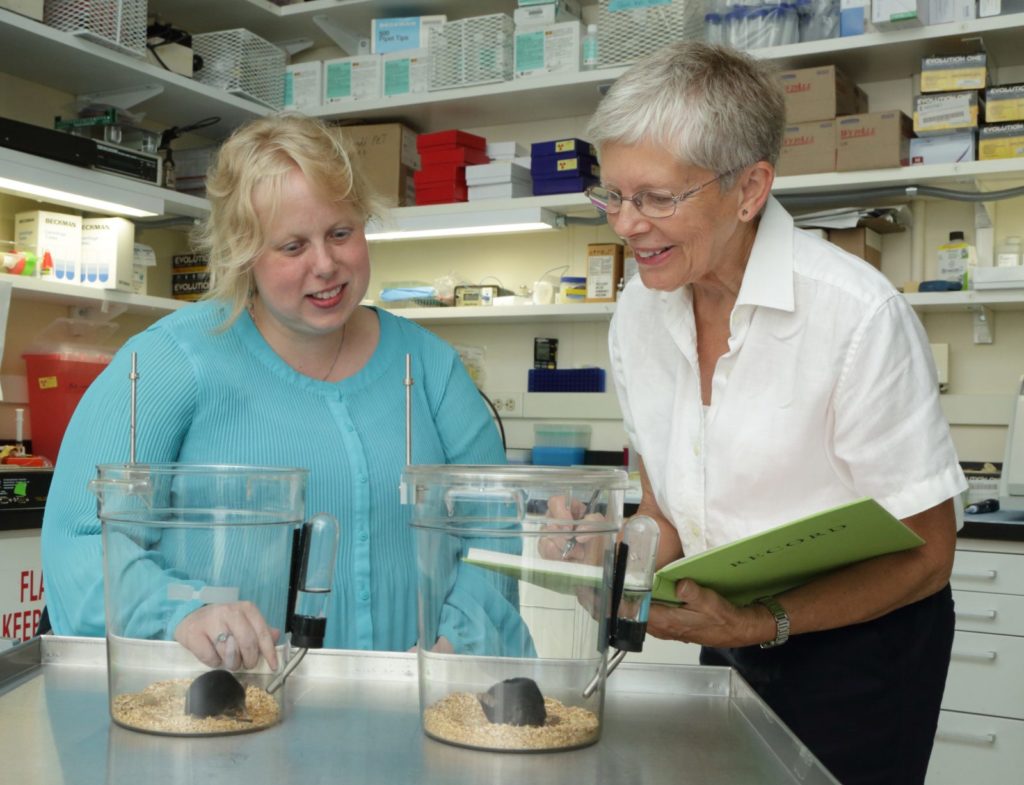
Altered Sleep in Fragile X Syndrome: Basis for a Potential Therapeutic Target
With this FRAXA grant, Dr. Carolyn B. Smith and Dr. Rache Sare at the National Institute of Mental Health investigated the basis of sleep problems in Fragile X syndrome.
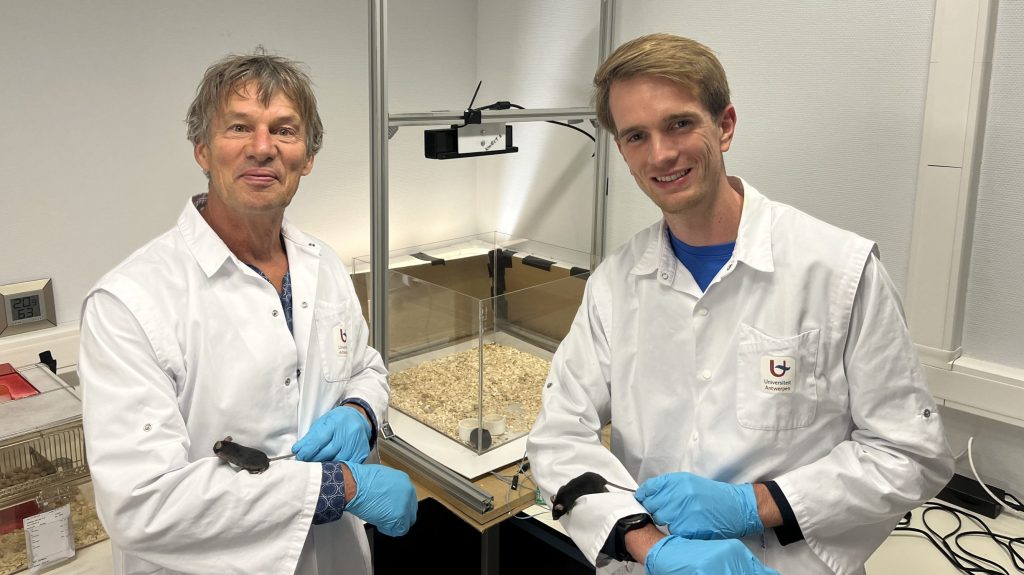
Versatile Drug Screening Platform for Fragile X Syndrome
Combinations of drugs may be needed to treat Fragile X syndrome. How can we find the best combinations in the ideal doses? This project tackles this challenge.
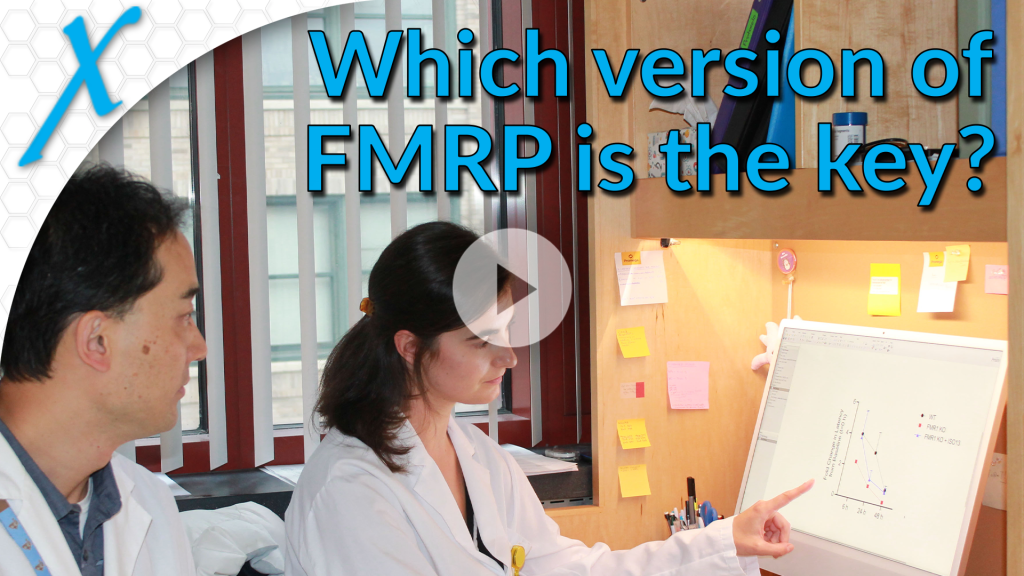
Human FMR1 Isoform-Specific Regulation of Translation and Behavior
FMRP has multiple forms, and this team will study which isoforms are most important for brain development. This is key for future FMRP replacement therapies.
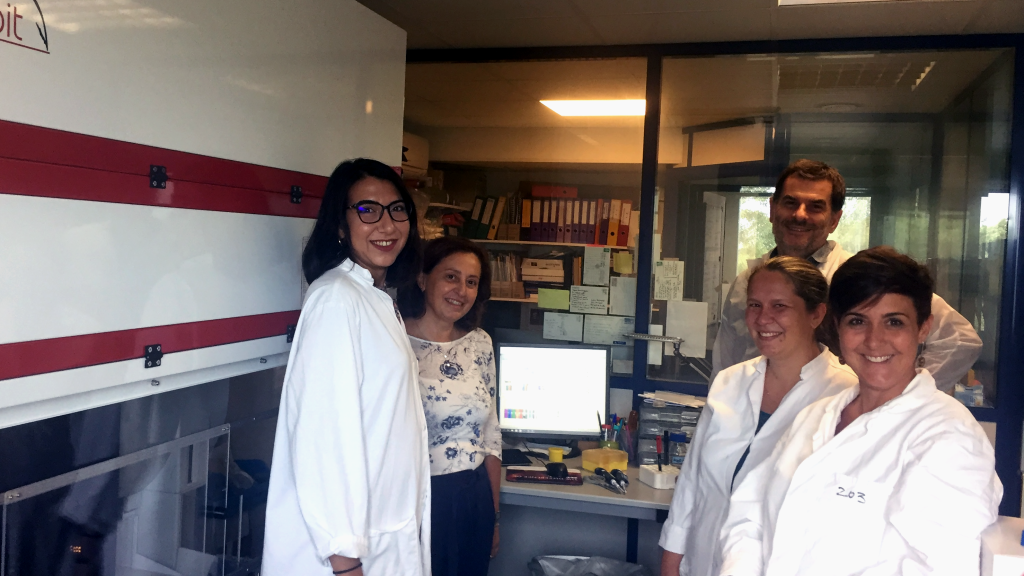
Functional and Genomic Characterization of Interneurons in the Fmr1-KO Mouse Brain
The brain’s balance is maintained by two types of neurons: excitatory and inhibitory. This team has found fewer than normal inhibitory cells in Fragile X mice.

Function of FMRP and Test of a Novel Therapeutic Approach in a Fragile X Mouse Model
FRAXA-supported work has identified DgkK as a critical enzyme lost in Fragile X. Drugs that raise DgkK levels may correct brain signaling and improve symptoms.
Targeting Serotonin 1A Receptors in Fmr1 Knockout Mice
Boosting serotonin 1A receptors may reduce excess brain activity in Fragile X. This study will test serotonin-1A–targeting compounds in mice to guide future treatments.
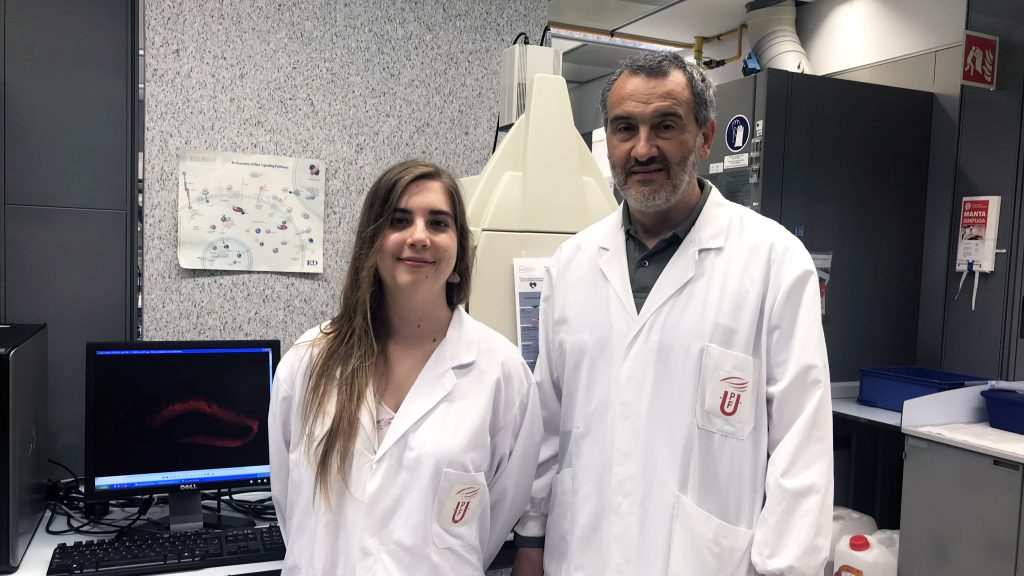
Transcriptional Signatures Sensitive to Cognition-Improving Pharmacological Treatments in Fragile X Syndrome
This team is defining Fragile X “molecular signatures” to use as biomarkers. They’ll test CBD and other drugs in mice and compare findings to human brain data.
Repurposing FDA-Approved Drugs to Treat Major Depressive Disorder in Fragile X Syndrome
Depression is common in Fragile X, but current antidepressants need FMRP to work. Researchers will screen FDA-approved drugs to find effective options for FXS.

Correcting Fragile X Syndrome Deficits by Targeting Neonatal PKCε Signaling in the Brain
Enhancing PKCε in early development normalized oxytocin, AMPAR signaling, and adult behavior in Fragile X mice, highlighting PKCε as a promising therapeutic target.
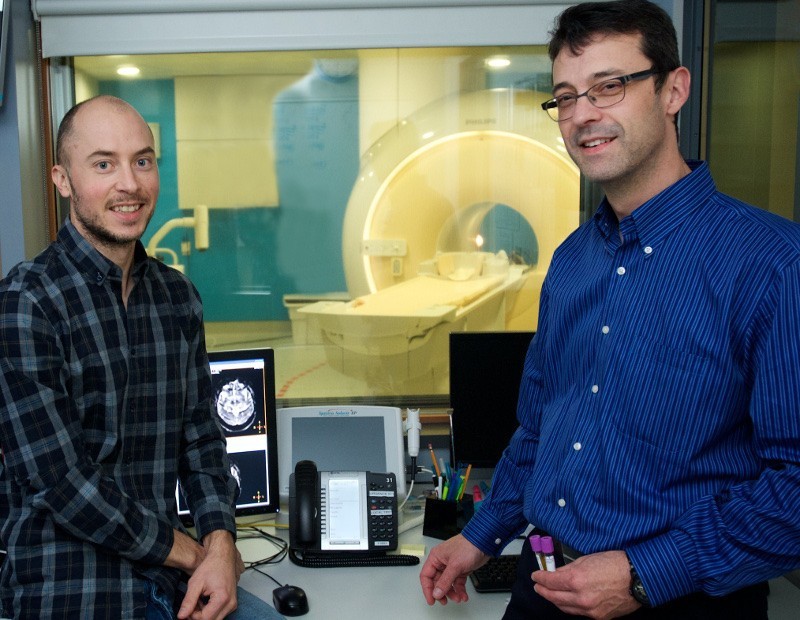
Lovamix: Clinical Trial of Combined Treatment of Minocycline and Lovastatin in Fragile X Syndrome
FRAXA funded the LovaMiX trial of lovastatin + minocycline for Fragile X. 2022 results show safety and support continued study of this dual-target treatment approach.
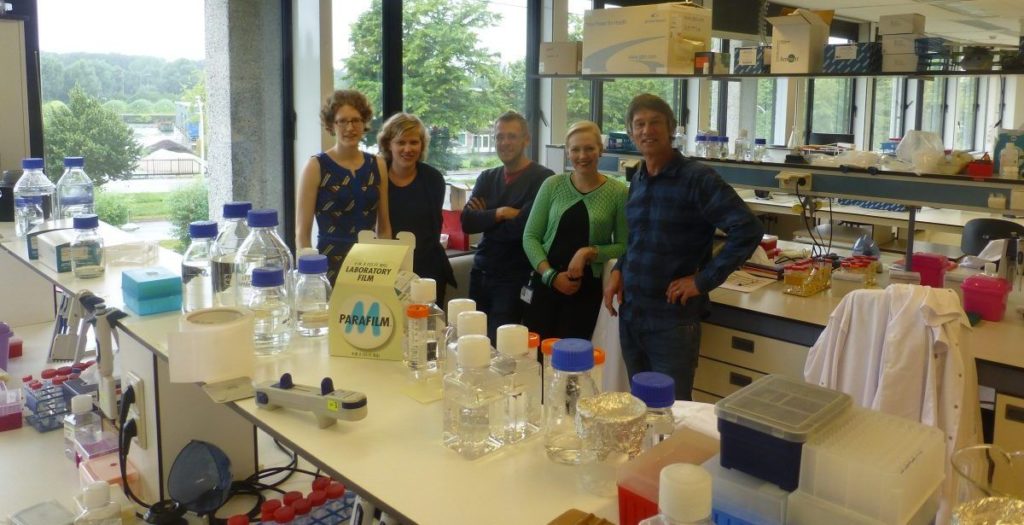
GABA-A Receptor in Fragile X Syndrome
Published results from Dr. Frank Kooy reveal how GABAA receptor changes may hold the key to treating Fragile X syndrome.
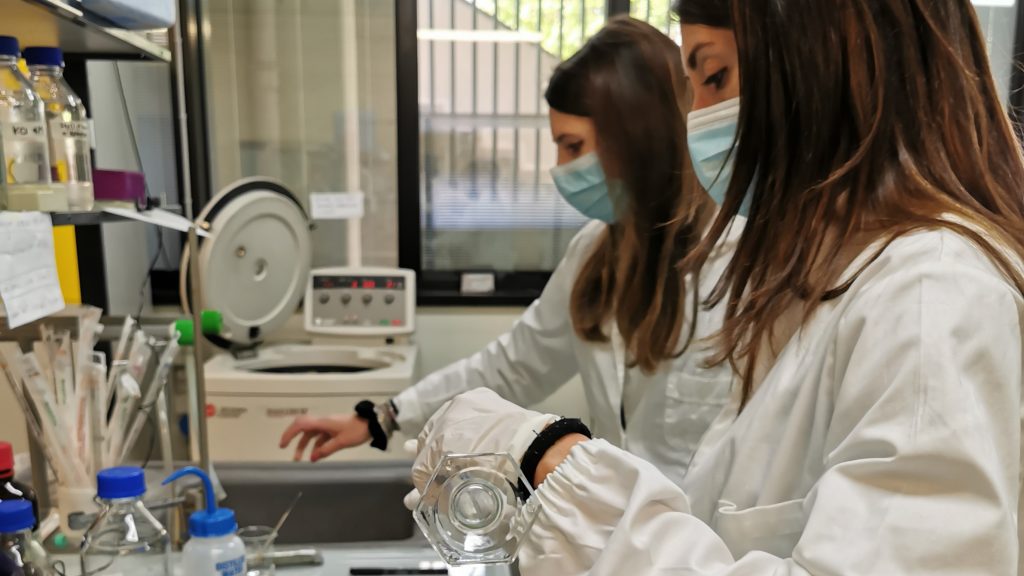
Characterization of a Novel CYFIP1 – Derived Peptidomimetic Restoring the Dysregulated mRNAs Translation: Toward An Innovative Therapeutic Strategy for FXS
This team is designing tiny “peptidomimetic” drugs that mimic FMRP’s function to rebalance protein production in the brain, aiming to treat Fragile X at its source.
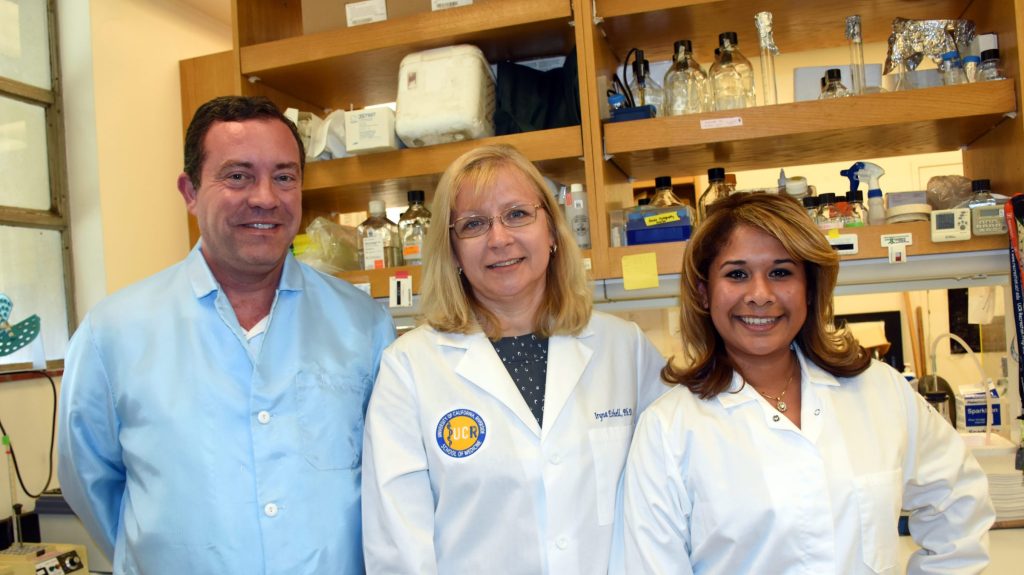
Cannabinoids as a Treatment for Fragile X Syndrome
This team uses EEG to study sensory hypersensitivity in Fragile X. By testing drugs in mice, they aim to find treatments that calm brain overactivity.
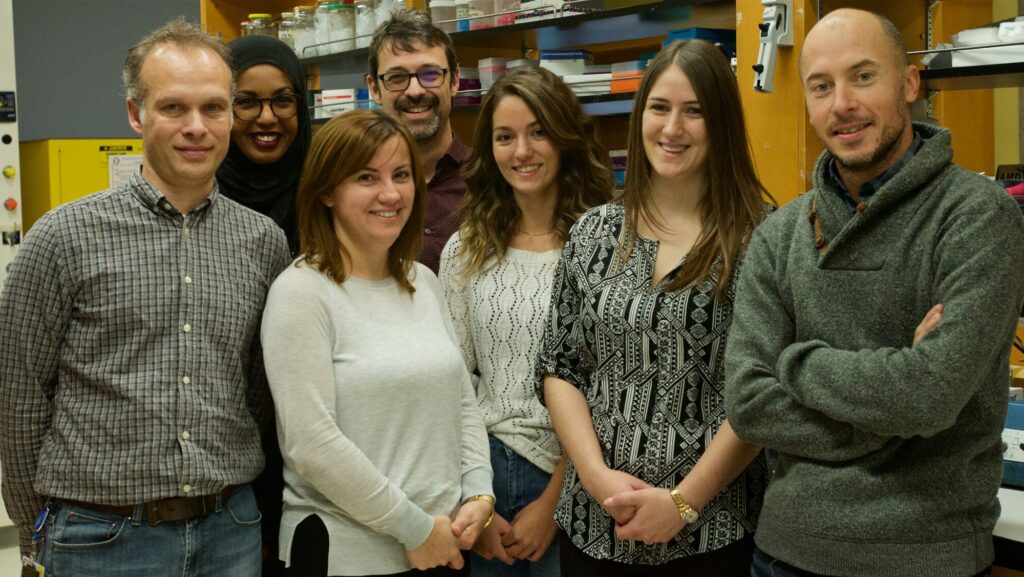
Clinical Trial of Metformin for Fragile X Syndrome
FRAXA-funded open-label trial found that metformin led to increased GABA-mediated cortical inhibition, suggesting metformin modulates core Fragile X pathways.