

FRAXA Drug Validation Initiative (FRAXA-DVI)
The FRAXA Drug Validation Initiative (FRAXA-DVI) provides streamlined, cost-effective preclinical testing to evaluate investigational and repurposed compounds for Fragile X syndrome.

Clinical Study of Non-Invasive EEG for Children Ages 2-7
Dr. Carol Wilkinson, MD PhD at Boston Children’s Hospital recruited children ages 2-7 years with Fragile X syndrome to participate in a study of EEG.
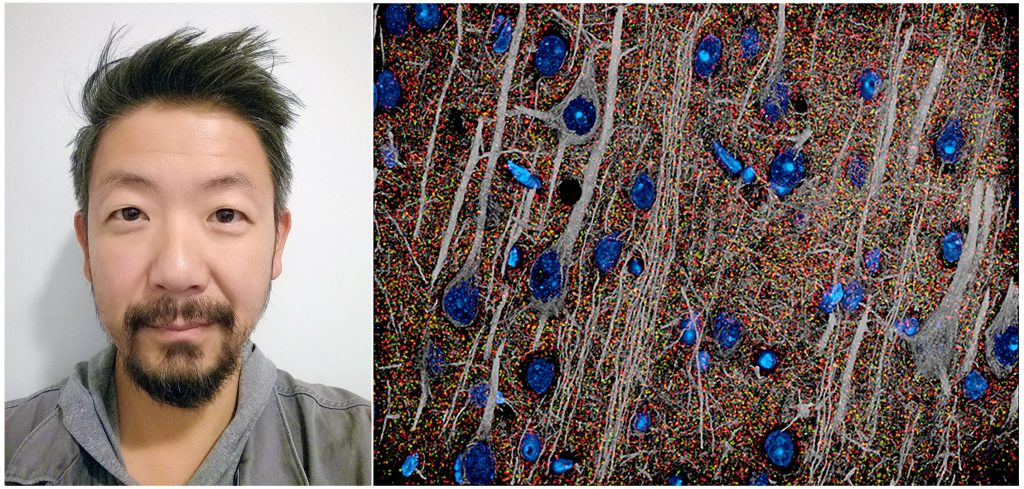
Screening Combinatorial Pharmacological Therapies for Fragile X Syndrome
This Stanford University team assessed combinatorial drug treatments to correct a broad spectrum of deficits observed in Fragile X syndrome. Results published.
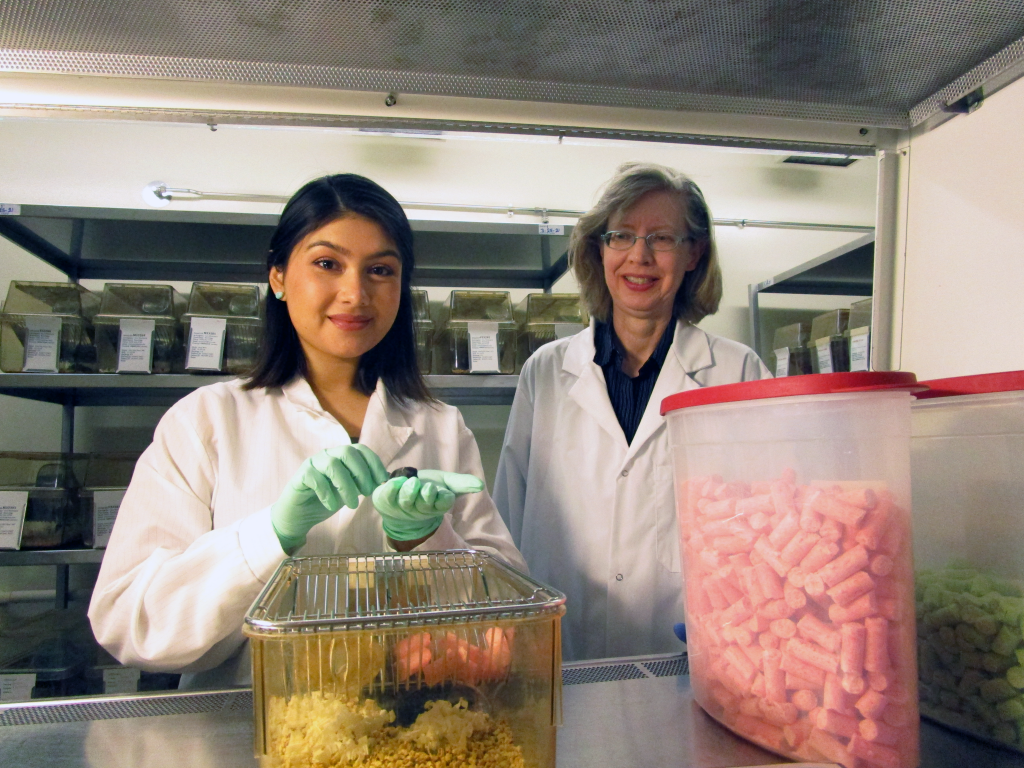
Preclinical Testing of High Fat/Low Carb Diets in Fragile X Mice and Cells
Dr. Cara Westmark’s team will use mice to determine if palatable Atkins-type diets can improve sleep and boost learning skills for those with Fragile X syndrome.
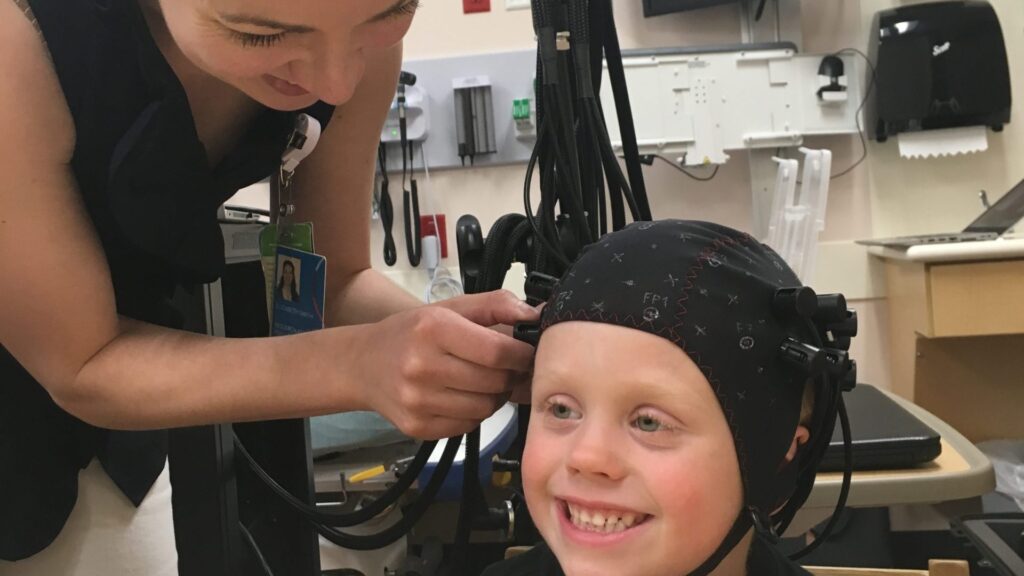
fNIRS to Measure Treatment Response in Young Children with Fragile X
The team tested functional near-infrared spectroscopy (fNIRS). fNIRS uses light sources and sensors on the scalp to build a heat map of the brain in action.

Reactivating the FMR1 Gene to Reverse Fragile X Syndrome
This project aims to reactivate the FMR1 gene to combat Fragile X Syndrome, with the goal of restoring vital protein function. This work is now funded by a new FRAXA grant.
Repurposing FDA-Approved Drugs to Treat Major Depressive Disorder in Fragile X Syndrome
Depression is common in Fragile X, but current antidepressants need FMRP to work. Researchers will screen FDA-approved drugs to find effective options for FXS.
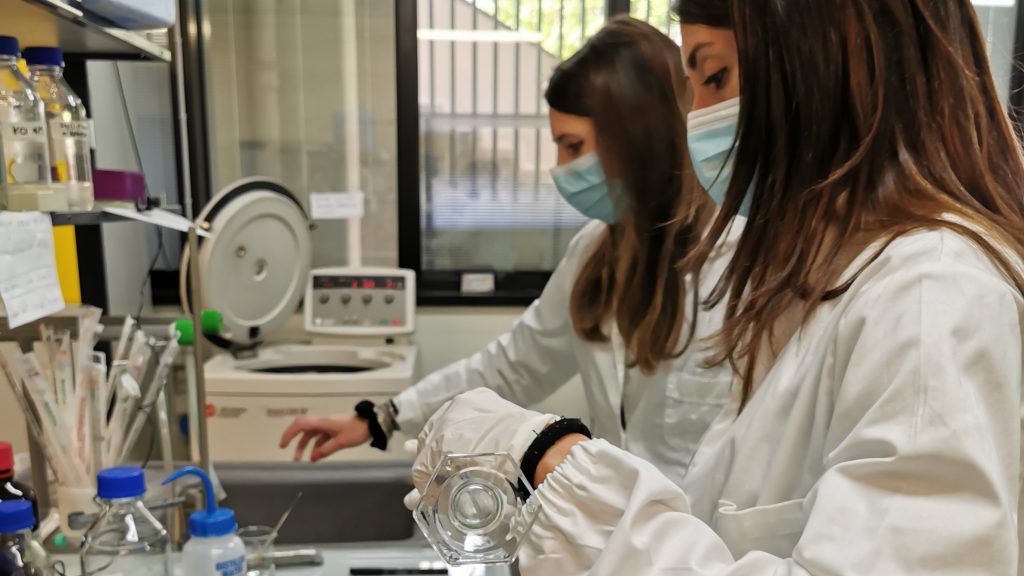
Characterization of a Novel CYFIP1 – Derived Peptidomimetic Restoring the Dysregulated mRNAs Translation: Toward An Innovative Therapeutic Strategy for FXS
This team is designing tiny “peptidomimetic” drugs that mimic FMRP’s function to rebalance protein production in the brain, aiming to treat Fragile X at its source.
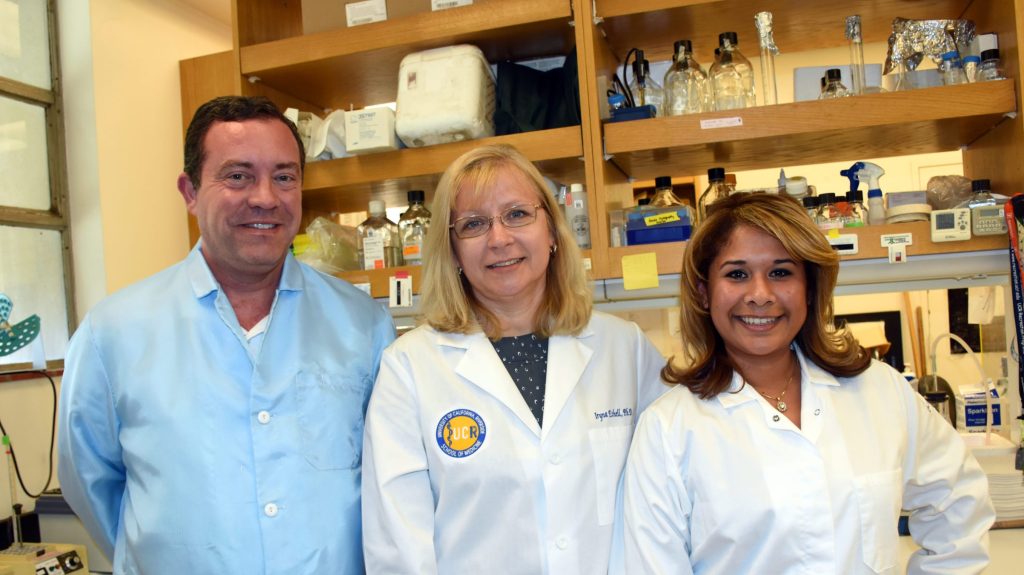
Cannabinoids as a Treatment for Fragile X Syndrome
This team uses EEG to study sensory hypersensitivity in Fragile X. By testing drugs in mice, they aim to find treatments that calm brain overactivity.
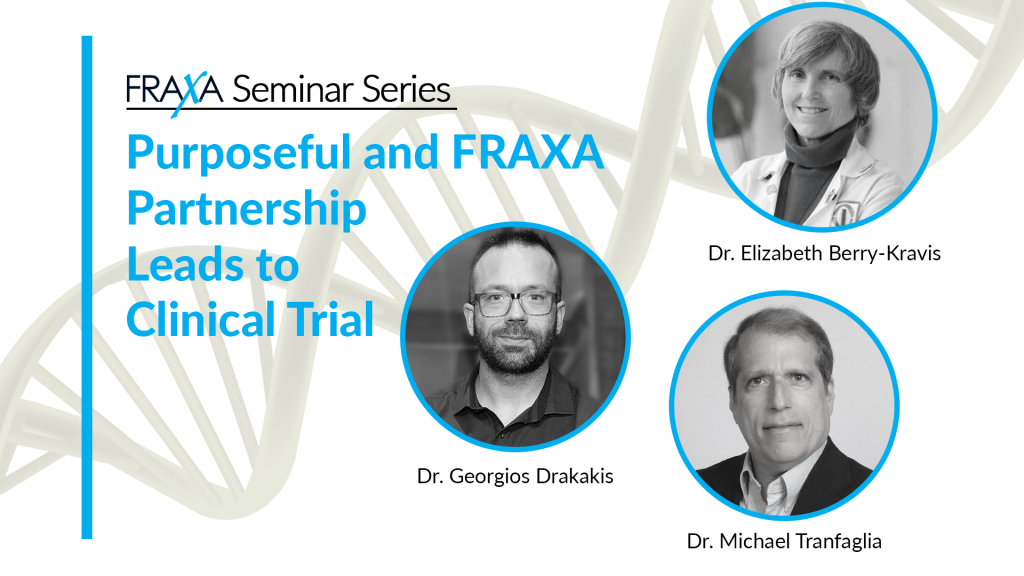
Purposeful and FRAXA Partnership Leads to Clinical Trial
AI and FRAXA-DVI identified a drug + supplement combo that reversed all Fragile X symptoms in mice. A clinical trial tested this in adults with Fragile X.

Inhibiting Nonsense – Mediated mRNA Decay: A Potential Treatment Approach for Fragile X
This team previously discovered runaway nonsense-mediated mRNA decay (NMD) in cells of Fragile X patients. They will now test drugs to reduce NMD.
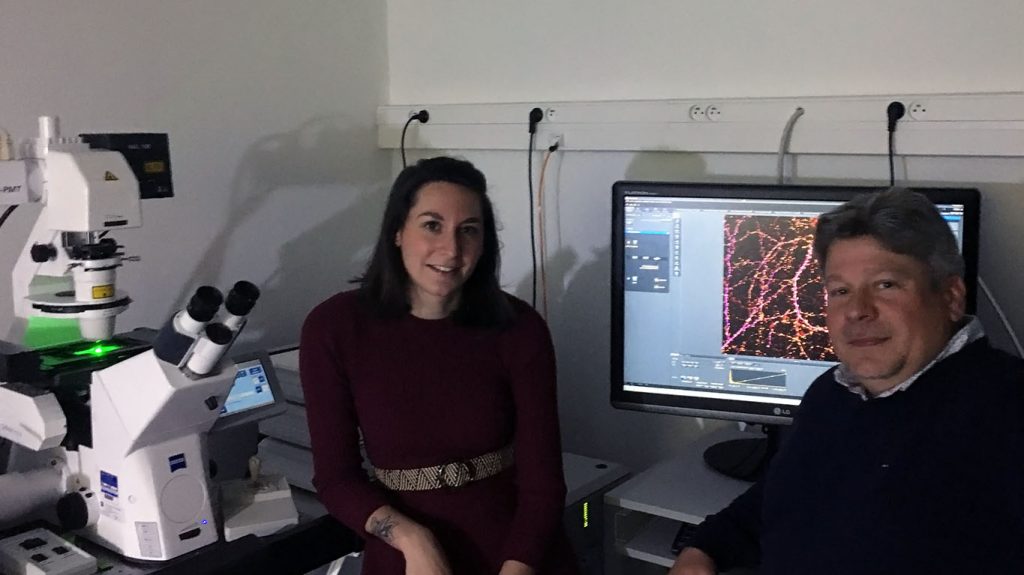
Exploring Drug Repurposing to Restore Hippocampal Function in FXS Mouse Models
This team found a key mechanism by which FMRP controls brain connections. They’ll test existing drugs that target this pathway to restore learning and memory in Fragile X.

Contribution of Microglia to the Therapeutic Effects of Metformin and Adiponectin in Fragile X Syndrome
Why are some with Fragile X always hungry or overweight, yet rarely diabetic? This team is studying metabolism and testing treatments like metformin and diet.
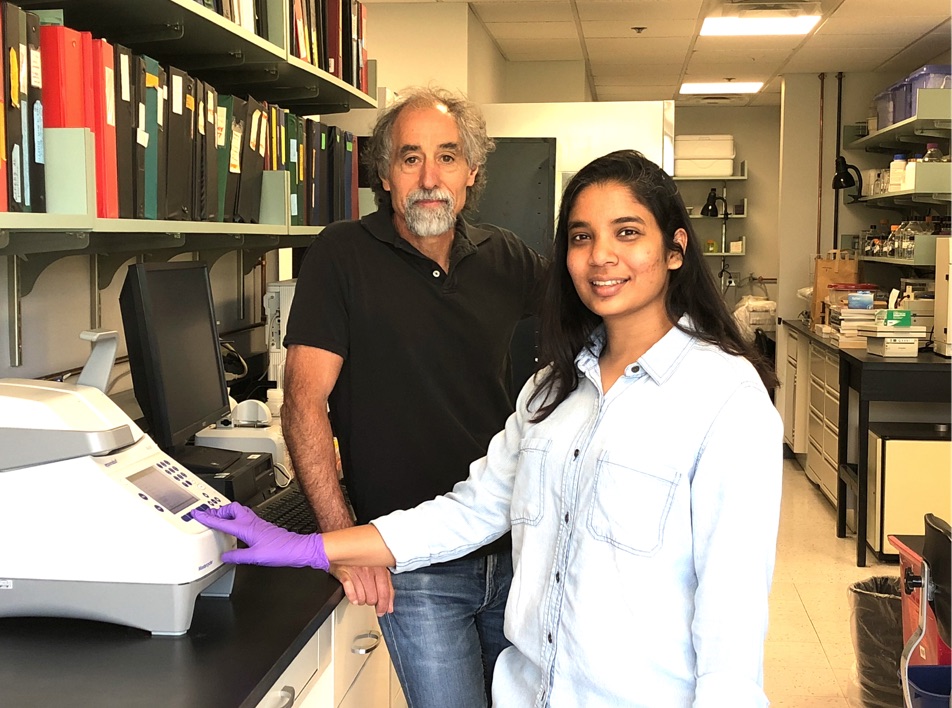
Alternative Splicing in White Blood Cells: A Biomarker for Fragile X Syndrome
This team found 1,600 blood-based Fragile X biomarkers that vary by individual—opening the door to personalized treatment and better ways to measure progress.

Link Between Lipid Profile, eCBome System and Gut Microbiome in Fragile X Syndrome
Why does obesity challenge so many people with Fragile X? Dr. Caku’s team has found that Fragile X syndrome causes changes in the tiny organisms that live in our gut.

Characterization of Microglia Transcriptional Profile in Fmr1 Knockout Mice Model
Microglia are excessively activated in Fragile X models. The team will investigate the mechanisms and attempt to correct this using drugs.

The Role of Astrocyte BMP Signaling in Fragile X Syndrome
Researchers found a pathway in astrocytes that is overactive in Fragile X syndrome, and they hope to bring this pathway back to normal with a drug.

Identifying Cellular and Molecular Signatures in Human Neurons That Distinguish Fragile X Syndrome Patients with Divergent EEG Profiles
Just as Fragile X affects individuals differently, medications do as well. This project aims to bring personalized medicine to Fragile X syndrome.
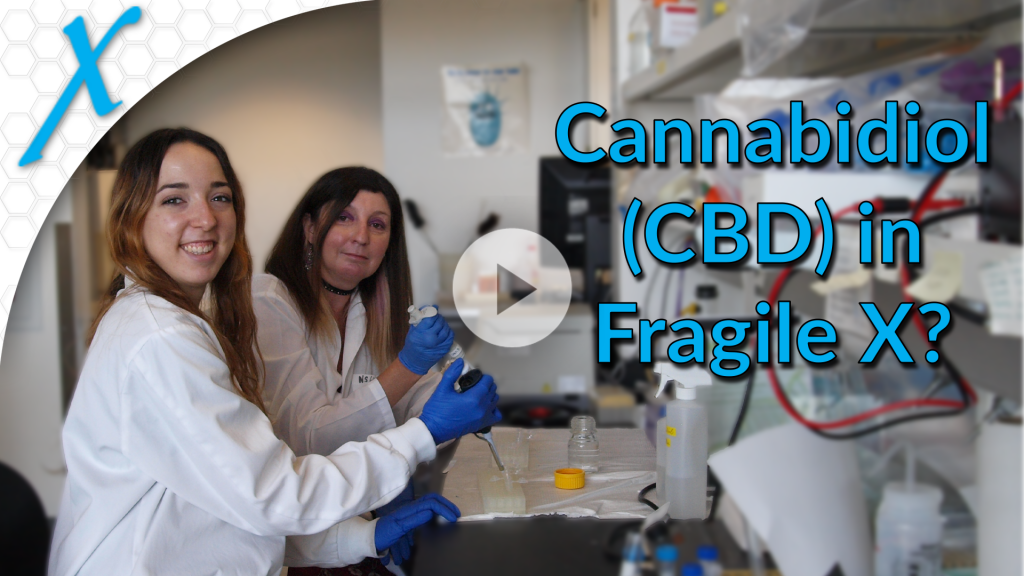
Pharmacotherapeutic Effects of Cannabidiol (CBD) in Fragile X syndrome (FXS) and Autism Spectrum disorder (ASD)
This study tested CBD (cannabidiol) treatment in male and female Fragile X mice to learn how and why it works and whether gender affects responses to CDB treatment.
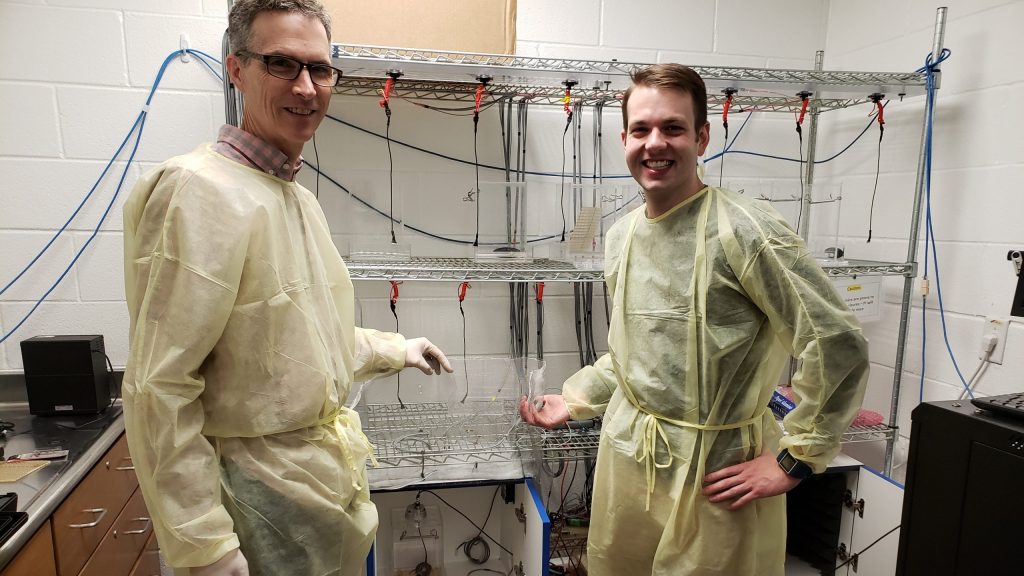
Auditory System Dysfunction and Drug Tolerance in the Fragile X Mouse
A $90K FRAXA grant will help uncover why Fragile X causes sound hypersensitivity and test ways to correct brain circuit dysfunction linked to auditory overload.

Gene Therapy Translational Studies for Fragile X Syndrome
With FRAXA funding, researchers tested AAV gene therapy to restore FMRP in Fragile X mice, measuring safety, effectiveness, and brain activity to inform future trials.

Screening 2,320 FDA-Approved Drugs for Potential Treatment of Fragile X
FRAXA funded a screen of 2,320 FDA-approved compounds in the Fragile X fly model to identify hits that improve memory and social behavior for advanced testing.
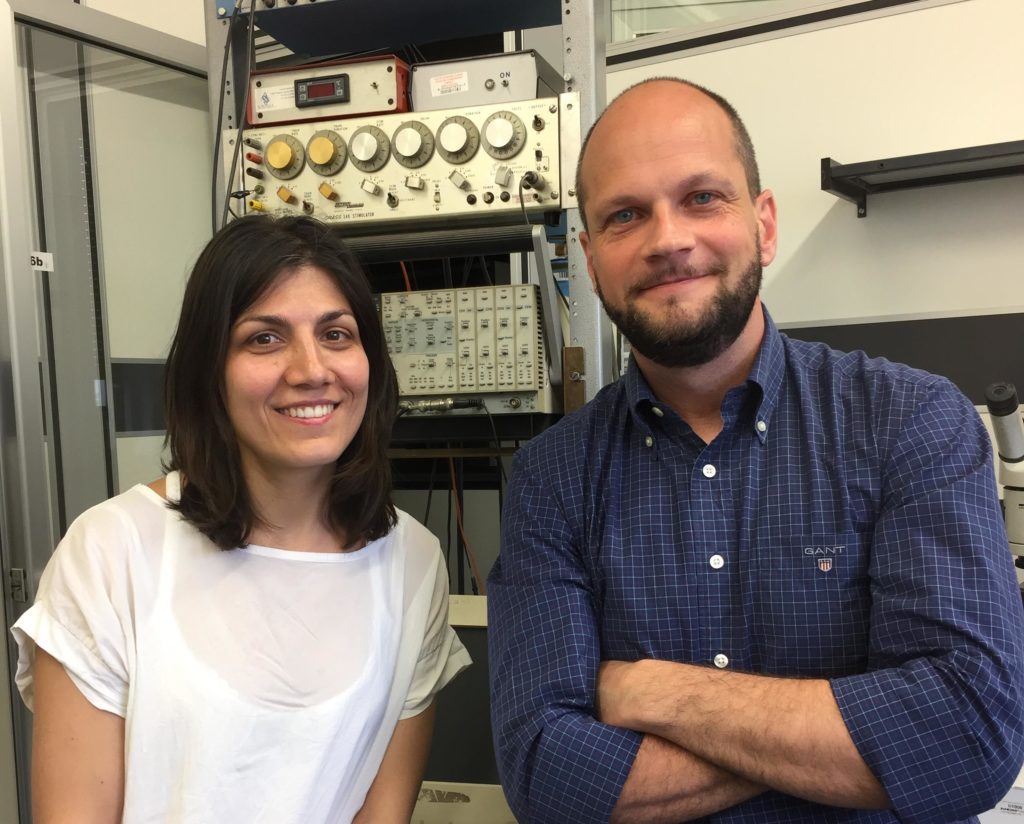
Coffee, Tea, and Chocolate: Adenosine Receptors in Fragile X
Could “caffeine-like” drugs help Fragile X? FRAXA funded research to test adenosine blockers, which may boost thinking and improve symptoms in Fragile X mice.

Fragile X Clinical Trial of AZD7325 in Adults
FRAXA funded a trial of AZD7325, a drug that boosts GABA(A), in adults with Fragile X. Led by Dr. Craig Erickson, it also tested innovative biomarkers for future trials.