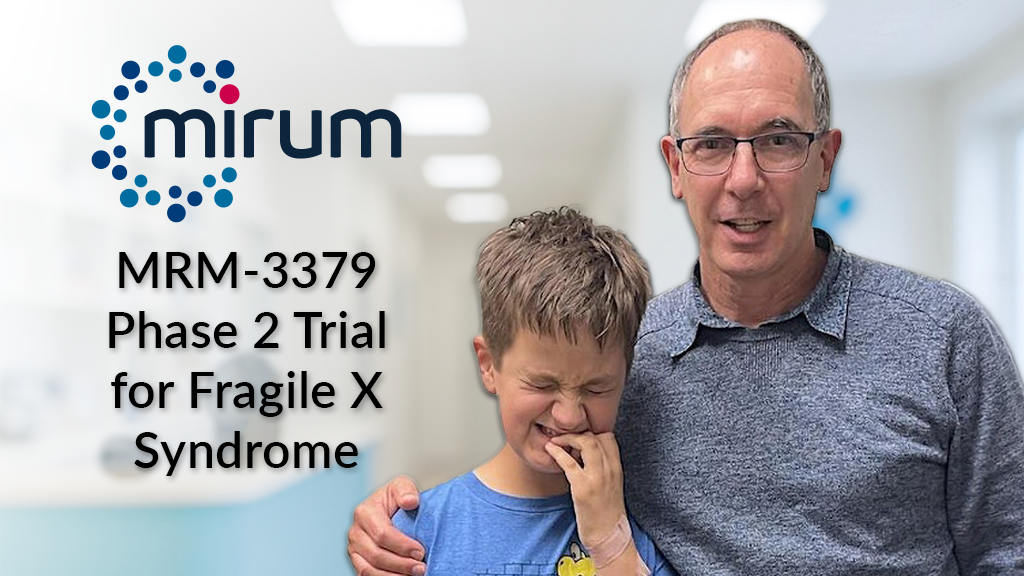
Recruiting: Mirum Launches Clinical Trial of MRM-3379 for Fragile X Syndrome
Mirum’s MRM-3379 Phase 2 trial builds on FRAXA-funded PDE4D research and is now enrolling males ages 13–45 with Fragile X syndrome. View eligibility and study sites.
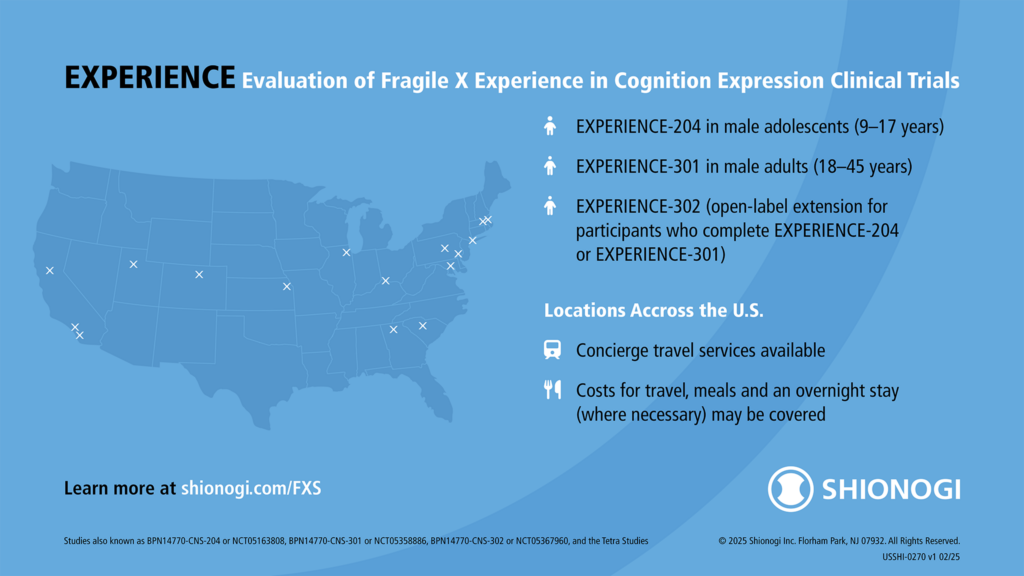
Shionogi’s EXPERIENCE Phase 3 Clinical Trial of Zatolmilast in Fragile X Syndrome
Learn more about Shionogi’s EXPERIENCE clinical trials for adults and adolescents with Fragile X syndrome, FRAXA’s role, and the open-label extension of these trials.

Clinical Study of Non-Invasive EEG for Children Ages 2-7
Dr. Carol Wilkinson, MD PhD at Boston Children’s Hospital recruited children ages 2-7 years with Fragile X syndrome to participate in a study of EEG.
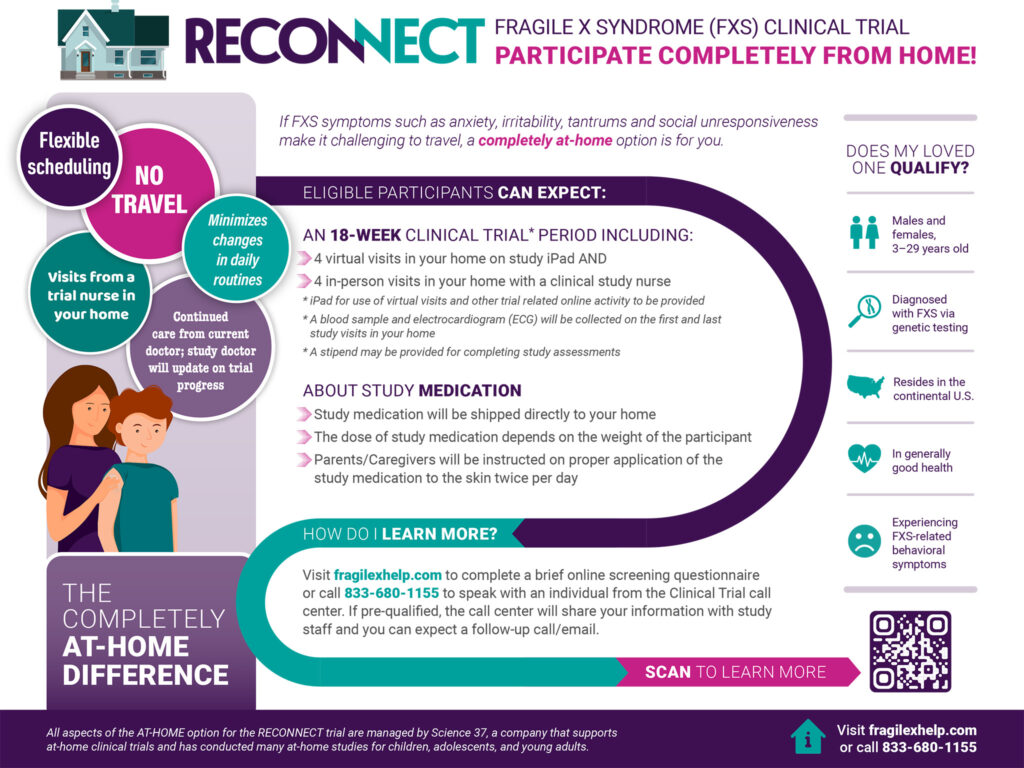
Harmony Biosciences Phase 3 Clinical Trial (RECONNECT) with At-Home Option
Harmony Biosciences’ RECONNECT Phase 3 trial of ZYN002 offered an at-home participation option. Unfortunately the trial reported negative results.
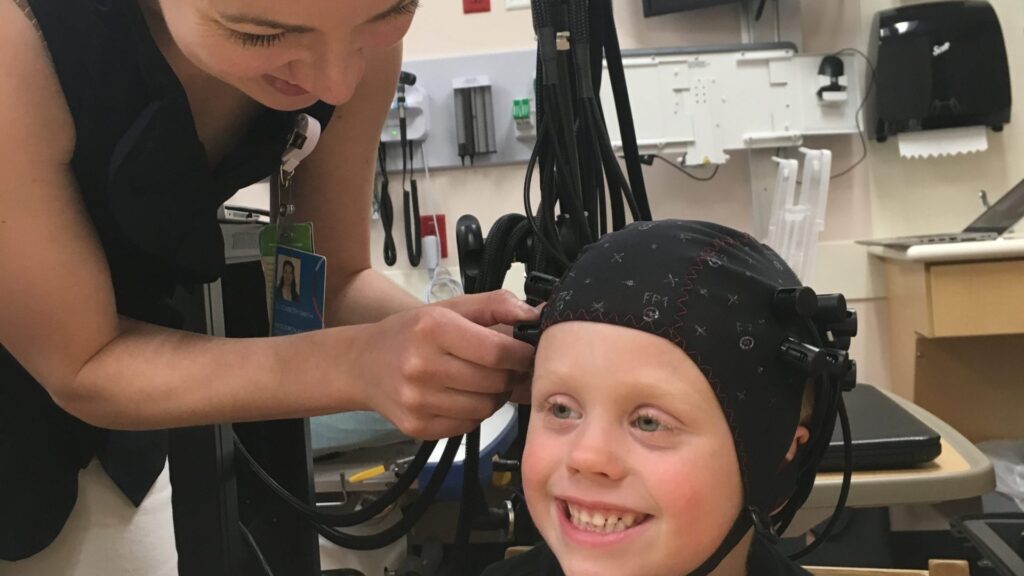
fNIRS to Measure Treatment Response in Young Children with Fragile X
The team tested functional near-infrared spectroscopy (fNIRS). fNIRS uses light sources and sensors on the scalp to build a heat map of the brain in action.

Unveiling Probiotic Potential in Fragile X Syndrome Clinical Trial
First of its kind in Serbia, this clinical trial explores probiotic intervention as a potential treatment avenue for Fragile X syndrome.

Fragile X Clinical Trial of New PDE4D Inhibitor from Tetra
A $200K FRAXA grant enabled a successful Phase 2 trial of a PDE4D inhibitor for adult men with Fragile X, showing strong cognitive gains without side effects or tolerance.
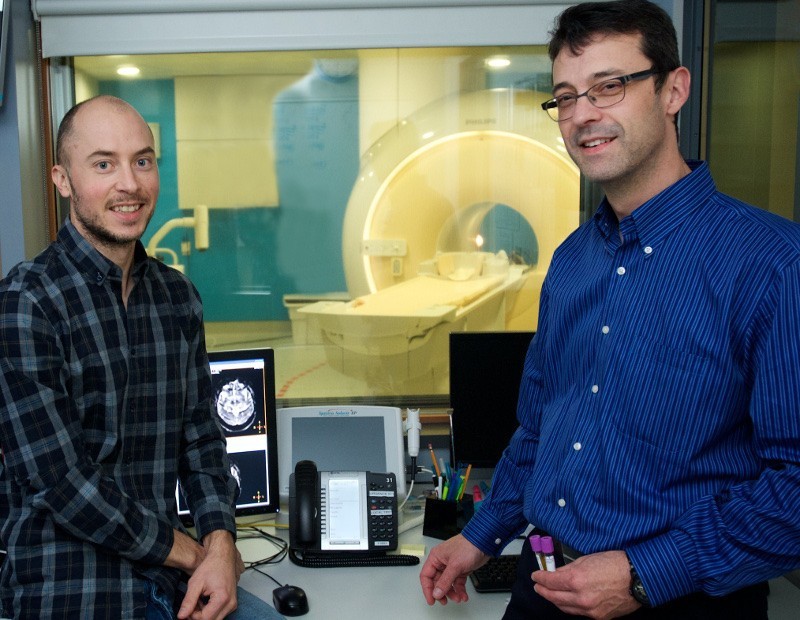
Lovamix: Clinical Trial of Combined Treatment of Minocycline and Lovastatin in Fragile X Syndrome
FRAXA funded the LovaMiX trial of lovastatin + minocycline for Fragile X. 2022 results show safety and support continued study of this dual-target treatment approach.

FX-Learn Clinical Trial for Children with Fragile X
Thirteen centers across the US enrolled young children with Fragile X in a large-scale clinical trial of Novartis AFQ056, an mGluR5 blocker for Fragile X which failed in adult human trials.
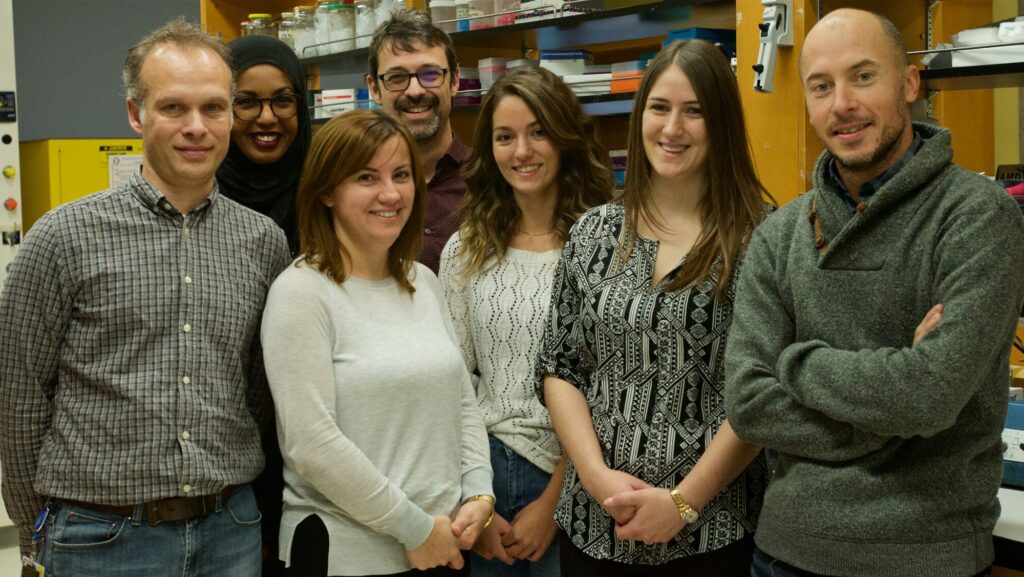
Clinical Trial of Metformin for Fragile X Syndrome
FRAXA-funded open-label trial found that metformin led to increased GABA-mediated cortical inhibition, suggesting metformin modulates core Fragile X pathways.
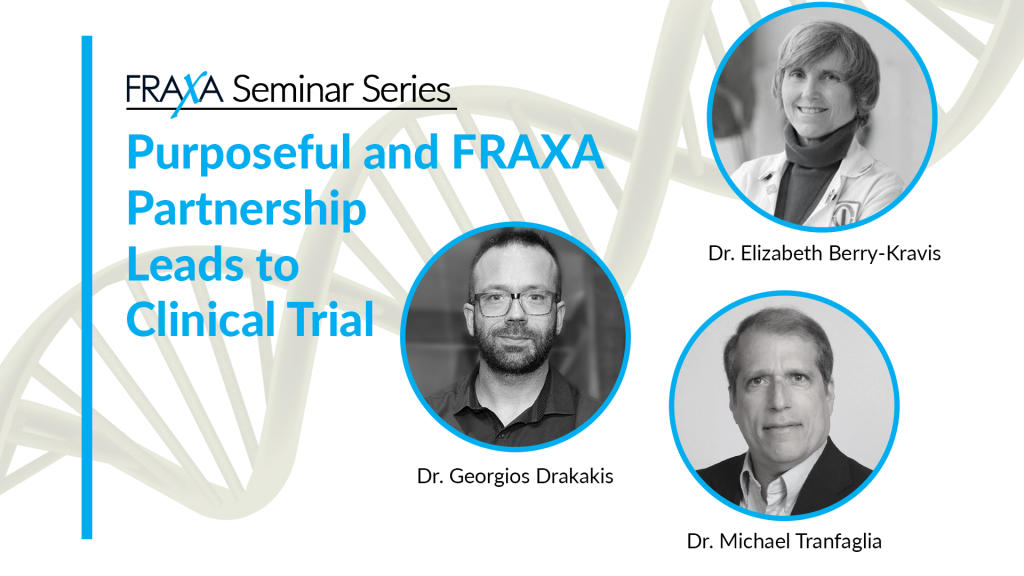
Purposeful and FRAXA Partnership Leads to Clinical Trial
AI and FRAXA-DVI identified a drug + supplement combo that reversed all Fragile X symptoms in mice. A clinical trial tested this in adults with Fragile X.

Positive Results Reported in Phase II Fragile X Clinical Trial of PDE4D Inhibitor Zatolmilast from Tetra Therapeutics
Tetra Therapeutics announces the first unequivocally positive phase 2 clinical trial in Fragile X syndrome. The results do not depend on carving out a subset of patients or post hoc analysis.

Aripiprazole as a Treatment for Fragile X Syndrome
Years ago FRAXA funded Dr. Craig Erickson to run a trial of aripiprazole (aka Abilify). FRAXA guest writer Hannah Miles recently caught up with Dr. Erickson to learn the results of the trial.

Fragile X Clinical Trial of AZD7325 in Adults
FRAXA funded a trial of AZD7325, a drug that boosts GABA(A), in adults with Fragile X. Led by Dr. Craig Erickson, it also tested innovative biomarkers for future trials.

Clinical Trial of Ganaxolone in Patients with Fragile X Syndrome
Dr. Frank Kooy and colleagues conducted a double blind crossover trial of ganaxolone in patients with Fragile X with FRAXA funding. Results of this study were mixed.

New Fragile X Clinical Trial for Children Launching in June 2017
Elizabeth M. Berry-Kravis, MD, PhD, has launched a large-scale clinical trial to study effects of AFQ056, an mGluR5 blocker, on learning in young children with Fragile X syndrome.
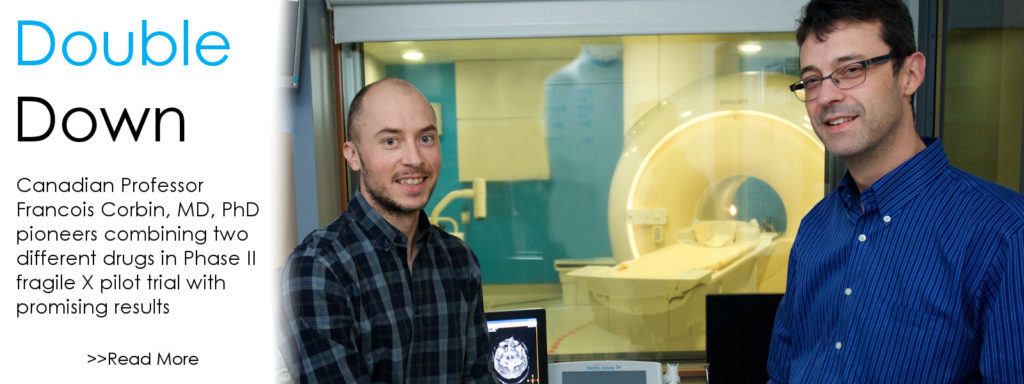
Double Down: Fragile X Clinical Trial Combines Two Available Drugs
FRAXA funded a trial combining lovastatin and minocycline to test whether targeting multiple pathways can improve brain activity and behavior in Fragile X.
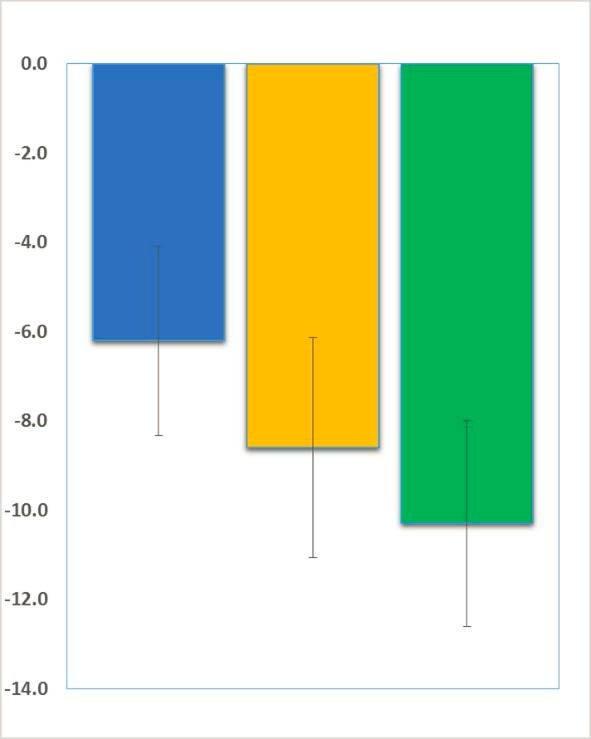
Neuren’s Tofinetide Successful in Phase 2 Clinical Trial in Fragile X
In this initial trial with a relatively short treatment period, trofinetide was very well tolerated, with the high dose (70 mg/kg twice daily) demonstrating a consistent pattern of clinical improvement.
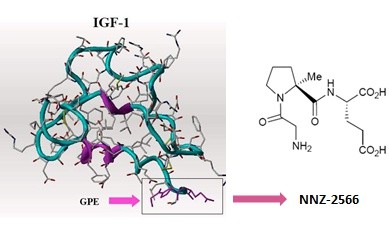
Neuren’s NNZ-2566 Shows Clinical Benefit in Rett Syndrome Trial
This isn’t a Fragile X trial, but the Neuren compound, NNZ-2566, that is in trials now for Fragile X has shown significant positive effects in a Phase 2 trial for Rett syndrome.

Phase 1 Clinical Trial of Mega Green Tea Extract in Fragile X Syndrome
An early trial of green tea extract EGCG improved cognition in Fragile X. It targets ERβ and reduces overactive PI3K/mTOR/ERK signaling linked to FXS symptoms.

Roche reports clinical trial negative results
Roche has shared the sad news that their clinical trials in Fragile X have been unsuccessful. They hosted a Webcast to explain the results.

Why Did Fragile X Clinical Trials of mGluR Antagonists Fail?
by Michael Tranfaglia, MD. In my opinion, the Fragile X clinical trials of AFQ056 sponsored by Novartis failed because of a dose range that was inadequate for Fragile X, and because of the unexpected development of tolerance.
Fragile X Clinical Trial: Novartis Trial Results Are In, and They’re Not Pretty
This year’s Gordon Conference just finished, and Novartis presented their results. To say that the trial results for AFQ056 were disappointing would be the understatement of the century!
Clinical Trials FAQ ← Frequently Asked Questions
Wondering which Fragile X trial is right? Eligibility varies, so most families qualify for just one. Talk with your closest clinic to find the best fit.