

FRAXA Welcomes Elle to the Team!
FRAXA welcomes Ellen “Elle” Skala as Program Coordinator! She brings grant writing & fundraising experience to support our mission.
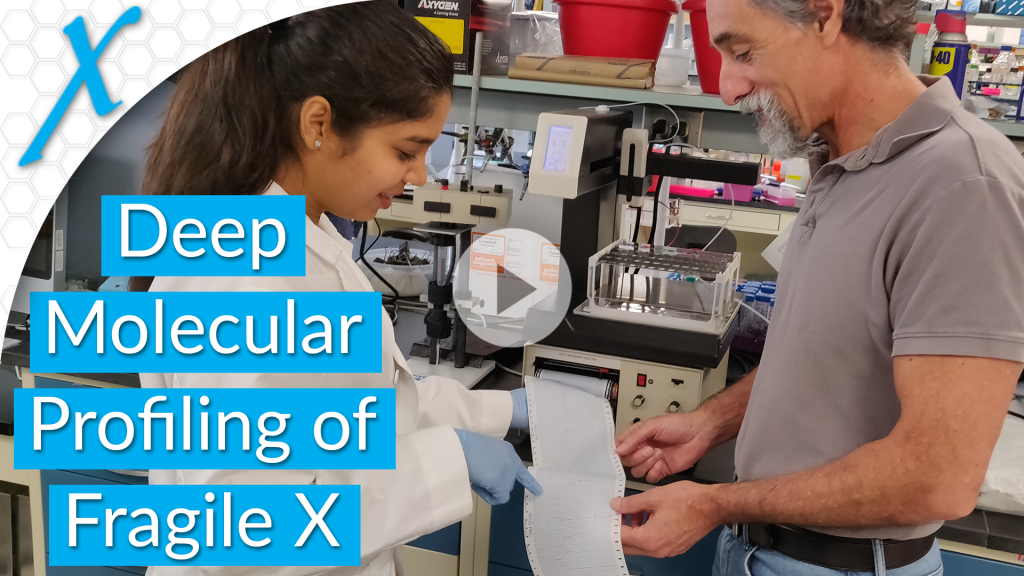
Deep Molecular Profiling of Fragile X Mouse and Human Cells
Studying human Fragile X neurons from stem cells revealed key gene changes not seen in mice—showing why some treatments failed and guiding better future therapies.

Targeting Mitochondria in Human Fragile X Syndrome Neurons
Fragile X brain cells have fewer, smaller mitochondria. This team tested mitochondria-boosting drugs that improved symptoms in mice to see if they can help humans.
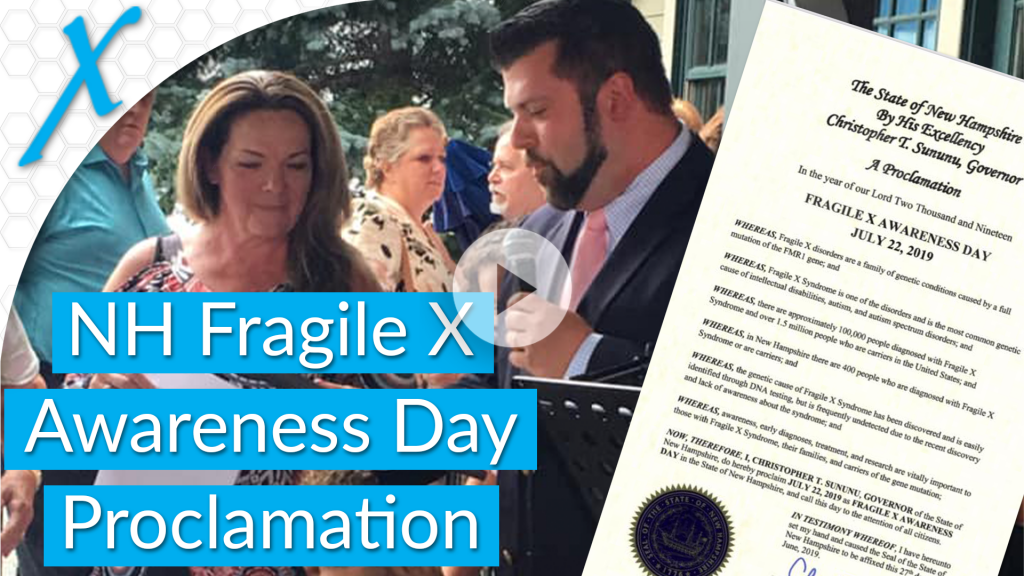
NH Fragile X Awareness Day Proclaimed at July Jam Fundraiser
The Fragile X July Jam in Derry, NH raised $6,000 for FRAXA! Gov. Sununu’s office also issued a proclamation for Fragile X awareness.

20 Landmarks Will Light Up for Fragile X Awareness Day
20 landmarks in the US & Canada will light up teal on July 22 for International Fragile X Awareness Day, spreading hope and awareness!

Correcting Sensory Processing in Fragile X Mice by Modulating Kv3.1
FRAXA funded UCLA research on a Kv3.1-targeting drug to ease sensory issues in Fragile X. This work built on Yale-led work now also being pursued by Autifony Therapeutics.

Gene Therapy Translational Studies for Fragile X Syndrome
With FRAXA funding, researchers tested AAV gene therapy to restore FMRP in Fragile X mice, measuring safety, effectiveness, and brain activity to inform future trials.

Which is the right FMRP for Therapeutic Development of Fragile X Syndrome?
Many forms of FMRP exist in the brain. This project aims to pinpoint which versions of the protein are most critical to restore for effective Fragile X treatments.

Developmental Profile of Glutamatergic Synapses in Fragile X
A FRAXA fellowship helped reveal how glutamate receptors at synapses develop differently in Fragile X, offering clues to improve learning and memory.

Reintroducing FMRP via Tat to Reduce Symptoms of Fragile X Syndrome
A FRAXA-funded team found that a shortened FMRP protein, delivered with a Tat “carrier,” restores brain signaling and improves behavior in Fragile X mice.
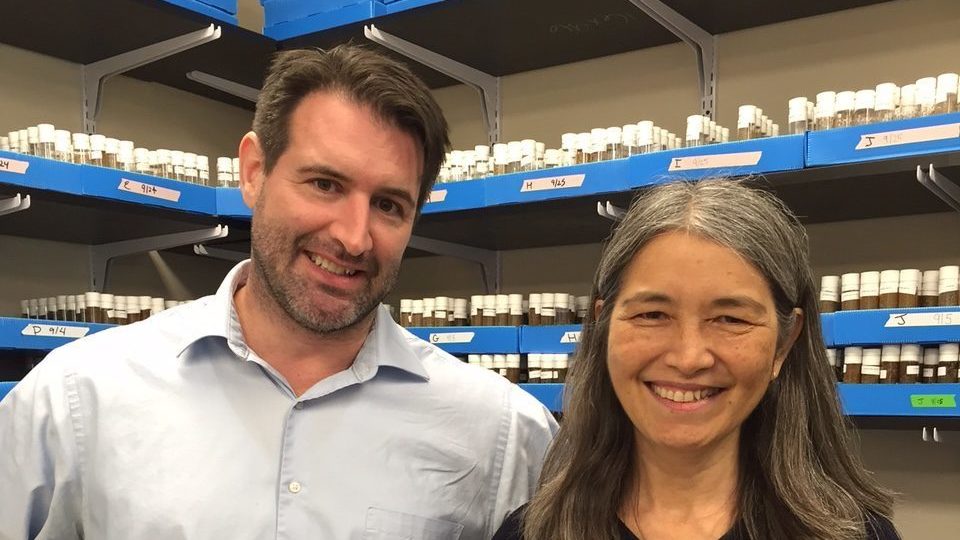
Screening 2,320 FDA-Approved Drugs for Potential Treatment of Fragile X
FRAXA funded a screen of 2,320 FDA-approved compounds in the Fragile X fly model to identify hits that improve memory and social behavior for advanced testing.

Kathan Pierce Honored as a New England Patriots Difference Maker
FRAXA Board Member Kathan Pierce was honored by the Patriots & Robert Kraft for her volunteerism. The team also awarded FRAXA a $5K grant!
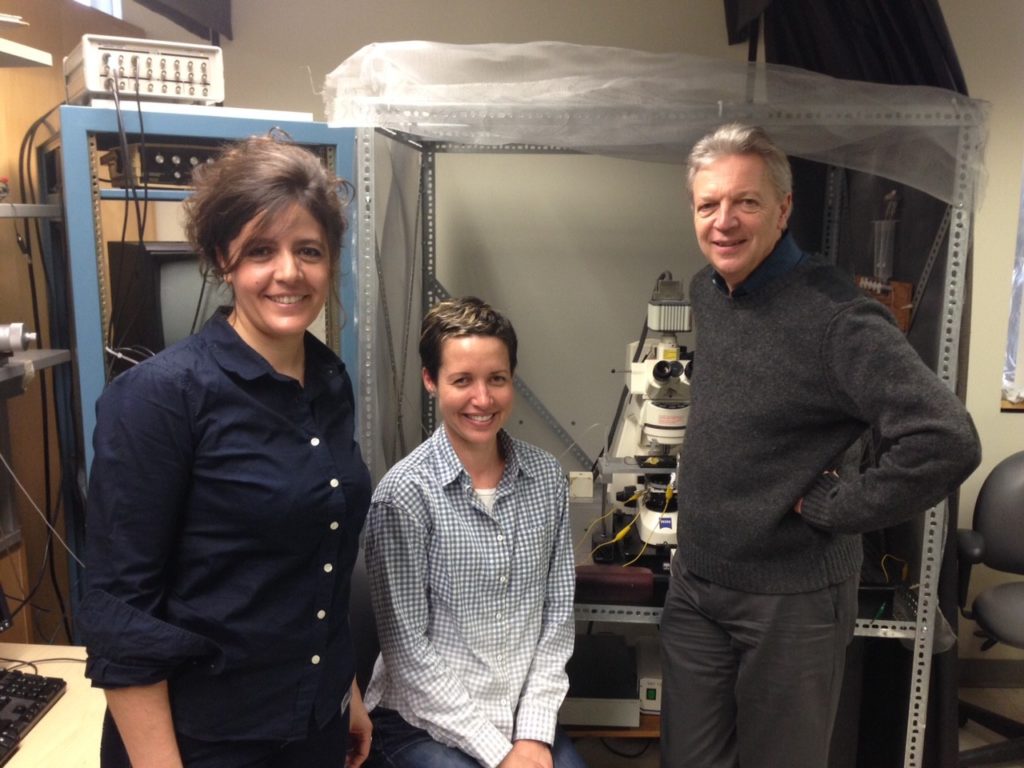
Novel Modulators of Potassium Channels to Treat Fragile X
FRAXA-funded Yale research showed disrupted Kv3.1 and Slack potassium channels impair neuronal timing in Fragile X. Published findings support Kv3.1 as a treatment target.

Autophagy is a Novel Therapeutic Target of Impaired Cognition in Fragile X Syndrome
FRAXA’s $90K grant enabled Dr. Zukin to link impaired autophagy to Fragile X. Boosting autophagy restored synaptic proteins and reversed cognitive deficits in mice.

Tetra Announces $40M to Advance BPN14770 for FXS and Alzheimer’s Disease
Tetra Discovery Partners has signed a multi-part deal that could bring it up to $160 million, plus royalties, from Shionogi & Co, Ltd, a Japanese major research-driven pharmaceutical company. Tetra currently is conducting an investigational Phase 2 study of BPN14770 in adults with Fragile X Syndrome, an indication for which BPN14770 has received Orphan Drug Designation from the US Food and Drug Administration. This clinical trial was made possible by early work with the FRAXA-DVI and over $200,000 from FRAXA.

Meet Charlie!
Meet #FriendofFRAXA Charlie! If you would like to nominate someone as a #FriendofFRAXA, we welcome all who have been touched by Fragile X, including friends, grandparents, siblings, professionals and companions alike to become a #FriendofFRAXA with the goal of putting a face to Fragile X for those who may not know someone directly.

Hope for the Holidays Gala Helps Advance Fragile X Research
The sold-out Hope for the Holidays Gala raised $100K for FRAXA! Huge thanks to the Pierces for their continued generosity and support.
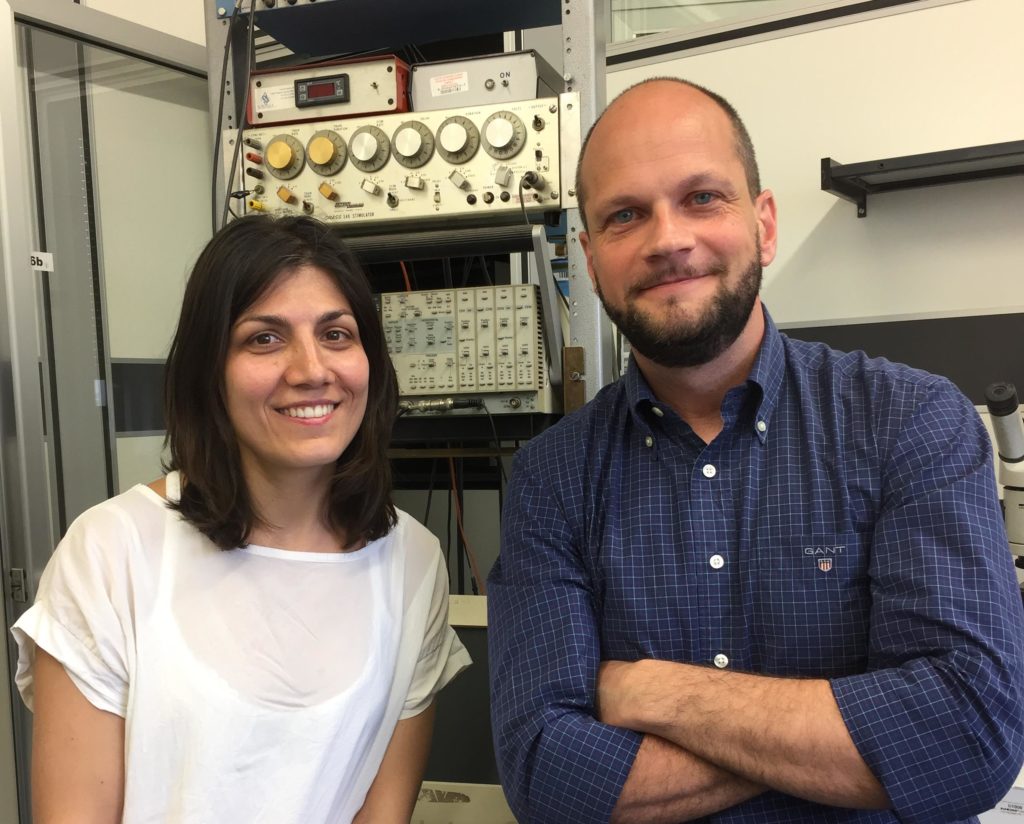
Coffee, Tea, and Chocolate: Adenosine Receptors in Fragile X
Could “caffeine-like” drugs help Fragile X? FRAXA funded research to test adenosine blockers, which may boost thinking and improve symptoms in Fragile X mice.

Contacting Your Member of Congress to Advocate for Fragile X Research
A quick guide to contacting Congress for Fragile X advocacy—includes tips, recommendations, and how to look up your senators and representatives.

Meet Emily!
Meet #FriendofFRAXA Emily! If you would like to nominate someone as a #FriendofFRAXA, we welcome all who have been touched by Fragile X, including friends, grandparents, siblings, professionals and companions alike to become a #FriendofFRAXA with the goal of putting a face to Fragile X for those who may not know someone directly.
NKCC1 Inhibitor Bumetanide Corrects Synaptic and Circuit Hyperexcitability in Fragile X Mouse Model
Dr. Anis Contractor and Dr. Qionger He investigated the potential of the available drug bumetanide to correct altered GABA signalling in a mouse model of Fragile X syndrome.

Finding Fragile X Biomarkers – From Transcriptomics to Behavior in Patients
FRAXA funded a study using blood-based transcriptomics to find reliable Fragile X biomarkers. This unique approach links molecular data to behavior for future trials.
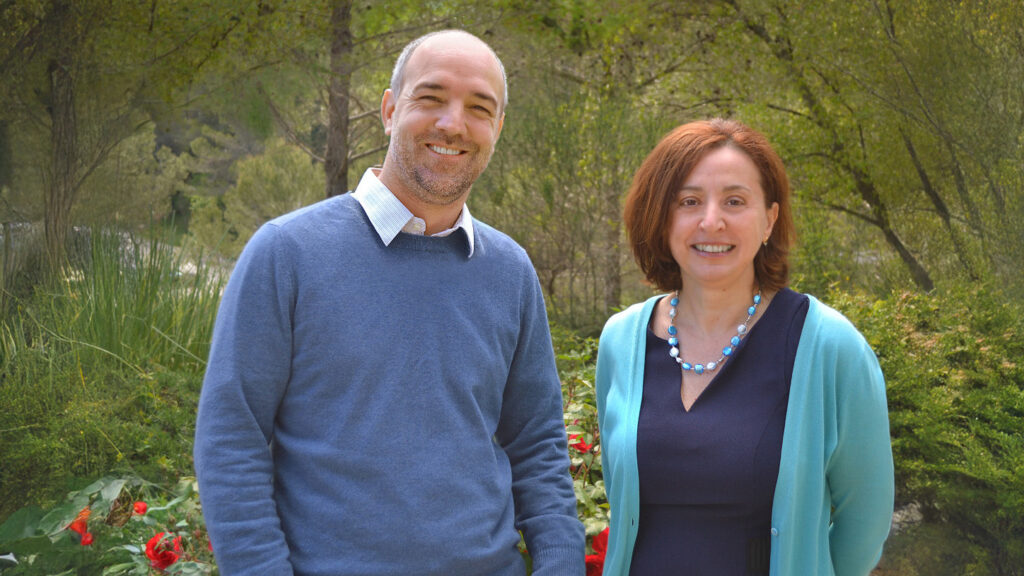
Research Points to Drugs which Inhibit PDE to Treat Fragile X
FRAXA-funded work identified PDE enzymes as key targets in Fragile X, showing that PDE inhibitors can fix signaling and boost synaptic function. PDE4D trials are underway.
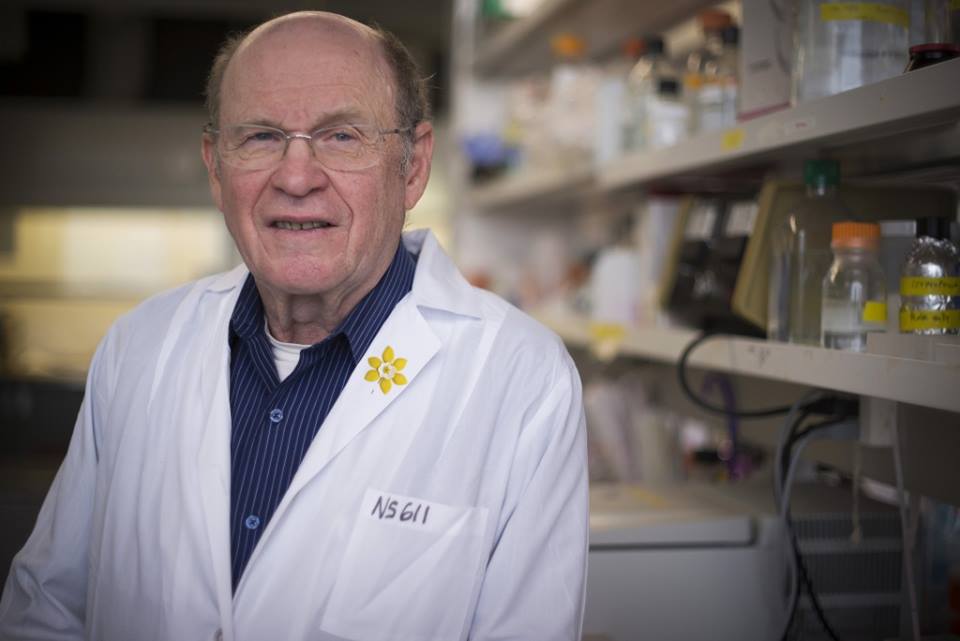
Metformin and Aberrant Insulin Signaling in a Fragile X Mouse Model
FRAXA-funded research is revealing how insulin signaling is altered in Fragile X and whether lowering it, including with metformin, could ease symptoms.