

Study Examines Behavioral Traits of Fragile X Patients Without Autism
Patients with Fragile X syndrome who don’t meet the cut-off for a diagnosis of autism show a decrease in impulsivity and repetitive questioning over time, when compared with patients who do, a new study shows.
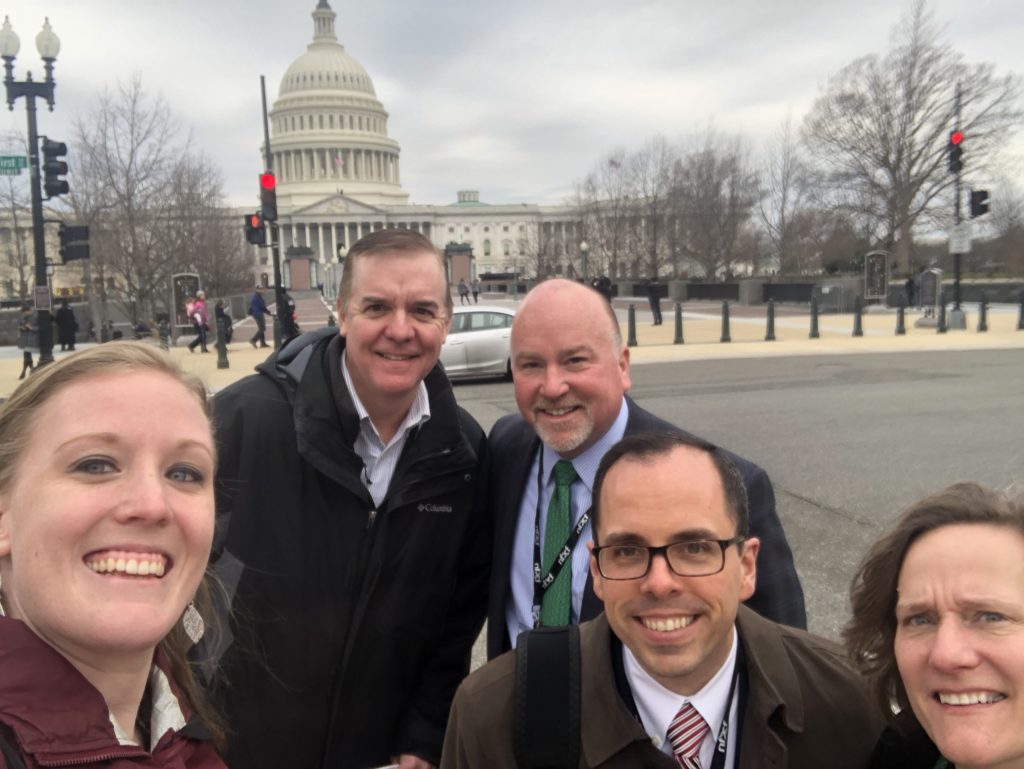
Takeaways from Fragile X Advocacy Day
At my first Fragile X Advocacy Day, I met with Congress and families, advocating together for research and hope.

Impact of the Fragile X Community
Because of you, FRAXA invests $1M+ each year in Fragile X research and helped launch $35M more in studies leading to clinical trials.

Fragile X Clinical Trial of AZD7325 in Adults
FRAXA funded a trial of AZD7325, a drug that boosts GABA(A), in adults with Fragile X. Led by Dr. Craig Erickson, it also tested innovative biomarkers for future trials.
CRISPR Reactivation of the Fragile X Gene
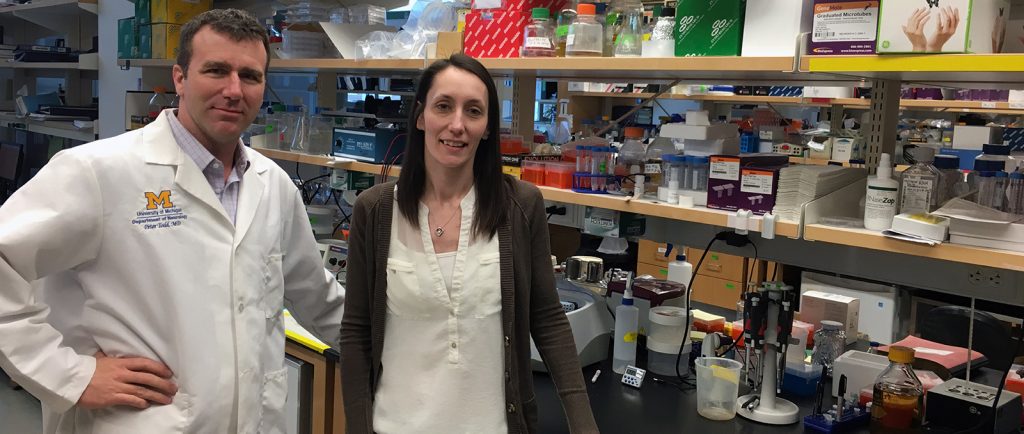
“We are trying to target the first event that goes wrong in Fragile X syndrome”, says Todd, “One reason our previous attempts to develop treatments for Fragile X syndrome have failed is that they’ve tried to target the downstream effects of losing the Fragile X protein. The protein does many things… bypassing all the functions that it normally takes care of has proven difficult from a pharmacologic perspective.”
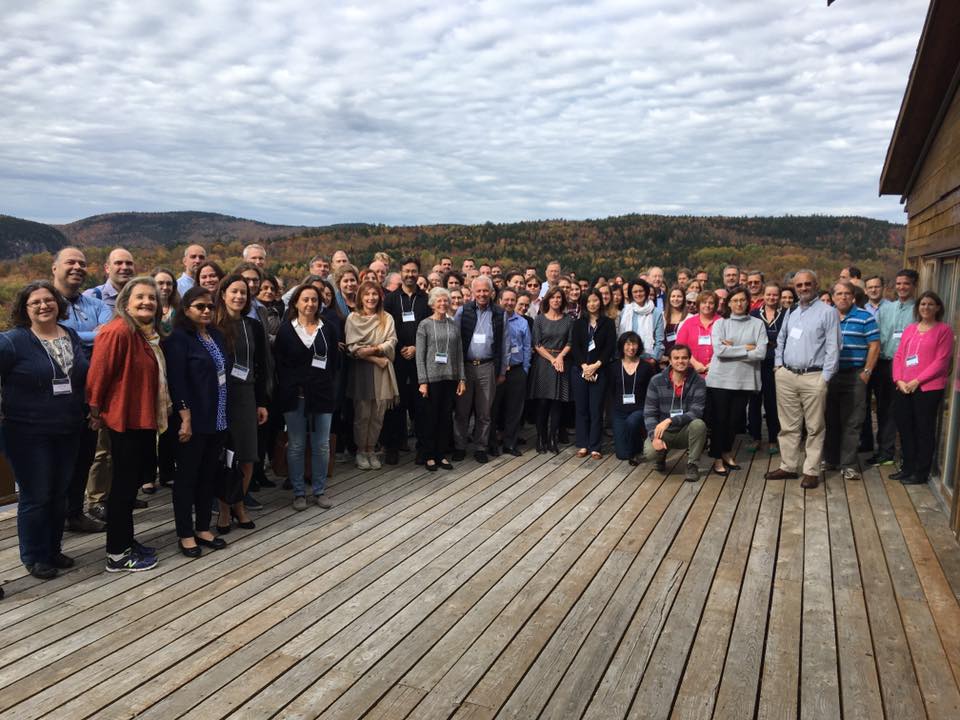
In Their Own Words: Reports From the International Fragile X Workshop
The 18th International Fragile X Workshop in Quebec was a great success, featuring more Fragile X research than ever before!

Targeted Transcriptional Reactivation of FMR1 in Fragile X Syndrome Stem Cells
FRAXA funded Dr. Peter Todd to use CRISPR to reactivate FMR1. Published results confirmed restored gene expression, a big step toward disease-modifying therapy.
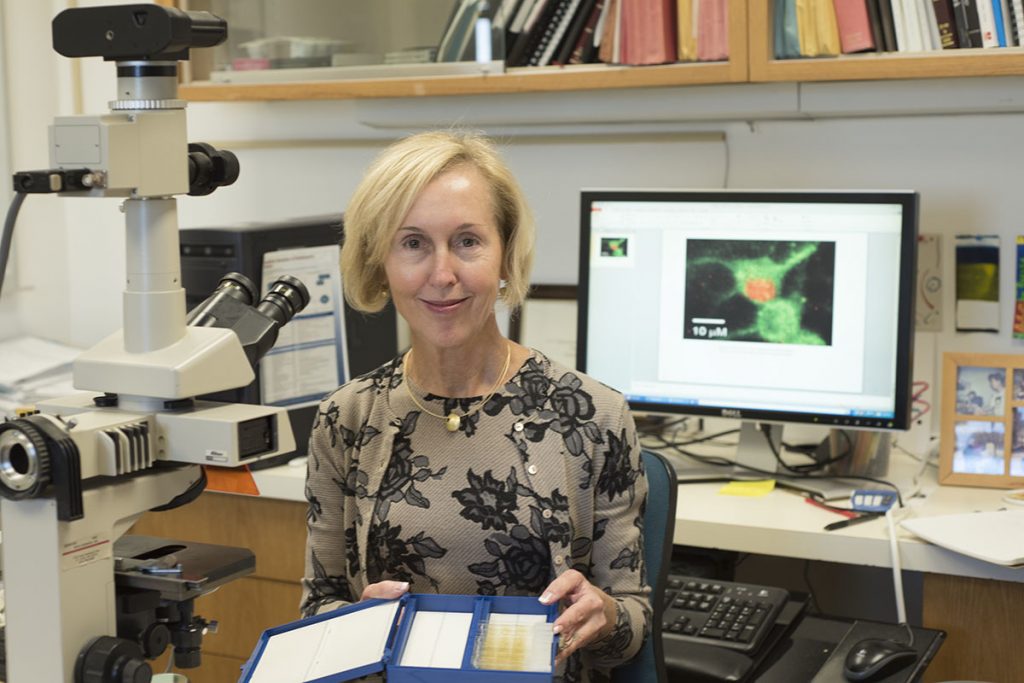
Defining Subcellular Specificity of Metabotropic Glutamate Receptor (mGluR5) Antagonists
This study showed that selectively targeting mGluR5 receptors in specific neuronal compartments can correct distinct Fragile X synaptic defects, improving precision therapy.

Investigating Gene Reactivation to Treat Fragile X Syndrome
With a $180,000 grant from FRAXA Research Foundation, Dr. Jeannie Lee and her team at Harvard are working to reactivate the gene that is silenced in Fragile X syndrome.

Mechanisms of Tolerance to Chronic mGluR5 Inhibition
FRAXA supported research showing mGluR5 antagonist tolerance develops quickly in Fragile X models, guiding new strategies to prevent or overcome it.
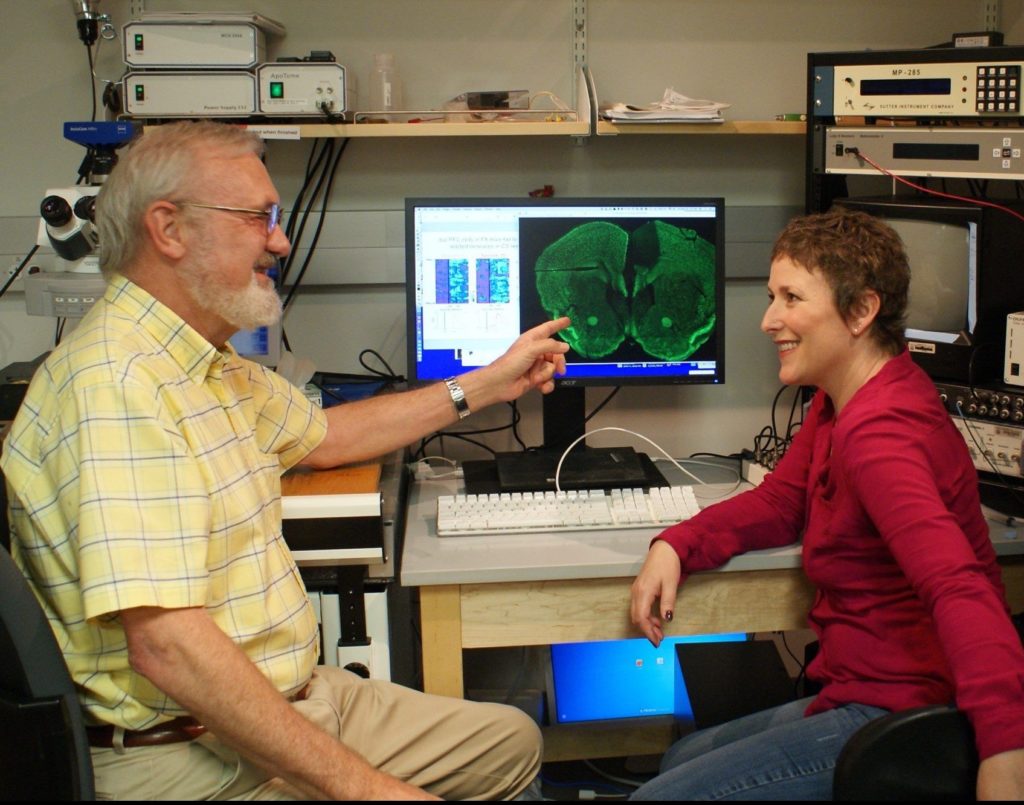
Prefrontal Cortex Network (PFC) Dynamics in Fragile X Syndrome
The team has shown that Fragile X mice have major prefrontal cortex deficits in Fragile X mice. Finding ways to overcome this could reveal new intervention strategies.
Prefrontal Cortex Network (PFC) Dynamics in Fragile X Syndrome
With a $90,000 grant from FRAXA Research Foundation from 2016-2017, Dr. Daniel Johnston and Dr. Jenni Siegel at the University of Texas at Austin are analyzing pre-frontal cortex (PFC) dysfunction in the Fragile X model. They have preliminary evidence that Fragile X mice are severely impaired in a prefrontal cortex (PFC)-dependent task.
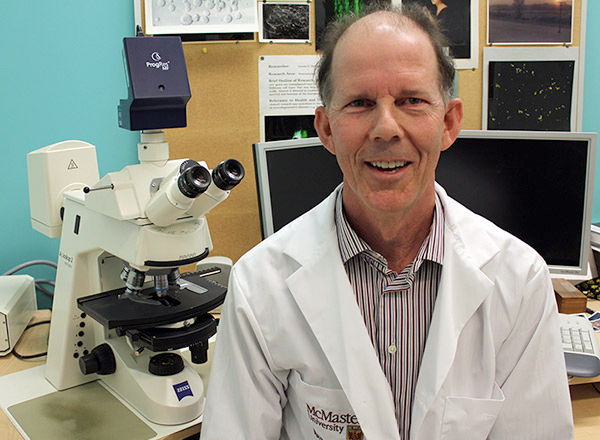
Correcting Defects in Astrocyte Signaling in Fragile X Syndrome
Astrocytes, brain cells which support neurons, do not transmit signals. Fragile X treatment strategies have been proposed based on correction of “astrocyte phenotypes”.
Development of a High-Content Synapse Assay to Screen Therapeutics for Fragile X Syndrome
This work established a high-content synaptic imaging platform for Fragile X cells to test many candidate drugs for their ability to repair synapse structure and function.
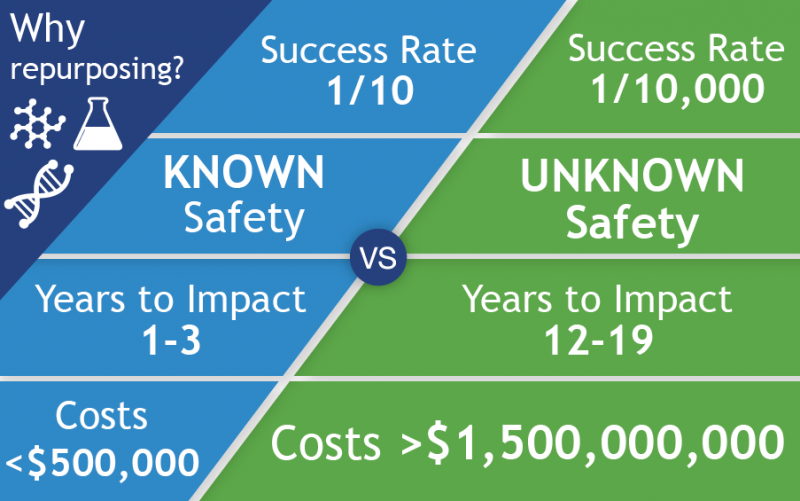
Repurposing Available Drugs to Treat Fragile X Syndrome – FRAXA Initiatives
FRAXA has focused on identifying existing, approved drugs that could be repurposed for Fragile X, allowing potential treatments to move faster and at lower risk than starting from scratch. We’ve worked to advance the most promising candidates toward real-world use.

PIKE as a Central Regulator of Synaptic Dysfunction in Fragile X Syndrome
With $255,000 from FRAXA Research Foundation, Dr. Suzanne Zukin at Albert Einstein College of Medicine studied signalling pathways in Fragile X syndrome.
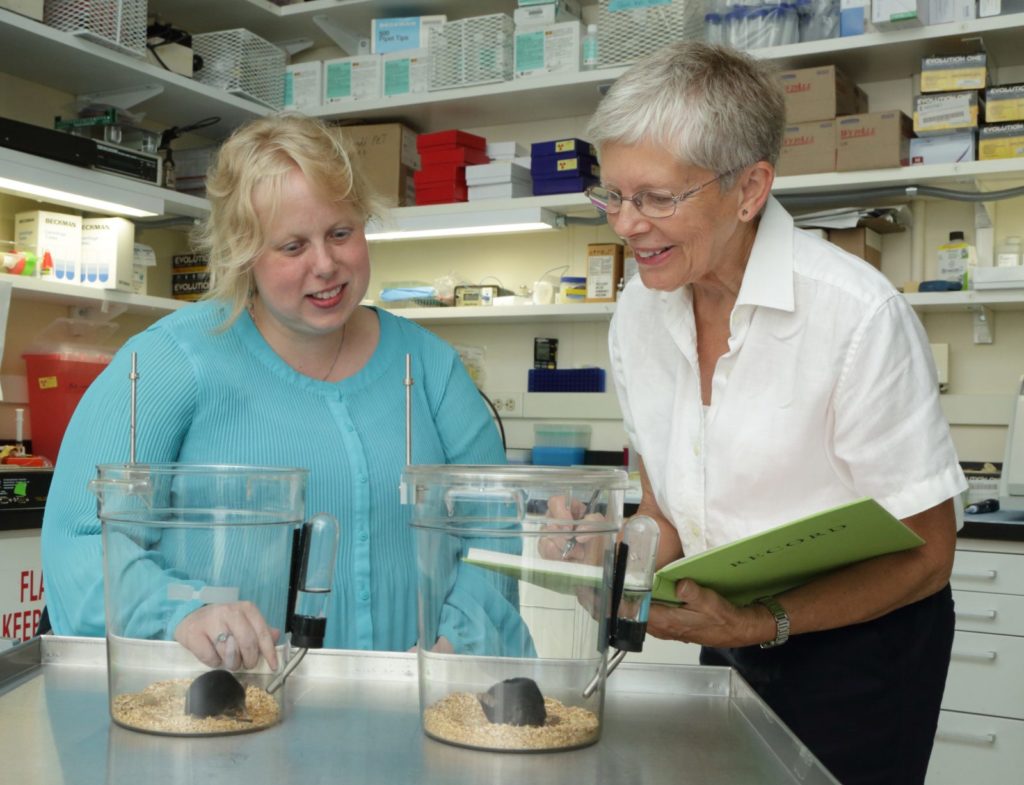
NIH Investigator Carolyn Beebe Smith, PhD, Looks to Improve Sleep in Fragile X Syndrome
Carolyn Beebe Smith studies sleep disruptions in Fragile X and tests whether improving sleep with existing drugs can reduce symptoms and enhance behavior.

New Fragile X Clinical Trial for Children Launching in June 2017
Elizabeth M. Berry-Kravis, MD, PhD, has launched a large-scale clinical trial to study effects of AFQ056, an mGluR5 blocker, on learning in young children with Fragile X syndrome.
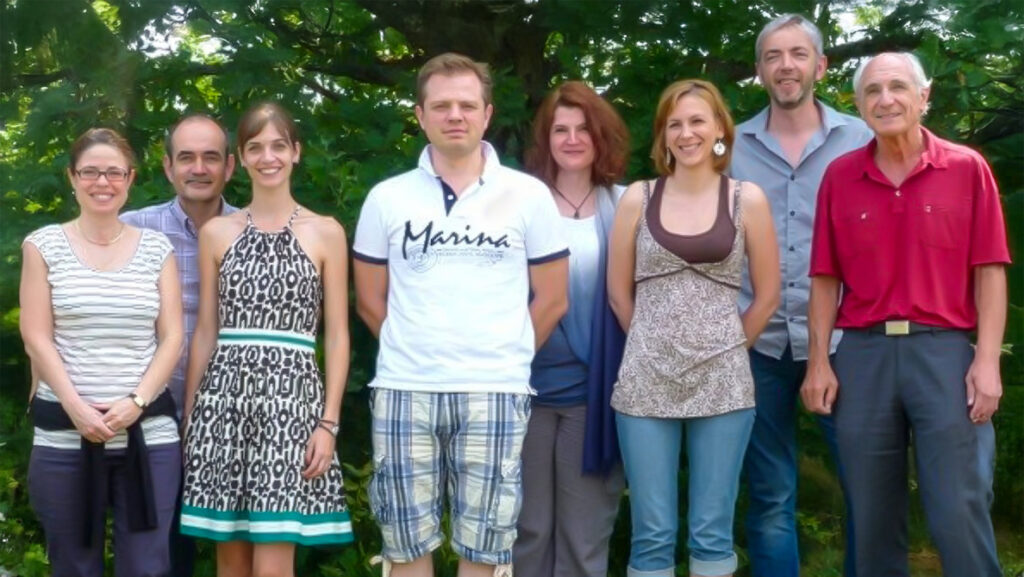
Sensory Hypersensibility in Fragile X Syndrome and BK Channel Openers
With $366,100 in FRAXA funding, researchers tested BK channel–opening drugs to fix sensory abnormalities in Fragile X mice; early results showed broad behavioral rescue.

Repurposing Drugs to Dampen Hyperactive Nonsense-Mediated Decay in Fragile X Syndrome
FRAXA-funded research showed nonsense-mediated mRNA decay is overactive in Fragile X, pointing to existing NMD-suppressing drugs like caffeine as potential treatments.
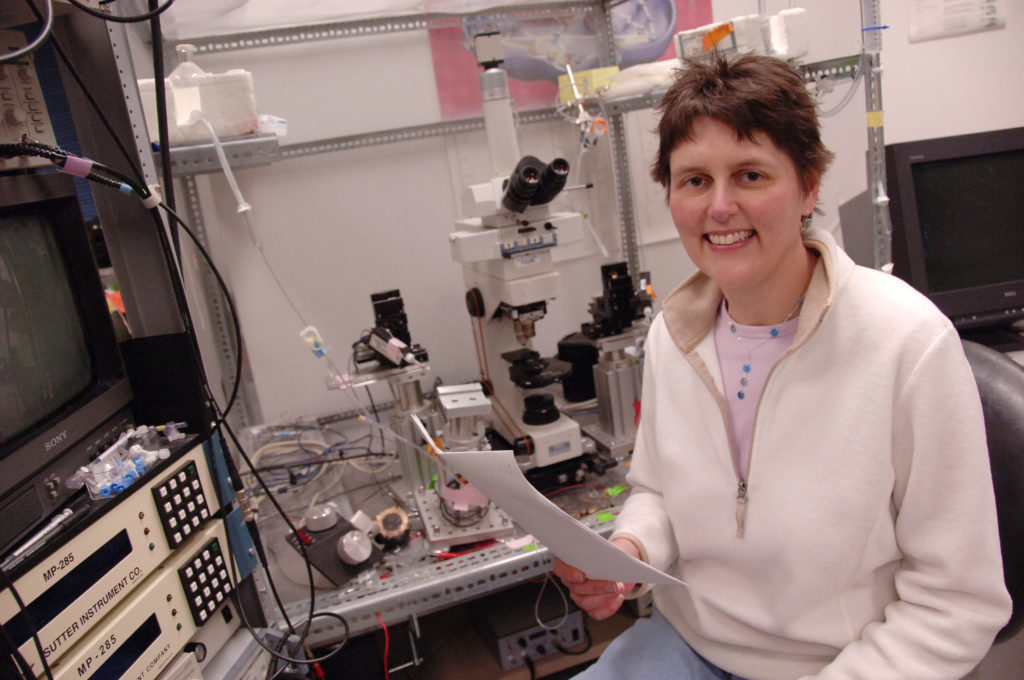
Kimberly Huber, PhD, Explores Hyperexcitability in Fragile X Syndrome
What causes hyperexcitability? Dr. Kimberly Huber seeks to understand how FMRP regulates connections between brain cells and the function of brain circuits.
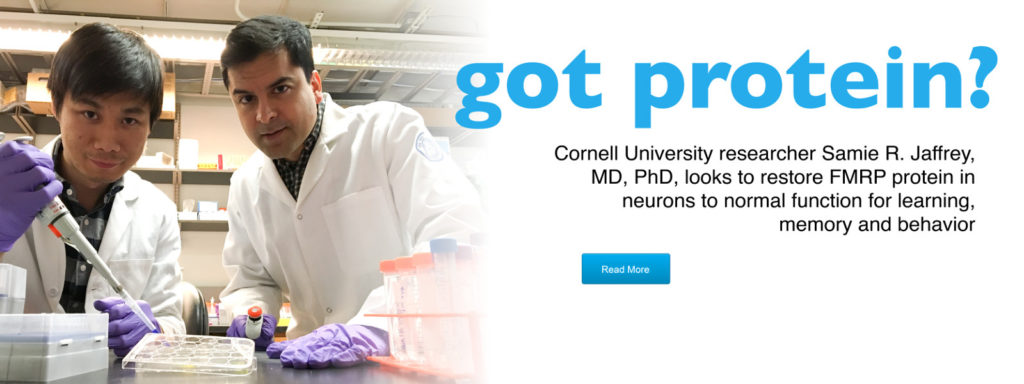
Cornell University Researcher Looks to Restore Fragile X Protein in Neurons
Cornell researcher Samie Jaffrey is developing ways to restore FMRP in specific brain cells, defining how much, where, and how the protein must be expressed to reverse Fragile X.
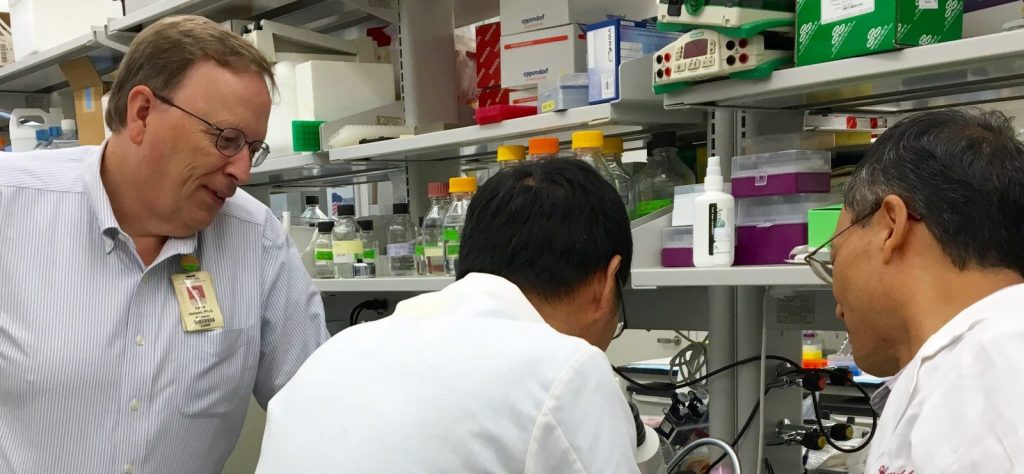
Researcher David Nelson, PhD, Explores New Cell Strategies for Fragile X Syndrome, FXTAS and FXPOI
David Nelson co-discovered the FMR1 mutation which causes Fragile X syndrome and developed key mouse models, enabling global research aimed at finding treatments for the disorder.

The X Factor – Turning on X Chromosome Genes to Treat X-linked Disorders
Harvard researcher Jeannie T. Lee, MD, PhD, moves closer to turning on select genes on the X chromosome to treat people with X-linked disorders.