Harnessing FMRP Autoregulation for Safer Gene Therapy in Fragile X
Fragile X syndrome gene therapy could be safer with an FMRP “safety dial” that self-regulates expression using natural FMR1 control elements.

Nospharma Announces Partnership with FRAXA to Test NOS-01 in Pre-Clinical Models of Fragile X
NOS-01 enters the FRAXA Drug Validation Initiative (FRAXA-DVI) for Fragile X mouse-model testing, generating data to guide development decisions.
Enhancement of NMDA Receptor Signaling for the Treatment of Fragile X Syndrome
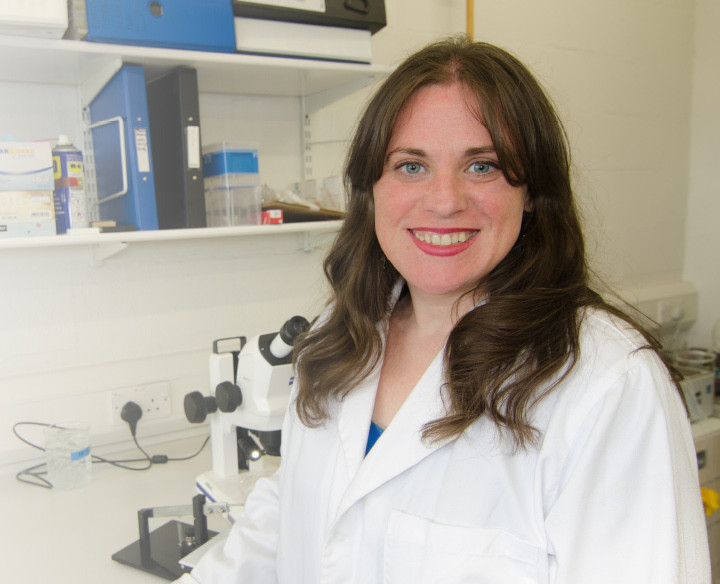
Drs. Emily Osterweil and Stephanie Barnes investigated NMDA receptor signaling and how rebalancing protein synthesis could correct Fragile X brain abnormalities.

Enhancing NMDA Receptor Signaling to Treat Fragile X Syndrome
FRAXA-backed work revealed NMDA receptors may hold the key to correcting brain signaling in Fragile X, pointing to new treatment strategies.
Urgent Action Needed: Help Secure NIH Funding for Fragile X Research
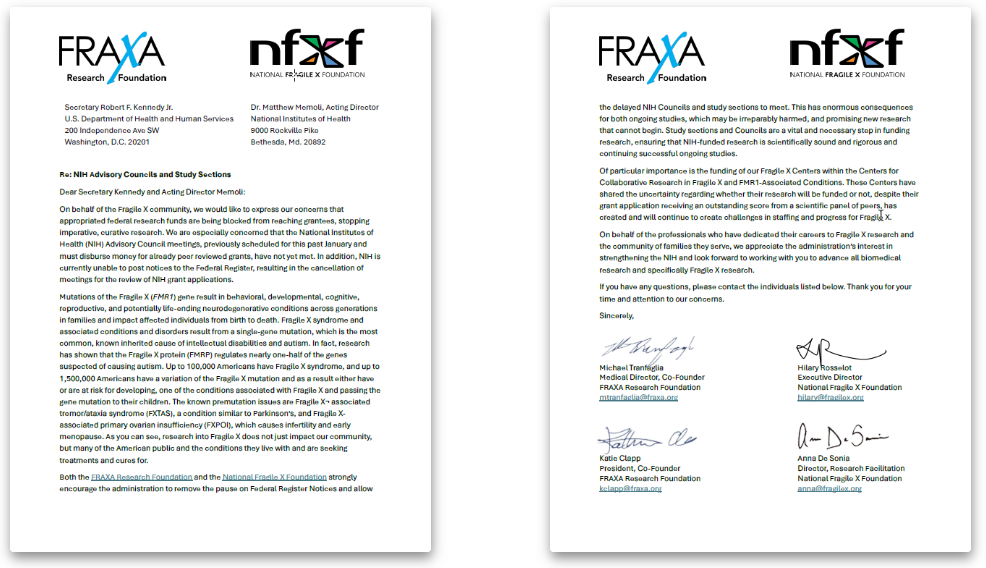
NIH funding delays threaten Fragile X research, putting critical studies and future treatments at risk. Help us urge Congress and the NIH to act now.

Clinical Study of Non-Invasive EEG for Children Ages 2-7
Dr. Carol Wilkinson, MD PhD at Boston Children’s Hospital recruited children ages 2-7 years with Fragile X syndrome to participate in a study of EEG.
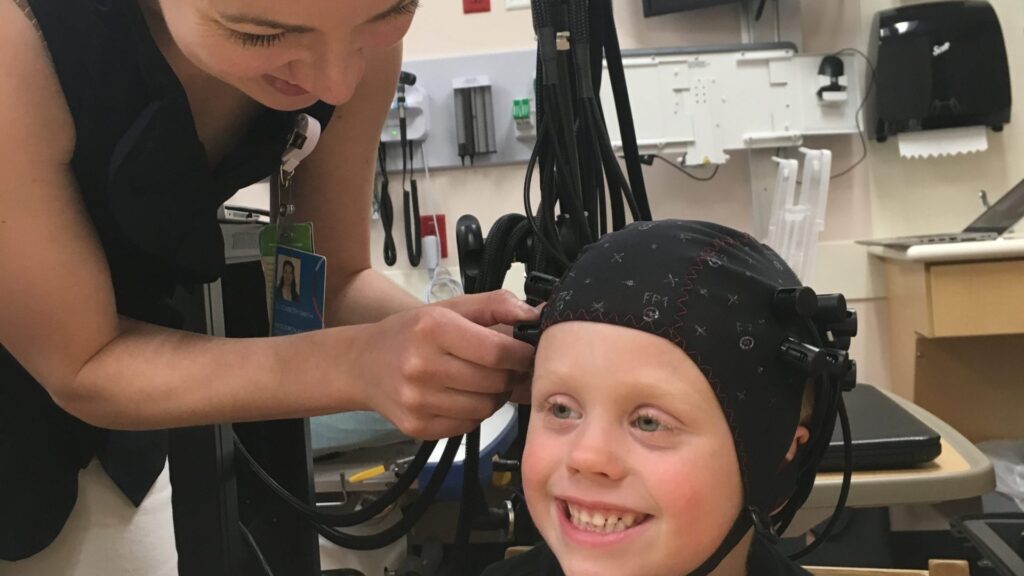
fNIRS to Measure Treatment Response in Young Children with Fragile X
The team tested functional near-infrared spectroscopy (fNIRS). fNIRS uses light sources and sensors on the scalp to build a heat map of the brain in action.
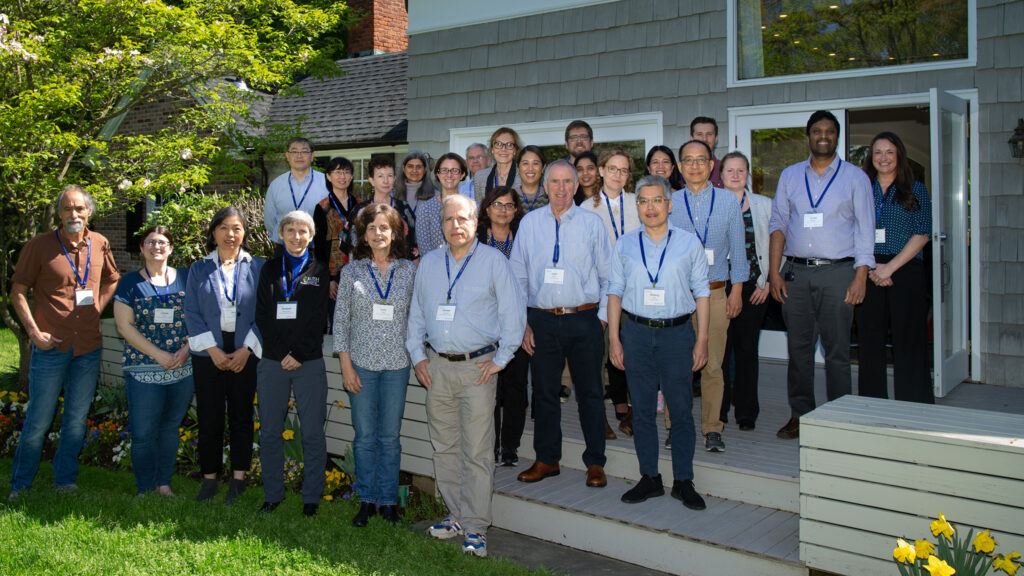
Breakthrough Discoveries in Fragile X Research: Insights from Special Banbury Meeting on Curative Therapies
Explore the latest breakthroughs in Fragile X research unveiled at the recent Banbury Meeting. Discover novel strategies, from gene therapy to protein replacement, that bring hope for curative therapies.

Fragile X Clinical Trial of New PDE4D Inhibitor from Tetra
A $200K FRAXA grant enabled a successful Phase 2 trial of a PDE4D inhibitor for adult men with Fragile X, showing strong cognitive gains without side effects or tolerance.
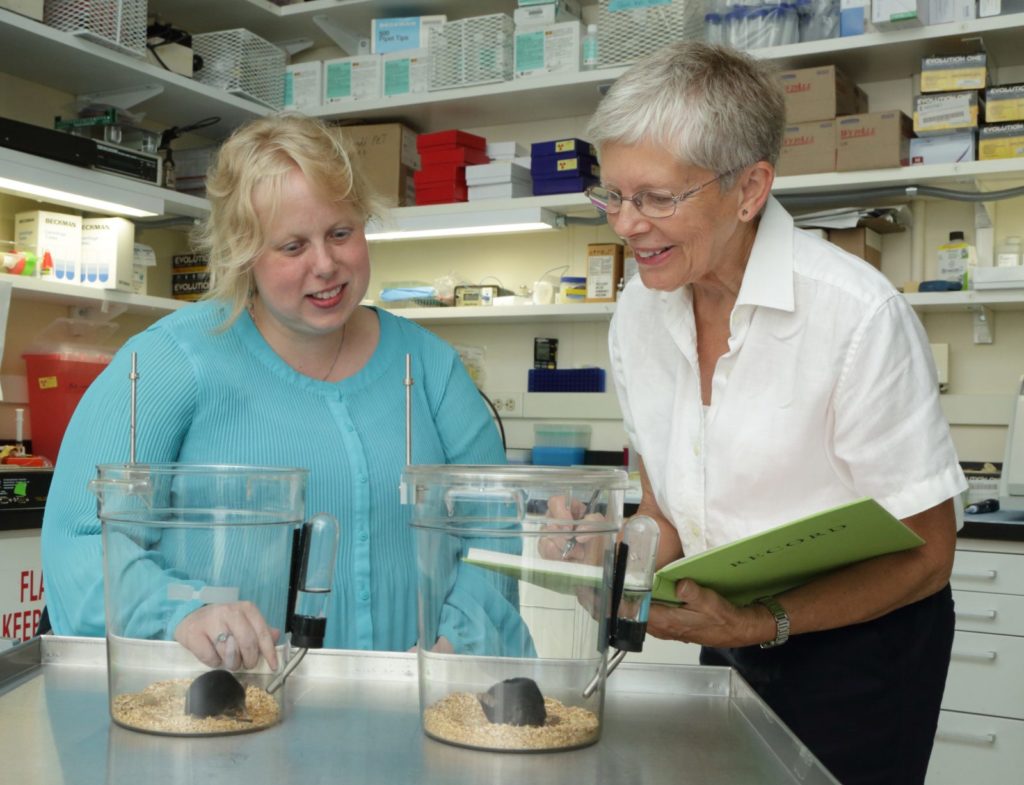
Altered Sleep in Fragile X Syndrome: Basis for a Potential Therapeutic Target
With this FRAXA grant, Dr. Carolyn B. Smith and Dr. Rache Sare at the National Institute of Mental Health investigated the basis of sleep problems in Fragile X syndrome.

FX-Learn Clinical Trial for Children with Fragile X
Thirteen centers across the US enrolled young children with Fragile X in a large-scale clinical trial of Novartis AFQ056, an mGluR5 blocker for Fragile X which failed in adult human trials.
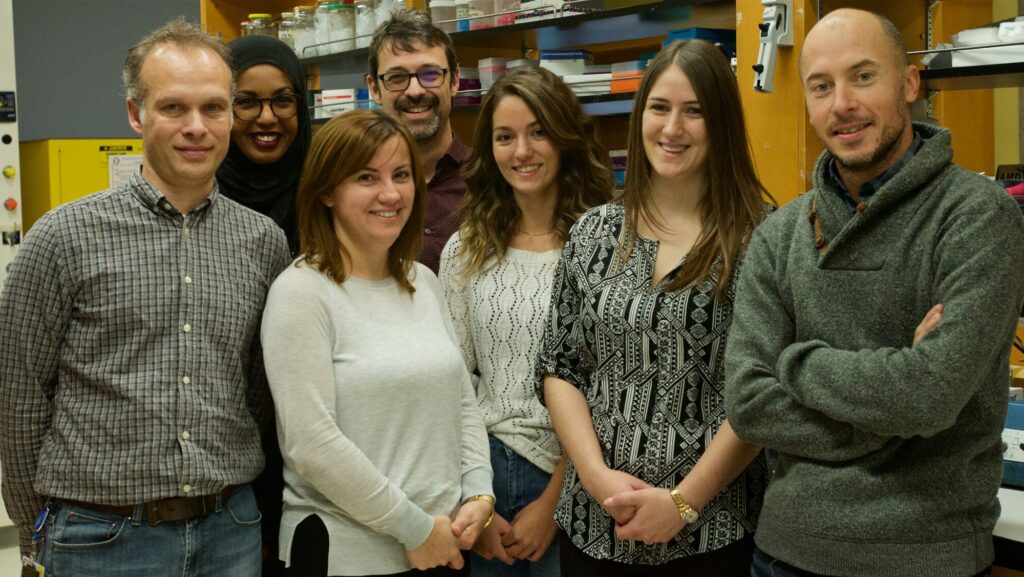
Clinical Trial of Metformin for Fragile X Syndrome
FRAXA-funded open-label trial found that metformin led to increased GABA-mediated cortical inhibition, suggesting metformin modulates core Fragile X pathways.

Memorial Tribute to Dr. Stephen T. Warren
Dr. Stephen T. Warren, who discovered the Fragile X gene (FRAXA) in 1991, passed away June 6, 2021. Donations in his honor support FRAXA Research.

Pivotal Phase 3 Trial of Zygel in Severe Fragile X Possible This Year
Zynerba Pharmaceuticals received advice from the U.S. Food and Drug Administration (FDA) on the design of a Phase 3 clinical trial of Zygel as a cannabidiol treatment for Fragile X syndrome.
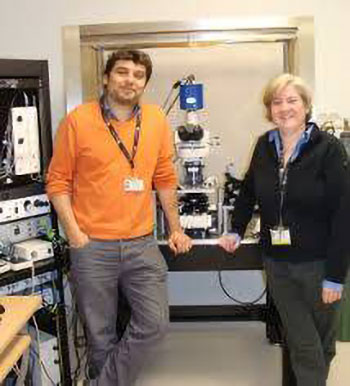
Cellular-Specific Therapeutic Targeting of Inhibitory Circuits in Fragile X Syndrome
The team studied how inhibitory brain circuits malfunction in Fragile X and tested ways to restore balance by targeting mGluR and endocannabinoid signaling.
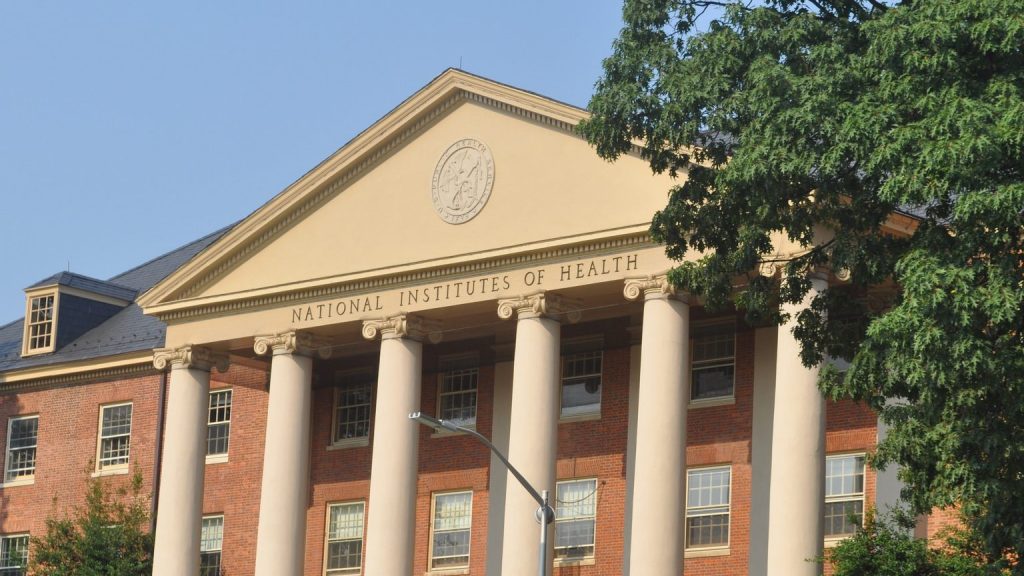
FRAXA Supports Increased Funding for NICHD
FRAXA has joined the Friends of NICHD coalition, urging increased government funding for research into Fragile X and related conditions.
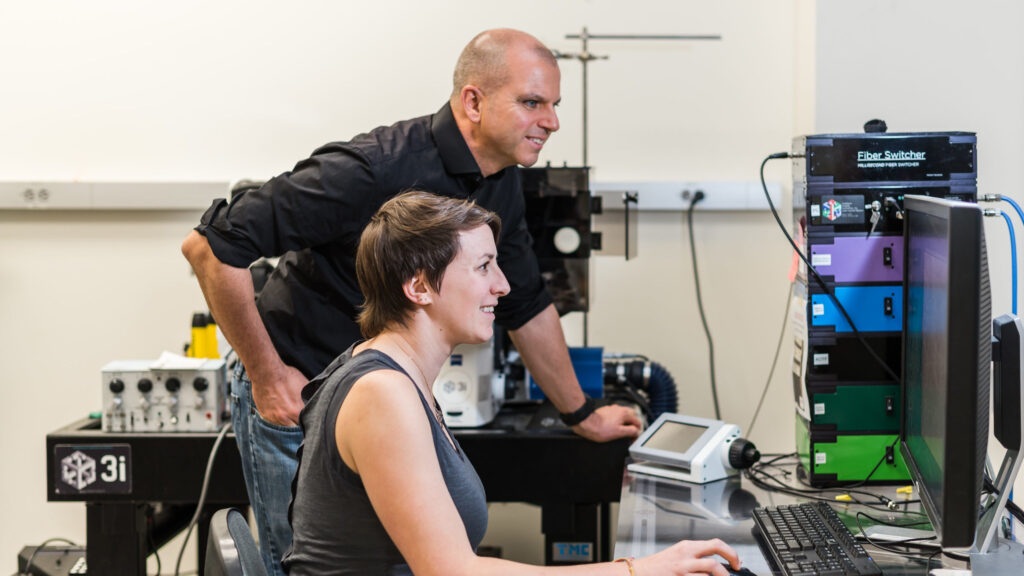
Auditory Dysfunction in Fragile X Syndrome in a Mouse Model of Fragile X
FRAXA-funded studies found Fragile X mice show altered auditory circuit function with delayed startle timing and reduced prepulse inhibition, mirroring human sound sensitivity.
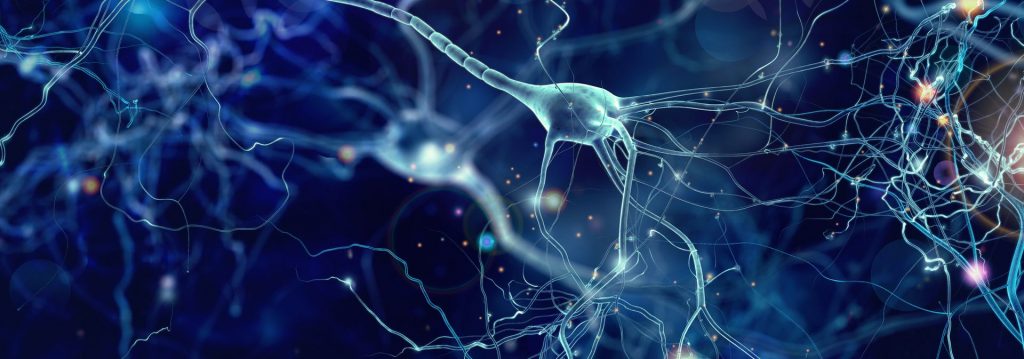
Beneath the Surface of Fragile X Syndrome: Study Sheds Light on What’s Happening in Nerve Cells
Lynne Maquat discovered that many irregularities in cells that lack FMRP are due to misregulated nonsense-mediated mRNA decay, or NMD. Results published.
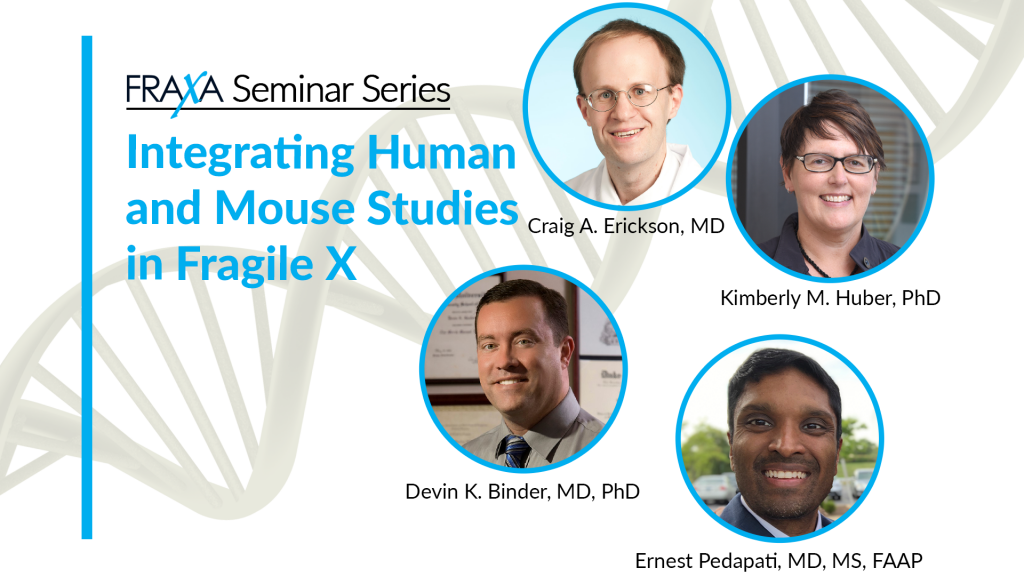
Integrating Human and Mouse Studies in Fragile X Syndrome – an NIH Center Approach
Presentations by Craig Erickson, Ernest Pedapati, Devin Binder, and Kimberly Huber about their research on Fragile X as part of their NIH Center of Excellence.
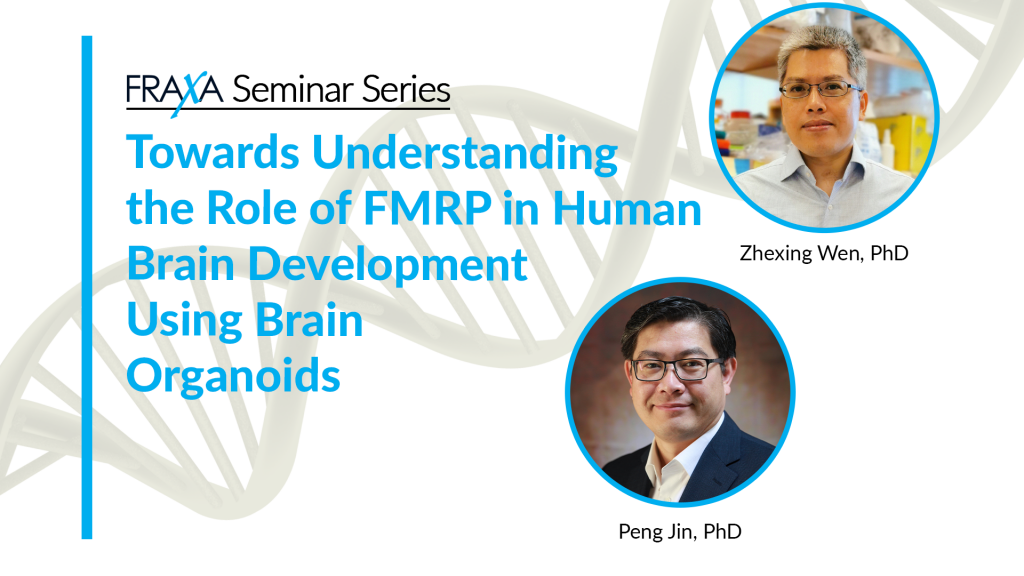
Towards Understanding the Role of FMRP in Human Brain Development Using Brain Organoids
Dr. Zhexing Wen and Dr. Peng Jin at Emory University School of Medicine join us in this seminar to present Understanding the Role of FMRP in Human Brain Development Using Brain Organoids.
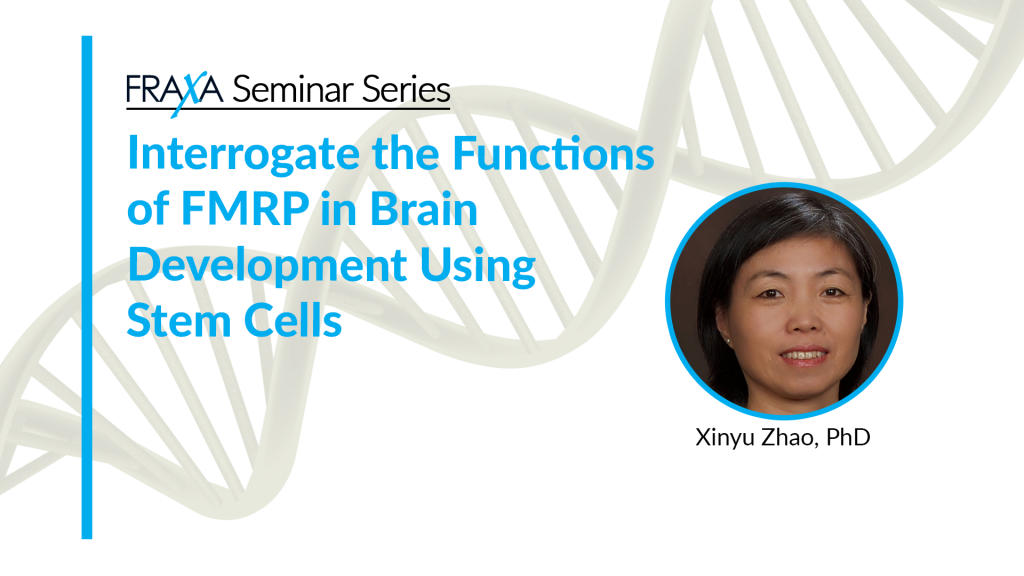
Interrogate the Functions of FMRP in Brain Development Using Stem Cells
Dr. Xinyu Zhao of the Waisman Center and Department of Neuroscience at University of Wisconsin-Madison joins us in this seminar to present Interrogate the Functions of FMRP in Brain Development Using Stem Cells.

Positive Results Reported in Phase II Fragile X Clinical Trial of PDE4D Inhibitor Zatolmilast from Tetra Therapeutics
Tetra Therapeutics announces the first unequivocally positive phase 2 clinical trial in Fragile X syndrome. The results do not depend on carving out a subset of patients or post hoc analysis.

Centers for Collaborative Research in Fragile X Receive $25 Million Over Next 5 Years
NIH announced $25 million to fund three new Centers for Collaborative Research in Fragile X, supported by NICHD, NIMH, and NINDS.
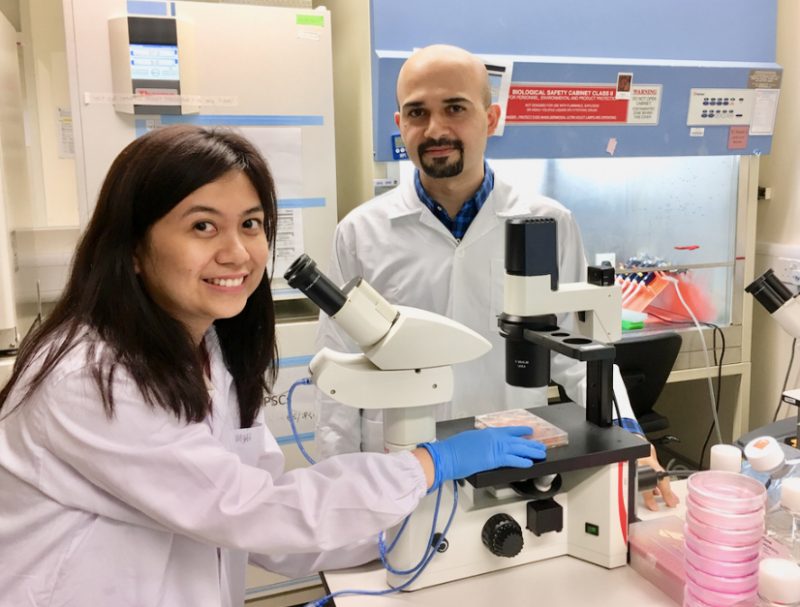
Genome-wide Screen for FMR1 Reactivation in Human FXS Neural Cells
This team aims to turn the FMR1 gene back on in Fragile X by identifying factors that reactivate the silenced gene and restore production of the missing FMRP protein.