
Enhancement of NMDA Receptor Signaling for the Treatment of Fragile X Syndrome
Drs. Emily Osterweil and Stephanie Barnes investigated NMDA receptor signaling and how rebalancing protein synthesis could correct Fragile X brain abnormalities.

Pharmacologically Activating mGluR7 as a Novel Therapy for Fragile X Syndrome
Join Dr. Tsai and Dr. Kumar on a journey into novel treatments for Fragile X syndrome. Activating mGluR7 could be a game-changer, opening up uncharted therapeutic territory.
SRC Family Kinase Inhibitor as a Potential Treatment for Fragile X Syndrome
This $100,000 FRAXA grant will fuel the Smith lab’s new approach to treating Fragile X syndrome using Saracatinib, originally a cancer drug.
Functional and Genomic Characterization of Interneurons in the Fmr1-KO Mouse Brain
The brain’s balance is maintained by two types of neurons: excitatory and inhibitory. This team has found fewer than normal inhibitory cells in Fragile X mice.
Cellular-Specific Therapeutic Targeting of Inhibitory Circuits in Fragile X Syndrome
The team studied how inhibitory brain circuits malfunction in Fragile X and tested ways to restore balance by targeting mGluR and endocannabinoid signaling.

Parkinson’s Therapy May Hold Promise for Fragile X
A study funded by FRAXA in Italy has encouraging results for people with Fragile X: drugs that block adenosine receptors (A2A) reversed signs of Fragile X in a mouse model.
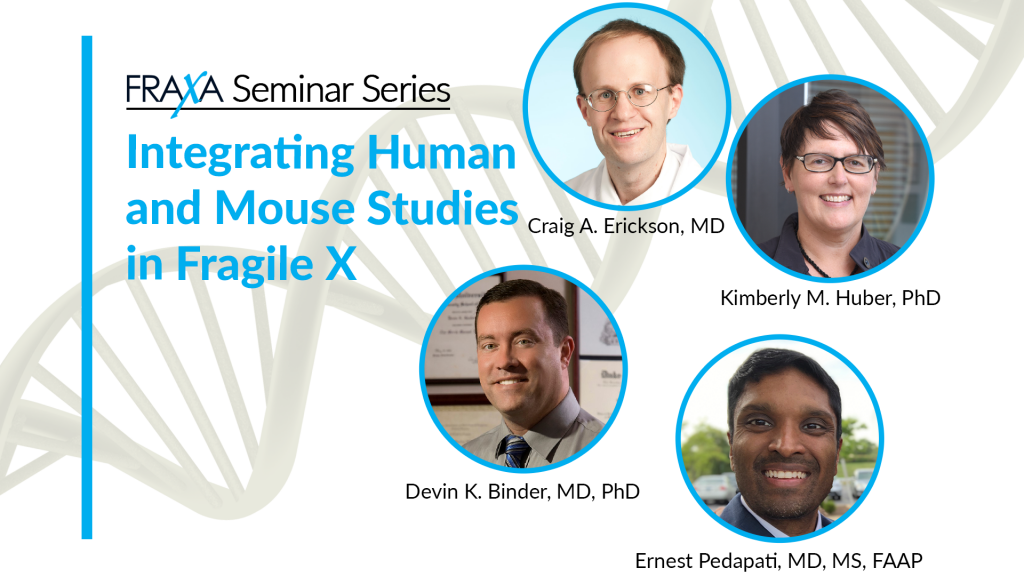
Integrating Human and Mouse Studies in Fragile X Syndrome – an NIH Center Approach
Presentations by Craig Erickson, Ernest Pedapati, Devin Binder, and Kimberly Huber about their research on Fragile X as part of their NIH Center of Excellence.
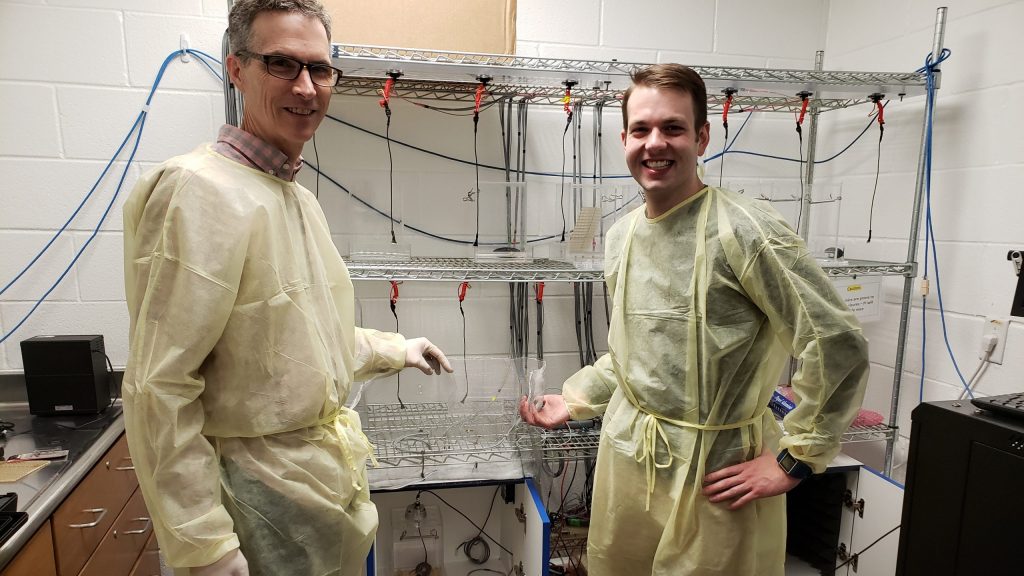
Auditory System Dysfunction and Drug Tolerance in the Fragile X Mouse
A $90K FRAXA grant will help uncover why Fragile X causes sound hypersensitivity and test ways to correct brain circuit dysfunction linked to auditory overload.

MicroRNA Mediated Astroglial GLT1 Dysregulation in Fragile X
The team studied how glial cells, especially astrocytes, affect Fragile X. They tested microRNAs to restore GLT1 and reduce excess glutamate linked to brain hyperexcitability.
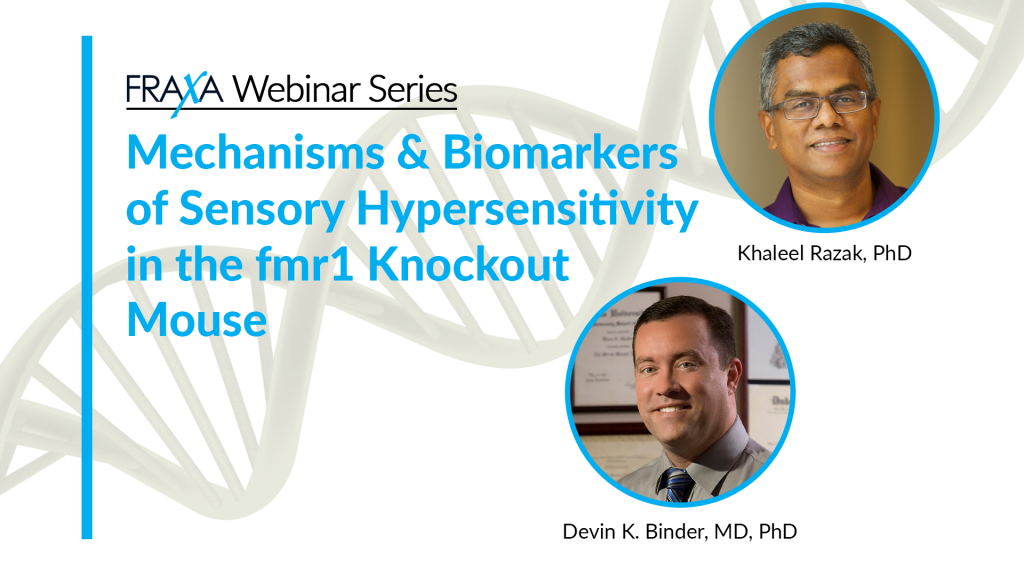
Mechanisms and Biomarkers of Sensory Hypersensitivity in the fmr1 Knockout Mouse
We hear from Devin K. Binder, MD, PhD, Professor, University of California at Riverside Medical School and Khaleel Razak, PhD, Professor, University of California at Riverside.
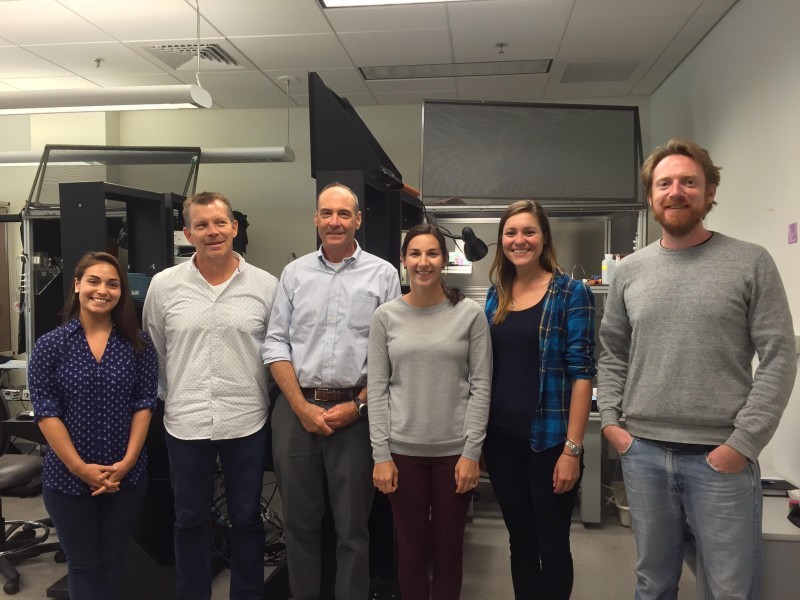
Scientists Find a New Way to Reverse Symptoms of Fragile X
MIT Professor Mark Bear and colleagues have identified a new target for Fragile X therapeutics: GSK3 alpha. Several FRAXA research teams previously identified GSK3 beta as a treatment target.

Considering Available Drugs for Fragile X: My Favorite Combination (So Far)
Which of the available drugs are best for managing fragile X syndrome? Most drugs have “off-target” effects which can have key advantages in some cases.
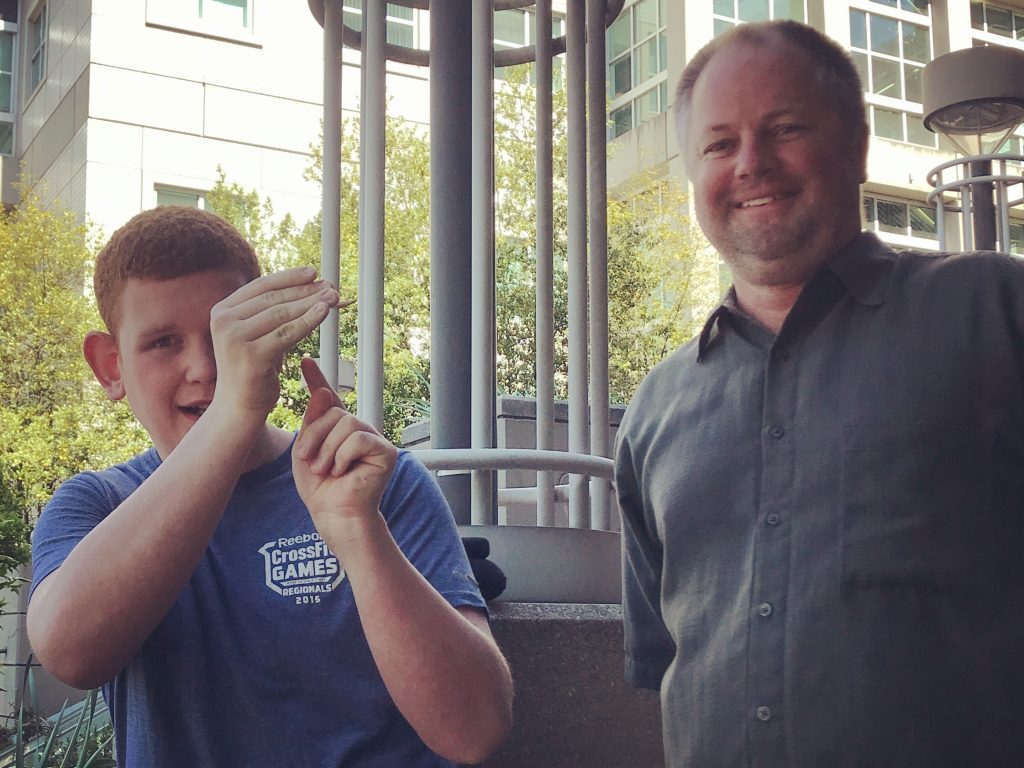
A Day in the Lab with FRAXA Investigator Dr. Tue Banke
Recently Laurie Bowler and her 19-year-old son Casey, who has Fragile X syndrome, visited FRAXA research grant recipient Dr. Tue Banke at his University of Washington laboratory. We hope you enjoy Laurie’s wonderful description of their adventure! FRAXA awarded $90,000 to Dr. Banke to study the Developmental Profile of Glutamatergic Synapses in Fragile X.

Developmental Profile of Glutamatergic Synapses in Fragile X
A FRAXA fellowship helped reveal how glutamate receptors at synapses develop differently in Fragile X, offering clues to improve learning and memory.
Coffee, Tea, and Chocolate: Adenosine Receptors in Fragile X
Could “caffeine-like” drugs help Fragile X? FRAXA funded research to test adenosine blockers, which may boost thinking and improve symptoms in Fragile X mice.

Fragile X Clinical Trial of AZD7325 in Adults
FRAXA funded a trial of AZD7325, a drug that boosts GABA(A), in adults with Fragile X. Led by Dr. Craig Erickson, it also tested innovative biomarkers for future trials.
Newly Discovered Regulatory Pathways in Fragile X
Studies at Yale University and elsewhere show FMRP plays a significant role in regulation of potassium channels. Potassium channel opener drugs could rescue some symptoms of Fragile X.

In Their Own Words: Reports From the International Fragile X Workshop
The 18th International Fragile X Workshop in Quebec was a great success, featuring more Fragile X research than ever before!

Brain Imbalance Target of Dr. Erickson’s New Clinical Trial
Dr. Erickson’s trial targeted brain imbalance in Fragile X by boosting GABA signaling with AZD7325, aiming to restore excitatory–inhibitory balance and improve symptoms.
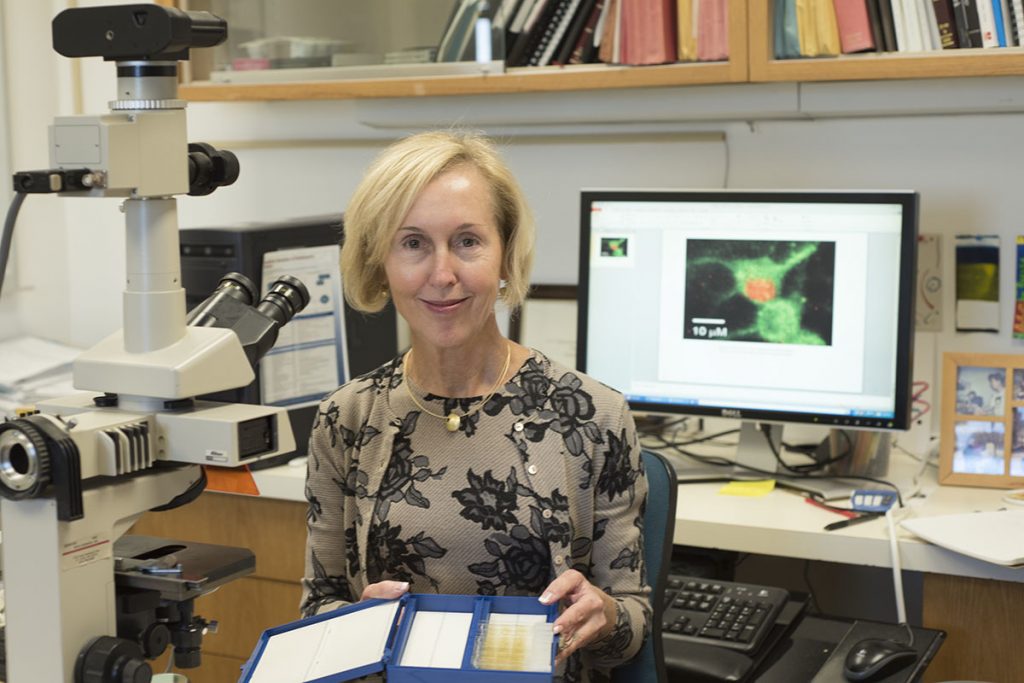
Defining Subcellular Specificity of Metabotropic Glutamate Receptor (mGluR5) Antagonists
This study showed that selectively targeting mGluR5 receptors in specific neuronal compartments can correct distinct Fragile X synaptic defects, improving precision therapy.

Mechanisms of Tolerance to Chronic mGluR5 Inhibition
FRAXA supported research showing mGluR5 antagonist tolerance develops quickly in Fragile X models, guiding new strategies to prevent or overcome it.

Clinical Trial of Ganaxolone in Patients with Fragile X Syndrome
Dr. Frank Kooy and colleagues conducted a double blind crossover trial of ganaxolone in patients with Fragile X with FRAXA funding. Results of this study were mixed.
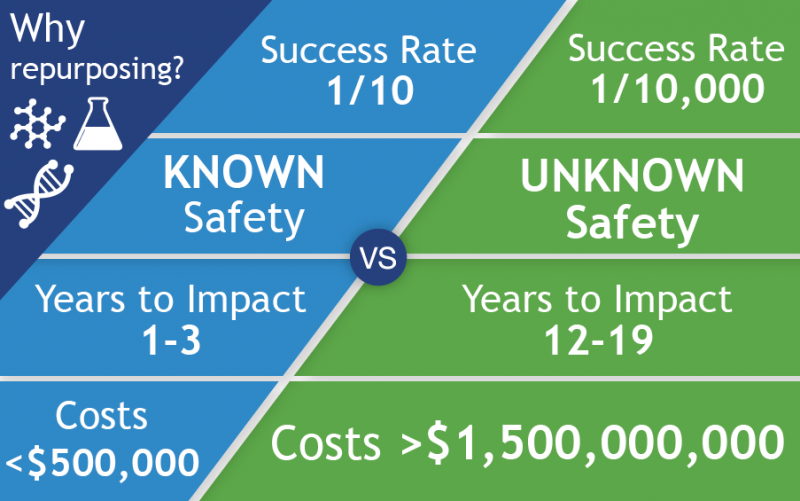
Repurposing Available Drugs to Treat Fragile X Syndrome – FRAXA Initiatives
FRAXA is identifying existing, approved drugs that could be repurposed for Fragile X, allowing potential treatments to move faster and at lower risk than starting from scratch.
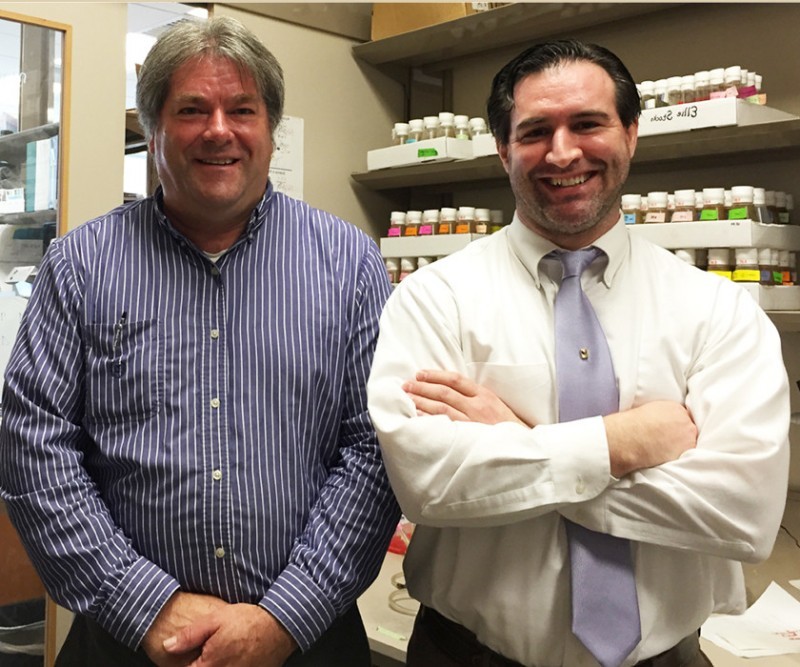
Fruit Flies to Model and Test Fragile X Treatments
Boosting cAMP signaling restores memory and fixes brain-signaling defects in Fragile X models, suggesting diabetes drugs like metformin may help.