

Correcting Sensory Processing in Fragile X Mice by Modulating Kv3.1
FRAXA funded UCLA research on a Kv3.1-targeting drug to ease sensory issues in Fragile X. This work built on Yale-led work now also being pursued by Autifony Therapeutics.
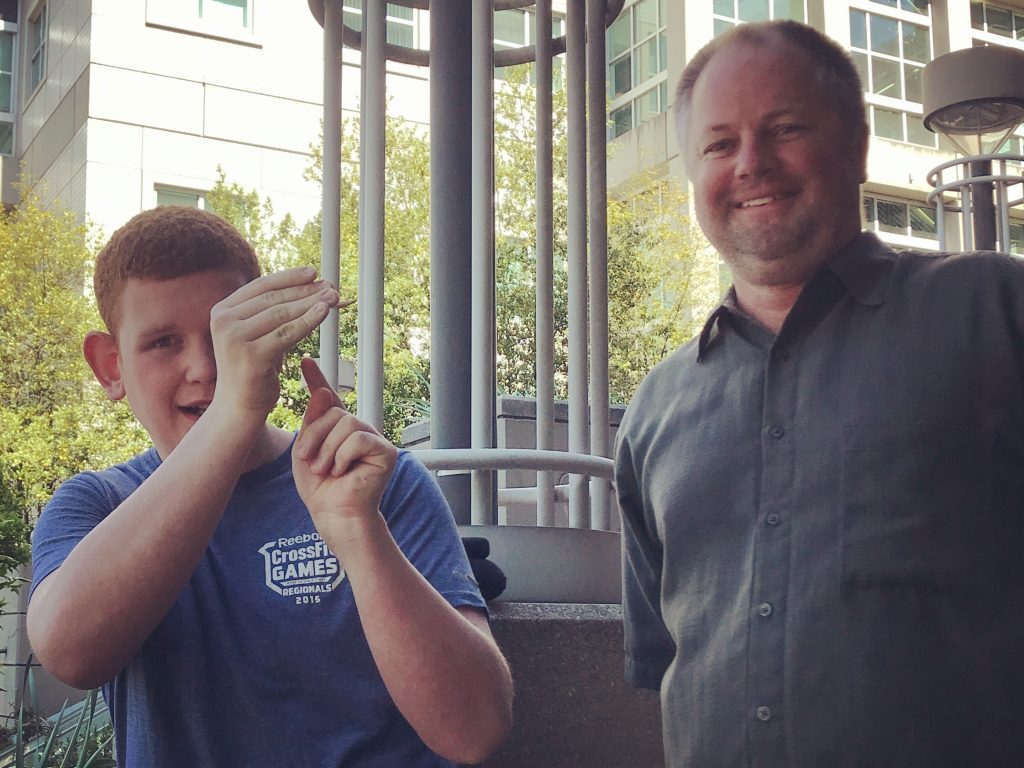
A Day in the Lab with FRAXA Investigator Dr. Tue Banke
Recently Laurie Bowler and her 19-year-old son Casey, who has Fragile X syndrome, visited FRAXA research grant recipient Dr. Tue Banke at his University of Washington laboratory. We hope you enjoy Laurie’s wonderful description of their adventure! FRAXA awarded $90,000 to Dr. Banke to study the Developmental Profile of Glutamatergic Synapses in Fragile X.

Gene Therapy Translational Studies for Fragile X Syndrome
With FRAXA funding, researchers tested AAV gene therapy to restore FMRP in Fragile X mice, measuring safety, effectiveness, and brain activity to inform future trials.
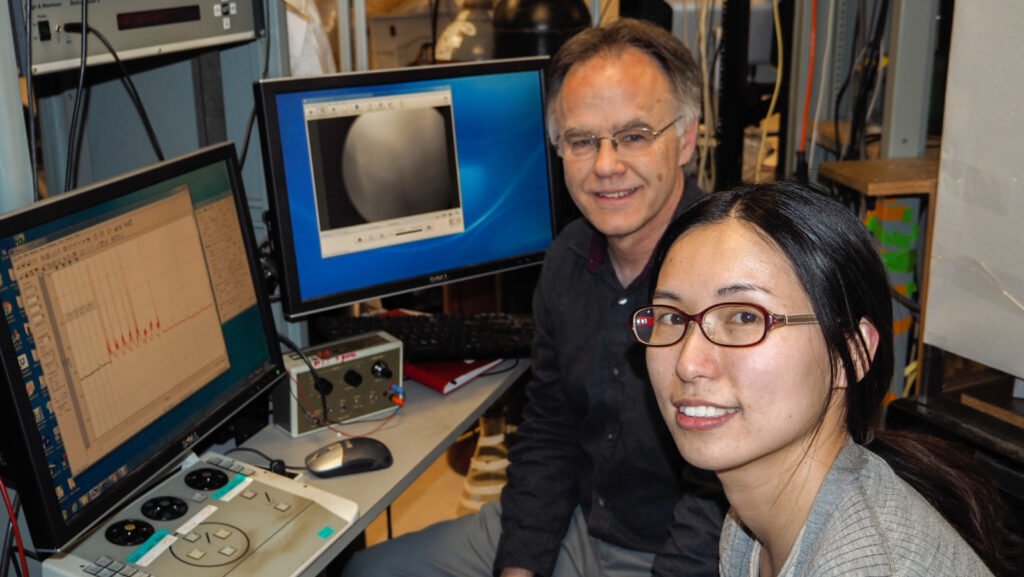
Reintroducing FMRP via Tat to Reduce Symptoms of Fragile X Syndrome
A FRAXA-funded team found that a shortened FMRP protein, delivered with a Tat “carrier,” restores brain signaling and improves behavior in Fragile X mice.

Ganaxolone Fragile X Clinical Trial Showed Disappointing Results
Ganaxolone, an experimental drug from Marinus Pharmaceuticals which targets GABA receptors, did not show promise for Fragile X syndrome in a clinical trial.

FXS Patients’ Social Deficits are Linked to Social Anxiety, Eye-tracking Study Says
Dr. Craig Erickson and colleagues at the University of Cincinnati used eye-tracking technology to understand sociability in Fragile X syndrome. This study affirms what so many parents, caretakers, and educators suspect: people with fragile X want to be social, and it is anxiety – not lack of interest – which usually hold them back. If anxiety could be reduced, more sociability would likely follow. Dr. Erickson is a Fragile X expert and FRAXA investigator who is currently conducting a Fragile X clinical trial of an investigational new drug.
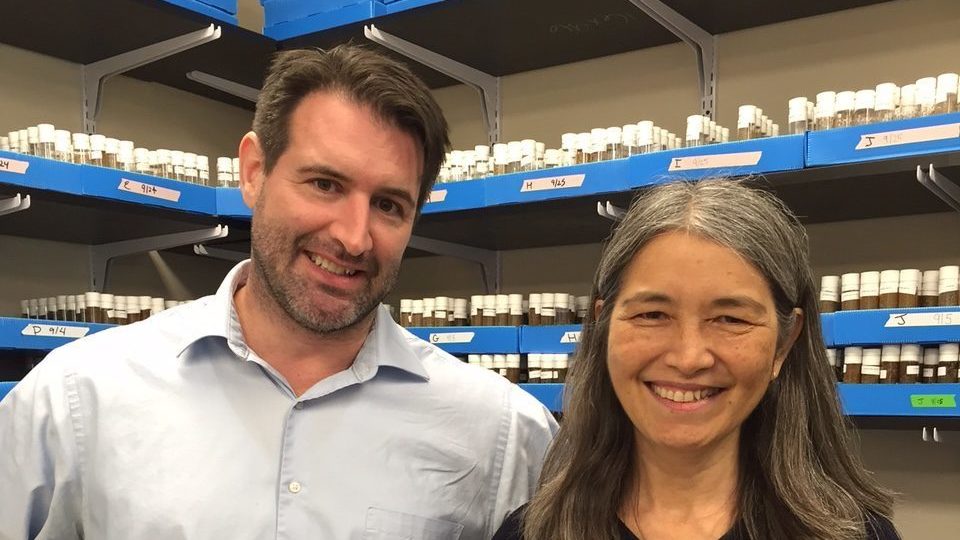
Screening 2,320 FDA-Approved Drugs for Potential Treatment of Fragile X
FRAXA funded a screen of 2,320 FDA-approved compounds in the Fragile X fly model to identify hits that improve memory and social behavior for advanced testing.

Meet Emily!
Meet #FriendofFRAXA Emily! If you would like to nominate someone as a #FriendofFRAXA, we welcome all who have been touched by Fragile X, including friends, grandparents, siblings, professionals and companions alike to become a #FriendofFRAXA with the goal of putting a face to Fragile X for those who may not know someone directly.
NKCC1 Inhibitor Bumetanide Corrects Synaptic and Circuit Hyperexcitability in Fragile X Mouse Model
Dr. Anis Contractor and Dr. Qionger He investigated the potential of the available drug bumetanide to correct altered GABA signalling in a mouse model of Fragile X syndrome.

Drug Duo Delivers Brain, Behavioral Benefits for Fragile X Syndrome
Administering a cholesterol drug alongside an antibiotic eases atypical behavior and restores the signaling balance in the brains of people with fragile X syndrome.

Finding Fragile X Biomarkers – From Transcriptomics to Behavior in Patients
FRAXA funded a study using blood-based transcriptomics to find reliable Fragile X biomarkers. This unique approach links molecular data to behavior for future trials.
Metformin and Aberrant Insulin Signaling in a Fragile X Mouse Model
FRAXA-funded research is revealing how insulin signaling is altered in Fragile X and whether lowering it, including with metformin, could ease symptoms.
Non-Invasive Imaging as a Biomarker for Fragile X Clinical Trials
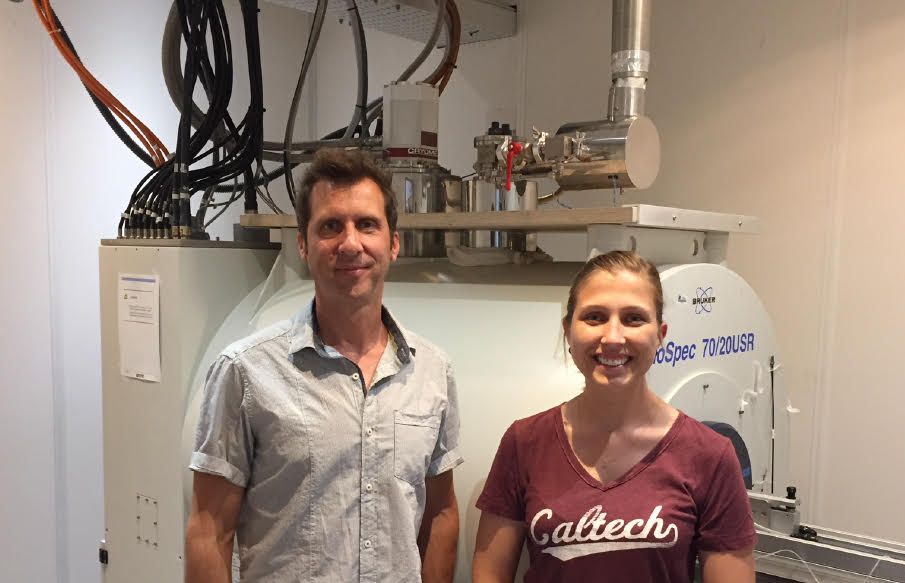
FRAXA funded MRI research to track brain connectivity changes in Fragile X. This could yield objective biomarkers for testing treatments in mice and humans.

Mega Green Tea Extract to Treat Fragile X?
Green tea is thought to have many benefits, particularly in cognitive function. In 2012-14, FRAXA Research Foundation funded a clinical trial to assess the effects of EGCG (green tea extract) on cognitive function in adults with FXS. Drs. Rafael de la Torre and Mara Dierssen Sotos, principal researchers in Barcelona, Spain, reported memory, attention, and mental flexibility improvements.
Activity-Dependent Translational Profiling in Fragile X Neurons
FRAXA funded new tools at UC Berkeley to track which proteins Fragile X neurons make during signaling, to find targets that improve learning and brain function.

Tetra Discovery Partners Initiates Phase 2 Trial of BPN14770 in Fragile X Syndrome
This 2-Period Crossover Study of BPN14770 is accepting adults males with Fragile X syndrome at Rush University Medical Center in Chicago. Principal Investigator of the study is Elizabeth Berry-Kravis, MD, PhD.
A selective inhibitor of the phosphodiesterase type-4D (PDE4D), BPN14770 has shown the ability to improve the quality of connections between neurons and to improve multiple behavioral outcomes in the Fragile X mouse model.

Aripiprazole as a Treatment for Fragile X Syndrome
Many medications are used to help people with Fragile X cope. But few clinical trials have been done on these drugs. Years ago FRAXA funded Dr. Craig Erickson to run a trial of aripiprazole (aka Abilify). FRAXA guest writer Hannah Miles recently caught up with Dr. Erickson to learn the results of the trial.

Study Examines Behavioral Traits of Fragile X Patients Without Autism
Patients with Fragile X syndrome who don’t meet the cut-off for a diagnosis of autism show a decrease in impulsivity and repetitive questioning over time, when compared with patients who do, a new study shows.

Meet Drew!
Meet #FriendofFRAXA Drew! If you would like to nominate someone as a #FriendofFRAXA, we welcome all who have been touched by Fragile X, including friends, grandparents, siblings, professionals and companions alike to become a #FriendofFRAXA with the goal of putting a face to Fragile X for those who may not know someone directly.

FRAXA Funded Researchers Present at MA Fragile X Conference
Boston Children’s Hospital hosted a Fragile X conference with FRAXA-funded researchers Dr. Craig Erickson & Dr. Carol Wilkinson presenting.
FRAXA Research Grants Drive Big Investments in Fragile X
Most people know that FRAXA supports academic research at many institutions such as Harvard University, University of Pennsylvania, Massachusetts Institute of Technology, and Yale University. However, FRAXA is also working with more than 30 pharmaceutical companies around the world. Mike spends a lot of his time advising and collaborating with industry partners.

Coming Full Circle – Kathy May Returns back to FRAXA
After 20 years, FRAXA co-founder Kathy May returns, saying, “There will be a cure. FRAXA is the reason for this hope.”
Newly Discovered Regulatory Pathways in Fragile X
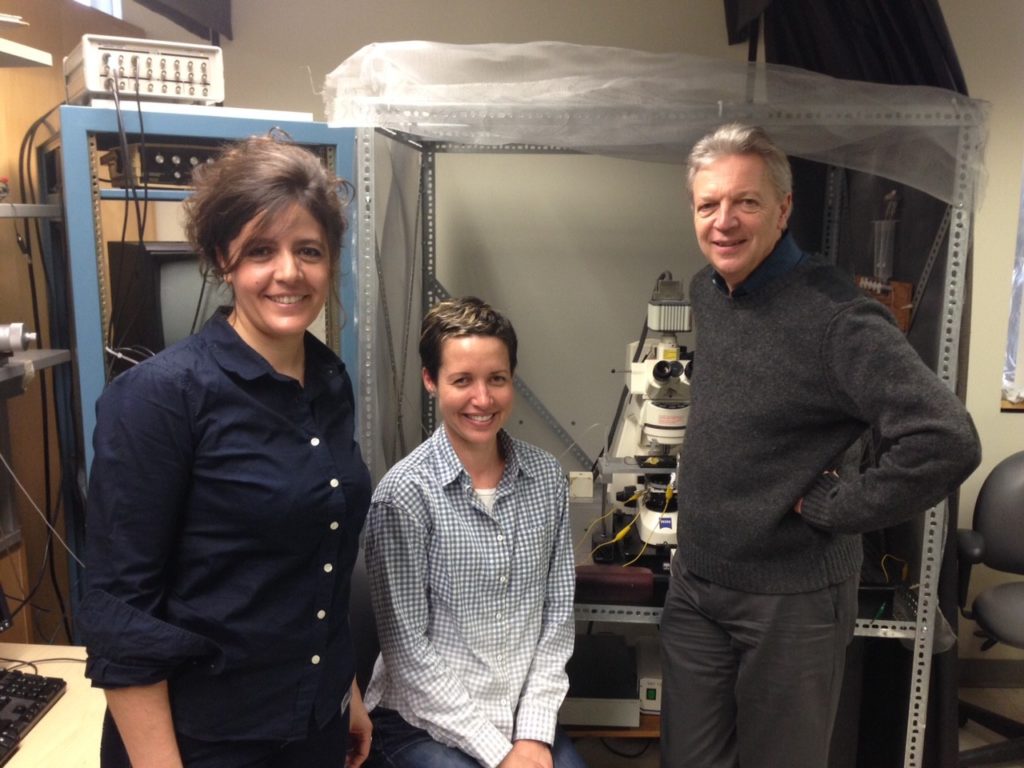
Studies at Yale University and elsewhere are showing that FMRP plays a significant role in the regulation of potassium channels. Looking forward, potassium channel opener drugs could rescue some symptoms of Fragile X in humans.
Drug Repurposing Study Results Accelerate Progress Towards Fragile X Treatments
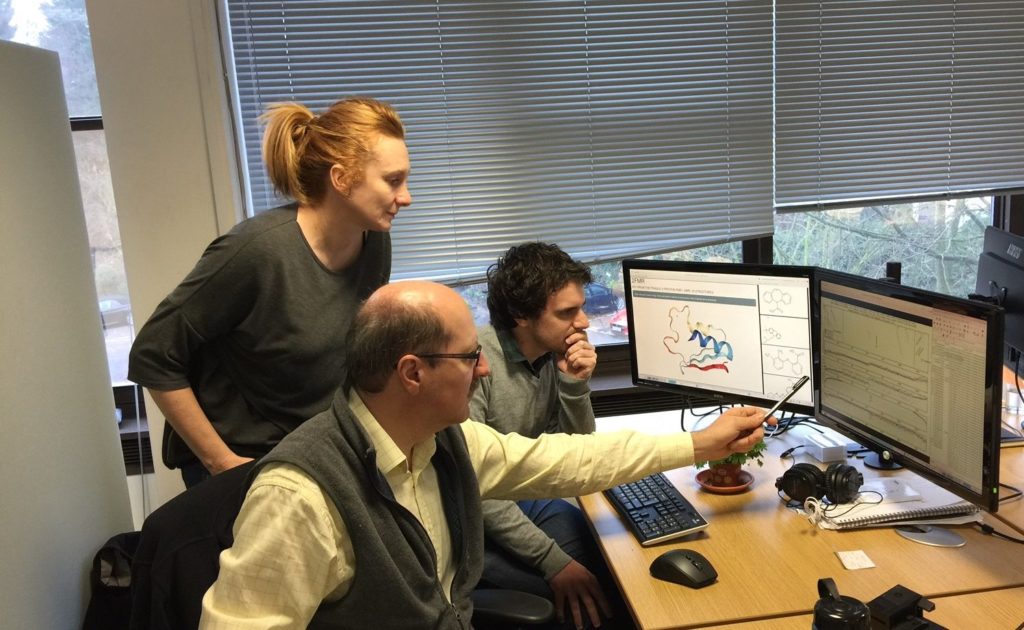
While there are over 8,000 rare diseases affecting an estimated 350 million people worldwide, only around 200 of these conditions have effective treatments. Due to the high cost of developing new drugs, rare diseases have historically been less attractive to pharmaceutical companies. Drug repurposing systematically leverages the detailed information available on approved drugs and reduces the time and money needed to deliver safe “new” treatments, but with greater success rates and a potentially more immediate impact on health care.