Explore the potential of ASOs in treating Fragile X syndrome & FXTAS. Dive into a comprehensive Q&A addressing key questions and breakthrough findings.
Discover how FRAXA leverages Community-Based Drug Development to create impactful therapies for Fragile X syndrome. Join us as we reshape the future of rare disease treatment.
This changes everything! FRAXA funded research introduces Antisense Oligonucleotide (ASO) Therapy, redefining Fragile X syndrome treatment and understanding.
Discover groundbreaking methods for reactivating the FMR1 gene in Fragile X syndrome. Dive into the transformational research and the implications of self-healing at a cellular level.
Allos Pharma is planning a pivotal Phase 3 trial of arbaclofen for individuals with Fragile X syndrome. Arbaclofen is closely related to the available drug baclofen.
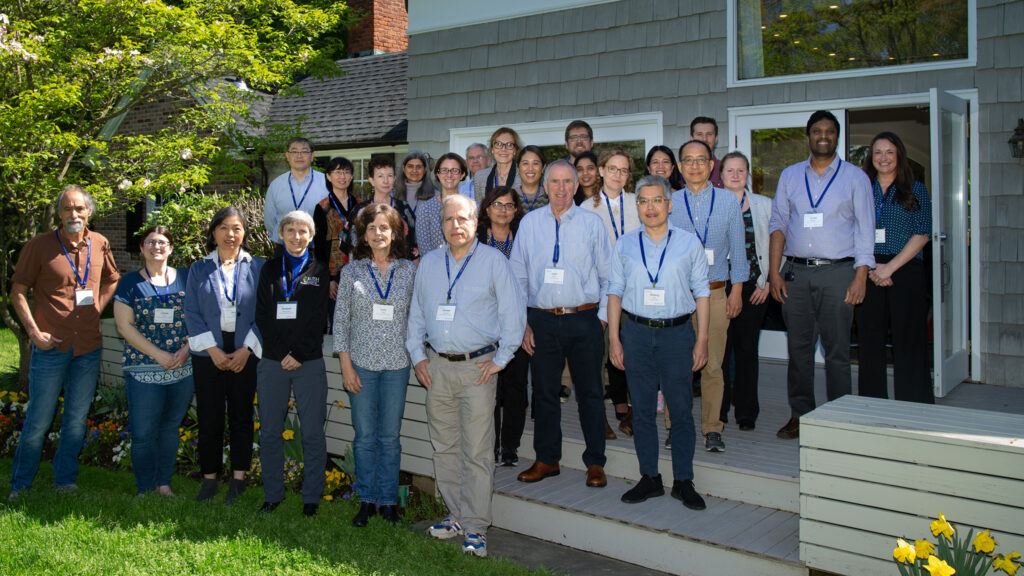
Explore the latest breakthroughs in Fragile X research unveiled at the recent Banbury Meeting. Discover novel strategies, from gene therapy to protein replacement, that bring hope for curative therapies.
The team is developing new, more accurate Fragile X brain organoids to help researchers study neural circuit problems and accelerate testing of future treatments.
Discover unexpected links between Fragile X Syndrome and cancer. Studies show people with Fragile X have much lower cancer rates. Explore new opportunities for collaboration in this promising research.
Could a simple blood test show if a Fragile X treatment is working? This team is studying brain-derived exosomes as a new way to track treatment benefits.
Dr. Maquat discovered NMD, a key surveillance system in the body that protects against mistakes in gene expression. With funding from FRAXA she is tackling Fragile X syndrome.
Girls and women with Fragile X syndrome show different learning impairments relative to boys and men with the disease, a finding that was paralleled in a mouse model of the disease, a study found.
Why do males and females experience Fragile X differently? This team is studying brain signaling pathways to uncover sex-based differences and guide treatments.
This team is testing ERK inhibitors — drugs that may calm overactive brain signaling in Fragile X. Early results in mice show strong benefits with minimal side effects.
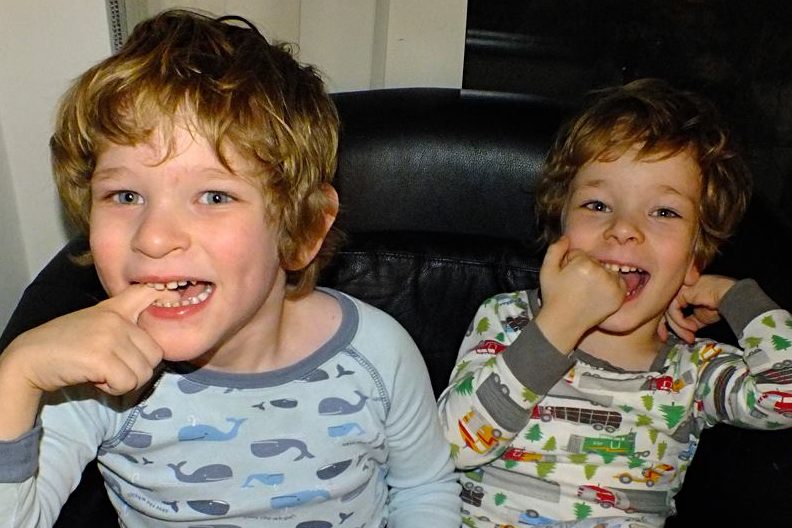
Meet #FriendofFRAXA Ryder! If you would like to nominate someone as a #FriendofFRAXA, we welcome all who have been touched by Fragile X. Ryder is a delight!
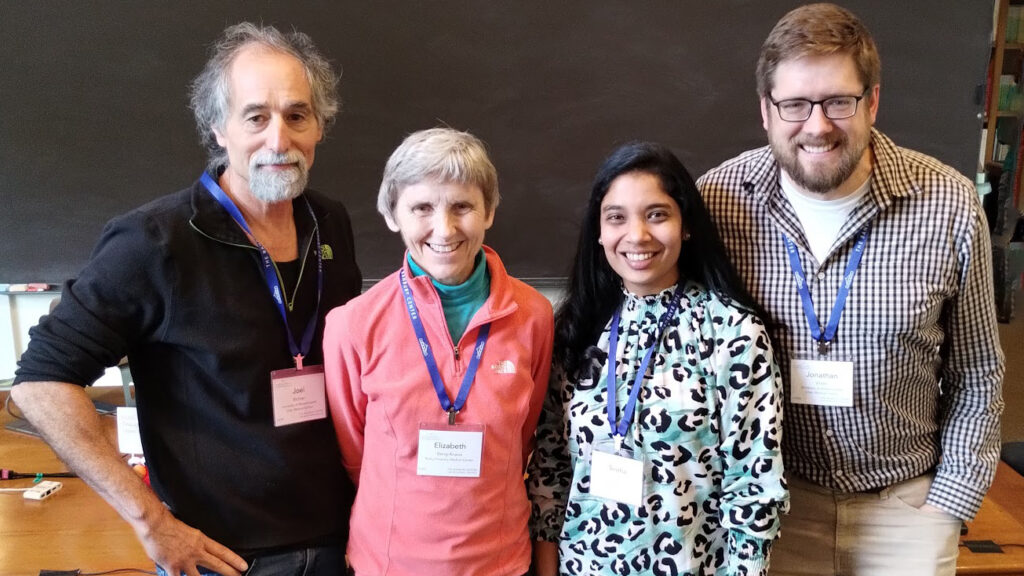
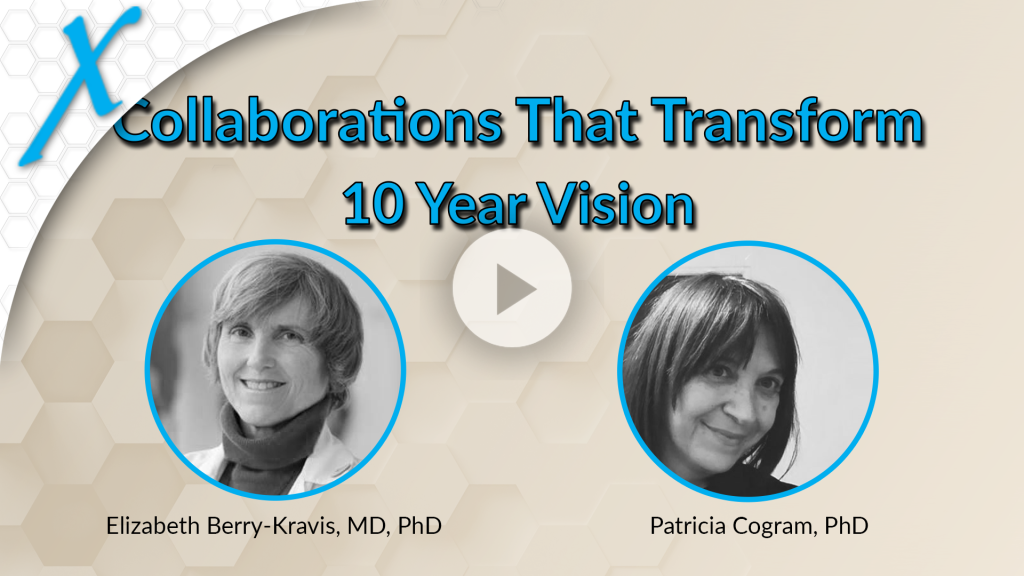
FRAXA Investigators Dr. Patricia Cogram and Dr. Elizabeth Berry-Kravis reflect on progress that has been made and visualize what they see happening in the next 10 years for people living with Fragile X syndrome.
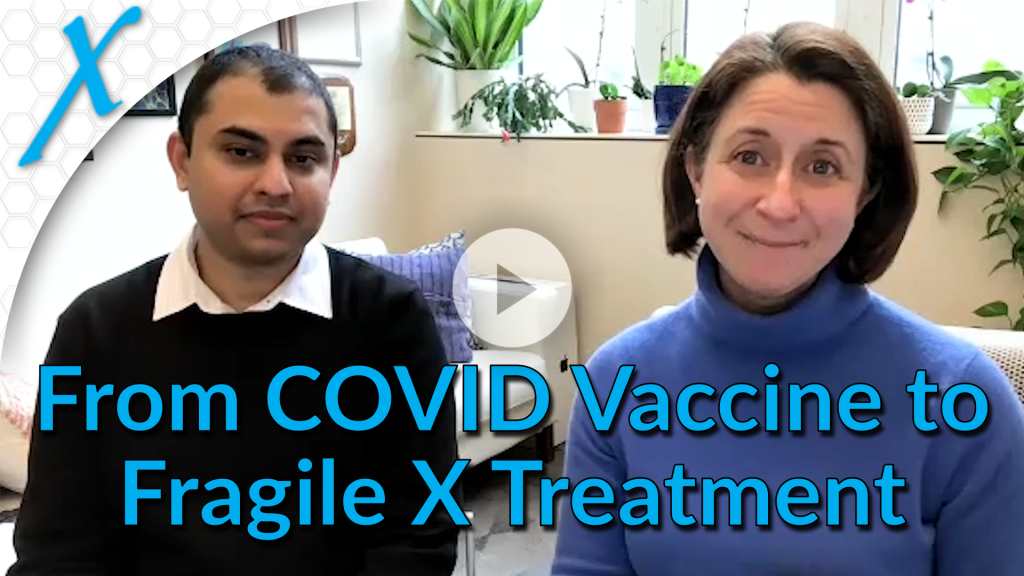
Dr. Kathryn Whitehead helped develop the science behind the COVID-19 vaccines. Her team adapted this technology to deliver the Fragile X mRNA to brain cells.
Disappointing results have been published from Zynerba Pharmaceuticals’s phase 3 clinical trial of Zygel™. 212 children and adolescents 3 to 17 years were given Zygel or placebo for 12 weeks.
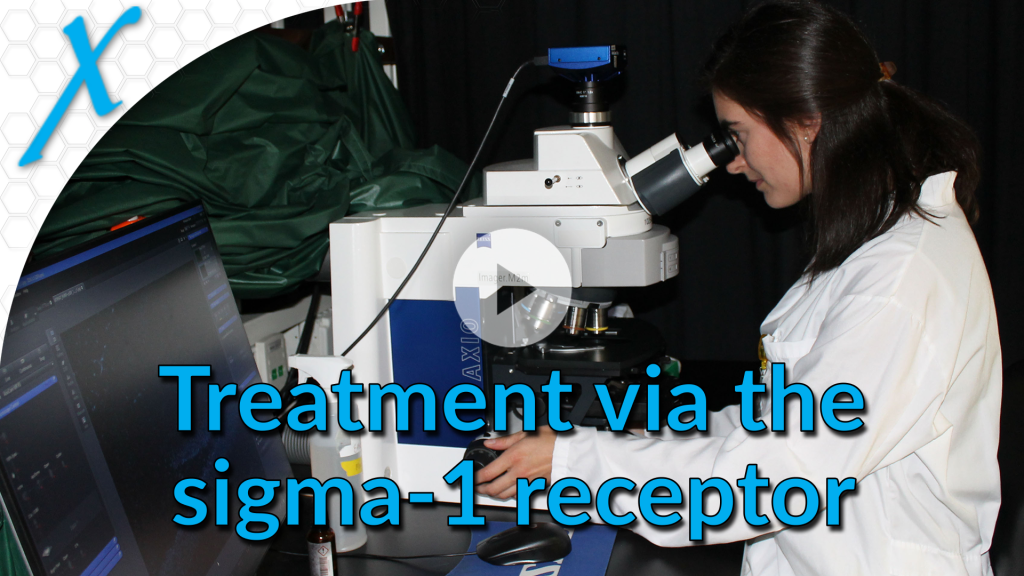
Researchers will test sigma-1 receptor drugs—like fluvoxamine, which activates this pathway—to see if they can correct Fragile X brain cell abnormalities.