
Clinical Trials in Fragile X Syndrome
To all who have loved ones impacted by Fragile X syndrome, we sincerely thank you for your interest in clinical trials. These trials are beacons of hope during challenging times, and your curiosity and engagement are instrumental in pushing this important research forward.
As a further resource, we offer an enlightening video discussion featuring Holly Roos and Katie Clapp, both mothers to young adults with Fragile X and key figures in FRAXA. Their personal experiences provide unique and heartfelt perspectives on the journey through Fragile X clinical trials.
We understand that you might have questions about what participating in a clinical trial entails. Each study is supervised by a medical professional specializing in Fragile X syndrome. Participation is free, with no need to inform your insurance provider and the freedom to withdraw at any time. Typically, travel expenses are covered.
It's important to know that the FDA usually mandates two successful large-scale clinical trials before considering the approval of a new treatment, however for rare conditions like Fragile X syndrome, one trial with strong results may be sufficient. Upon successful trials and subsequent FDA approval, new drugs become accessible to others diagnosed with Fragile X syndrome, hopefully improving the quality of life for many individuals and families.
Ongoing Fragile X Studies Accepting Participants
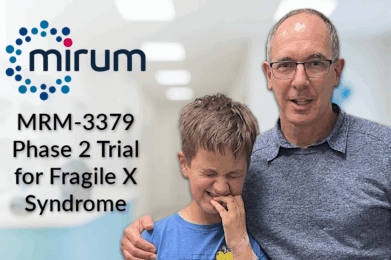
Recruiting: Mirum Launches Clinical Trial of MRM-3379 for Fragile X Syndrome
Mirum’s MRM-3379 Phase 2 trial builds on FRAXA-funded PDE4D research and is now enrolling males ages 13–45 with Fragile X syndrome. View eligibility and study sites.
Additional Fragile X Clinical Trials
Please visit clinicaltrials.gov for a complete listing of Fragile X syndrome clinical trials.
Completed Fragile X Trials: A Journey Towards Progress
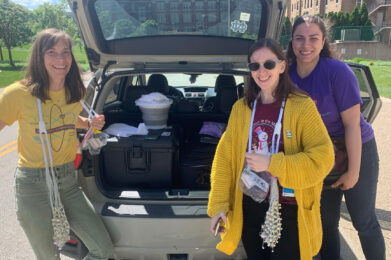
Fragile X Unplugged: Establishing Mobile EEG as the Next Frontier
A $100,000 FRAXA grant to Cincinnati Children’s Hospital is simplifying and testing EEG technology for home use, improving clinical trial accessibility and efficiency.
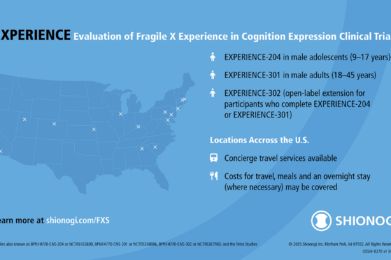
Shionogi’s EXPERIENCE Phase 3 Clinical Trial of Zatolmilast in Fragile X Syndrome
Learn more about Shionogi’s EXPERIENCE clinical trials for adults and adolescents with Fragile X syndrome, FRAXA’s role, and the open-label extension of these trials.

Developmental Motor Phenotype in Fragile X Syndrome
A little known sign of Fragile X is unsteady walking. This team is developing outcome measures of gait for future treatment trials. Results published.

Clinical Study of Non-Invasive EEG for Children Ages 2-7
Dr. Carol Wilkinson, MD PhD at Boston Children’s Hospital recruited children ages 2-7 years with Fragile X syndrome to participate in a study of EEG.
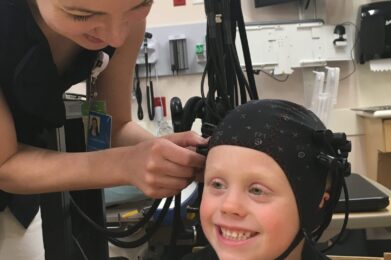
fNIRS to Measure Treatment Response in Young Children with Fragile X
The team tested functional near-infrared spectroscopy (fNIRS). fNIRS uses light sources and sensors on the scalp to build a heat map of the brain in action.

Somatosensory Processing as a Therapeutic Target for Fragile X Syndrome
FRAXA-funded researchers in Edinburgh assessed a noninvasive touch test that could be used for clinical trials in Fragile X syndrome.
Fragile X Clinical Trial of New PDE4D Inhibitor from Tetra
A $200K FRAXA grant enabled a successful Phase 2 trial of a PDE4D inhibitor for adult men with Fragile X, showing strong cognitive gains without side effects or tolerance.
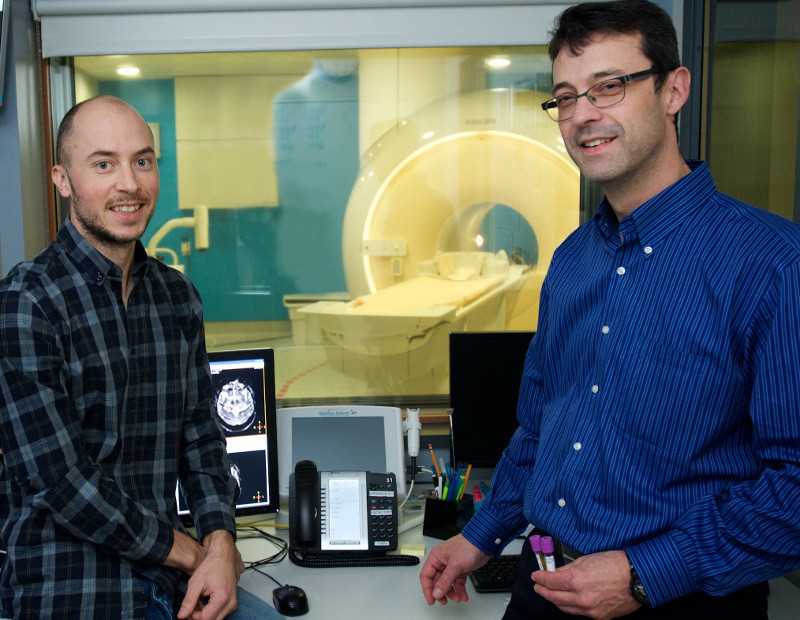
Lovamix: Clinical Trial of Combined Treatment of Minocycline and Lovastatin in Fragile X Syndrome
FRAXA funded the LovaMiX trial of lovastatin + minocycline for Fragile X. 2022 results show safety and support continued study of this dual-target treatment approach.

Clinical Trial of Metformin for Fragile X Syndrome
FRAXA-funded open-label trial found that metformin led to increased GABA-mediated cortical inhibition, suggesting metformin modulates core Fragile X pathways.
Purposeful and FRAXA Partnership Leads to Clinical Trial
AI and FRAXA-DVI identified a drug + supplement combo that reversed all Fragile X symptoms in mice. A clinical trial tested this in adults with Fragile X.

Link Between Lipid Profile, eCBome System and Gut Microbiome in Fragile X Syndrome
Why does obesity challenge so many people with Fragile X? Dr. Caku’s team has found that Fragile X syndrome causes changes in the tiny organisms that live in our gut.

Positive Results Reported in Phase II Fragile X Clinical Trial of PDE4D Inhibitor Zatolmilast from Tetra Therapeutics
Tetra Therapeutics announces the first unequivocally positive phase 2 clinical trial in Fragile X syndrome. The results do not depend on carving out a subset of patients or post hoc analysis.

Fragile X Clinical Trial of AZD7325 in Adults
FRAXA funded a trial of AZD7325, a drug that boosts GABA(A), in adults with Fragile X. Led by Dr. Craig Erickson, it also tested innovative biomarkers for future trials.

Brain Imbalance Target of Dr. Erickson’s New Clinical Trial
Dr. Erickson’s trial targeted brain imbalance in Fragile X by boosting GABA signaling with AZD7325, aiming to restore excitatory–inhibitory balance and improve symptoms.

Clinical Trial of Ganaxolone in Patients with Fragile X Syndrome
Dr. Frank Kooy and colleagues conducted a double blind crossover trial of ganaxolone in patients with Fragile X with FRAXA funding. Results of this study were mixed.
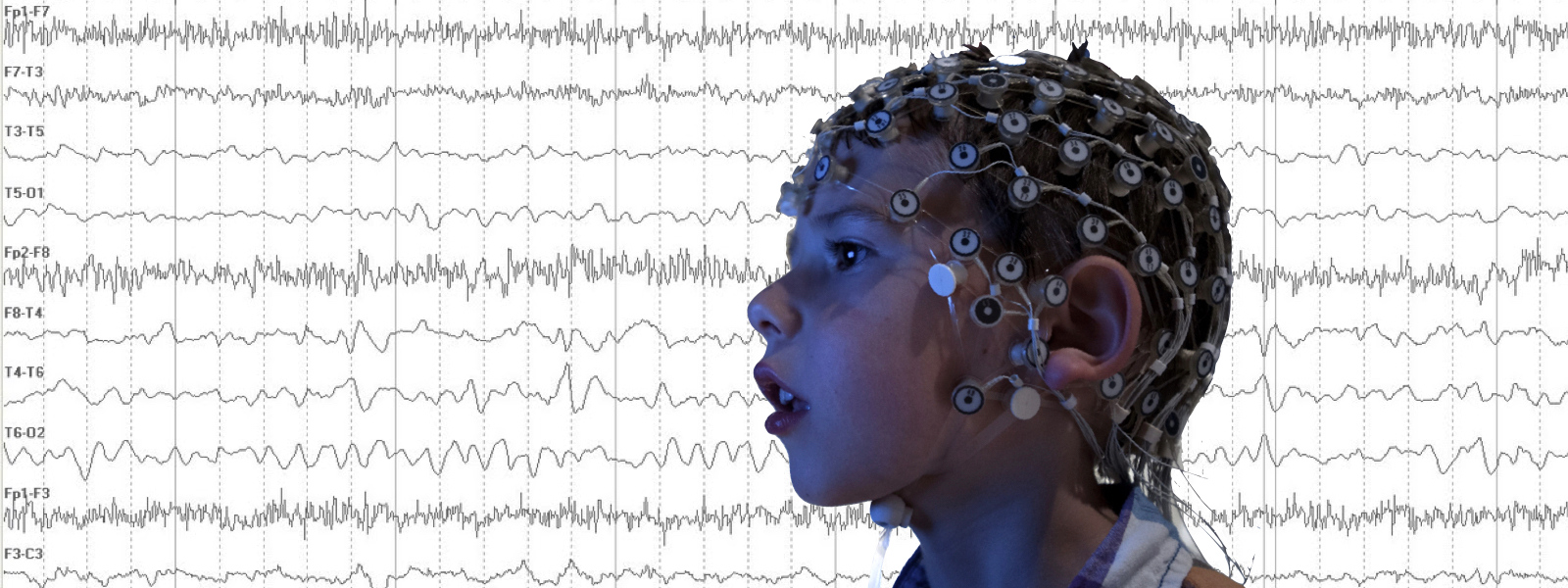
Neural Markers of Fragile X: A Powerful New Tool for Clinical Trials
Once a neural marker is identified for a particular challenge, it can be measured during drug and behavioral therapy trials to see if a child is improving based on objective biological measures.
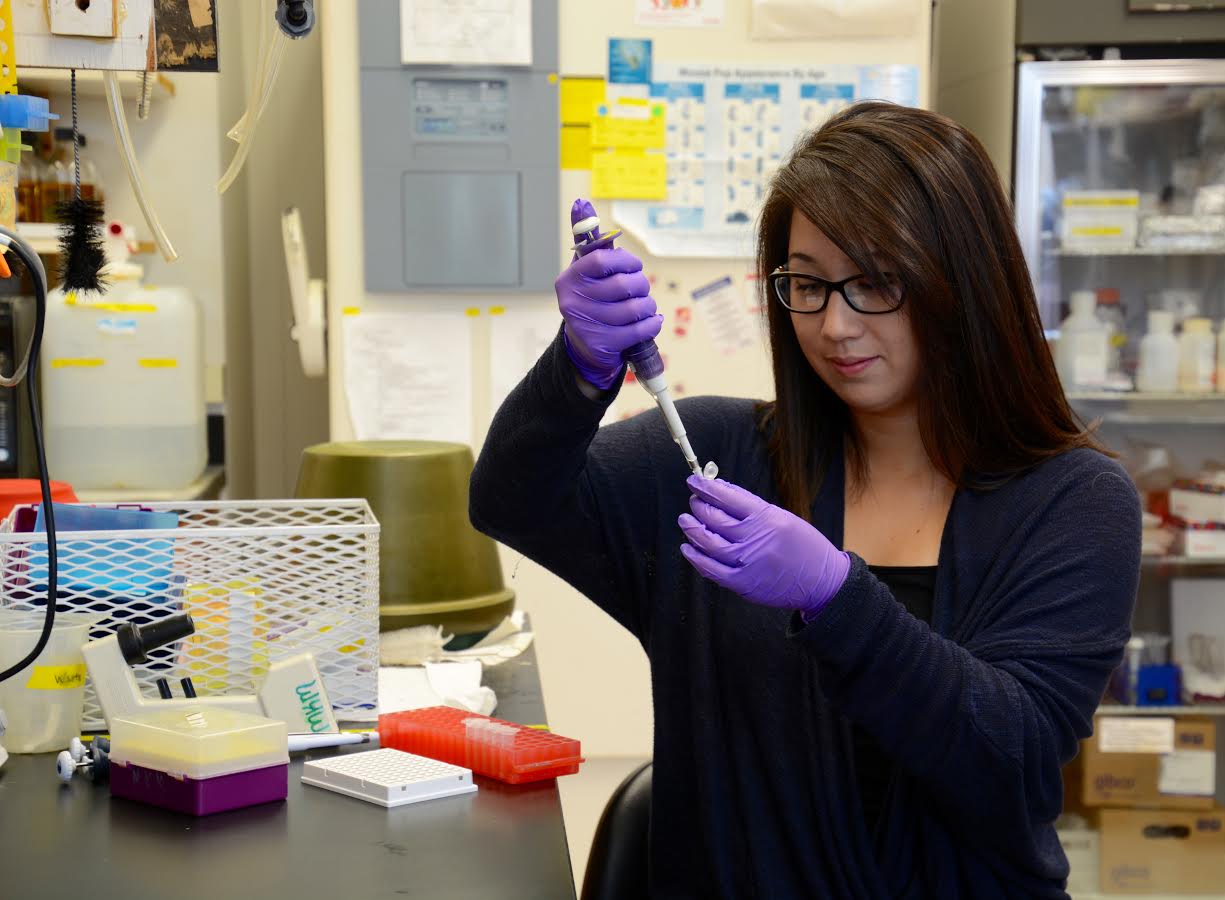
Trial and No Error: Better Outcomes for Clinical Trials in Fragile X Syndrome
The team investigated a potential microRNA blood-based biomarker that can be used as a clinical outcome measure for Fragile X syndrome.
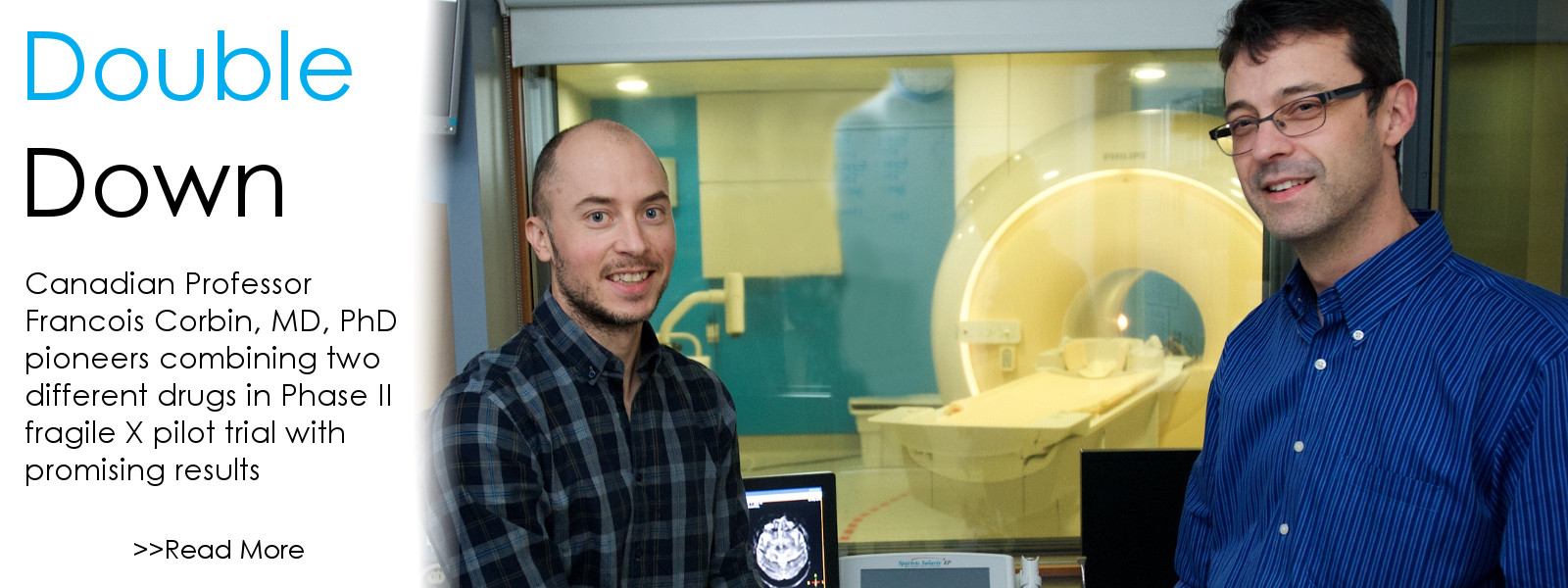
Double Down: Fragile X Clinical Trial Combines Two Available Drugs
FRAXA funded a trial combining lovastatin and minocycline to test whether targeting multiple pathways can improve brain activity and behavior in Fragile X.
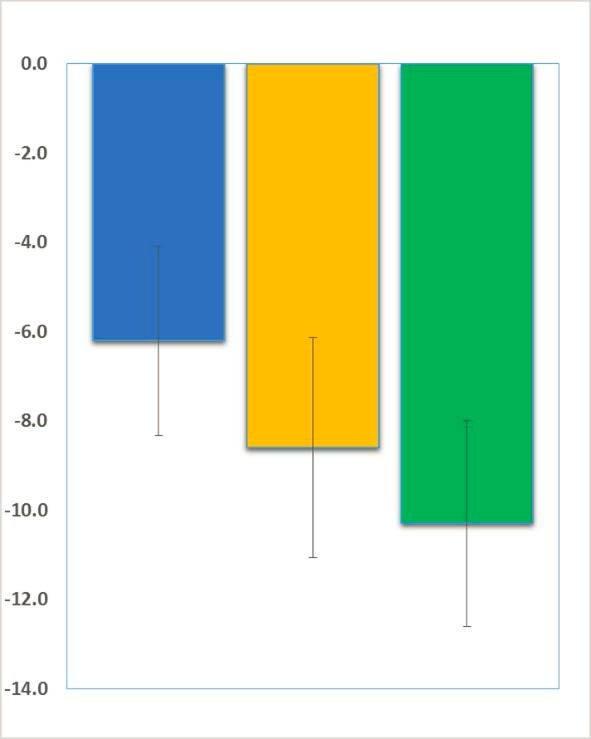
Neuren’s Tofinetide Successful in Phase 2 Clinical Trial in Fragile X
In this initial trial with a relatively short treatment period, trofinetide was very well tolerated, with the high dose (70 mg/kg twice daily) demonstrating a consistent pattern of clinical improvement.
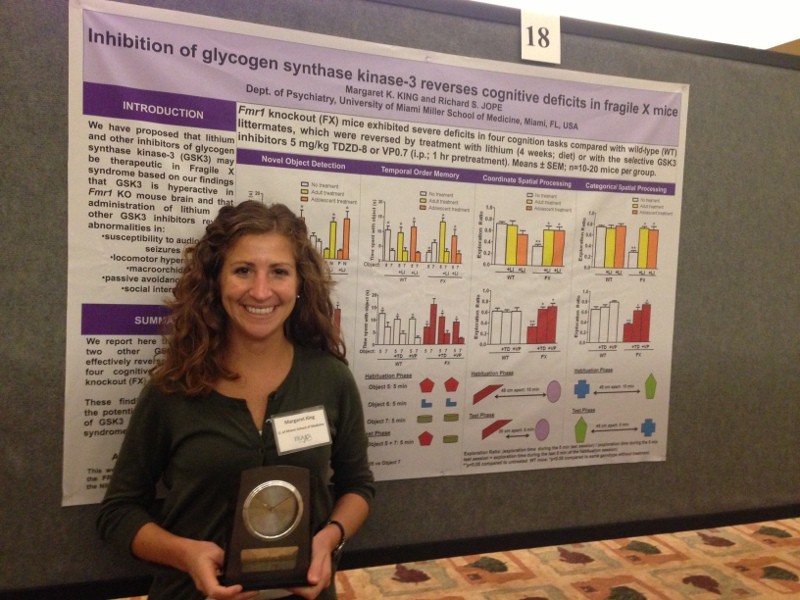
Analysis of Developmental Brain Dysfunction in Families
No strong behavioral similarities were found between parents and children with Fragile X, indicating family history may not guide clinical trial recruitment.