The FRAXA Drug Validation Initiative (FRAXA-DVI) provides speedy, cost-effective, objective preclinical testing to validate investigational and repurposed compounds for Fragile X.
Dr. Lee’s team is testing novel gene editing therapies for Fragile X, aiming to repair FMR1 and restore the missing protein — a promising new strategy which is targeted and reversible.
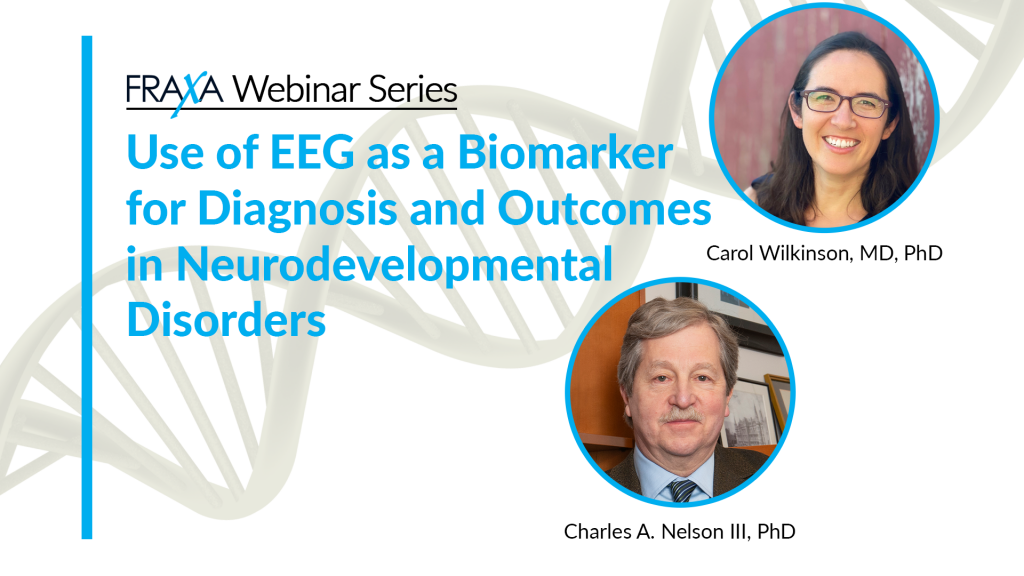
This webinar features Charles A. Nelson III, PhD, Professor at Harvard Medical School and Carol Wilkinson, MD, PhD, Instructor at Boston Children’s Hospital.
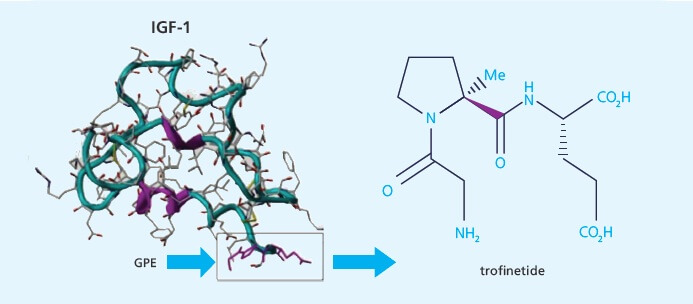
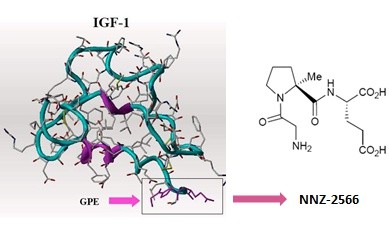
Neuren Pharmaceuticals has published results of a Phase 2 Fragile X Clinical Trial of Trofinetide ih Fragile X syndrome. This trial tested a new design which can be used in future trials.
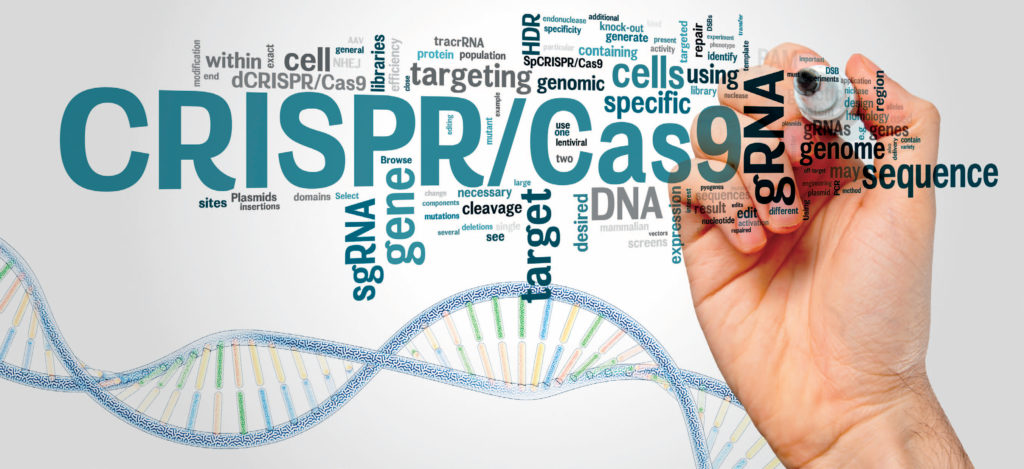
CRISPR/Cas9 was used by MIT researchers to remove the molecular tags that keep the mutant gene shut off in Fragile X syndrome neurons and resulted in some of them producing protein normally. Much work is being done right now, with exciting new discoveries coming at a fast and furious pace.
FRAXA funds biomarker research to develop objective, biological measures of Fragile X, helping predict treatment response, guide trials, and move therapies toward FDA approval.
FRAXA funds biomarker research to identify objective, measurable signals of Fragile X, helping predict who will respond to treatments and improving clinical trial success.
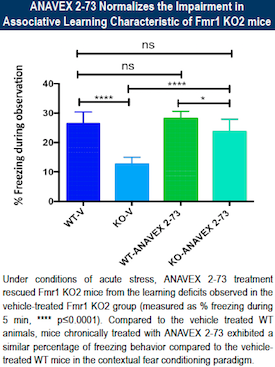
The investigational drug Anavex 2-73 was able to improve intellectual, learning and hyperactivity measures in a mouse model of Fragile X syndrome. This is a sigma-1 receptor agonist being developed for autism spectrum disorders and Alzheimer’s disease.
We are pleased to share great news adapted from Neuren’s press release: Neuren’s phase 2 trial has successfully established proof of concept and provides a strong rationale for Neuren to move forward with developing trofinetide for Fragile X syndrome. In this initial small trial with a relatively short treatment period, trofinetide was very well tolerated, with the high dose (70 mg/kg twice daily) demonstrating a consistent pattern of clinical improvement, observed in both clinician and caregiver assessments.
This isn’t a Fragile X trial, but the Neuren compound, NNZ-2566, that is in trials now for Fragile X has shown significant positive effects in a Phase 2 trial for Rett syndrome. The results of the trial are interesting, in that improvement was seen a Rett syndrome-specific rating scale compared to placebo, and there was also improvement noted on the CGI-I (Clinical Global Impression of Improvement) and Caregiver Top 3 Concerns. However, there was no effect seen on ABC scores (Aberrant Behavior Checklist) compared to placebo. Many in the Fragile X field have noted the inadequacies of the ABC; indeed, it was never designed or intended to be an outcome measure for clinical trials.
With a $220,000 FRAXA grant, Dr. Iryna Ethell’s team at UC Riverside uncovered MMP-9’s role in Fragile X—leading to a major treatment strategy using minocycline.