

Contacting Your Member of Congress to Advocate for Fragile X Research
A quick guide to contacting Congress for Fragile X advocacy—includes tips, recommendations, and how to look up your senators and representatives.

Drug Duo Delivers Brain, Behavioral Benefits for Fragile X Syndrome
Administering a cholesterol drug alongside an antibiotic eases atypical behavior and restores the signaling balance in the brains of people with fragile X syndrome.
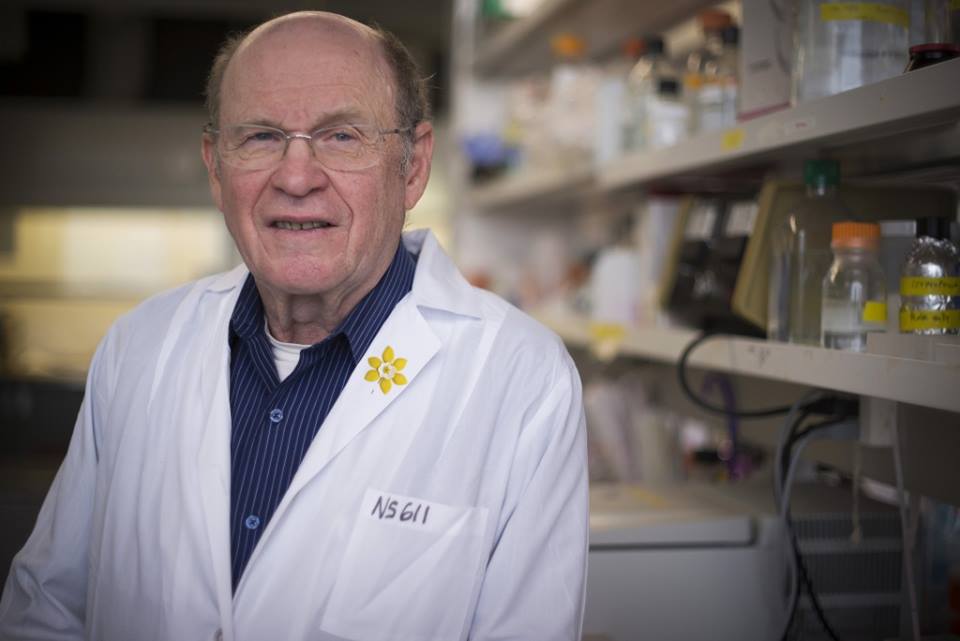
Metformin and Aberrant Insulin Signaling in a Fragile X Mouse Model
FRAXA-funded research is revealing how insulin signaling is altered in Fragile X and whether lowering it, including with metformin, could ease symptoms.
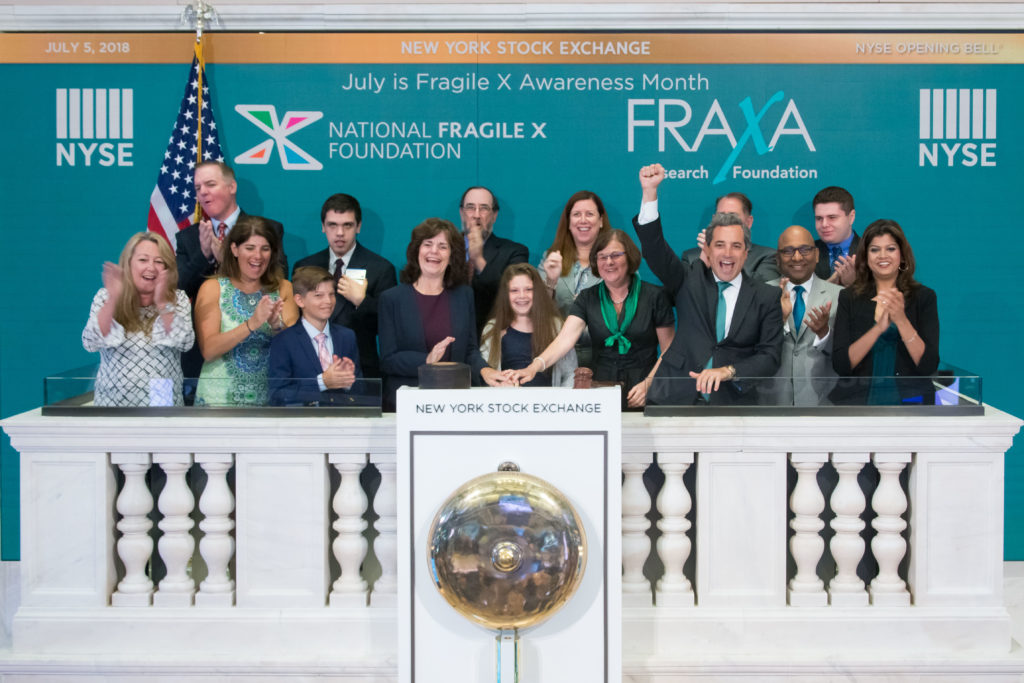
Ringing the Bell at the New York Stock Exchange for Fragile X Awareness
FRAXA and NFXF rang the NYSE opening bell to raise awareness for Fragile X—an incredible moment shared worldwide on CNBC!

Tetra Discovery Partners Initiates Phase 2 Trial of BPN14770 in Fragile X Syndrome
This 2-Period Crossover Study of BPN14770 is accepting adults males with Fragile X syndrome at Rush University Medical Center in Chicago. Principal Investigator of the study is Elizabeth Berry-Kravis, MD, PhD.
A selective inhibitor of the phosphodiesterase type-4D (PDE4D), BPN14770 has shown the ability to improve the quality of connections between neurons and to improve multiple behavioral outcomes in the Fragile X mouse model.

Aripiprazole as a Treatment for Fragile X Syndrome
Years ago FRAXA funded Dr. Craig Erickson to run a trial of aripiprazole (aka Abilify). FRAXA guest writer Hannah Miles recently caught up with Dr. Erickson to learn the results of the trial.

Study Examines Behavioral Traits of Fragile X Patients Without Autism
Patients with Fragile X syndrome who don’t meet the cut-off for a diagnosis of autism show a decrease in impulsivity and repetitive questioning over time, when compared with patients who do, a new study shows.
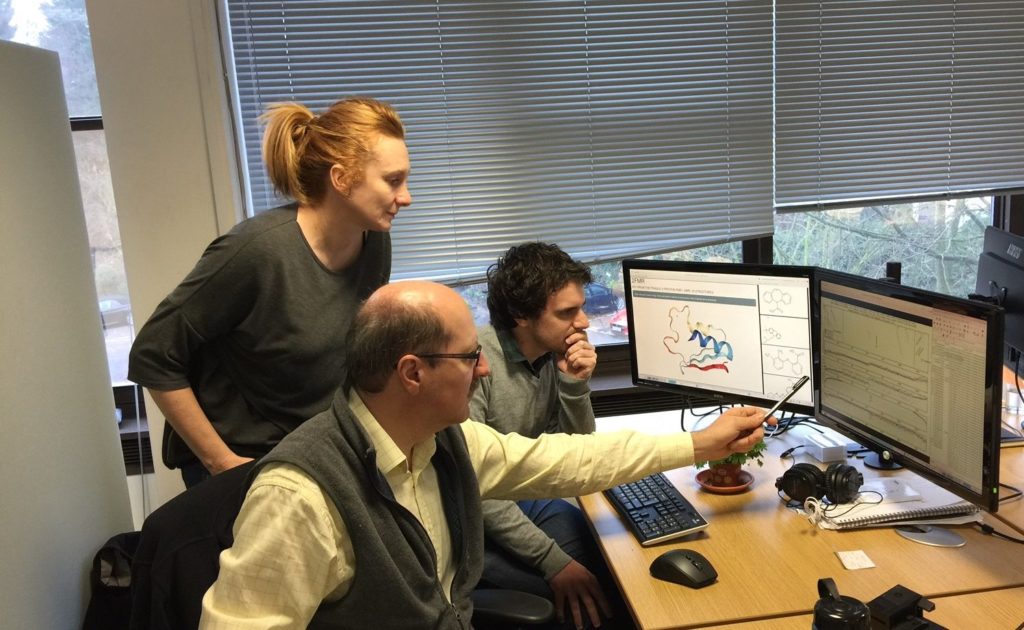
Drug Repurposing Study Results Accelerate Progress Towards Fragile X Treatments
Drug repurposing leverages the detailed information available on approved drugs and reduces the time and money needed to deliver safe “new” treatments, with greater success rates and quicker impact.
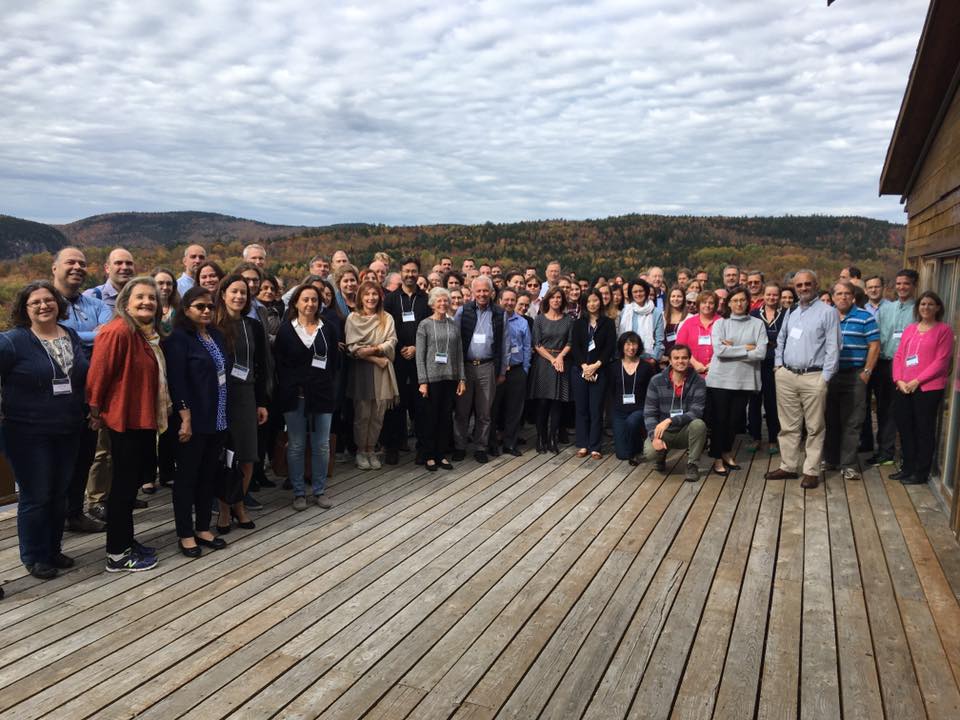
In Their Own Words: Reports From the International Fragile X Workshop
The 18th International Fragile X Workshop in Quebec was a great success, featuring more Fragile X research than ever before!

Brain Imbalance Target of Dr. Erickson’s New Clinical Trial
Dr. Erickson’s trial targeted brain imbalance in Fragile X by boosting GABA signaling with AZD7325, aiming to restore excitatory–inhibitory balance and improve symptoms.
Fragile X in the Forefront of International Conference
The 18th International Fragile X Workshop kicks off in Quebec, uniting global scientists to share breakthroughs in Fragile X and ASD.
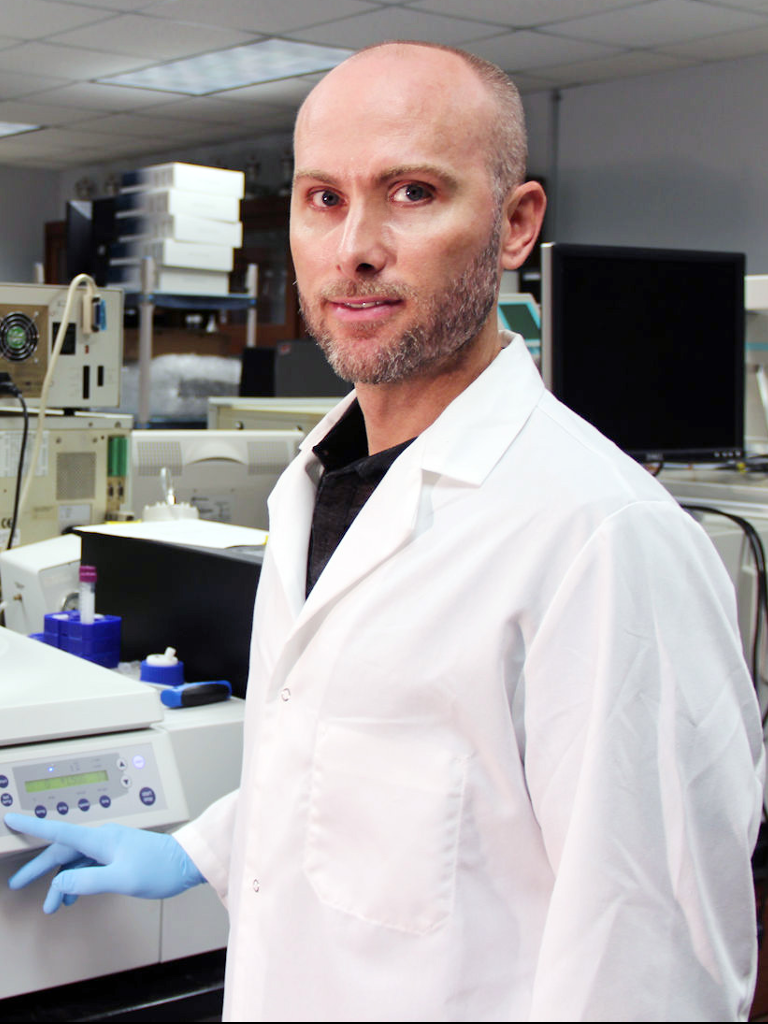
Quantitative Assessment of the Serotonin System in a Mouse Model of Fragile X Syndrome
FRAXA funded Dr. Canal to investigate how different serotonin receptors function in Fragile X, to guide smarter use of serotonin-targeting treatments.

$75,000 Raised for Fragile X Research by Friends of FRAXA at our Fall Fling
Over 150 friends joined FRAXA’s Fall Fling at Smith Barn, raising $75K for Fragile X research, including a $25K check hand-delivered!

Development of a High-Content Synapse Assay to Screen Therapeutics for Fragile X Syndrome
This work established a high-content synaptic imaging platform for Fragile X cells to test many candidate drugs for their ability to repair synapse structure and function.

Neural Markers of Fragile X: A Powerful New Tool for Clinical Trials
Once a neural marker is identified for a particular challenge, it can be measured during drug and behavioral therapy trials to see if a child is improving based on objective biological measures.
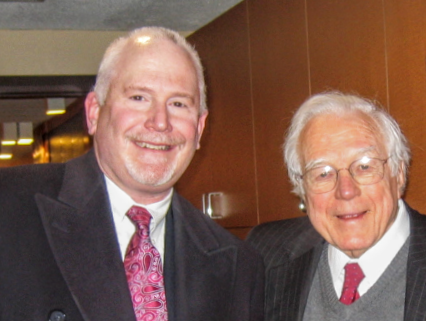
Fragile X Awareness Day Origins and a Tribute
Did you know? National Fragile X Awareness Day began in 2000, thanks to FRAXA and advocate David Busby’s work in Washington, DC.

Metformin, Diabetes Drug, Potential Fragile X Treatment
Dr. Nahum Sonenberg’s research showed the diabetes drug metformin can correct key signaling defects in Fragile X, leading to clinical trials of this safe, repurposed therapy.
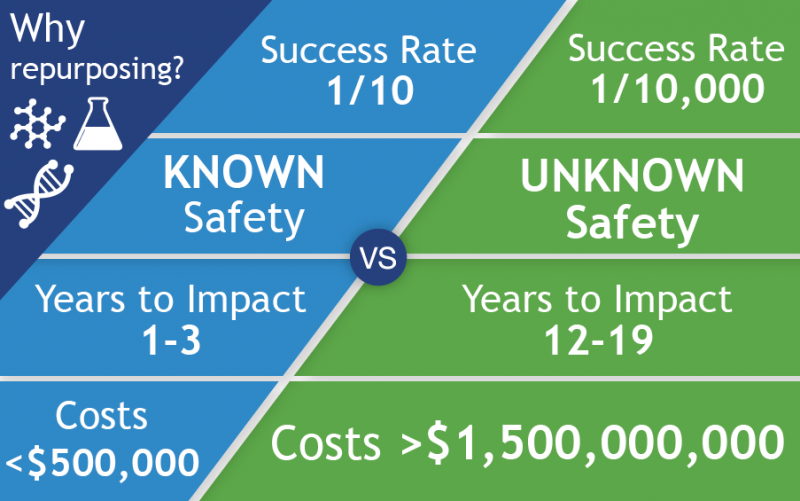
Repurposing Available Drugs to Treat Fragile X Syndrome – FRAXA Initiatives
FRAXA is identifying existing, approved drugs that could be repurposed for Fragile X, allowing potential treatments to move faster and at lower risk than starting from scratch.
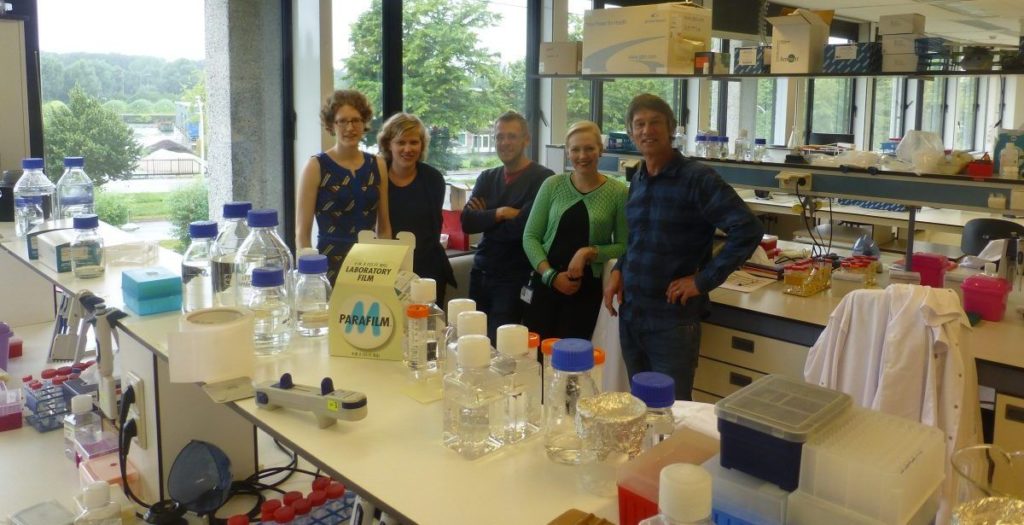
A Kinase Assay as a Biomarker for Fragile X Syndrome
Dr. Frank Kooy at the University of Antwerp investigated whether phosphorylation abnormalities are a suitable biomarker for clinical trials in Fragile X syndrome.
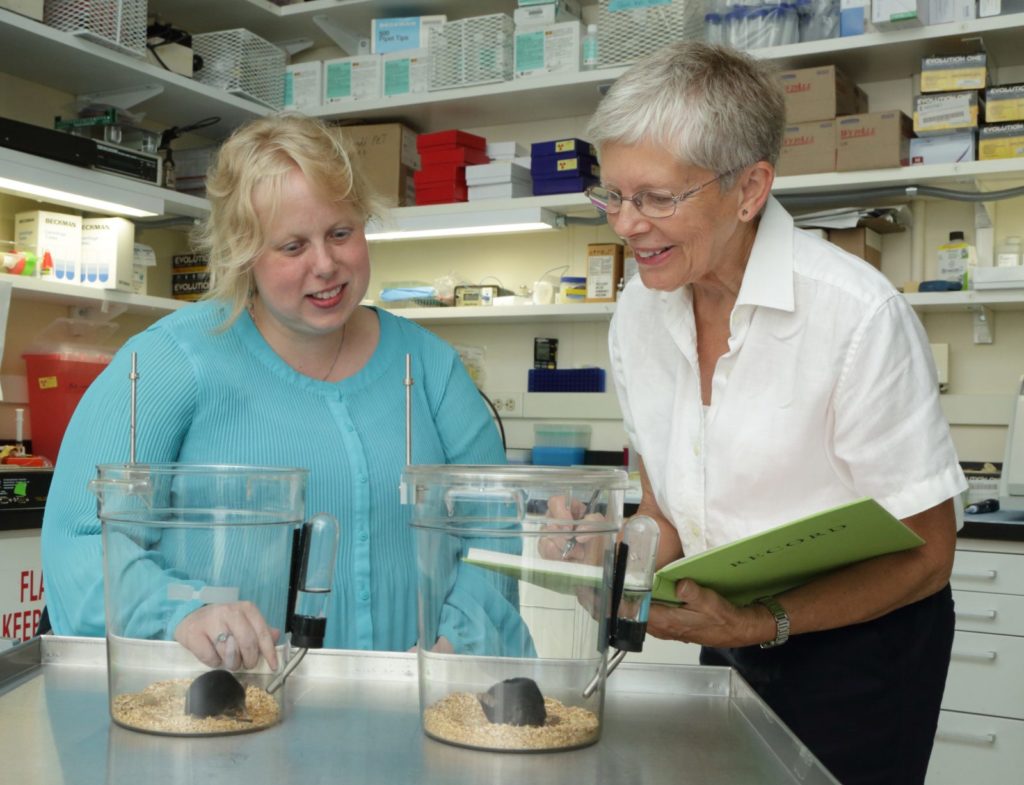
NIH Investigator Carolyn Beebe Smith, PhD, Looks to Improve Sleep in Fragile X Syndrome
Carolyn Beebe Smith studies sleep disruptions in Fragile X and tests whether improving sleep with existing drugs can reduce symptoms and enhance behavior.

Mark Bear’s Goal: Disease-Modifying Treatments for Fragile X
Mark Bear pioneered the mGluR theory of Fragile X, linking excess protein synthesis to symptoms and driving development of disease-modifying treatments now tested in clinical trials.

Sensory Hypersensibility in Fragile X Syndrome and BK Channel Openers
With $366,100 in FRAXA funding, researchers tested BK channel–opening drugs to fix sensory abnormalities in Fragile X mice; early results showed broad behavioral rescue.
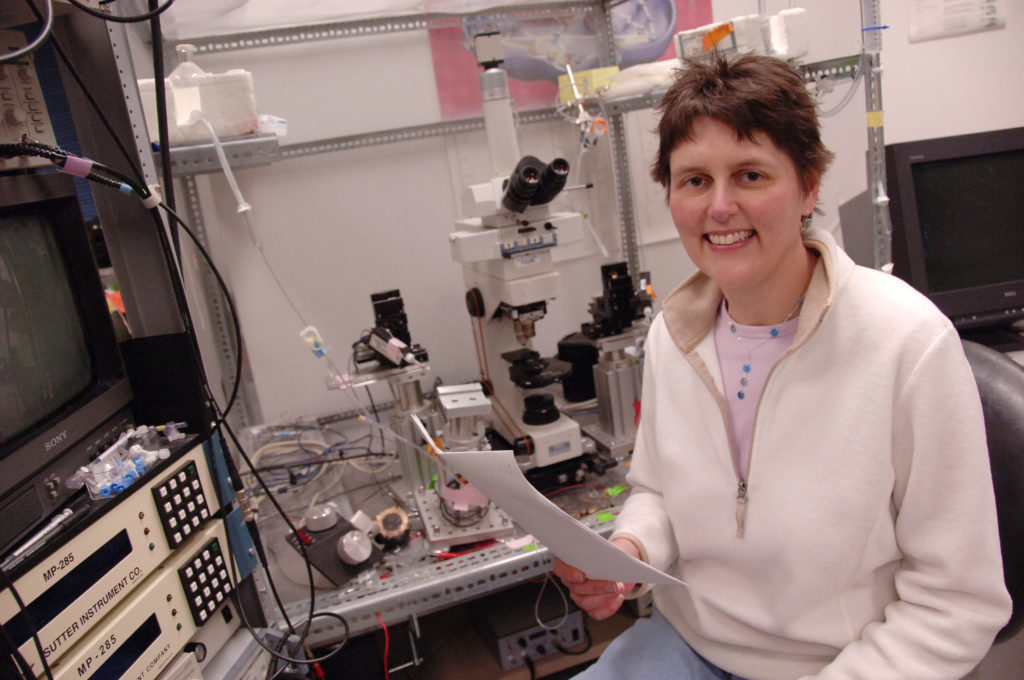
Kimberly Huber, PhD, Explores Hyperexcitability in Fragile X Syndrome
What causes hyperexcitability? Dr. Kimberly Huber seeks to understand how FMRP regulates connections between brain cells and the function of brain circuits.
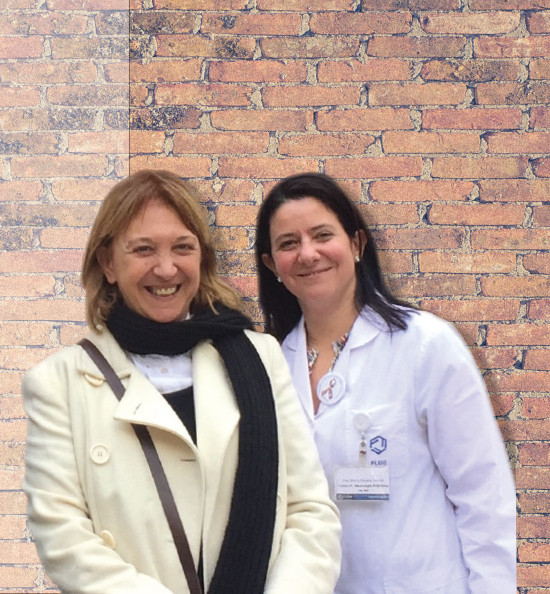
Identifying Biomarkers for Fragile X Syndrome – A Study in Argentina
FRAXA funds biomarker research to develop objective, biological measures of Fragile X, helping predict treatment response, guide trials, and move therapies toward FDA approval.