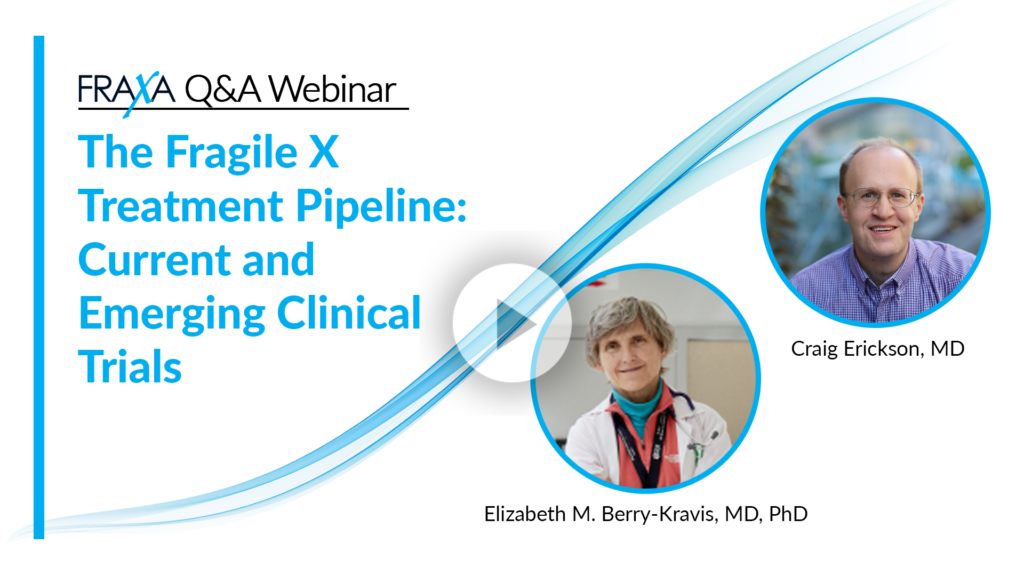
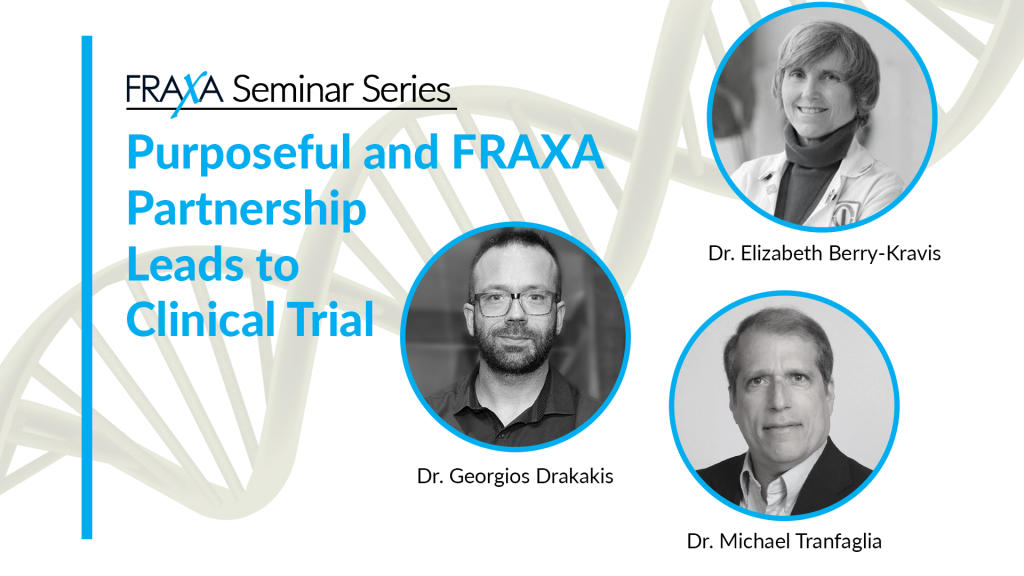
Watch FRAXA’s Fragile X clinical trials webinar featuring leading researchers discussing current studies, emerging treatments, trial eligibility, and the future of the Fragile X treatment pipeline.
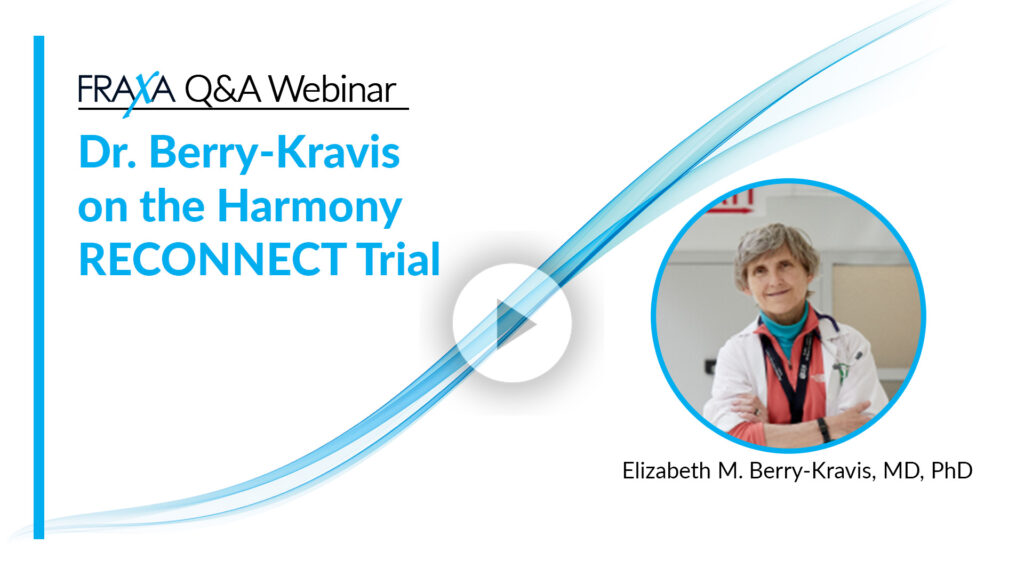
Fragile X Research Q&A with Dr. Berry-Kravis on RECONNECT results, placebo effects, outcome measures, methylation, and research directions for families.
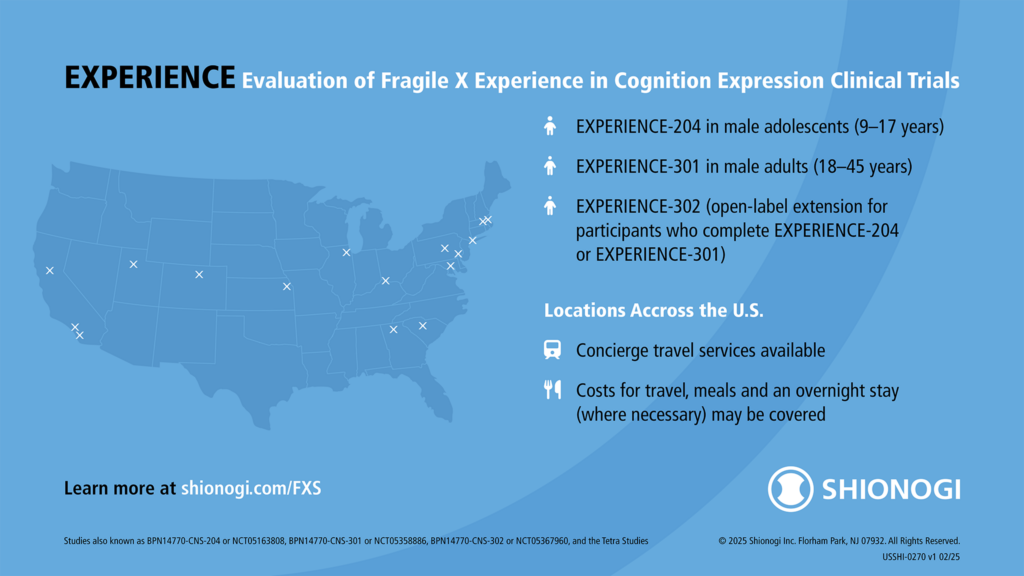
Learn more about Shionogi’s EXPERIENCE clinical trials for adults and adolescents with Fragile X syndrome, FRAXA’s role, and the open-label extension of these trials.
This changes everything! FRAXA funded research introduces Antisense Oligonucleotide (ASO) Therapy, redefining Fragile X syndrome treatment and understanding.
FRAXA Investigators Dr. Patricia Cogram and Dr. Elizabeth Berry-Kravis reflect on progress that has been made and visualize what they see happening in the next 10 years for people living with Fragile X syndrome.
A $200K FRAXA grant enabled a successful Phase 2 trial of a PDE4D inhibitor for adult men with Fragile X, showing strong cognitive gains without side effects or tolerance.
Thirteen centers across the US enrolled young children with Fragile X in a large-scale clinical trial of Novartis AFQ056, an mGluR5 blocker for Fragile X which failed in adult human trials.
AI and FRAXA-DVI identified a drug + supplement combo that reversed all Fragile X symptoms in mice. A clinical trial tested this in adults with Fragile X.
Dr. Mark Gurney of Tetra Therapeutics, discusses how one of the earliest clues to the biology of Fragile X led to the most successful Fragile X clinical trial to date: a phase 2 trial of a PDE4D inhibitor.
This team found 1,600 blood-based Fragile X biomarkers that vary by individual—opening the door to personalized treatment and better ways to measure progress.
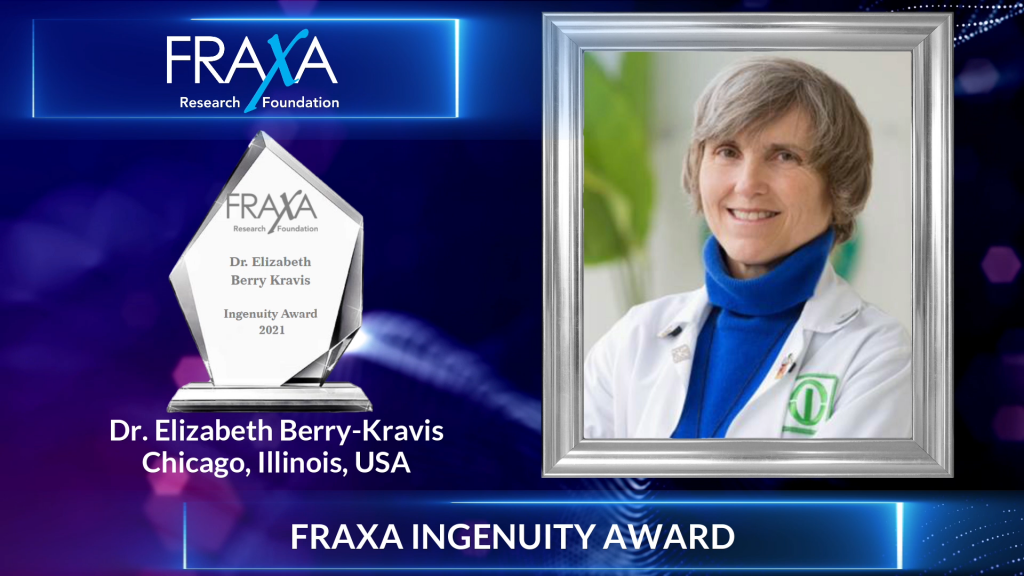
In conjunction with World Fragile X Day 2021, FRAXA Research Foundation recognizes its annual award recipients. We are fortunate to partner with these individuals for Fragile X families.
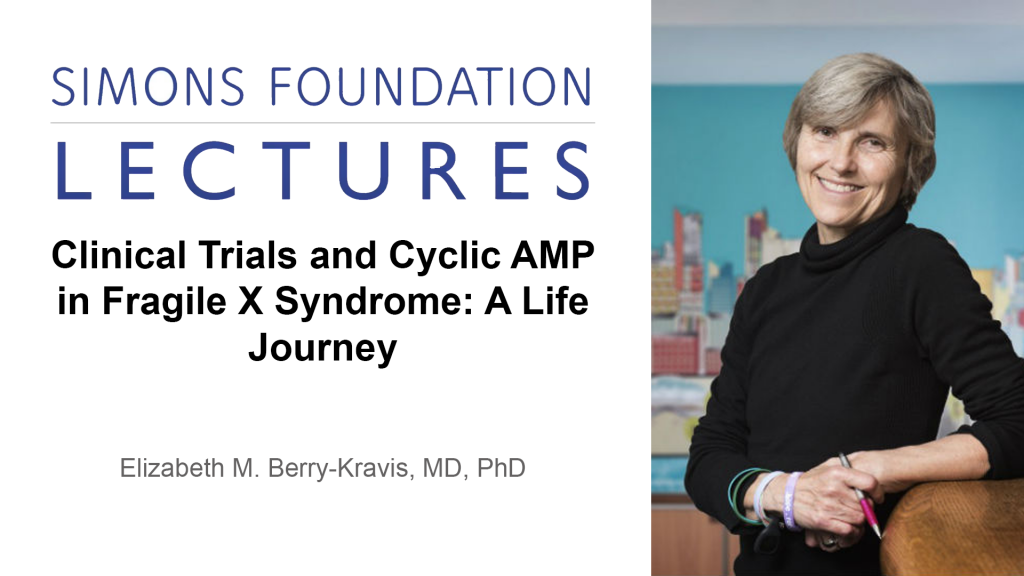
In this Simons Foundation lecture, Elizabeth Berry-Kravis traces 30 years of Fragile X research, from identifying its cause through a series of disappointing clinical trials.
Tetra Therapeutics announces the first unequivocally positive phase 2 clinical trial in Fragile X syndrome. The results do not depend on carving out a subset of patients or post hoc analysis.
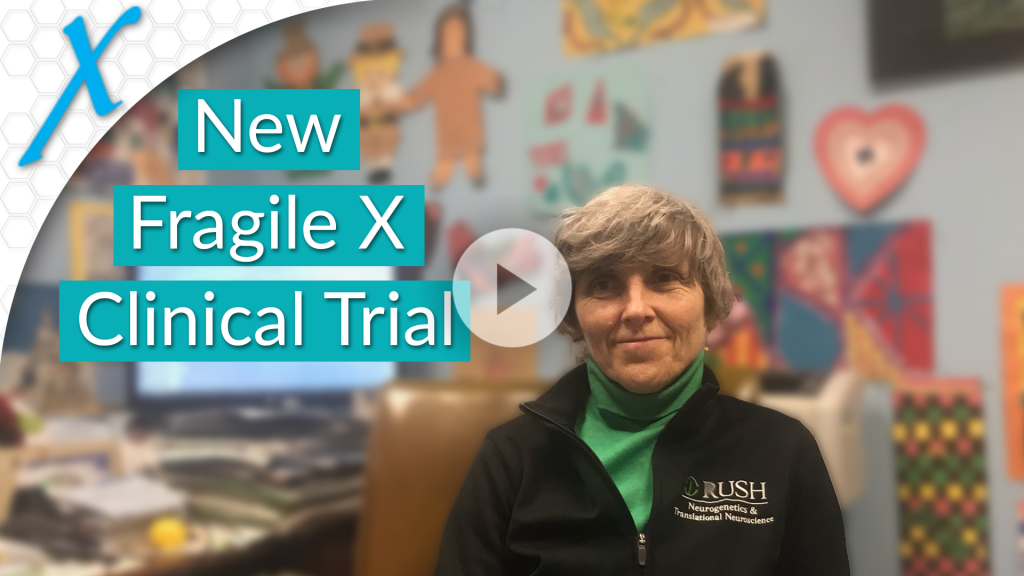
This 2-Period Crossover Study of BPN14770 is accepting adults males with Fragile X syndrome at Rush University Medical Center in Chicago. Principal Investigator of the study is Elizabeth Berry-Kravis, MD, PhD.
A selective inhibitor of the phosphodiesterase type-4D (PDE4D), BPN14770 has shown the ability to improve the quality of connections between neurons and to improve multiple behavioral outcomes in the Fragile X mouse model.
Elizabeth M. Berry-Kravis, MD, PhD, has launched a large-scale clinical trial to study effects of AFQ056, an mGluR5 blocker, on learning in young children with Fragile X syndrome.