This team believes inhibitory neurons expressing somatostatin are impaired in Fragile X. They will see if stimulating these neurons has therapeutic potential.
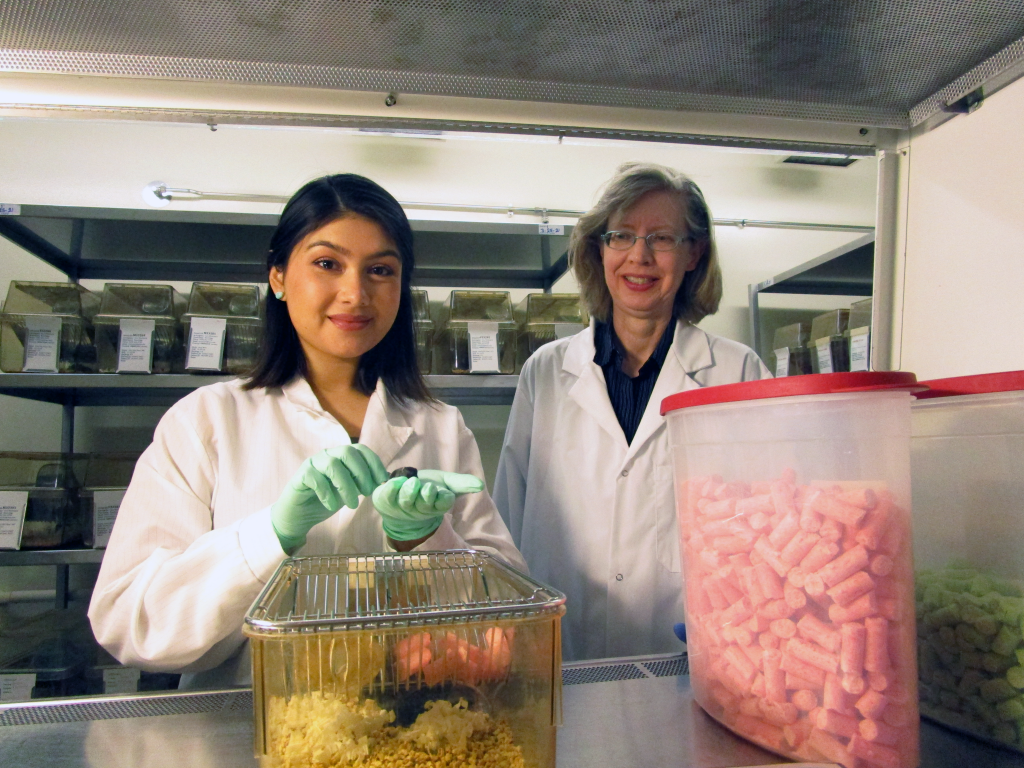
Dr. Cara Westmark’s team will use mice to determine if palatable Atkins-type diets can improve sleep and boost learning skills for those with Fragile X syndrome.
This project will examine how CBD and other drugs targeting the endocannabinoid system affect hyperexcitable Fragile X neurons to identify new treatment strategies.
Join Dr. Tsai and Dr. Kumar on a journey into novel treatments for Fragile X syndrome. Activating mGluR7 could be a game-changer, opening up uncharted therapeutic territory.
This study tests whether blocking certain nicotine-sensitive receptors in the brain during adolescence can improve attention and cognition in Fragile X.
This team studied how faulty calcium signaling in astrocytes contributes to sensory hypersensitivity in Fragile X, aiming to find new astrocyte-targeted treatments.
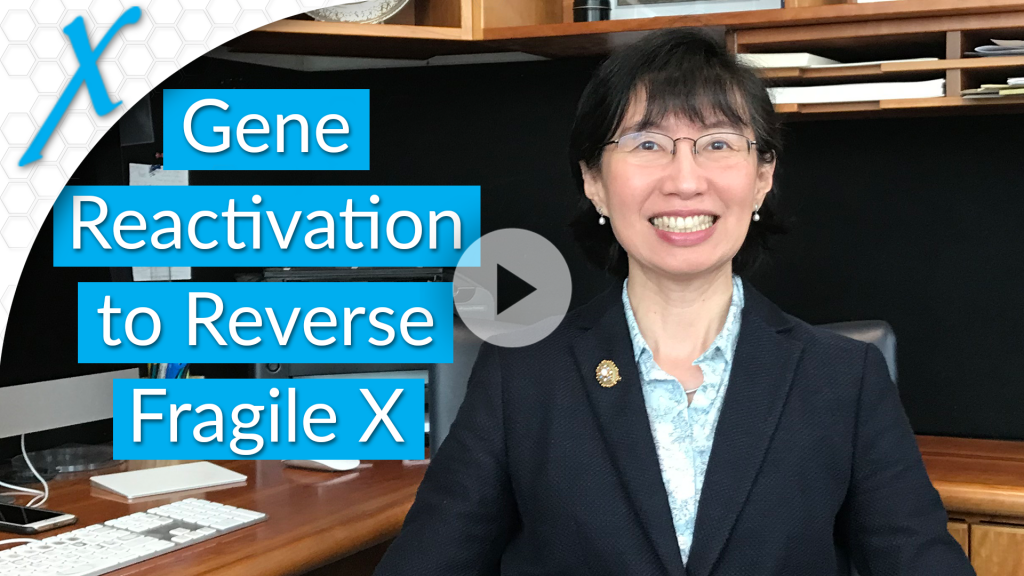
This project aims to reactivate the FMR1 gene to combat Fragile X Syndrome, with the goal of restoring vital protein function. This work is now funded by a new FRAXA grant.
Explore Yale’s groundbreaking study on mitochondrial leak channels, set to revolutionize Fragile X syndrome treatment. Funded by a $100,000 FRAXA grant.
Explore Dr. Richter’s encouraging results with ASOs for Fragile X syndrome. A $100,000 grant now fuels pivotal studies needed to advance toward ASO therapy.
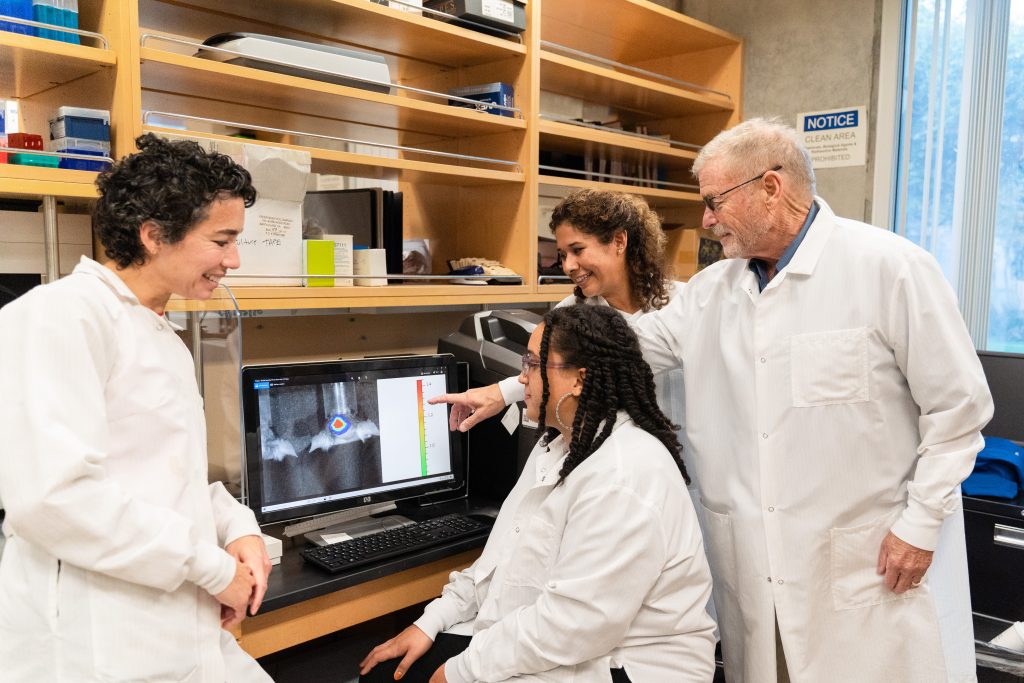
Could a simple blood test show if a Fragile X treatment is working? This team is studying brain-derived exosomes as a new way to track treatment benefits.
Why do males and females experience Fragile X differently? This team is studying brain signaling pathways to uncover sex-based differences and guide treatments.
This team is testing ERK inhibitors — drugs that may calm overactive brain signaling in Fragile X. Early results in mice show strong benefits with minimal side effects.
Dr. Kathryn Whitehead helped develop the science behind the COVID-19 vaccines. Her team adapted this technology to deliver the Fragile X mRNA to brain cells.
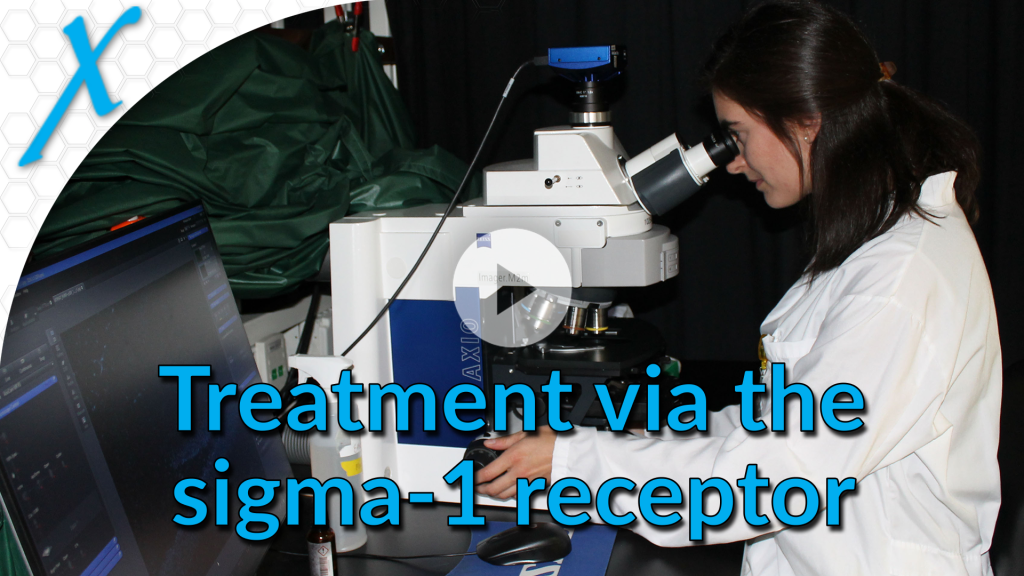
Researchers will test sigma-1 receptor drugs—like fluvoxamine, which activates this pathway—to see if they can correct Fragile X brain cell abnormalities.
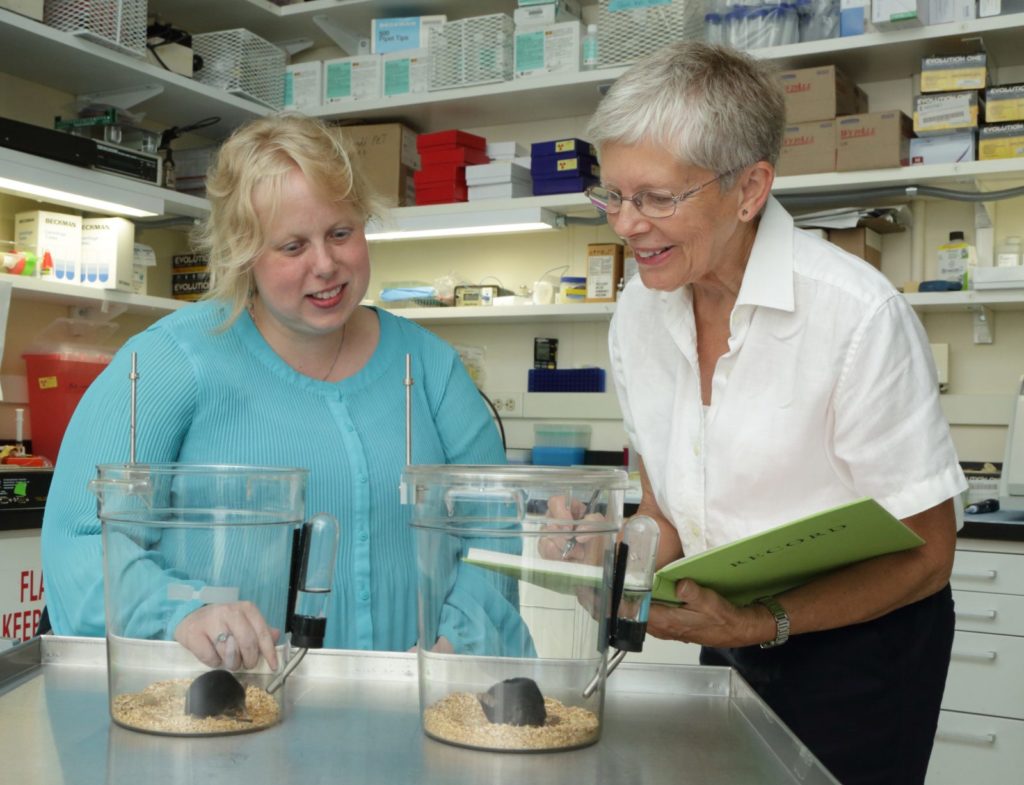
With this FRAXA grant, Dr. Carolyn B. Smith and Dr. Rache Sare at the National Institute of Mental Health investigated the basis of sleep problems in Fragile X syndrome.
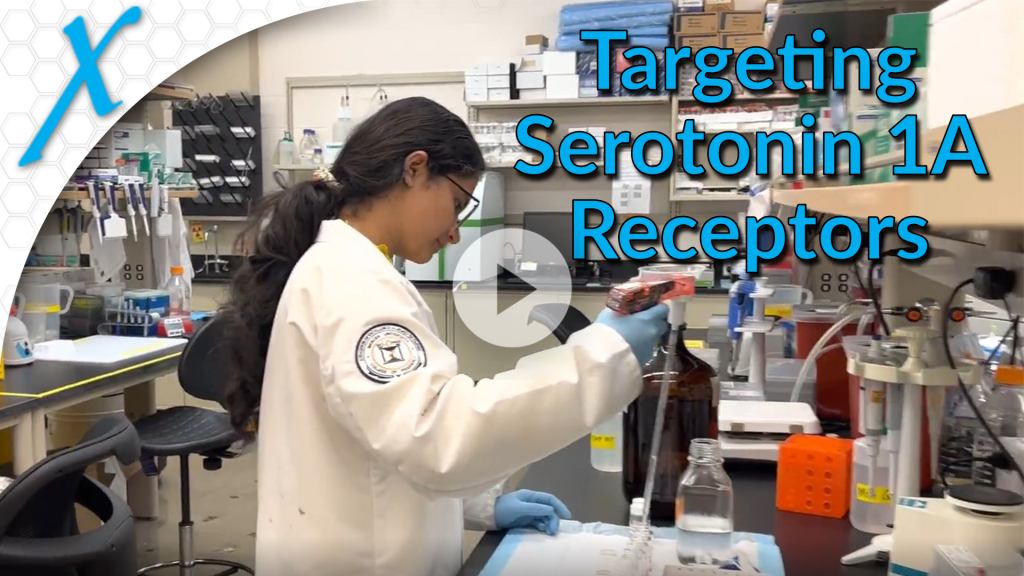
Boosting serotonin 1A receptors may reduce excess brain activity in Fragile X. This study will test serotonin-1A–targeting compounds in mice to guide future treatments.
This team is defining Fragile X “molecular signatures” to use as biomarkers. They’ll test CBD and other drugs in mice and compare findings to human brain data.
Enhancing PKCε in early development normalized oxytocin, AMPAR signaling, and adult behavior in Fragile X mice, highlighting PKCε as a promising therapeutic target.
This team is designing tiny “peptidomimetic” drugs that mimic FMRP’s function to rebalance protein production in the brain, aiming to treat Fragile X at its source.