
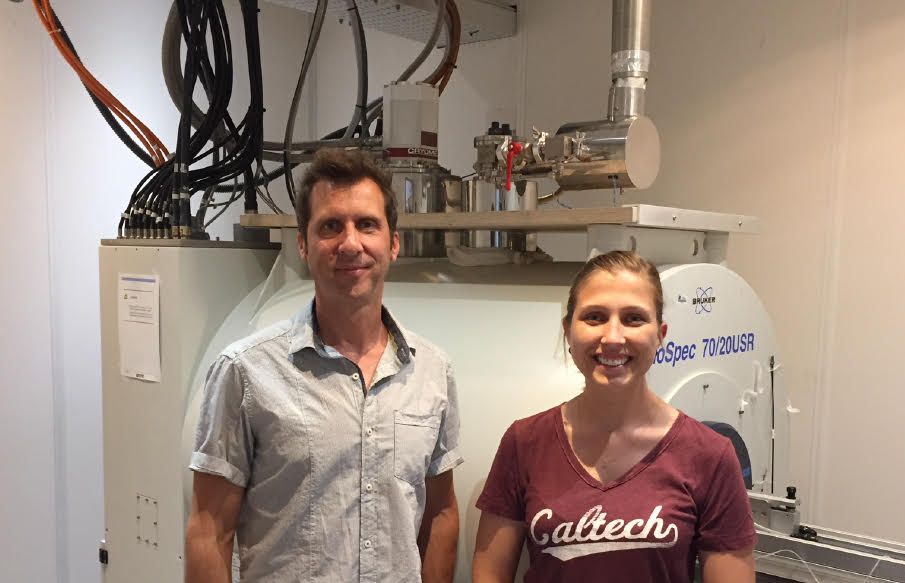
Non-Invasive Imaging as a Biomarker for Fragile X Clinical Trials
FRAXA funded MRI research to track brain connectivity changes in Fragile X. This could yield objective biomarkers for testing treatments in mice and humans.

Activity-Dependent Translational Profiling in Fragile X Neurons
FRAXA funded new tools at UC Berkeley to track which proteins Fragile X neurons make during signaling, to find targets that improve learning and brain function.

Tetra Discovery Partners Initiates Phase 2 Trial of BPN14770 in Fragile X Syndrome
This 2-Period Crossover Study of BPN14770 is accepting adults males with Fragile X syndrome at Rush University Medical Center in Chicago. Principal Investigator of the study is Elizabeth Berry-Kravis, MD, PhD.
A selective inhibitor of the phosphodiesterase type-4D (PDE4D), BPN14770 has shown the ability to improve the quality of connections between neurons and to improve multiple behavioral outcomes in the Fragile X mouse model.
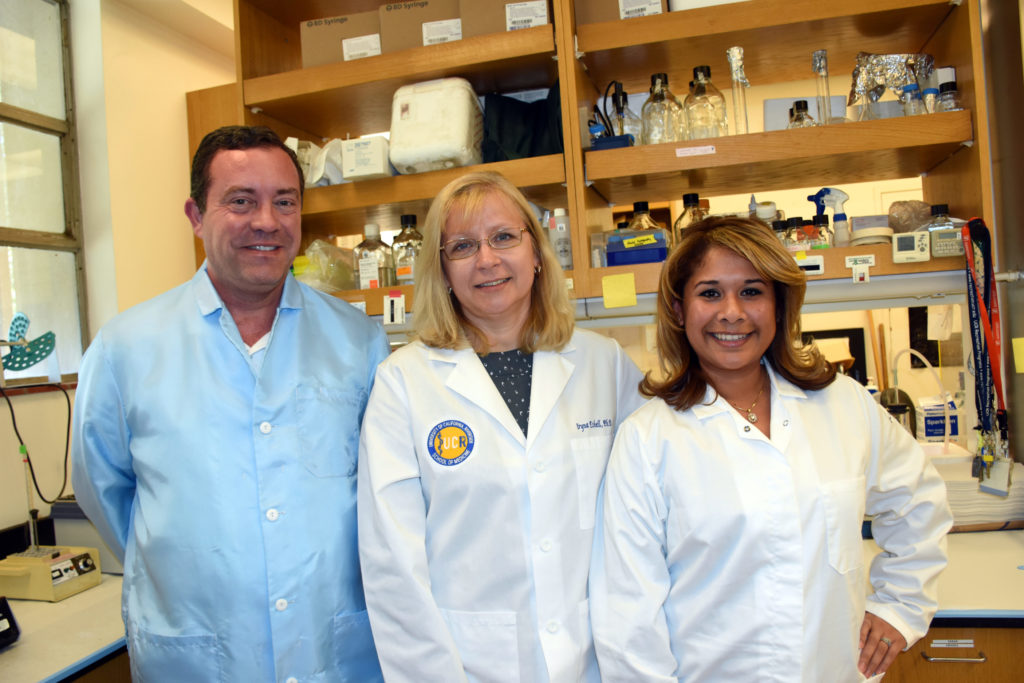
Understanding and Reversing Hypersensitivity to Sounds in Fragile X Syndrome
This FRAXA grant studied why people with Fragile X are overly sensitive to sound and tested drug strategies to calm the brain’s overactive auditory circuits.

Three-Dimensional Model for Identifying Fragile X Treatments
With a $90K FRAXA grant, Emory scientists are creating Fragile X brain organoids—3D human cell models—to reveal disease mechanisms and guide new treatments.
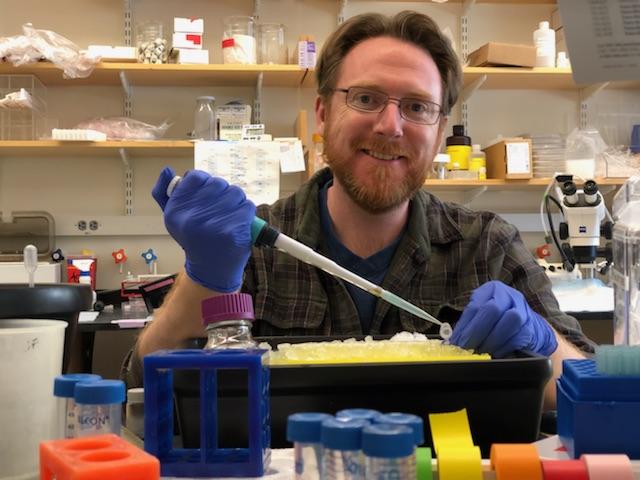
Pharmacological Tolerance in the Treatment of Fragile X Syndrome
FRAXA funded MIT work to probe tolerance to key Fragile X drugs, including mGluR5 inhibitors and arbaclofen, and to identify ways to sustain long-term treatment benefits.

Fragile X Clinical Trial of AZD7325 in Adults
FRAXA funded a trial of AZD7325, a drug that boosts GABA(A), in adults with Fragile X. Led by Dr. Craig Erickson, it also tested innovative biomarkers for future trials.
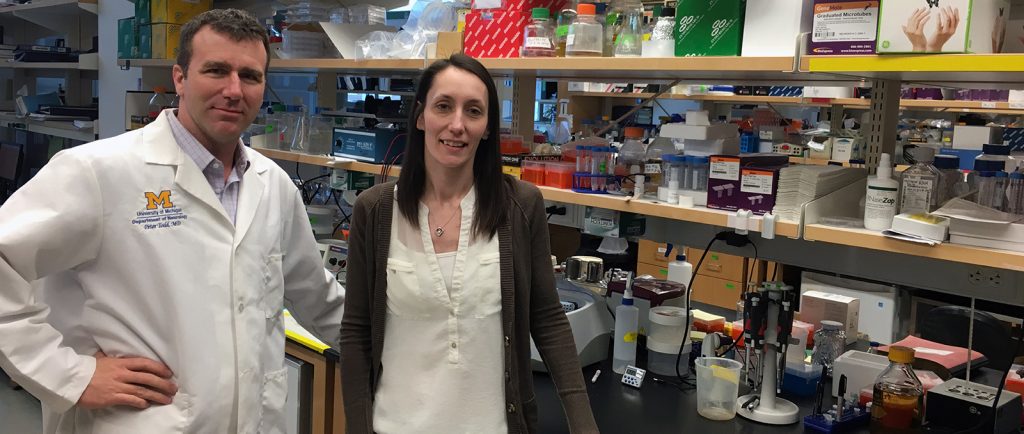
CRISPR Reactivation of the Fragile X Gene
Using CRISPR to reactivate FMRP, “We are trying to target the first event that goes wrong in Fragile X syndrome”, says FRAXA Investigator, Dr. Peter Todd.

Effects of Metformin in Fmr1 Knockout Mouse Model of Fragile X Syndrome
Metformin, a safe diabetes drug, activates AMPK to rebalance protein synthesis. FRAXA-funded work investigated its potential to treat Fragile X.

In Their Own Words: Reports From the International Fragile X Workshop
The 18th International Fragile X Workshop in Quebec was a great success, featuring more Fragile X research than ever before!

Brain Imbalance Target of Dr. Erickson’s New Clinical Trial
Dr. Erickson’s trial targeted brain imbalance in Fragile X by boosting GABA signaling with AZD7325, aiming to restore excitatory–inhibitory balance and improve symptoms.

Combinatorial Drug Treatment in a Model of Fragile X Syndrome using Novel Biomarkers
University of California researchers Khaleel Razak, PhD, and Jonathan W. Lovelace, PhD, explored drug combinations to limit hypersensitivity to sounds in Fragile X mice.
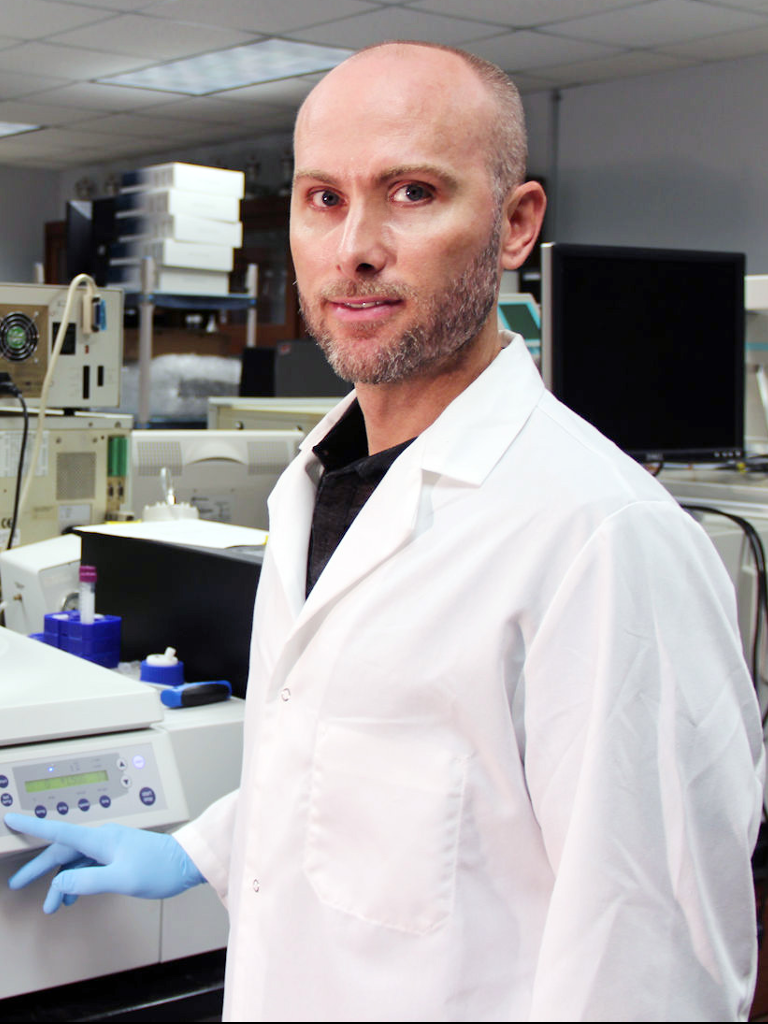
Quantitative Assessment of the Serotonin System in a Mouse Model of Fragile X Syndrome
FRAXA funded Dr. Canal to investigate how different serotonin receptors function in Fragile X, to guide smarter use of serotonin-targeting treatments.

Targeted Transcriptional Reactivation of FMR1 in Fragile X Syndrome Stem Cells
FRAXA funded Dr. Peter Todd to use CRISPR to reactivate FMR1. Published results confirmed restored gene expression, a big step toward disease-modifying therapy.
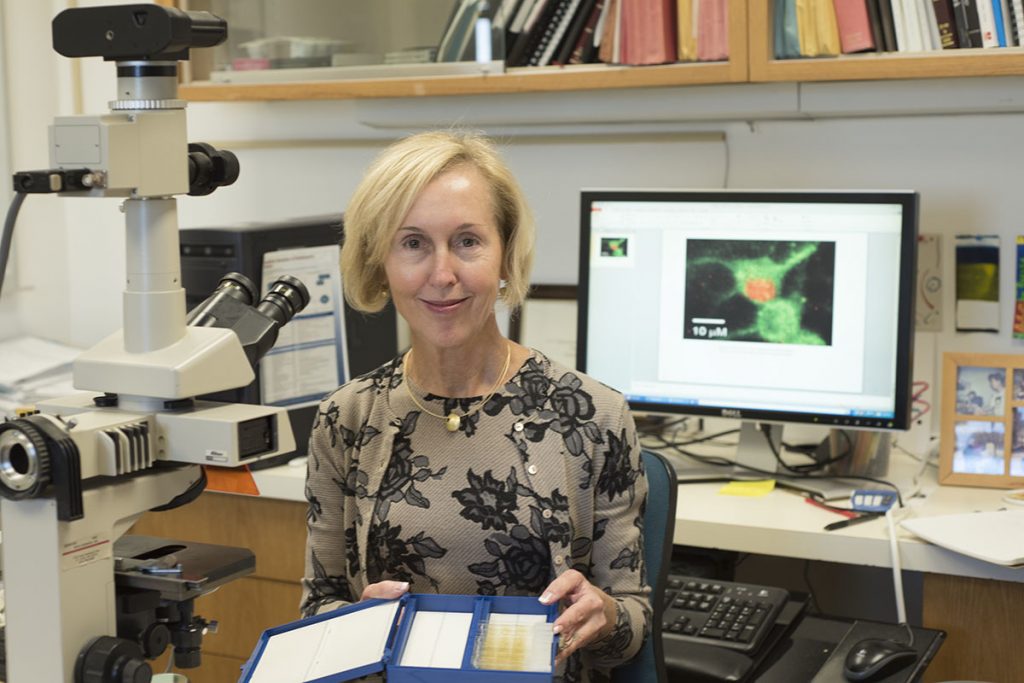
Defining Subcellular Specificity of Metabotropic Glutamate Receptor (mGluR5) Antagonists
This study showed that selectively targeting mGluR5 receptors in specific neuronal compartments can correct distinct Fragile X synaptic defects, improving precision therapy.

Investigating Gene Reactivation to Treat Fragile X Syndrome
With a $180,000 grant from FRAXA Research Foundation, Dr. Jeannie Lee and her team at Harvard are working to reactivate the gene that is silenced in Fragile X syndrome.

Mechanisms of Tolerance to Chronic mGluR5 Inhibition
FRAXA supported research showing mGluR5 antagonist tolerance develops quickly in Fragile X models, guiding new strategies to prevent or overcome it.
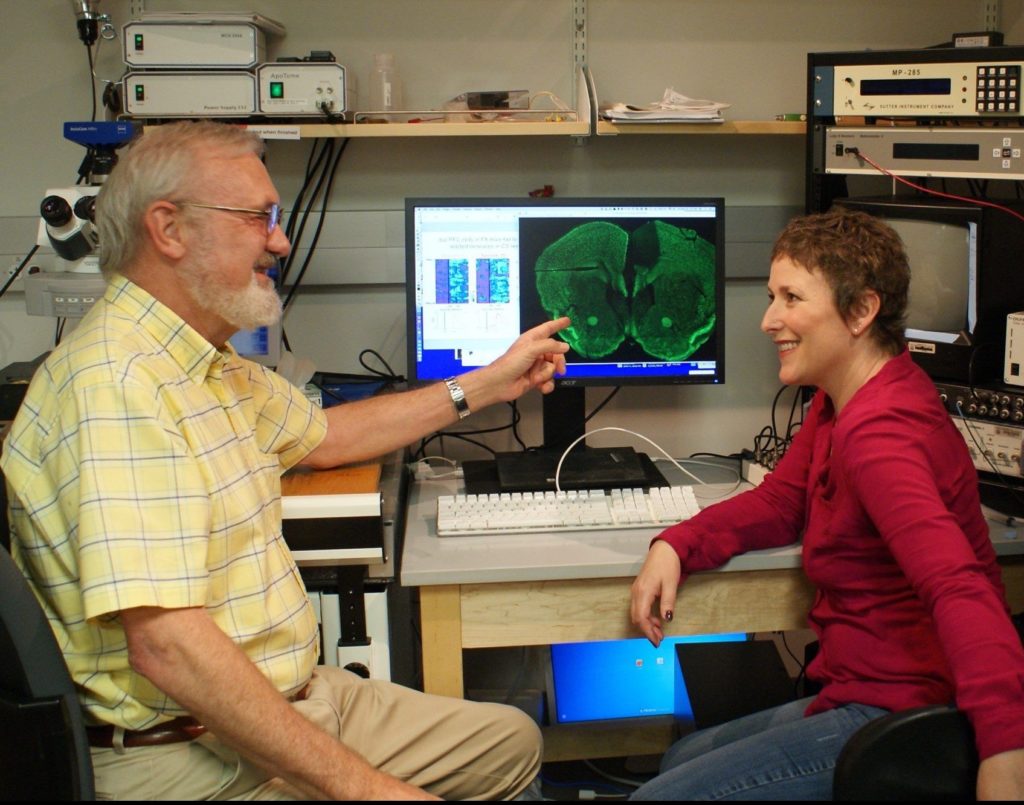
Prefrontal Cortex Network (PFC) Dynamics in Fragile X Syndrome
The team has shown that Fragile X mice have major prefrontal cortex deficits in Fragile X mice. Finding ways to overcome this could reveal new intervention strategies.
Prefrontal Cortex Network (PFC) Dynamics in Fragile X Syndrome
With a $90,000 grant from FRAXA Research Foundation from 2016-2017, Dr. Daniel Johnston and Dr. Jenni Siegel at the University of Texas at Austin are analyzing pre-frontal cortex (PFC) dysfunction in the Fragile X model. They have preliminary evidence that Fragile X mice are severely impaired in a prefrontal cortex (PFC)-dependent task.

Correcting Defects in Astrocyte Signaling in Fragile X Syndrome
Astrocytes, brain cells which support neurons, do not transmit signals. Fragile X treatment strategies have been proposed based on correction of “astrocyte phenotypes”.

Altered Neural Excitability and Chronic Anxiety in a Mouse Model of Fragile X
With a $35,000 grant from FRAXA, Dr. Peter Vanderklish at Scripps Research Institute, and colleagues, explored the basis of anxiety in Fragile X syndrome.
Development of a High-Content Synapse Assay to Screen Therapeutics for Fragile X Syndrome
This work established a high-content synaptic imaging platform for Fragile X cells to test many candidate drugs for their ability to repair synapse structure and function.

Clinical Trial of Ganaxolone in Patients with Fragile X Syndrome
Dr. Frank Kooy and colleagues conducted a double blind crossover trial of ganaxolone in patients with Fragile X with FRAXA funding. Results of this study were mixed.
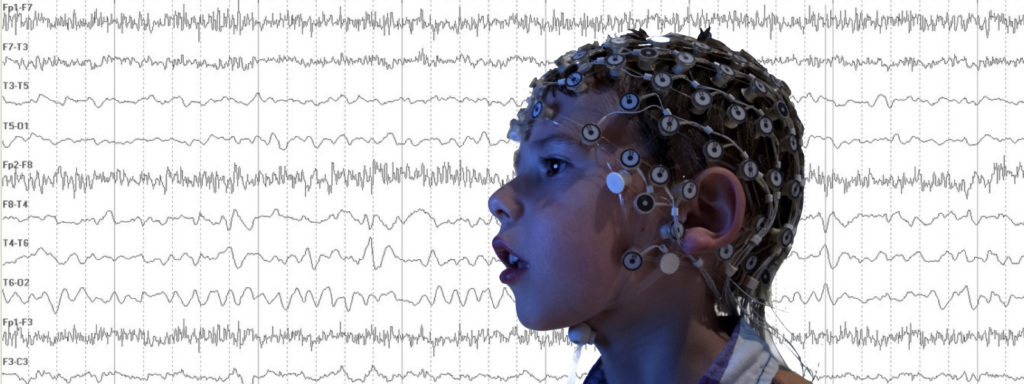
Neural Markers of Fragile X: A Powerful New Tool for Clinical Trials
Once a neural marker is identified for a particular challenge, it can be measured during drug and behavioral therapy trials to see if a child is improving based on objective biological measures.