Could a simple blood test show if a Fragile X treatment is working? This team is studying brain-derived exosomes as a new way to track treatment benefits.
Dr. Maquat discovered NMD, a key surveillance system in the body that protects against mistakes in gene expression. With funding from FRAXA she is tackling Fragile X syndrome.
Why do males and females experience Fragile X differently? This team is studying brain signaling pathways to uncover sex-based differences and guide treatments.
This team is testing ERK inhibitors — drugs that may calm overactive brain signaling in Fragile X. Early results in mice show strong benefits with minimal side effects.
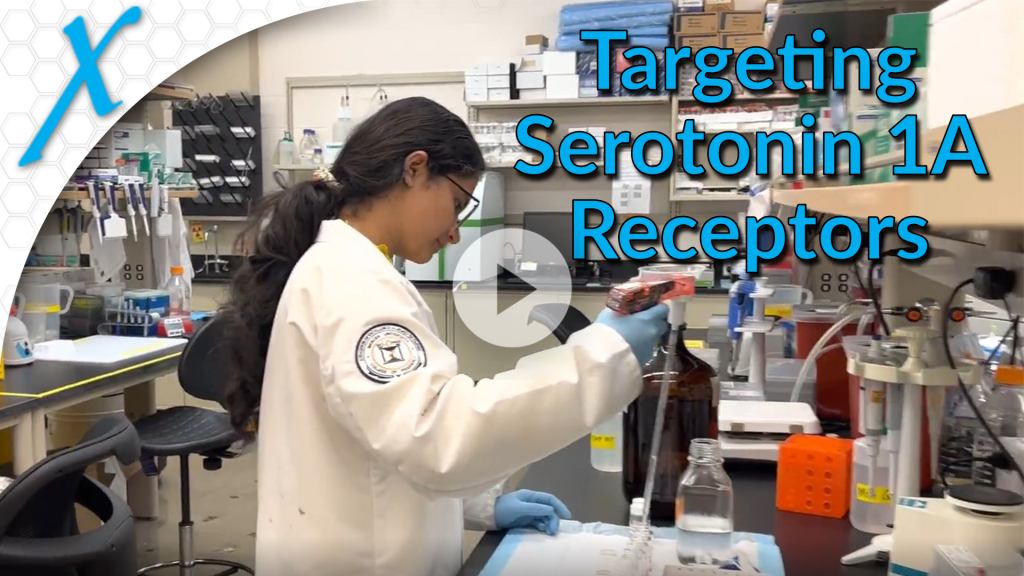
Neurolixis’ new drug targets serotonin 1A receptors, showing promise in preclinical studies for Fragile X syndrome, funded by a FRAXA grant for future clinical trials.
Meet #FriendofFRAXA Ryder! If you would like to nominate someone as a #FriendofFRAXA, we welcome all who have been touched by Fragile X. Ryder is a delight!
FRAXA Investigators Dr. Patricia Cogram and Dr. Elizabeth Berry-Kravis reflect on progress that has been made and visualize what they see happening in the next 10 years for people living with Fragile X syndrome.
Dr. Kathryn Whitehead helped develop the science behind the COVID-19 vaccines. Her team adapted this technology to deliver the Fragile X mRNA to brain cells.
Disappointing results have been published from Zynerba Pharmaceuticals’s phase 3 clinical trial of Zygel™. 212 children and adolescents 3 to 17 years were given Zygel or placebo for 12 weeks.
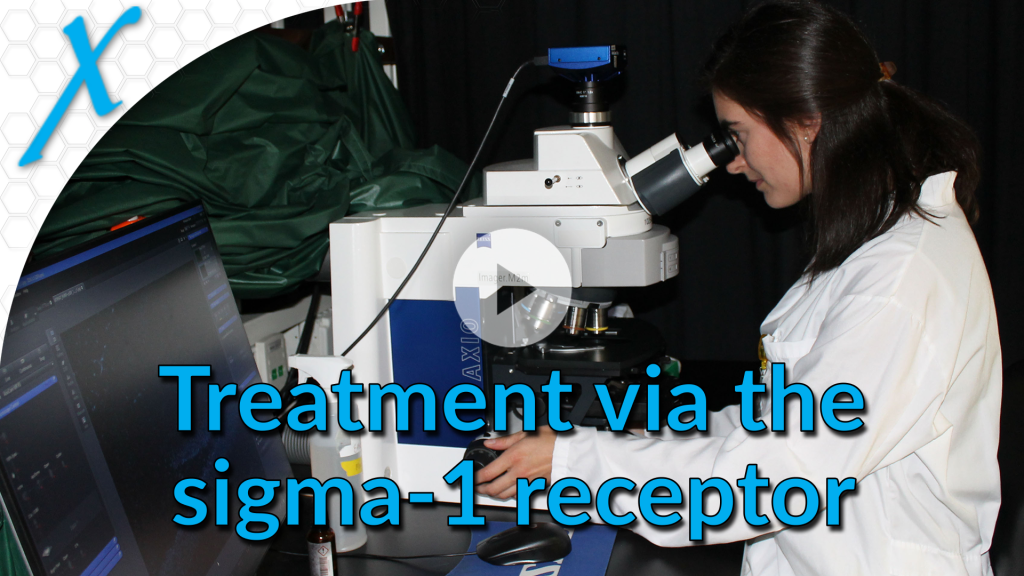
Researchers will test sigma-1 receptor drugs—like fluvoxamine, which activates this pathway—to see if they can correct Fragile X brain cell abnormalities.
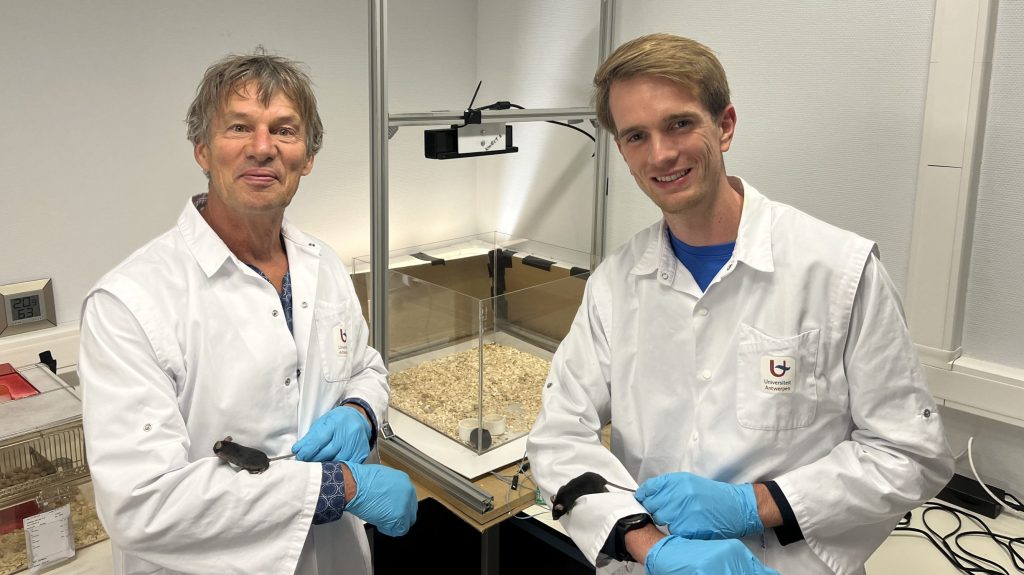
A $200K FRAXA grant enabled a successful Phase 2 trial of a PDE4D inhibitor for adult men with Fragile X, showing strong cognitive gains without side effects or tolerance.
With this FRAXA grant, Dr. Carolyn B. Smith and Dr. Rache Sare at the National Institute of Mental Health investigated the basis of sleep problems in Fragile X syndrome.
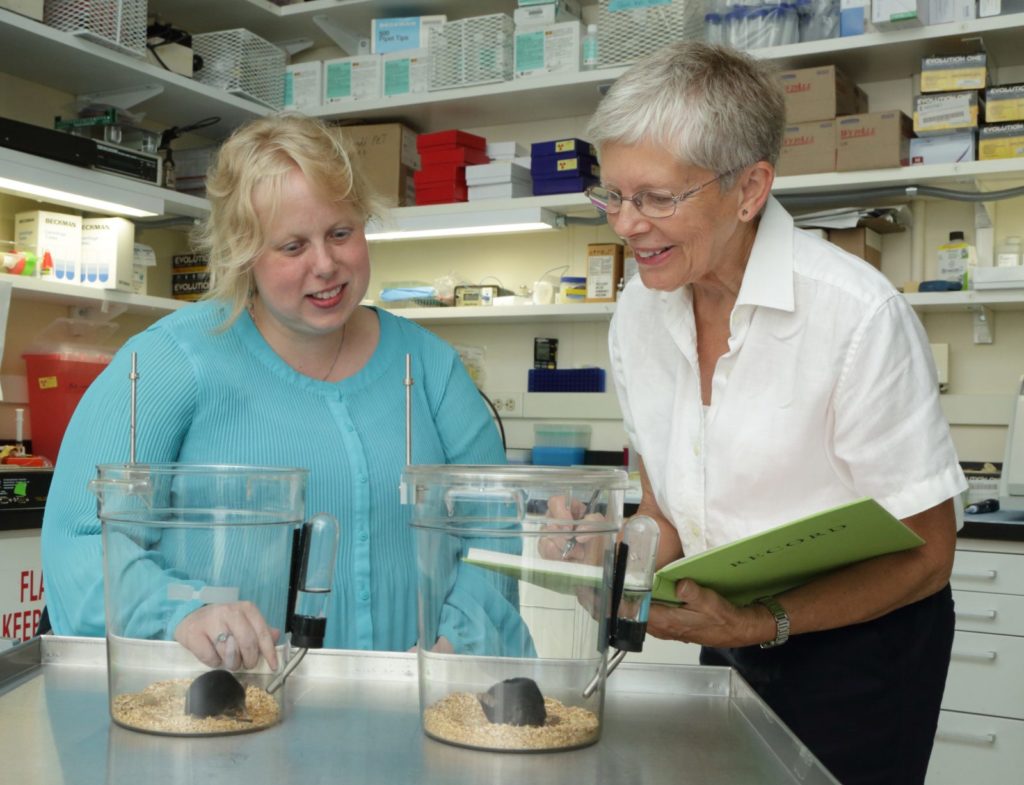
Combinations of drugs may be needed to treat Fragile X syndrome. How can we find the best combinations in the ideal doses? This project tackles this challenge.
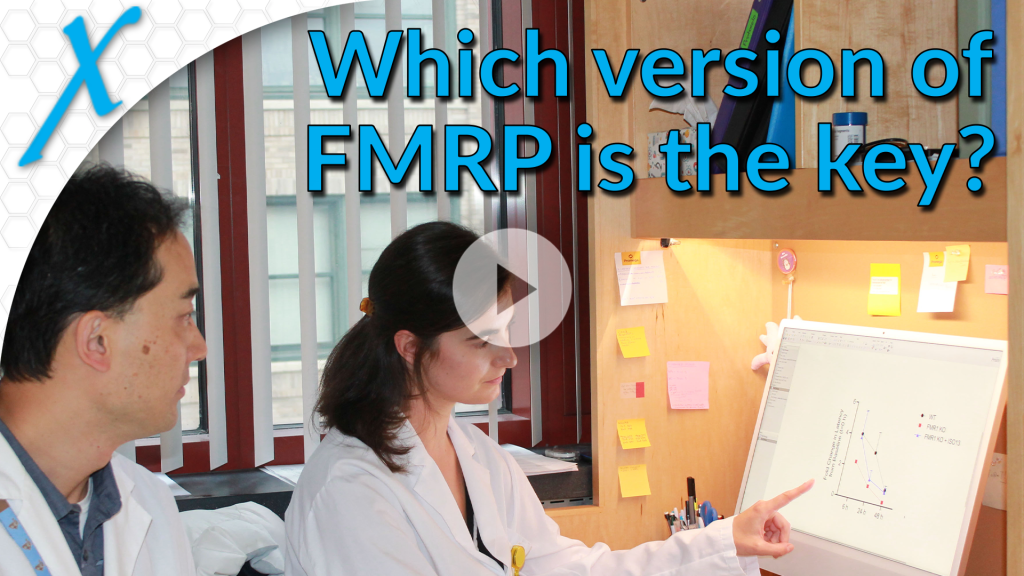
FMRP has multiple forms, and this team will study which isoforms are most important for brain development. This is key for future FMRP replacement therapies.
Conor loves to swim and would stay in the pool all day if we let him. He loves taking the bus to school and a new "Boom Clap" game that they play. Challenges include…
Tobias loves watching cooking shows and helping out in the kitchen. He really struggles with social anxiety and people he doesn’t know, also being the center of attention.
The brain’s balance is maintained by two types of neurons: excitatory and inhibitory. This team has found fewer than normal inhibitory cells in Fragile X mice.
FRAXA-supported work has identified DgkK as a critical enzyme lost in Fragile X. Drugs that raise DgkK levels may correct brain signaling and improve symptoms.
Boosting serotonin 1A receptors may reduce excess brain activity in Fragile X. This study will test serotonin-1A–targeting compounds in mice to guide future treatments.