
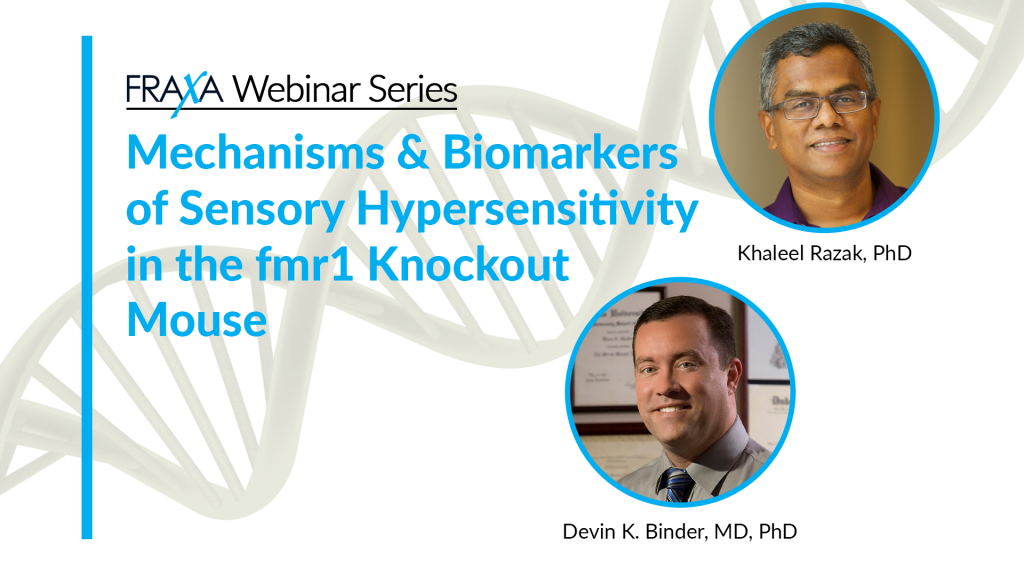
Mechanisms and Biomarkers of Sensory Hypersensitivity in the fmr1 Knockout Mouse
We hear from Devin K. Binder, MD, PhD, Professor, University of California at Riverside Medical School and Khaleel Razak, PhD, Professor, University of California at Riverside.

A Tribute to Doris Buffett, Philanthropist
Doris Buffett, sister of Warren Buffett, passed at 92. She donated over $100M and called FRAXA “the gold standard” in grassroots charities.

Aripiprazole (Abilify) in the Treatment of People with Fragile X: An Anecdotal Account
This article discusses Abilify (aripiprazole) as a “off-label” treatment for people with Fragile X syndrome (FXS). Abilify targets irritability, aggression, self-injury and severe tantrums.
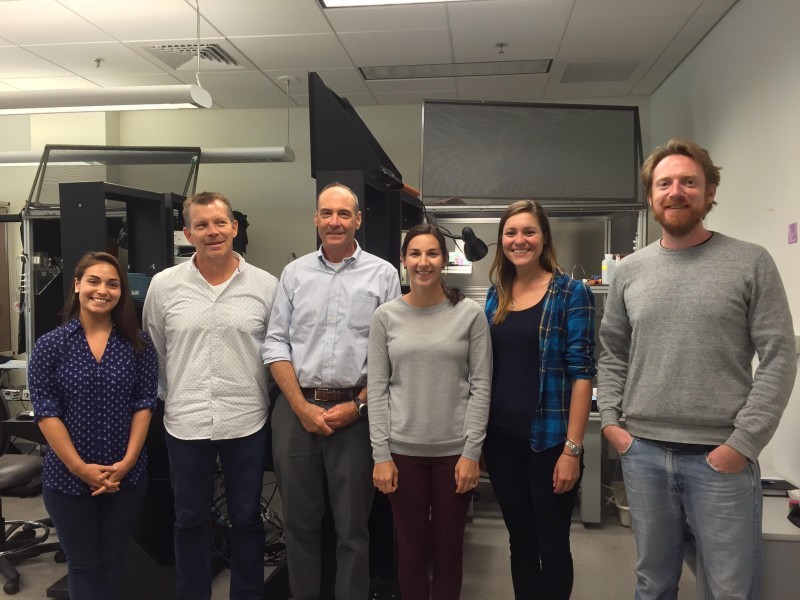
Scientists Find a New Way to Reverse Symptoms of Fragile X
MIT Professor Mark Bear and colleagues have identified a new target for Fragile X therapeutics: GSK3 alpha. Several FRAXA research teams previously identified GSK3 beta as a treatment target.

Companies Move to Advance Potential Cognitive Treatment for Fragile X
Tetra Therapeutics and Shionogi announced plans to expand their partnership supporting BPN14770, a treatment candidate for disorders marked by cognitive and memory deficits.
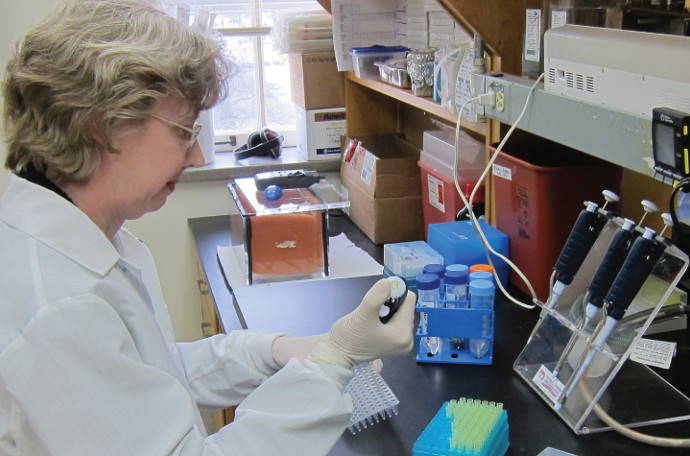
Ketogenic Diet Eases Symptoms in Fragile X Male Mice
Westmark Lab is studying sleep patterns in Fragile X mice, working with UW-Madison to develop tools that speed EEG data analysis
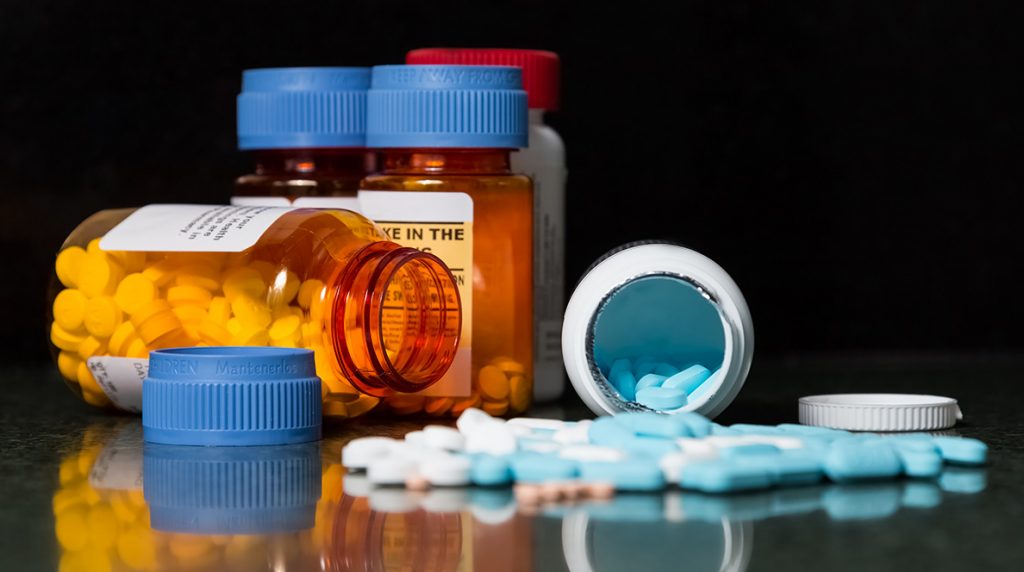
Considering Available Drugs for Fragile X: My Favorite Combination (So Far)
Which of the available drugs are best for managing fragile X syndrome? Most drugs have “off-target” effects which can have key advantages in some cases.
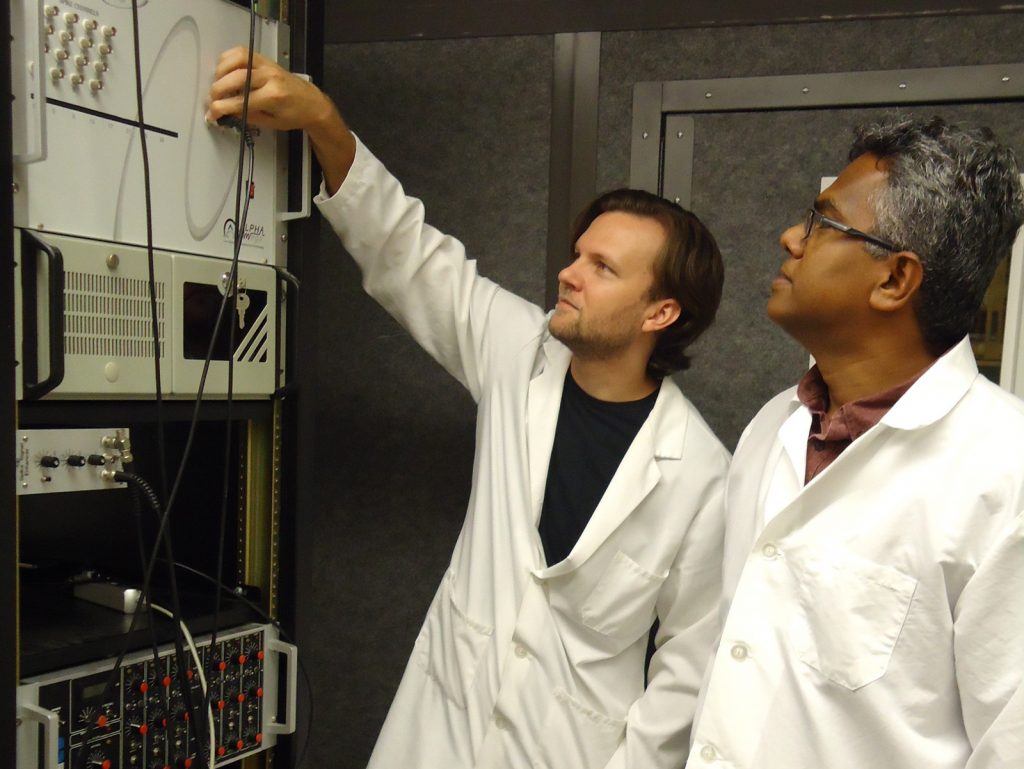
Results Reported: Using EEG Responses to Sound for Fragile X Drug Discovery
Jonathan Lovelace, a FRAXA funded Postdoc at UC Riverside, has made some exciting EEG findings over the past few years studying auditory hypersensitivity in mice and therapeutic drug treatments. A big obstacle in FXS research has been establishing reliable, unbiased, and translation relevant biomarkers that can be used to determine the effectiveness of therapies. One of the most important discoveries they have made is the striking similarity in EEG biomarkers between mice and humans.

National Institutes of Health Releases Fragile X Strategic Plan
FRAXA’s Elle Skala and supporter Mary Beth Busby visited NIH as the new Strategic Plan for Fragile X was released, shaping federal research priorities for years.

Biomarker Discovery and Validation for Fragile X Syndrome
This grant supported discovery of protein-based biomarkers for Fragile X to create objective outcome measures that translate from mouse studies to human trials.

Correcting Sensory Processing in Fragile X Mice by Modulating Kv3.1
FRAXA funded UCLA research on a Kv3.1-targeting drug to ease sensory issues in Fragile X. This work built on Yale-led work now also being pursued by Autifony Therapeutics.
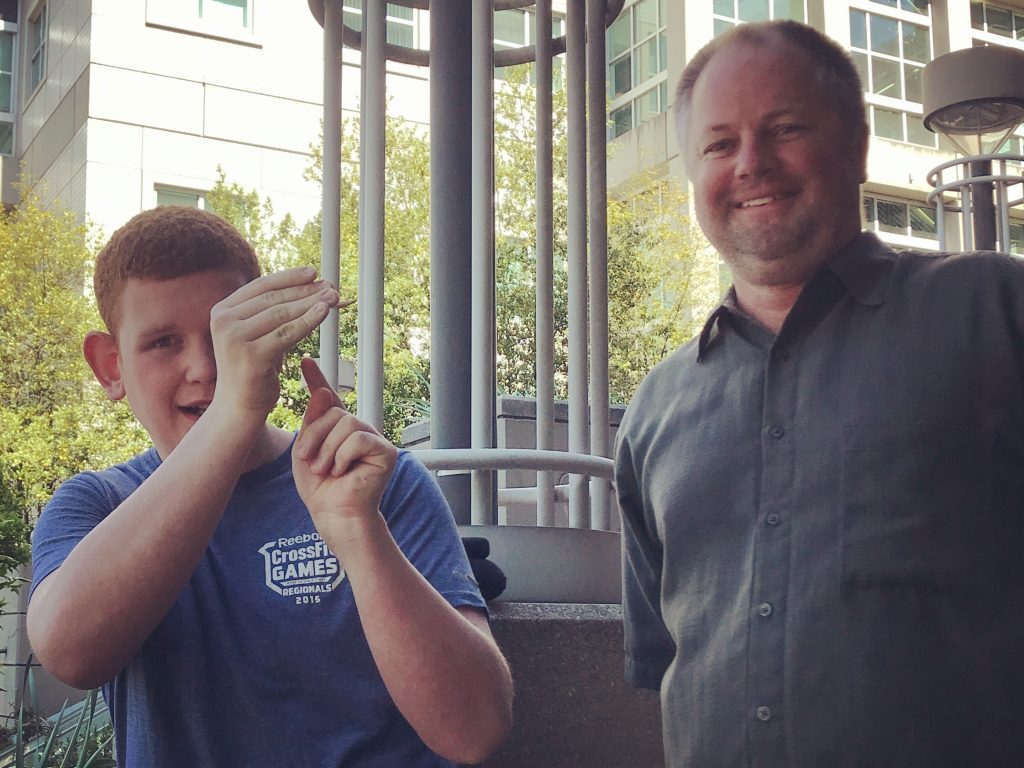
A Day in the Lab with FRAXA Investigator Dr. Tue Banke
Recently Laurie Bowler and her 19-year-old son Casey, who has Fragile X syndrome, visited FRAXA research grant recipient Dr. Tue Banke at his University of Washington laboratory. We hope you enjoy Laurie’s wonderful description of their adventure! FRAXA awarded $90,000 to Dr. Banke to study the Developmental Profile of Glutamatergic Synapses in Fragile X.

Gene Therapy Translational Studies for Fragile X Syndrome
With FRAXA funding, researchers tested AAV gene therapy to restore FMRP in Fragile X mice, measuring safety, effectiveness, and brain activity to inform future trials.

Developmental Profile of Glutamatergic Synapses in Fragile X
A FRAXA fellowship helped reveal how glutamate receptors at synapses develop differently in Fragile X, offering clues to improve learning and memory.

Federal Funding for Fragile X Research Faces Snags
Federal support for Fragile X research is declining. NIH and the Department of Defense are reducing investment, making advocacy more important than ever.

Ganaxolone Fragile X Clinical Trial Showed Disappointing Results
Ganaxolone, an experimental drug from Marinus Pharmaceuticals which targets GABA receptors, did not show promise for Fragile X syndrome in a clinical trial.

Autophagy is a Novel Therapeutic Target of Impaired Cognition in Fragile X Syndrome
FRAXA’s $90K grant enabled Dr. Zukin to link impaired autophagy to Fragile X. Boosting autophagy restored synaptic proteins and reversed cognitive deficits in mice.
Coffee, Tea, and Chocolate: Adenosine Receptors in Fragile X
Could “caffeine-like” drugs help Fragile X? FRAXA funded research to test adenosine blockers, which may boost thinking and improve symptoms in Fragile X mice.

Contacting Your Member of Congress to Advocate for Fragile X Research
A quick guide to contacting Congress for Fragile X advocacy—includes tips, recommendations, and how to look up your senators and representatives.
NKCC1 Inhibitor Bumetanide Corrects Synaptic and Circuit Hyperexcitability in Fragile X Mouse Model
Dr. Anis Contractor and Dr. Qionger He investigated the potential of the available drug bumetanide to correct altered GABA signalling in a mouse model of Fragile X syndrome.

Mega Green Tea Extract to Treat Fragile X?
Green tea is thought to have many benefits, particularly in cognitive function. In 2012-14, FRAXA Research Foundation funded a clinical trial to assess the effects of EGCG (green tea extract) on cognitive function in adults with FXS. Drs. Rafael de la Torre and Mara Dierssen Sotos, principal researchers in Barcelona, Spain, reported memory, attention, and mental flexibility improvements.

How Promising is CRISPR for Fragile X?
Peter Todd, MD, PhD, Assistant Professor in the Department of Neurology in the University of Michigan Medical School, was awarded a FRAXA Research Grant for gene reactivation with the use of CRISPR. In this interview he tells us about CRISPR in Fragile X research, how realistic is it that it could turn the Fragile X gene back on, and if it can really cure Fragile X.

Tetra Discovery Partners Initiates Phase 2 Trial of BPN14770 in Fragile X Syndrome
This 2-Period Crossover Study of BPN14770 is accepting adults males with Fragile X syndrome at Rush University Medical Center in Chicago. Principal Investigator of the study is Elizabeth Berry-Kravis, MD, PhD.
A selective inhibitor of the phosphodiesterase type-4D (PDE4D), BPN14770 has shown the ability to improve the quality of connections between neurons and to improve multiple behavioral outcomes in the Fragile X mouse model.

Aripiprazole as a Treatment for Fragile X Syndrome
Many medications are used to help people with Fragile X cope. But few clinical trials have been done on these drugs. Years ago FRAXA funded Dr. Craig Erickson to run a trial of aripiprazole (aka Abilify). FRAXA guest writer Hannah Miles recently caught up with Dr. Erickson to learn the results of the trial.