
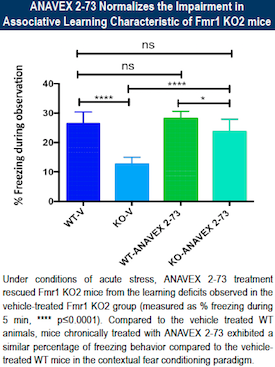
New compound from Anavex Improves Learning and Behavior in Fragile X Mice
The investigational drug Anavex 2-73 was able to improve intellectual, learning and hyperactivity measures in a mouse model of Fragile X syndrome. This is a sigma-1 receptor agonist.

Meltdown no more? Targeting Hypersensitivity in Fragile X
Meet Khaleel Razak, PhD, and Jonathan W. Lovelace, PhD, FRAXA-funded researchers at University of California, Riverside who are tackling Fragile X.
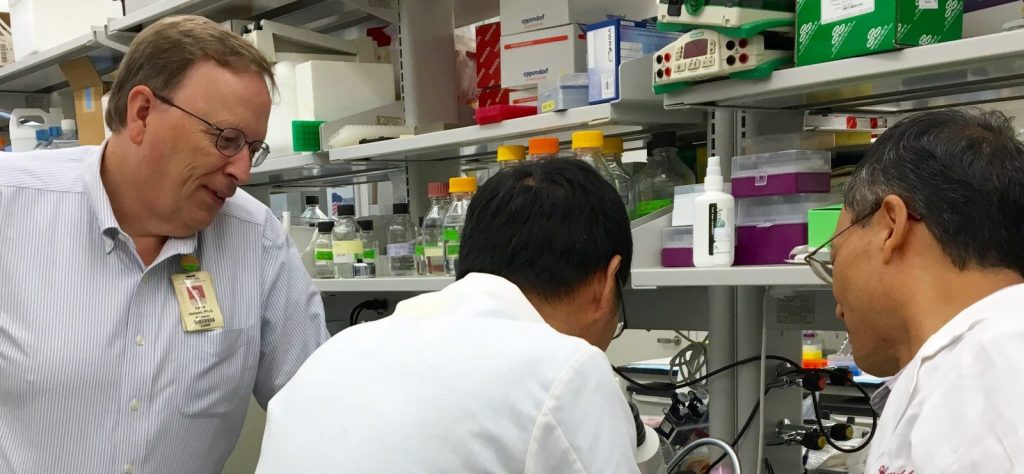
Researcher David Nelson, PhD, Explores New Cell Strategies for Fragile X Syndrome, FXTAS and FXPOI
David Nelson co-discovered the FMR1 mutation which causes Fragile X syndrome and developed key mouse models, enabling global research aimed at finding treatments for the disorder.
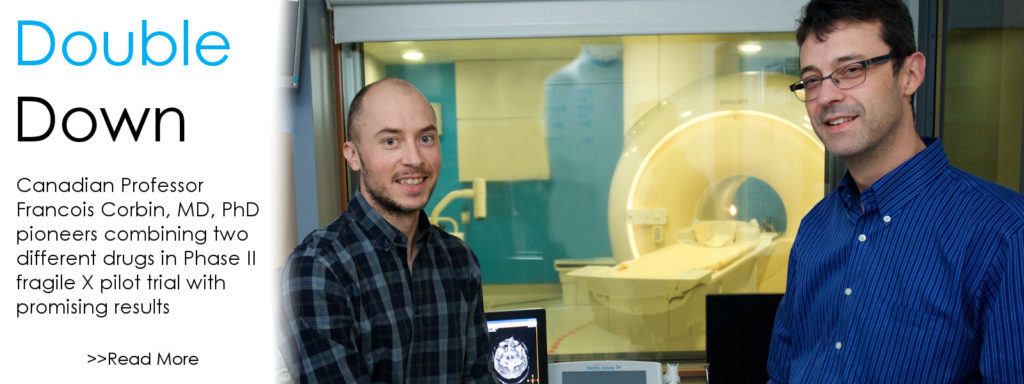
Double Down: Fragile X Clinical Trial Combines Two Available Drugs
FRAXA funded a trial combining lovastatin and minocycline to test whether targeting multiple pathways can improve brain activity and behavior in Fragile X.

The X Factor – Turning on X Chromosome Genes to Treat X-linked Disorders
Harvard researcher Jeannie T. Lee, MD, PhD, moves closer to turning on select genes on the X chromosome to treat people with X-linked disorders.
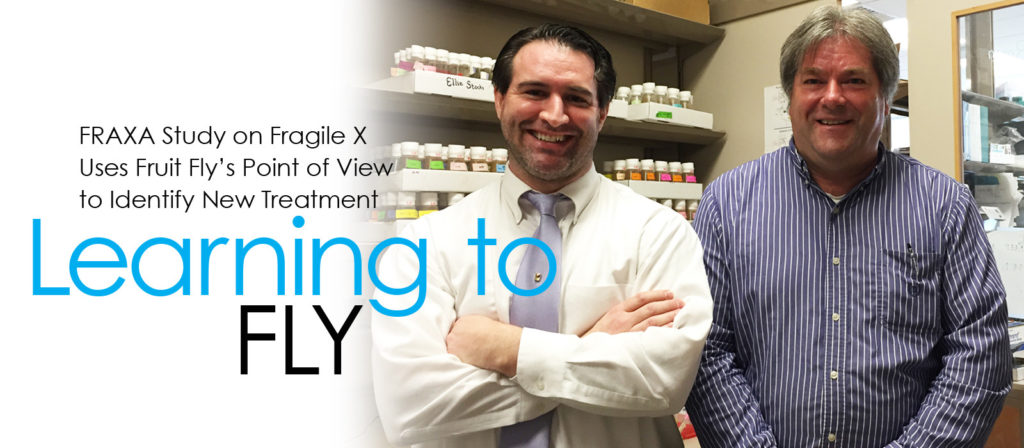
Fragile X Fruit Fly Research Bears Fruit
A FRAXA-funded study shows how the hormone insulin – usually associated with diabetes — is involved in daily activity patterns and learning deficits in the fruit fly model of Fragile X Syndrome.

Fragile X Cure One Step Closer with FRAXA Support of $1 Million in New Research
4 Countries – 10 Teams – $1 Million for finding treatment targets, pinpointing outcome measures for clinical trials, and attempting to reactivate the gene which is silenced in Fragile X syndrome.
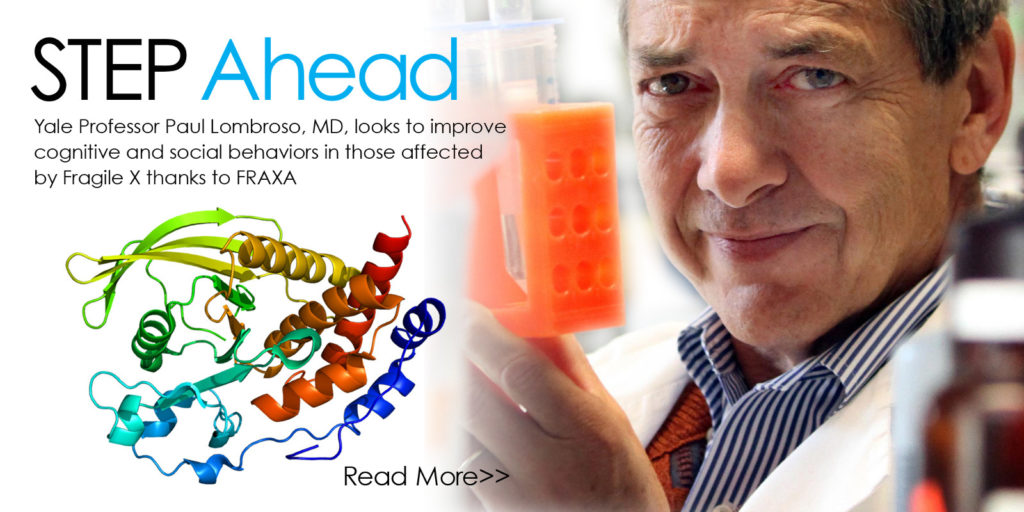
Can STEP Inhibitors Treat Fragile X Syndrome? Yale Professor Investigates
Yale Professor Paul Lombroso, MD, is testing STEP inhibitors to improve cognitive and social behaviors in those affected by Fragile X syndrome.
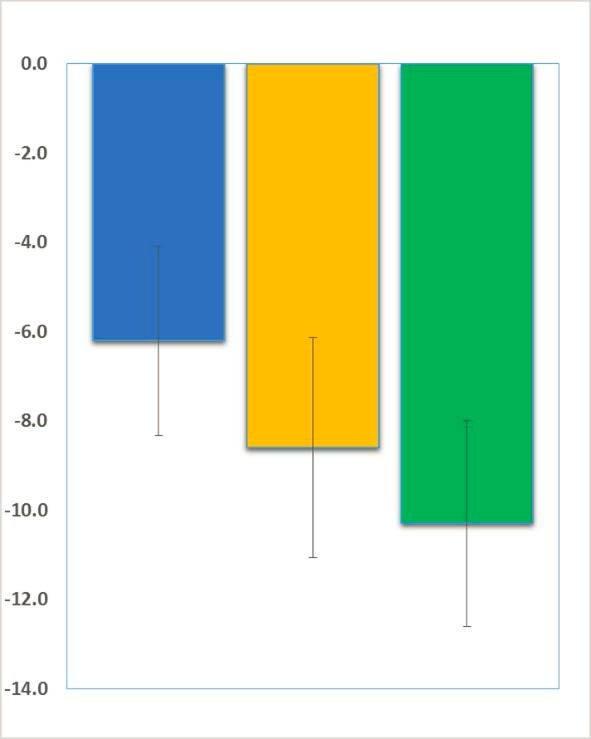
Neuren’s Tofinetide Successful in Phase 2 Clinical Trial in Fragile X
In this initial trial with a relatively short treatment period, trofinetide was very well tolerated, with the high dose (70 mg/kg twice daily) demonstrating a consistent pattern of clinical improvement.

CRISPR – Does it hold promise for Treatment of Fragile X Syndrome?
CRISPR offers the tantalizing possibility of “editing” genes precisely, and it could (theoretically) excise the methylated trinucleotide repeat sequence from Fragile X cells, returning them to normal.

FRAXADev – Developing BK Channel Openers for Fragile X Syndrome
FRAXADev is an initiative in France not connected with FRAXA Research Foundation. The name is coincidental. FRAXADev seeks to develop a new kind of drug for Fragile X.

Crossroads of Fragile X and Alzheimers Research
Researchers at VIB Leuven in Belgium published evidence that a brain pathway involving the protein APP (Amyloid Precursor Protein) plays a vital role in development of Fragile X syndrome.

Fragile X: Past, Present, Future – Video
Michael Tranfaglia, MD, FRAXA Medical Director discussed how research has brought us to the point of clinical trials, the problems encountered in recent trials, and where we go from here.
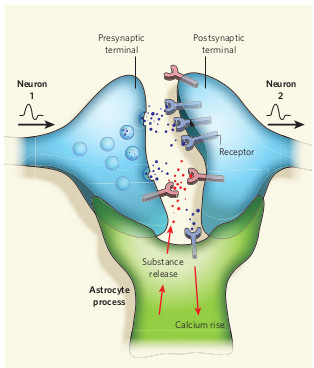
Fragile X Treatment: New Research Directions
In the wake of negative results from several high-profile clinical trials in Fragile X, we find ourselves questioning many of our previous assumptions about the nature of this disorder.

Bryostatin Restores Learning and Memory in Adult Fragile X Mice
A marine critter found off the California coast — Bugula neritina — is the only source of Bryostatin. Bryostatin-1 restores spatial learning and memory in adult Fragile X mice.
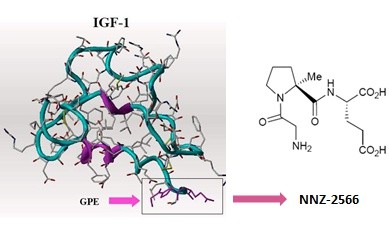
Neuren’s NNZ-2566 Shows Clinical Benefit in Rett Syndrome Trial
This isn’t a Fragile X trial, but the Neuren compound, NNZ-2566, that is in trials now for Fragile X has shown significant positive effects in a Phase 2 trial for Rett syndrome.

NIH Awards $35 Million to Three Fragile X Research Teams
NIH is investing $35M in three Fragile X Research Centers. All teams have been funded by FRAXA and will now receive over $2M annually for five years.

Roche reports clinical trial negative results
Roche has shared the sad news that their clinical trials in Fragile X have been unsuccessful. They hosted a Webcast to explain the results.

Why Did Fragile X Clinical Trials of mGluR Antagonists Fail?
by Michael Tranfaglia, MD. In my opinion, the Fragile X clinical trials of AFQ056 sponsored by Novartis failed because of a dose range that was inadequate for Fragile X, and because of the unexpected development of tolerance.

Fragile X Syndrome Treatment Target: MMP-9
This paper shows that MMP-9 dysregulation is a critical part of the pathology of Fragile X, and MMP-9 should be considered a major treatment target for Fragile X syndrome.
Fragile X Clinical Trial: Novartis Trial Results Are In, and They’re Not Pretty
This year’s Gordon Conference just finished, and Novartis presented their results. To say that the trial results for AFQ056 were disappointing would be the understatement of the century!
Novartis Discontinues Development of mavoglurant (AFQ056) for Fragile X Syndrome
Mavoglurant trials in Fragile X did not show improvement vs. placebo, leading Novartis to end the program and wind down the open-label extension.
New Clue to Fragile X and Autism Found Inside Brain Cells
FRAXA-funded research revealed that mGluR5 isn’t only on the cell surface. Drugs may need to reach internal receptors to be effective in Fragile X.

Scientists Uncover Trigger for Fragile X Syndrome
A Weill Cornell team discovered that Fragile X stems from a gene being shut off—and a compound that blocks this process may prevent the condition.