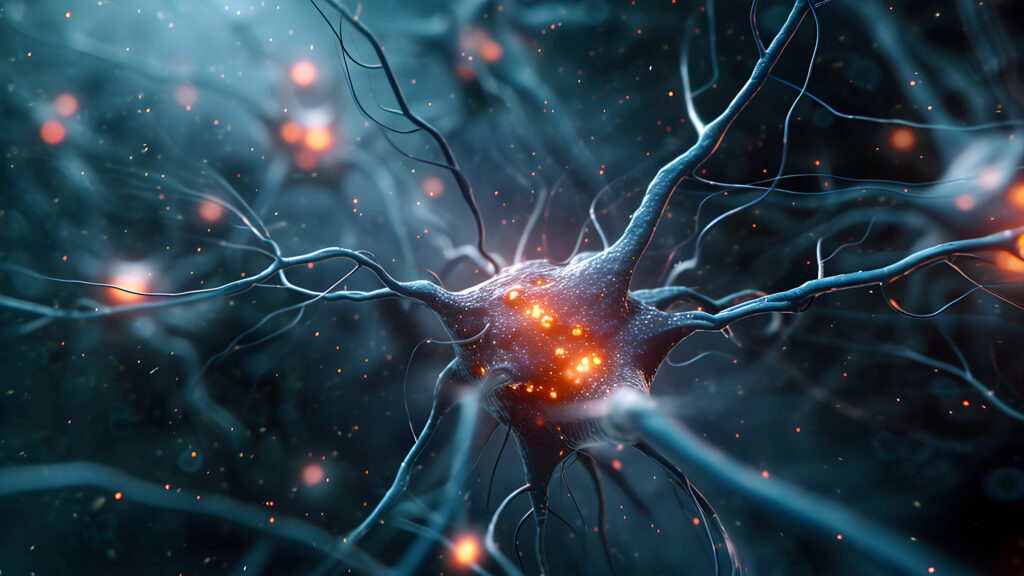
Opening the Gate: BK Channel Modulation as a Promising Treatment Strategy for Fragile X Syndrome
Fragile X syndrome research is opening the door to BK channel therapies that may calm hyperexcitable brain circuits and improve key symptoms.

Targeting Serotonin 1a Receptors to Reverse Neurobehavioral Phenotypes
Neurolixis’ new drug targets serotonin 1A receptors (aka 5-HT1A), showing promise in preclinical studies for Fragile X syndrome, funded by a FRAXA grant for future clinical trials.

FRAXA Backs Upcoming Phase 2B Trial of SPG601 for Fragile X Syndrome
FRAXA Research Foundation is supporting a Phase 2b clinical trial of SPG601, an experimental therapy targeting BK channels in fragile X syndrome, following promising early results.

Spinogenix and FRAXA Advance SPG601 Into Phase 2b Trial for Fragile X Syndrome
Spinogenix and FRAXA are supporting a Phase 2b clinical trial of SPG601 in Fragile X syndrome, building on Phase 2 signals and FDA designations.
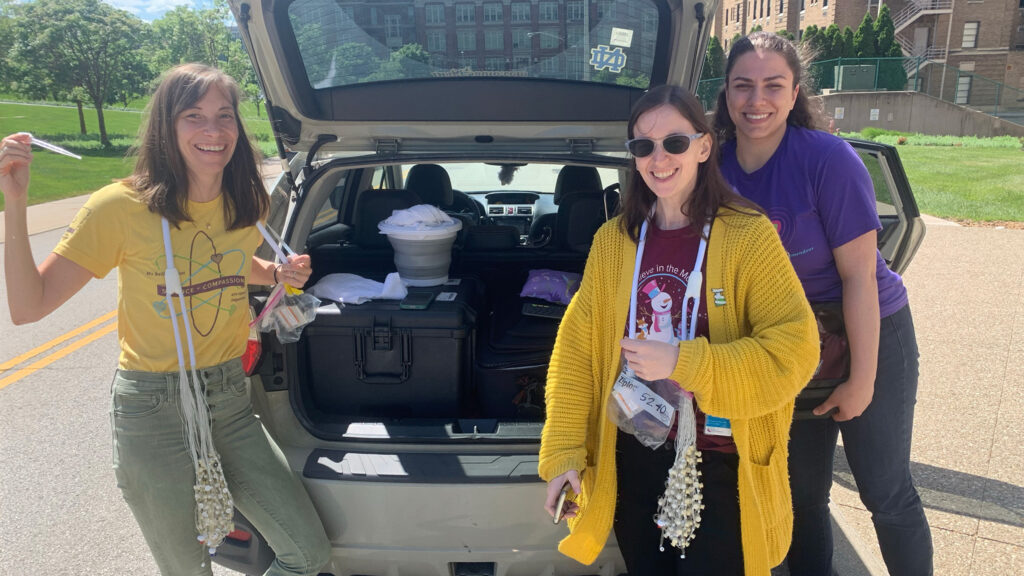
Fragile X Unplugged: Establishing Mobile EEG as the Next Frontier
A $100,000 FRAXA grant to Cincinnati Children’s Hospital is simplifying and testing EEG technology for home use, improving clinical trial accessibility and efficiency.
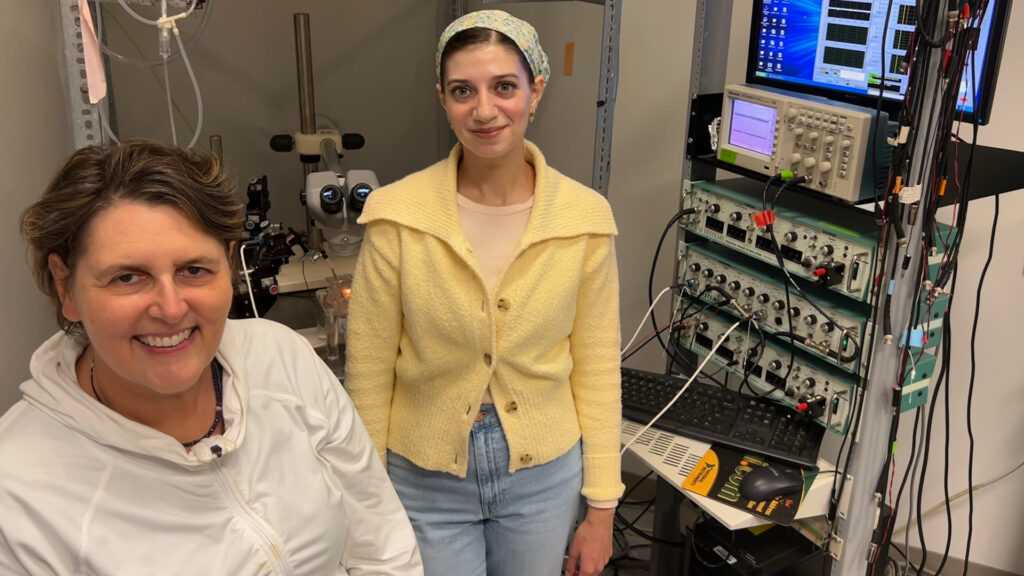
Sex Differences and the Role of Estrogen Receptors in Fragile X
Fragile X syndrome researchers are studying how estrogen receptors shape brain activity and may explain why males and females experience symptoms differently.
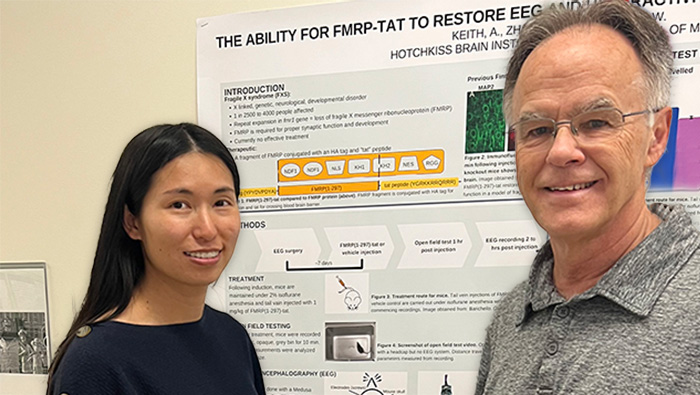
A Tat-Conjugate Approach to Treat Fragile X Syndrome
Turner Lab’s innovative approach to treating Fragile X uses a Tat-linked, truncated FMRP protein designed to restore brain function by replacing the missing protein.
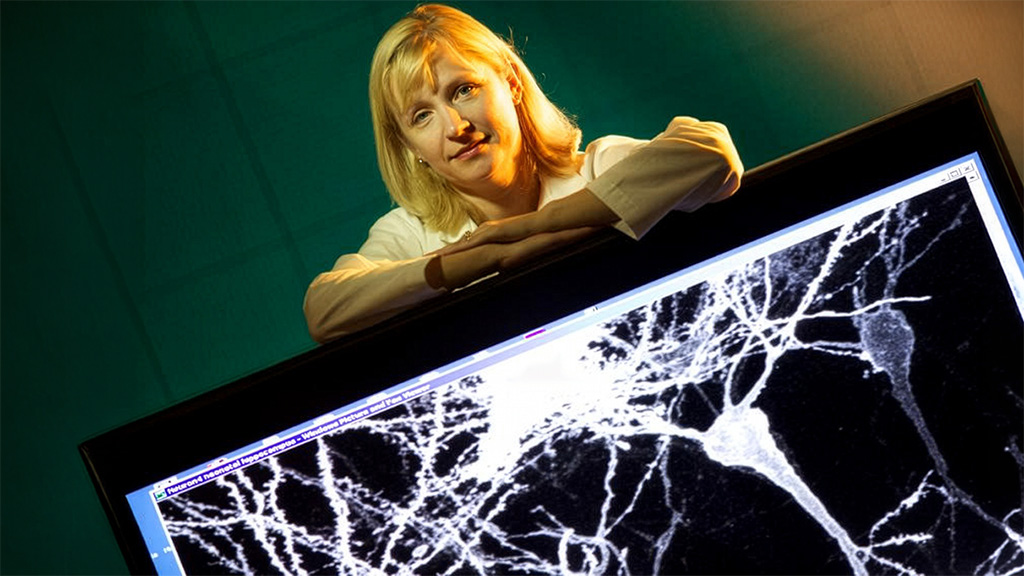
Combining Gene Reactivation with Controlled Sound Exposure to Treat Fragile X Syndrome
The team combined gene reactivation with noninvasive acoustic stimulation in a mouse model as an approach to treating Fragile X syndrome.
Advancing Curative Therapy for Fragile X Syndrome: Turner Lab Secures $1M Grant
Fragile X syndrome research accelerates as the Turner Lab secures $1M to expand FRAXA-funded work on curative therapy targeting the missing FMRP protein.

Clinical Study of Non-Invasive EEG for Children Ages 2-7
Dr. Carol Wilkinson, MD PhD at Boston Children’s Hospital recruited children ages 2-7 years with Fragile X syndrome to participate in a study of EEG.
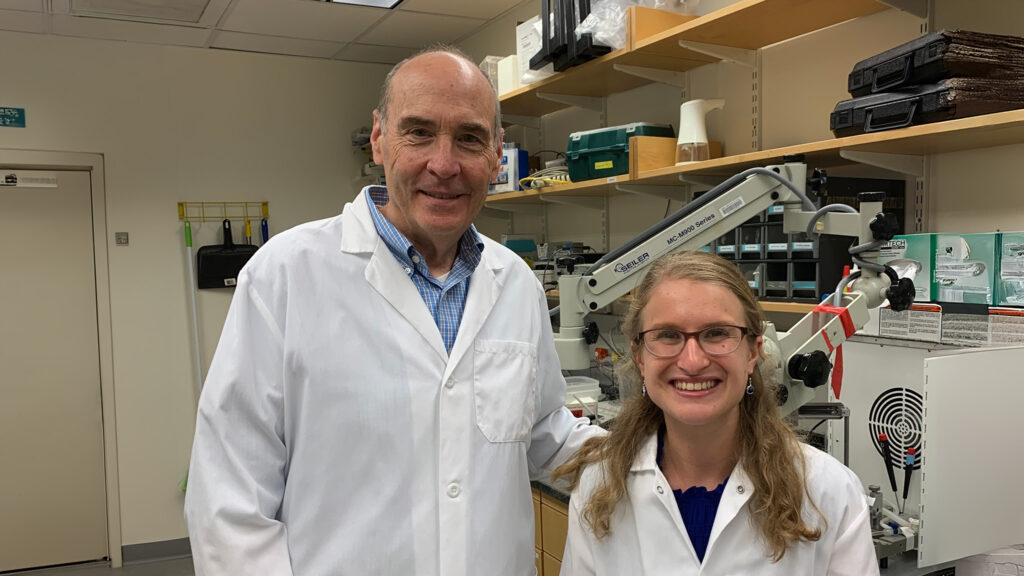
Altered Physiology of Primary Visual Cortex in Fragile X Syndrome
This team believes inhibitory neurons expressing somatostatin are impaired in Fragile X. They will see if stimulating these neurons has therapeutic potential.
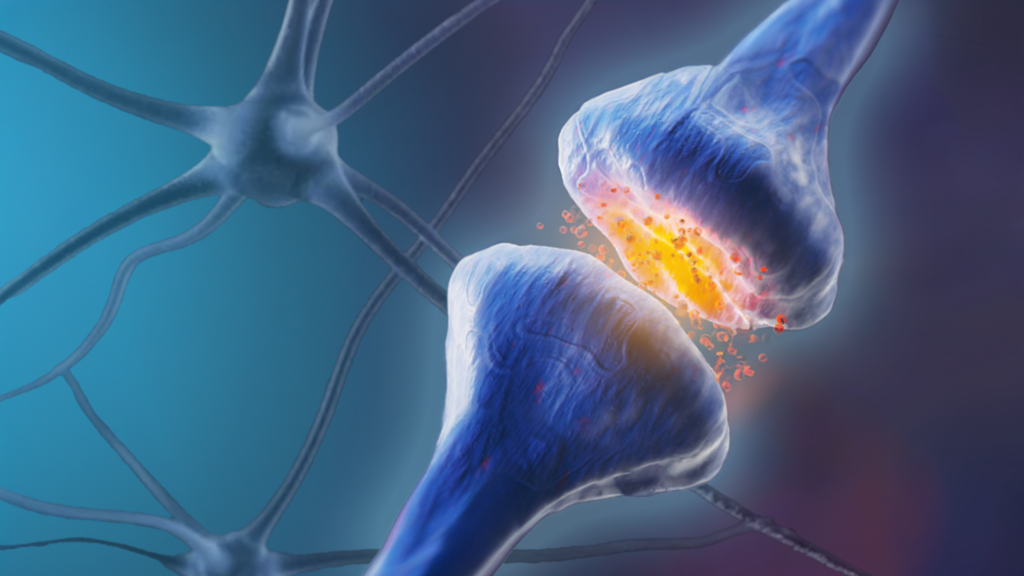
BK Channel Openers: A New Drug for Fragile X Is Ready for Clinical Trials
A promising new BK channel opener, SPG601 from Spinogenix, is entering clinical trials for Fragile X syndrome. Learn about its potential to restore synaptic function and address core symptoms.
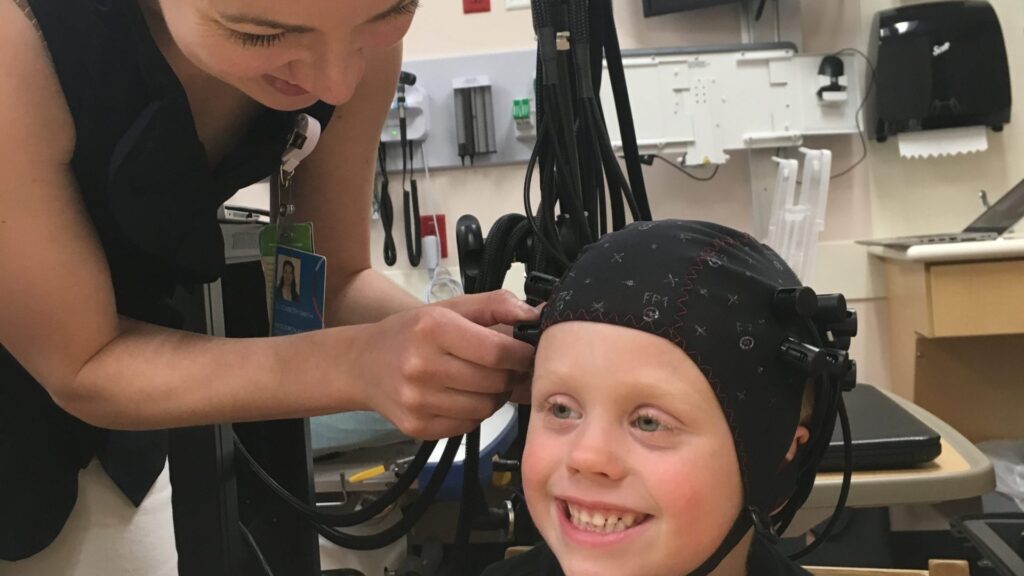
fNIRS to Measure Treatment Response in Young Children with Fragile X
The team tested functional near-infrared spectroscopy (fNIRS). fNIRS uses light sources and sensors on the scalp to build a heat map of the brain in action.
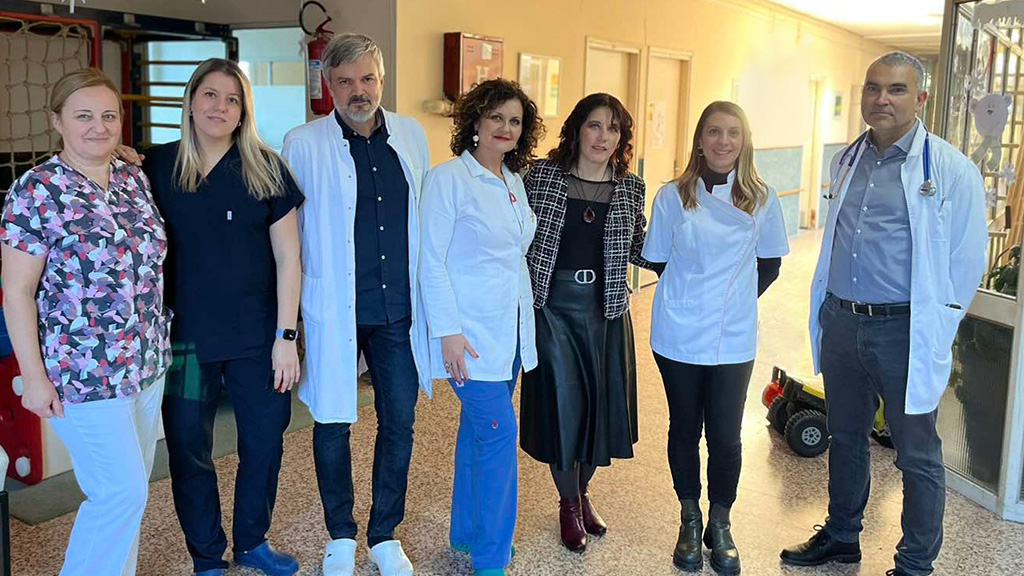
Unveiling Probiotic Potential in Fragile X Syndrome Clinical Trial
First of its kind in Serbia, this clinical trial explores probiotic intervention as a potential treatment avenue for Fragile X syndrome.
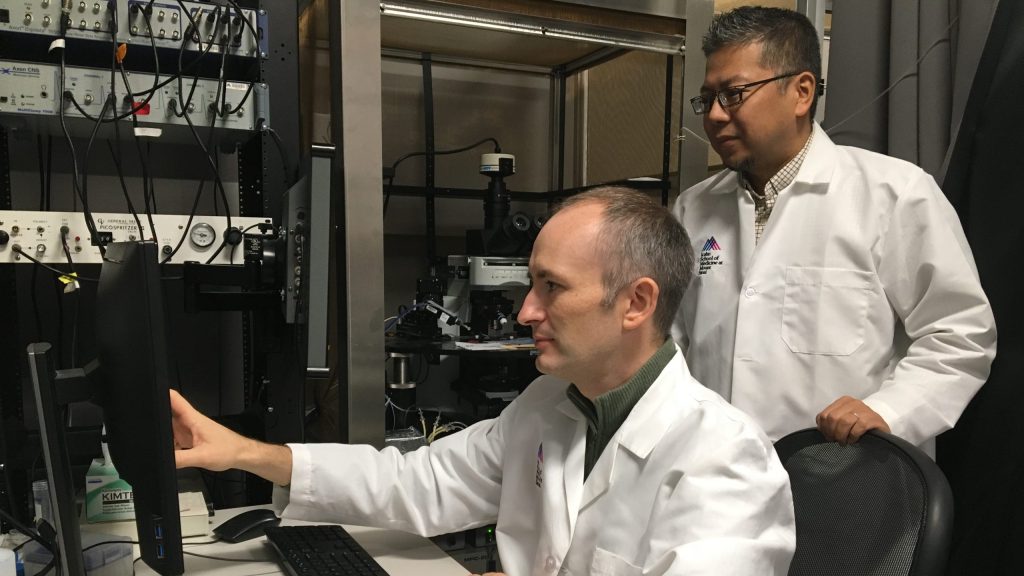
Pharmacological Modulation of Nicotinic Signaling
This study tests whether blocking certain nicotine-sensitive receptors in the brain during adolescence can improve attention and cognition in Fragile X.
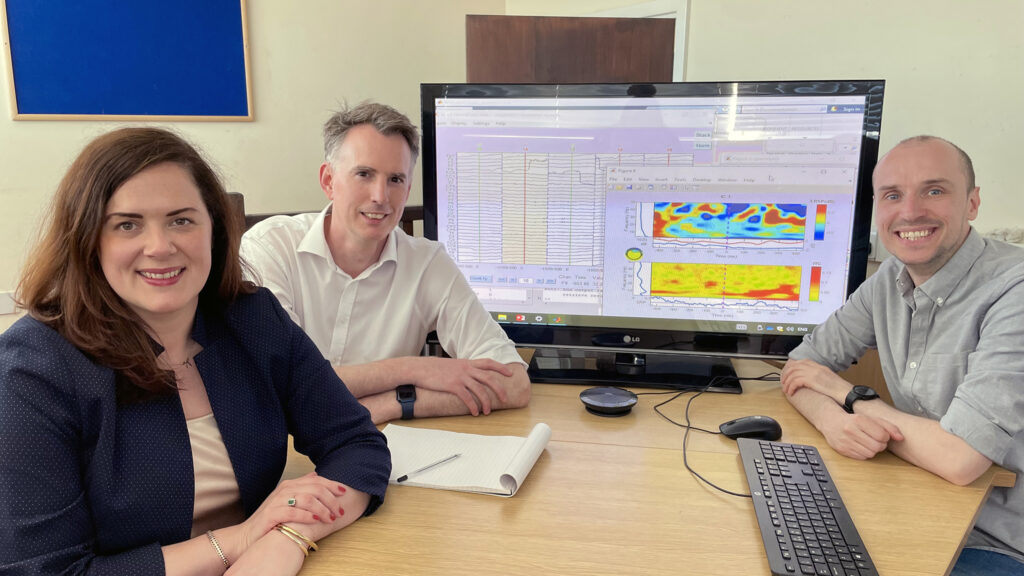
Somatosensory Processing as a Therapeutic Target for Fragile X Syndrome
FRAXA-funded researchers in Edinburgh assessed a noninvasive touch test that could be used for clinical trials in Fragile X syndrome.
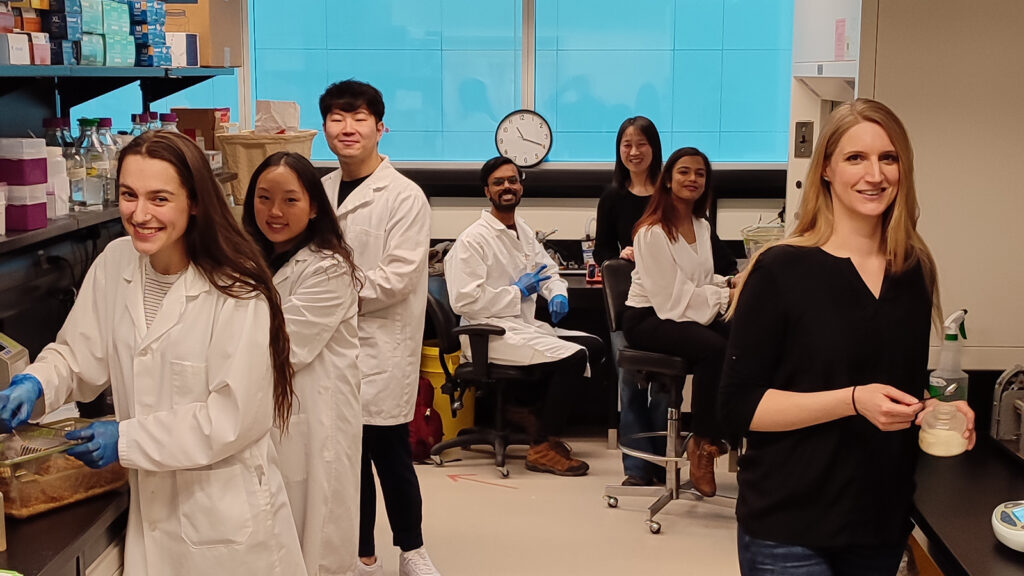
Validating Novel Inhibitors of ERK Signalling to Treat Fragile X Syndrome
This team is testing ERK inhibitors — drugs that may calm overactive brain signaling in Fragile X. Early results in mice show strong benefits with minimal side effects.
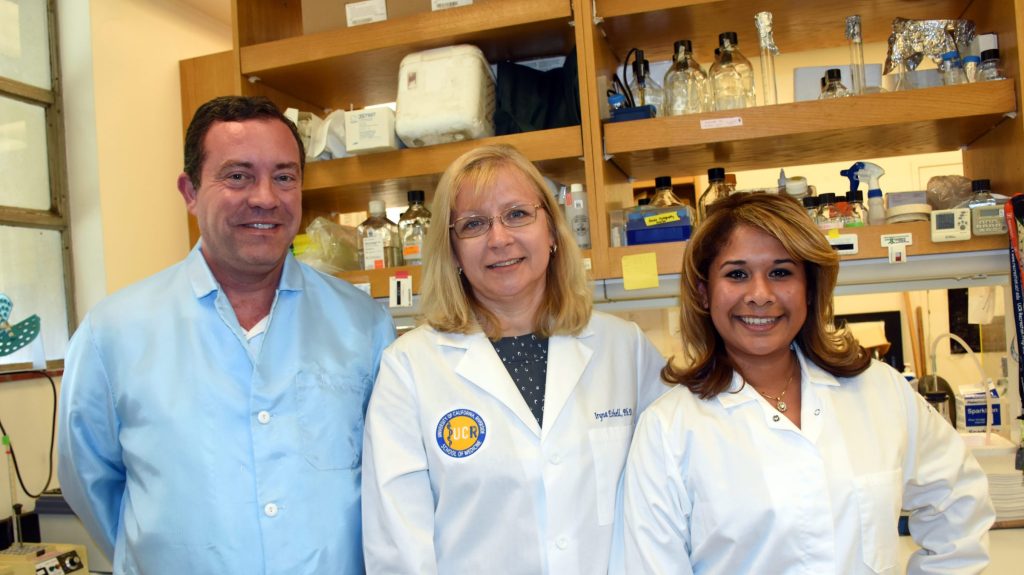
Cannabinoids as a Treatment for Fragile X Syndrome
This team uses EEG to study sensory hypersensitivity in Fragile X. By testing drugs in mice, they aim to find treatments that calm brain overactivity.
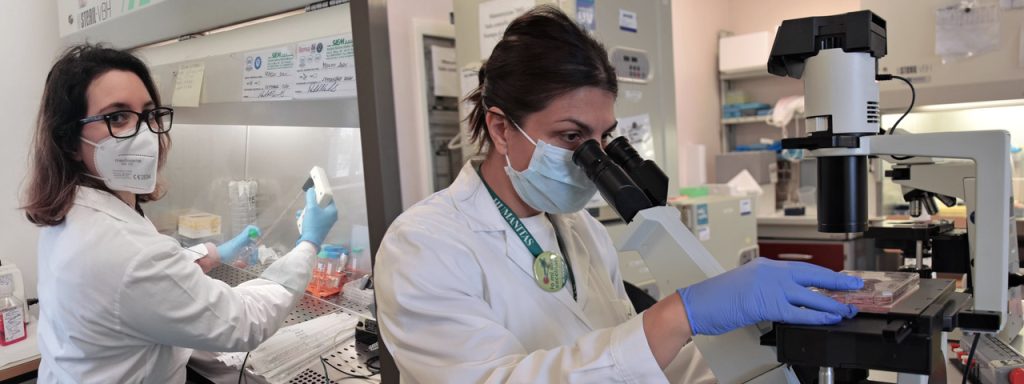
2021 Fragile X Research Grants Funded by FRAXA Research Foundation
Each year, FRAXA funds a diverse portfolio of research. FRAXA Fellowships and Grants are seed funding for the future, the feedstock for the Fragile X treatment development pathway.

Identifying Cellular and Molecular Signatures in Human Neurons That Distinguish Fragile X Syndrome Patients with Divergent EEG Profiles
Just as Fragile X affects individuals differently, medications do as well. This project aims to bring personalized medicine to Fragile X syndrome.
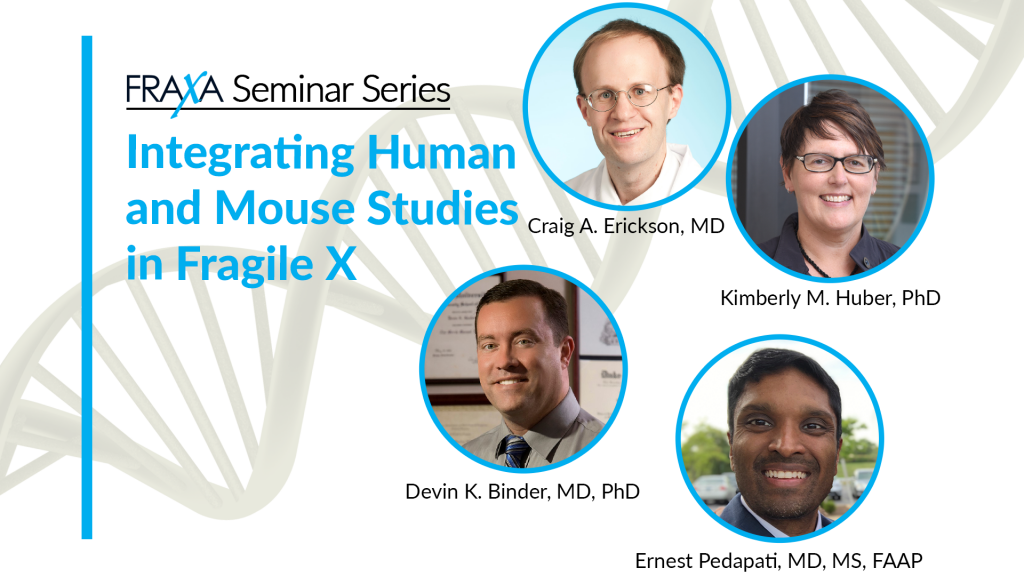
Integrating Human and Mouse Studies in Fragile X Syndrome – an NIH Center Approach
Presentations by Craig Erickson, Ernest Pedapati, Devin Binder, and Kimberly Huber about their research on Fragile X as part of their NIH Center of Excellence.
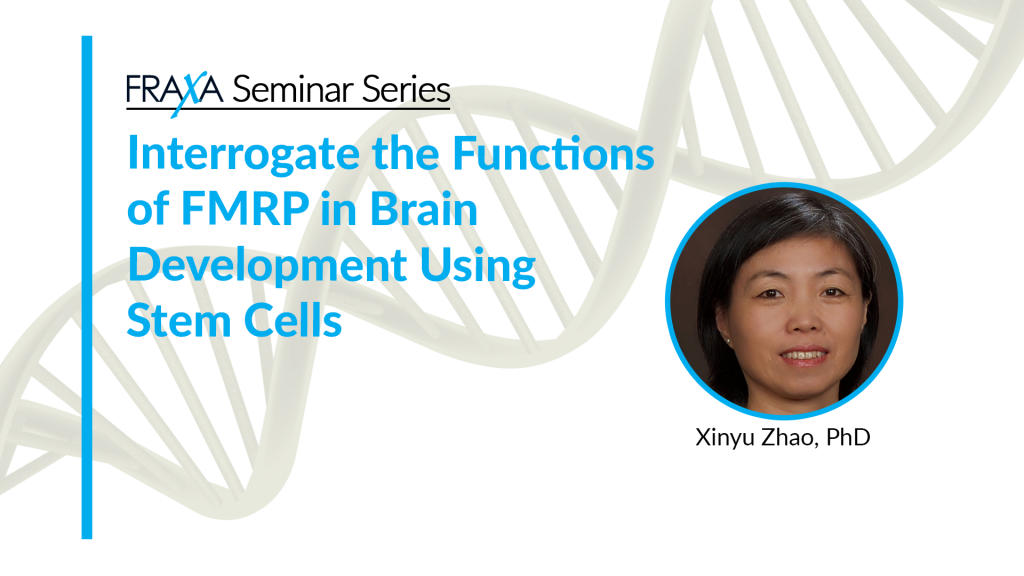
Interrogate the Functions of FMRP in Brain Development Using Stem Cells
Dr. Xinyu Zhao of the Waisman Center and Department of Neuroscience at University of Wisconsin-Madison joins us in this seminar to present Interrogate the Functions of FMRP in Brain Development Using Stem Cells.

Overcoming the Placebo Effect in Fragile X Clinical Trials
In a placebo-controlled clinical trial, some participants are given an experimental medication, while others are given a placebo. A strong placebo effect can obscure results.
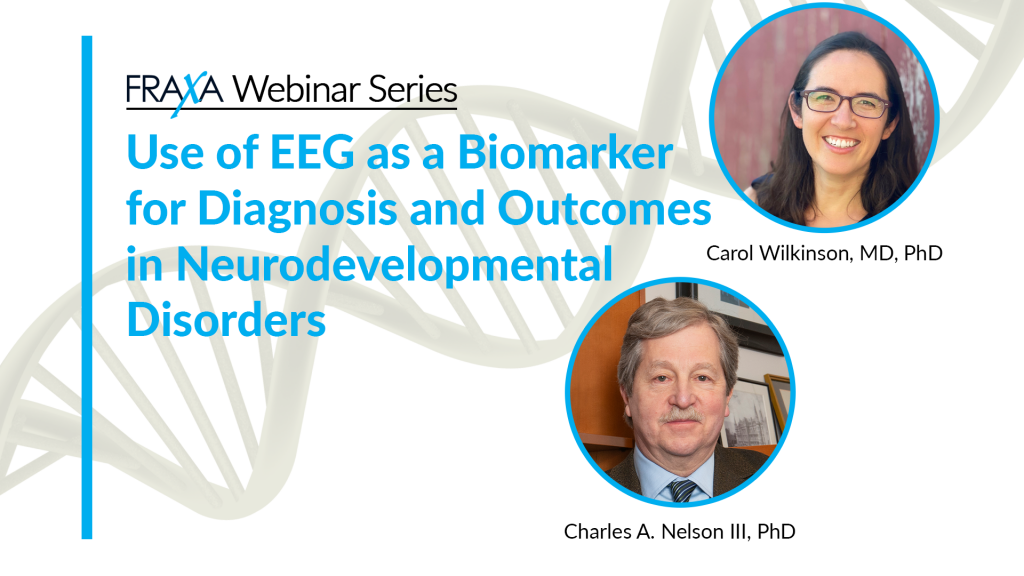
Use of EEG as a Biomarker for Diagnosis and Outcomes in Neurodevelopmental Disorders
This webinar features Charles A. Nelson III, PhD, Professor at Harvard Medical School and Carol Wilkinson, MD, PhD, Instructor at Boston Children’s Hospital.