
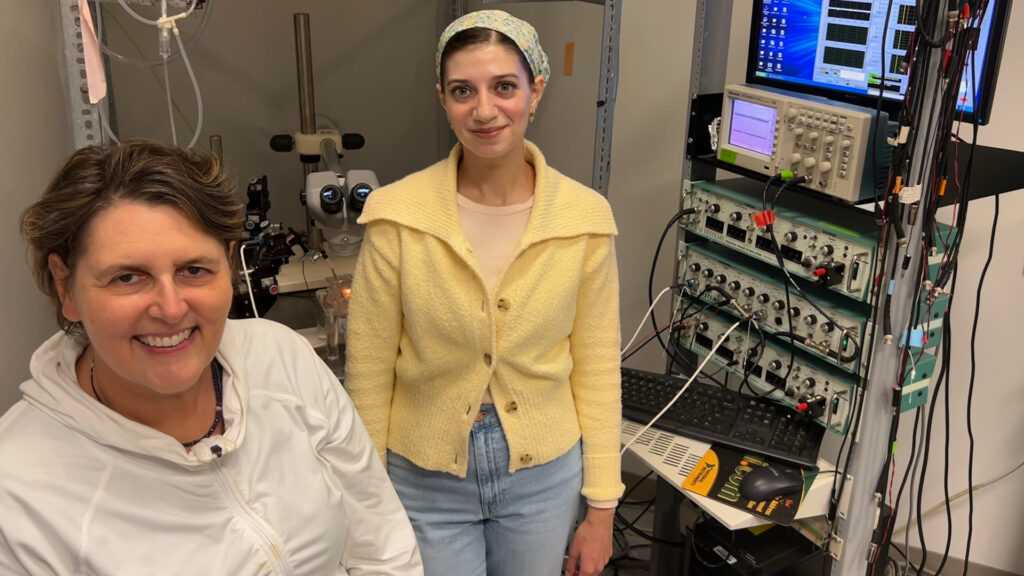
Sex Differences and the Role of Estrogen Receptors in Fragile X
Fragile X syndrome researchers are studying how estrogen receptors shape brain activity and may explain why males and females experience symptoms differently.

Two-Med Combo Normalized Behavior, Improved Memory in Fragile X Mice
Treating Fragile X might require a combination of drugs. FRAXA-DVI tested ibudilast and gaboxadol in Fragile X mice. Together they rescued a wide array of symptoms.

Celebrating Success at Patrick’s PALS 27th Annual 3-on-3 Basketball Tournament for FRAXA
Recap of Patrick’s PALS 27: a successful 3-on-3 basketball fundraiser at Bentley University, raising $150,000+ for FRAXA Research Foundation.

ASOs and Fragile X: Addressing the Most Asked Questions
Explore the potential of ASOs in treating Fragile X syndrome & FXTAS. Dive into a comprehensive Q&A addressing key questions and breakthrough findings.
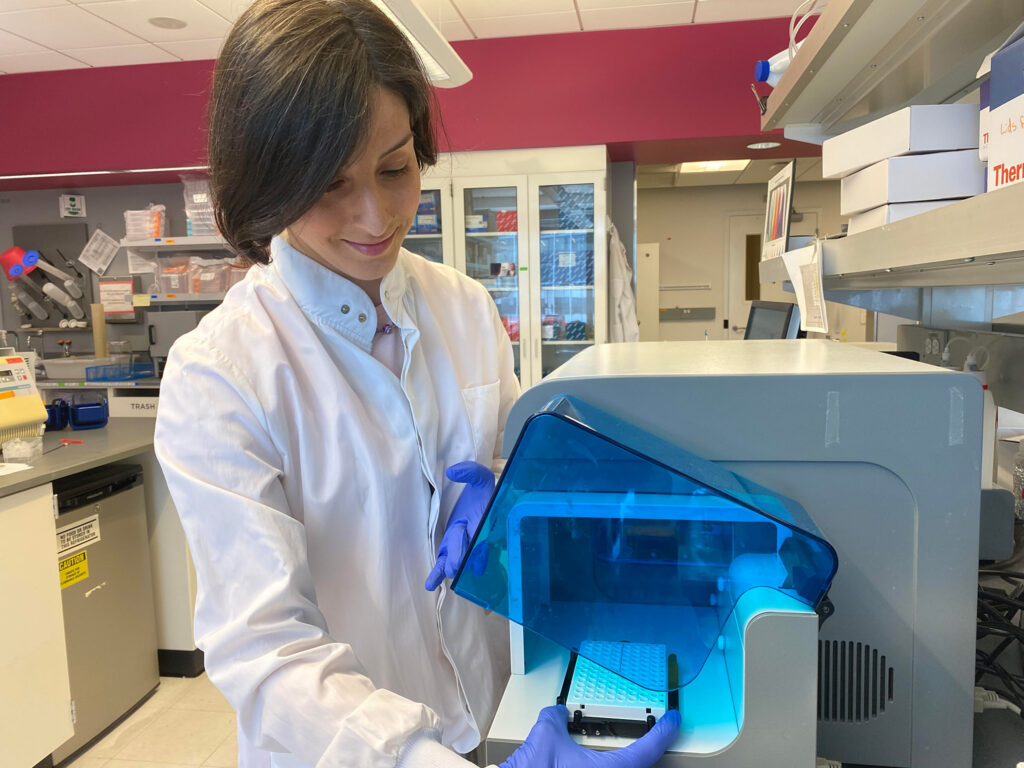
SRC Family Kinase Inhibitor as a Potential Treatment for Fragile X Syndrome
This $100,000 FRAXA grant will fuel the Smith lab’s new approach to treating Fragile X syndrome using Saracatinib, originally a cancer drug.
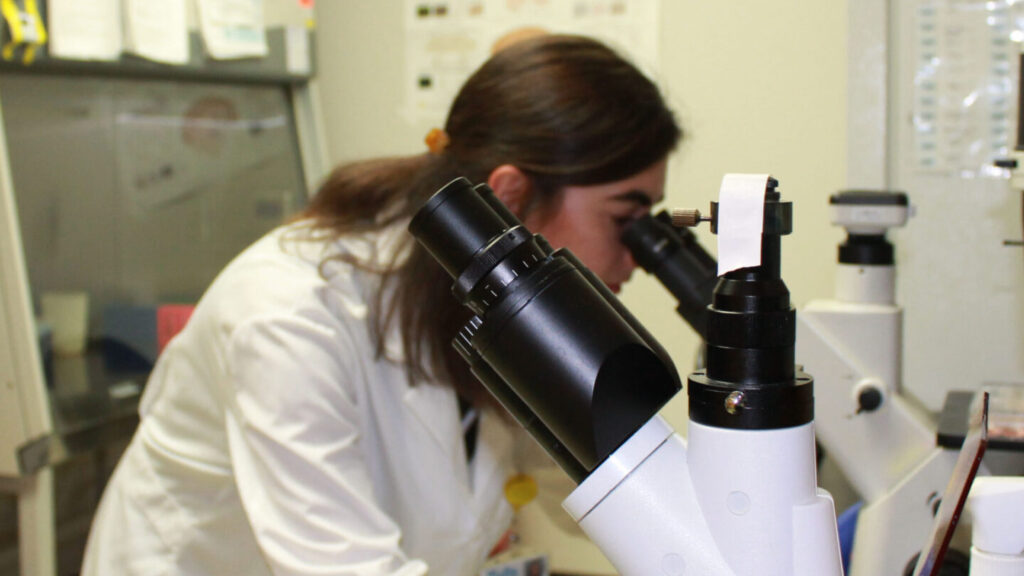
Fragile X Syndrome and Cancer Research: Unexpected Links and Opportunities for Collaboration
Discover unexpected links between Fragile X Syndrome and cancer. Studies show people with Fragile X have much lower cancer rates. Explore new opportunities for collaboration in this promising research.

FRAXA Investigator Lynne Maquat Awarded 2023 Gruber Genetics Prize
Dr. Maquat discovered NMD, a key surveillance system in the body that protects against mistakes in gene expression. With funding from FRAXA she is tackling Fragile X syndrome.

Meet Archie!
Archie really loves fire engines and trains as well as bells. Archie has had a few struggles this past year as his mom was diagnosed with cancer but thankfully she’s now cancer free.

Fragile X Syndrome: In Pursuit of a Cure Webinar
Global webinar “Fragile X Syndrome: In Pursuit of a Cure” on July 22, 2021 commemorated World Fragile X Day. Over 5,000 registered from more than 50 countries.

Beneath the Surface of Fragile X Syndrome: Study Sheds Light on What’s Happening in Nerve Cells
Lynne Maquat discovered that many irregularities in cells that lack FMRP are due to misregulated nonsense-mediated mRNA decay, or NMD. Results published.
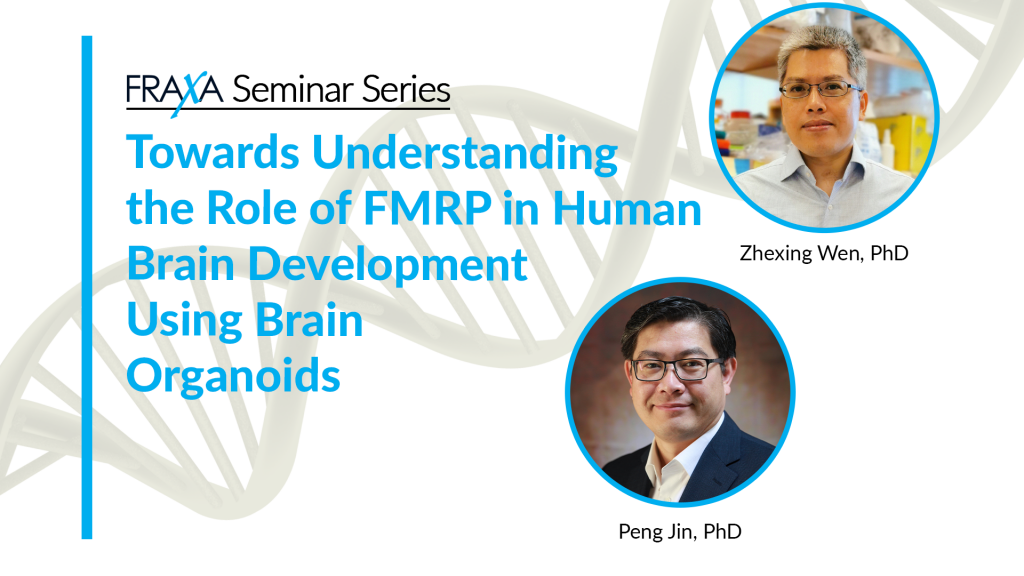
Towards Understanding the Role of FMRP in Human Brain Development Using Brain Organoids
Dr. Zhexing Wen and Dr. Peng Jin at Emory University School of Medicine join us in this seminar to present Understanding the Role of FMRP in Human Brain Development Using Brain Organoids.
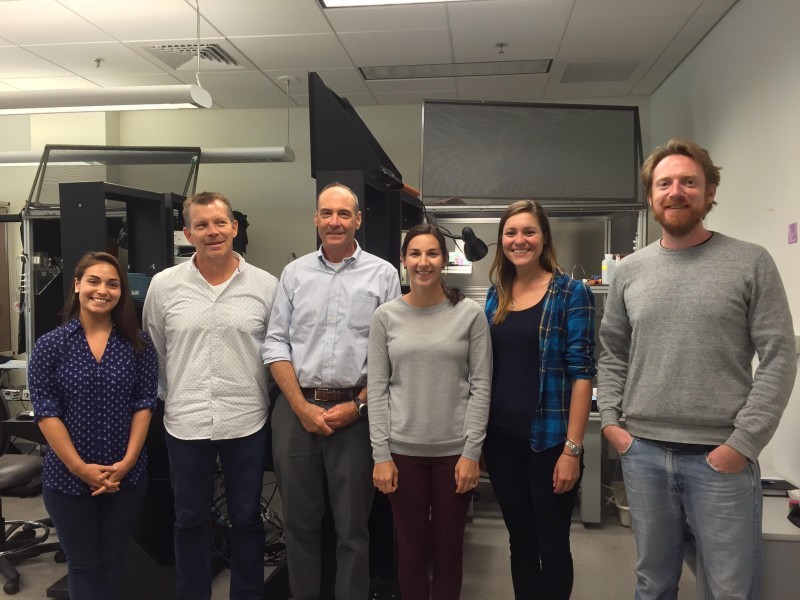
Scientists Find a New Way to Reverse Symptoms of Fragile X
MIT Professor Mark Bear and colleagues have identified a new target for Fragile X therapeutics: GSK3 alpha. Several FRAXA research teams previously identified GSK3 beta as a treatment target.

Patrick’s PALS 23rd Annual Basketball Tournament Raises $140,000 for Fragile X Research
Patrick’s PALS expanded to 36 teams! The Gray Team topped past champs Kline—winning twice to become Patrick’s PALS XXIII Champions!
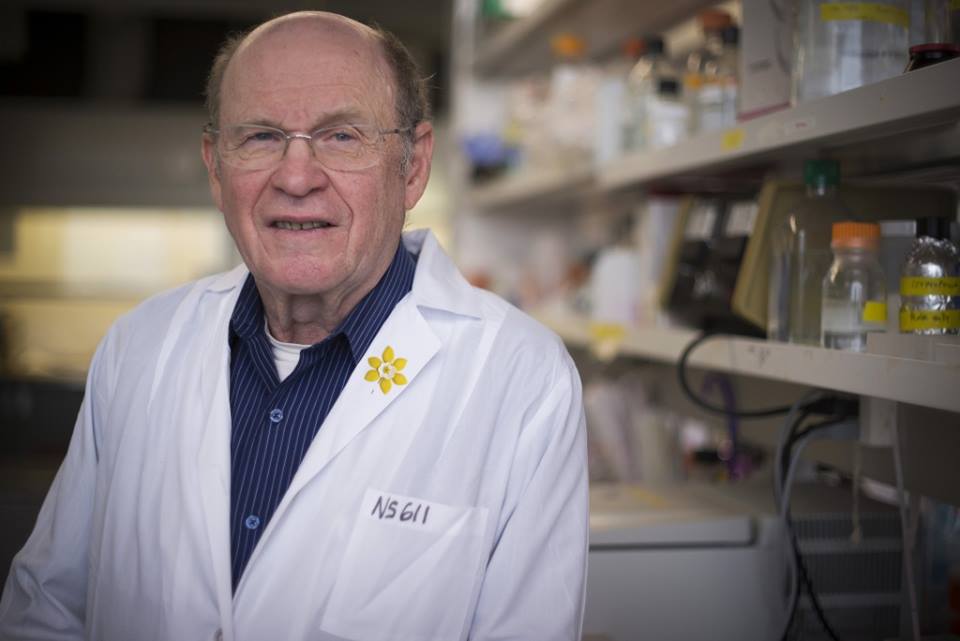
Metformin and Aberrant Insulin Signaling in a Fragile X Mouse Model
FRAXA-funded research is revealing how insulin signaling is altered in Fragile X and whether lowering it, including with metformin, could ease symptoms.
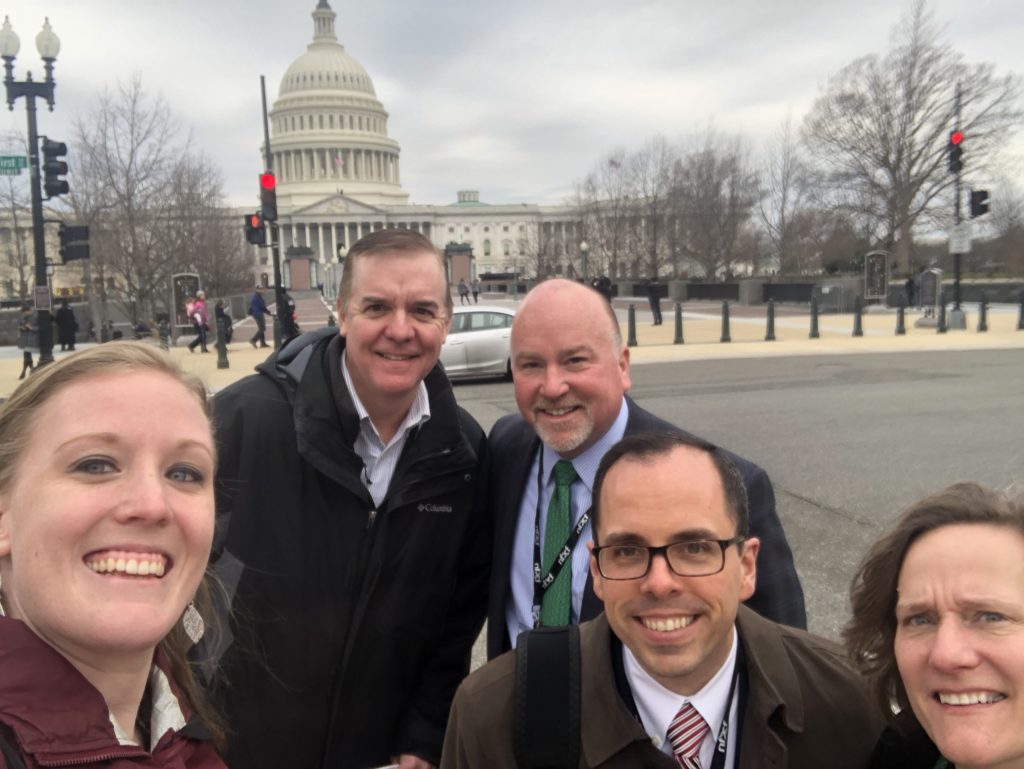
Takeaways from Fragile X Advocacy Day
At my first Fragile X Advocacy Day, I met with Congress and families, advocating together for research and hope.

Impact of the Fragile X Community
Because of you, FRAXA invests $1M+ each year in Fragile X research and helped launch $35M more in studies leading to clinical trials.

Metformin, Diabetes Drug, Potential Fragile X Treatment
Dr. Nahum Sonenberg’s research showed the diabetes drug metformin can correct key signaling defects in Fragile X, leading to clinical trials of this safe, repurposed therapy.

Bryostatin Restores Learning and Memory in Adult Fragile X Mice
A bizarre marine critter found off the California coast — Bugula neritina— is the only known source of a potential new Fragile X treatment, Bryostatin. Last month, FRAXA sat down with scientists from Neurotrope BioScience, a specialty biopharmaceutical company developing medicines for rare diseases and Alzheimer’s based on Bryostatin. Their Fragile X program is based on research by a West Virginia team led by Daniel Alkon, MD, which showed that Bryostatin-1 restores hippocampal synapses and spatial learning and memory in adult Fragile X mice.
Fragile X Syndrome Protein Linked to Breast Cancer Progression
Dr. Claudia Bagni’s team discovered that FMRP can act as a master switch in aggressive breast cancer, controlling proteins that drive invasion and metastasis.
What Works, and What Doesn’t
Early on, no one knew which path would work. Now the results are clear, and they’re directing FRAXA toward the next major Fragile X treatment breakthrough.

Genetic and Pharmacologic Manipulation of PI3K Activity in FXS: Assessing Potential Therapeutic Value
Targeting the PI3K/mTOR cascade — specifically p110β — in Fragile X mice reversed neural and behavioral dysfunctions, validating it as a treatment pathway.

FMR1 Repression and the Signals to Chromatin
With $70K from FRAXA, Dr. Assam El-Osta’s team at Peter MacCallum Cancer Institute studied FMR1 silencing and histone regulation in Fragile X.
Prospects For Gene Therapy in the Fragile X
FRAXA-funded Dr. Rattazzi explored gene therapy to transfer the FMR1 gene into the brain of Fragile X mice, publishing key results.