

TFEB-Mediated Activation of the Autophagy-Lysosome Pathway in Dopaminergic Neurons
FRAXA-funded researchers at Gothenburg University study whether activating TFEB can restore dopamine function and improve flexibility in Fragile X syndrome.
Molecular Mechanisms in Fragile X Syndrome Human Neurons and Organoids
FRAXA-funded researchers are using human neurons and brain organoids to study how loss of FMRP affects brain cell development in Fragile X syndrome.

Bridging Naturalistic Behavior and Nucleus Accumbens in Fragile X Syndrome
How do sex and gene dosage interact to shape brain function and behavior in Fragile X syndrome? The team aims to uncover why symptoms differ between males and females.

Targeting Serotonin 1a Receptors to Reverse Neurobehavioral Phenotypes
Neurolixis’ new drug targets serotonin 1A receptors (aka 5-HT1A), showing promise in preclinical studies for Fragile X syndrome, funded by a FRAXA grant for future clinical trials.

FRAXA Backs Upcoming Phase 2B Trial of SPG601 for Fragile X Syndrome
FRAXA Research Foundation is supporting a Phase 2b clinical trial of SPG601, an experimental therapy targeting BK channels in fragile X syndrome, following promising early results.

Spinogenix and FRAXA Advance SPG601 Into Phase 2b Trial for Fragile X Syndrome
Spinogenix and FRAXA are supporting a Phase 2b clinical trial of SPG601 in Fragile X syndrome, building on Phase 2 signals and FDA designations.
Harnessing FMRP Autoregulation for Safer Gene Therapy in Fragile X
Fragile X syndrome gene therapy could be safer with an FMRP “safety dial” that self-regulates expression using natural FMR1 control elements.

Fragile X Unplugged: Establishing Mobile EEG as the Next Frontier
A $100,000 FRAXA grant to Cincinnati Children’s Hospital is simplifying and testing EEG technology for home use, improving clinical trial accessibility and efficiency.
Pharmacological Activation of PGC-1α to Treat Fragile X Syndrome
Dr. Tsai and Dr. Acharya are testing whether boosting mitochondrial function can improve key Fragile X syndrome features in a mouse model and inform treatment strategies.
FRAXA Drug Validation Initiative (FRAXA-DVI)
The FRAXA Drug Validation Initiative (FRAXA-DVI) provides streamlined, cost-effective preclinical testing to evaluate investigational and repurposed compounds for Fragile X syndrome.

Advanced Preclinical Testing of NKCC1 Inhibitors Supporting Phase 2 Trials in Fragile X
The project evaluates a next-generation NKCC1 inhibitor, studying its safety and effects on brain signaling to determine its potential to progress into Phase 2 clinical trials.
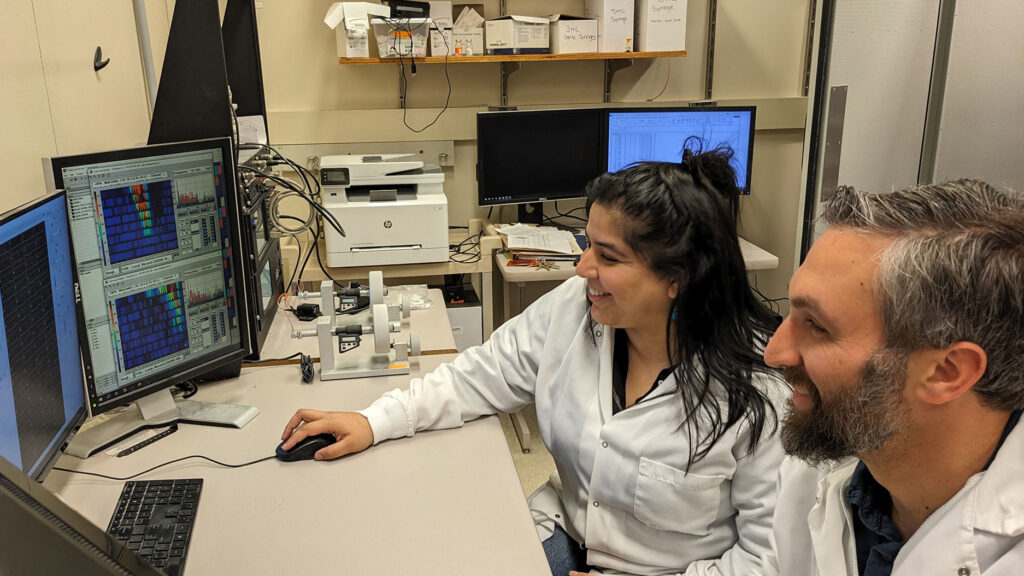
Exploring the Auditory System Therapeutic Target for Fragile X Syndrome
Auditory system therapeutic target for Fragile X syndrome research uses a rat model to connect excess protein synthesis with disrupted circuits and auditory hypersensitivity.

Identifying New Therapeutic Approaches Using a Human Fragile X Model
Human Fragile X syndrome model research identifies new therapeutic approaches by revealing how FMRP loss affects human neurons and brain circuits.
Cell Type-Specific Protein Dysregulation in Fragile X Syndrome Brain Organoids
Study finds that brain cell types respond differently to gene silencing, pointing to the need for customized treatment approaches in Fragile X.
METTL3 Inhibitors and FDA-Approved Drugs in a New Fragile X Treatment Strategy Using Organoids
Researchers are testing METTL3 inhibitors and FDA-approved drugs in brain organoids to explore new pathways for treating Fragile X and related disorders.
Gene Therapeutic Development for Fragile X Syndrome
Dr. Lee’s team is testing novel gene editing therapies for Fragile X, aiming to repair FMR1 and restore the missing protein — a promising new strategy which is targeted and reversible.
FMRP Regulatory Role in Human Hippocampal Development and Therapeutic Interventions in Fragile X
Fragile X syndrome hippocampal organoids show neuron–glia imbalance. This team will map disrupted gene networks and test PDE inhibitors to restore brain function.
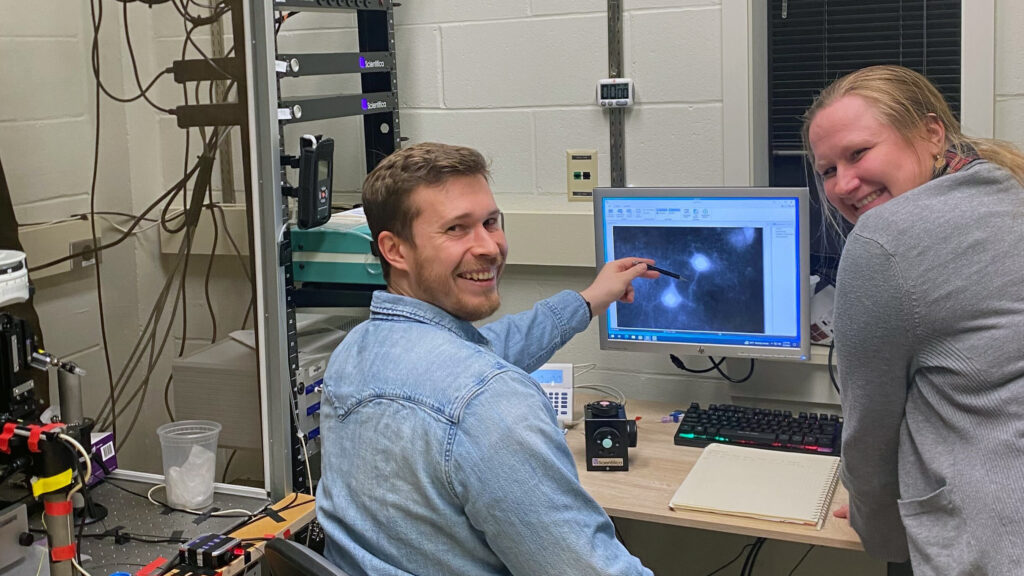
Roles of Postnatal Transient Connectivity in the Development of Fragile X Syndrome
This team is studying why people with Fragile X are overly sensitive to sound and light, using advanced imaging to find brain changes and test ways to prevent them.

Validate a Novel Antisense Oligonucleotide Therapeutic for Fragile X Syndrome
FRAXA funds Quiver Biosciences to validate a novel antisense oligonucleotide (ASO) therapy for Fragile X syndrome, targeting the root cause of the disorder.

ASO Rescue of FMR1 Mis-Splicing in Neurons and Mitigation of Fragile X Deficits
A new FRAXA grant funds UMass Chan researchers using ASOs in neurons and organoids to correct FMR1 mis-splicing and restore critical FMRP protein.
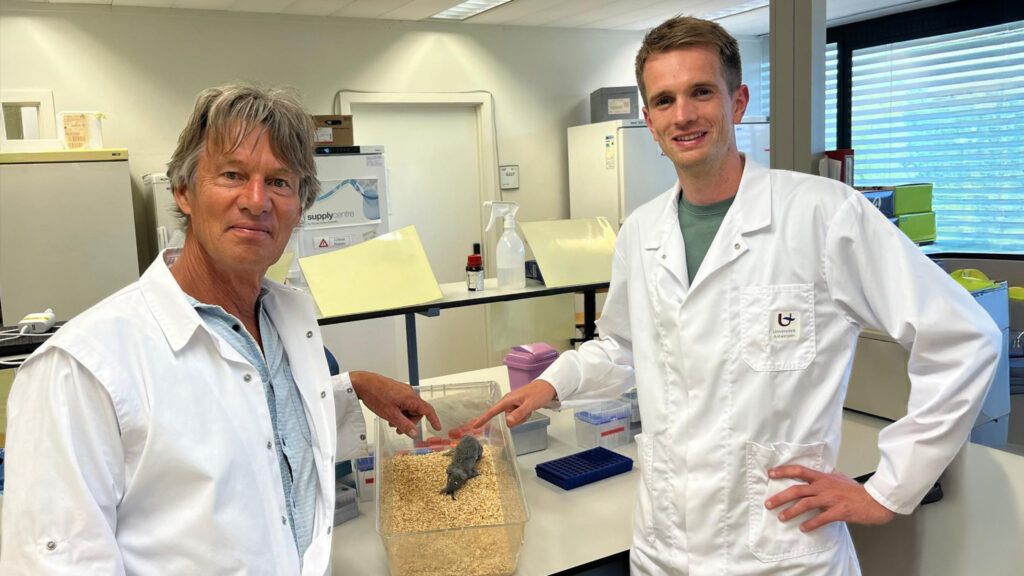
Evaluating Novel Drug Candidates for Fragile X Using the Live Mouse Tracker
This grant is funding AI-driven drug discovery, advanced mouse behavior tracking, and gene expression analysis to uncover new treatments for Fragile X syndrome.

Metabolic and Mitochondrial Crosstalk in Insulin and cAMP Pathways in Fragile X Syndrome
Fragile X syndrome research explores insulin and cAMP pathway crosstalk, mapping brain metabolism to guide treatment strategies.

Oligodendrocytes: a Potential Route to Treat Fragile X Syndrome
This project explores the role of oligodendrocytes in Fragile X. The team will test if improving these cells’ function can restore normal brain activity to treat Fragile X.
Sex Differences and the Role of Estrogen Receptors in Fragile X
Fragile X syndrome researchers are studying how estrogen receptors shape brain activity and may explain why males and females experience symptoms differently.