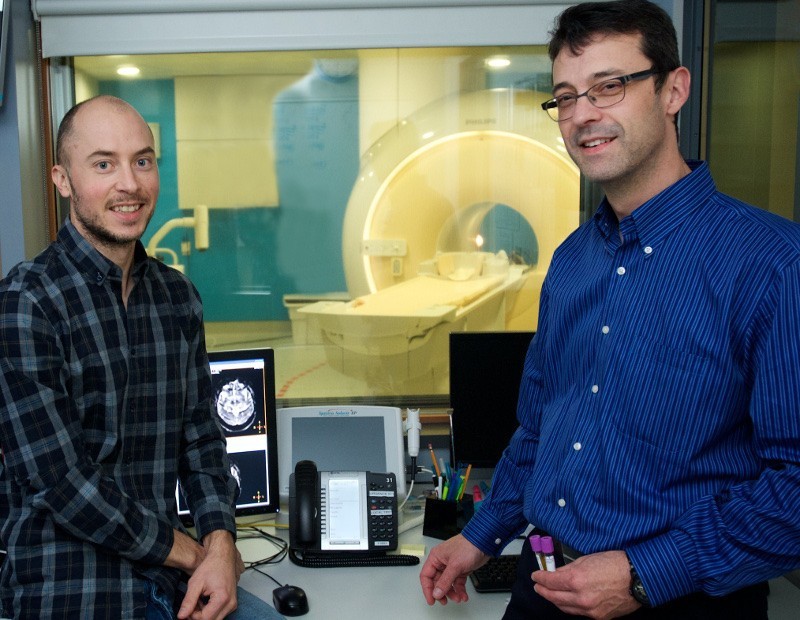
This team is studying why people with Fragile X are overly sensitive to sound and light, using advanced imaging to find brain changes and test ways to prevent them.
Drs. Emily Osterweil and Stephanie Barnes investigated NMDA receptor signaling and how rebalancing protein synthesis could correct Fragile X brain abnormalities.
This Stanford University team assessed combinatorial drug treatments to correct a broad spectrum of deficits observed in Fragile X syndrome. Results published.
This team believes inhibitory neurons expressing somatostatin are impaired in Fragile X. They will see if stimulating these neurons has therapeutic potential.
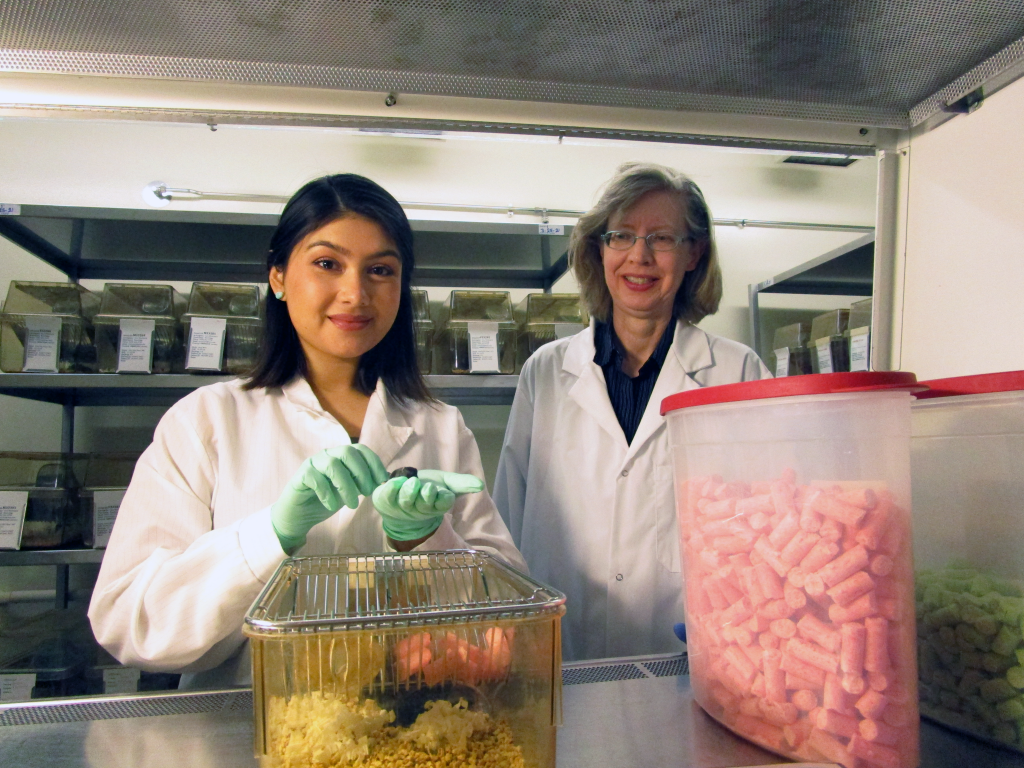
Dr. Cara Westmark’s team will use mice to determine if palatable Atkins-type diets can improve sleep and boost learning skills for those with Fragile X syndrome.
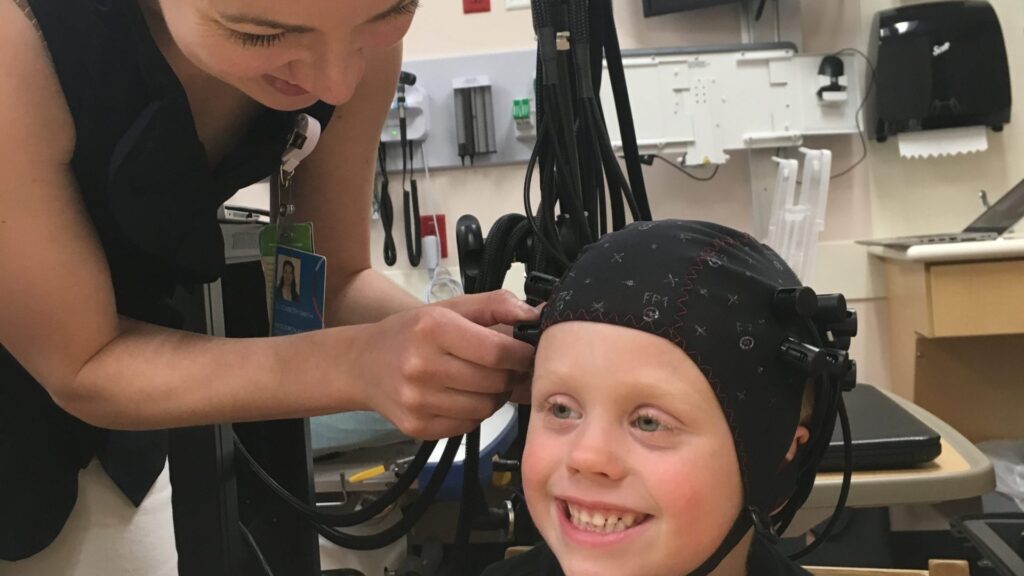
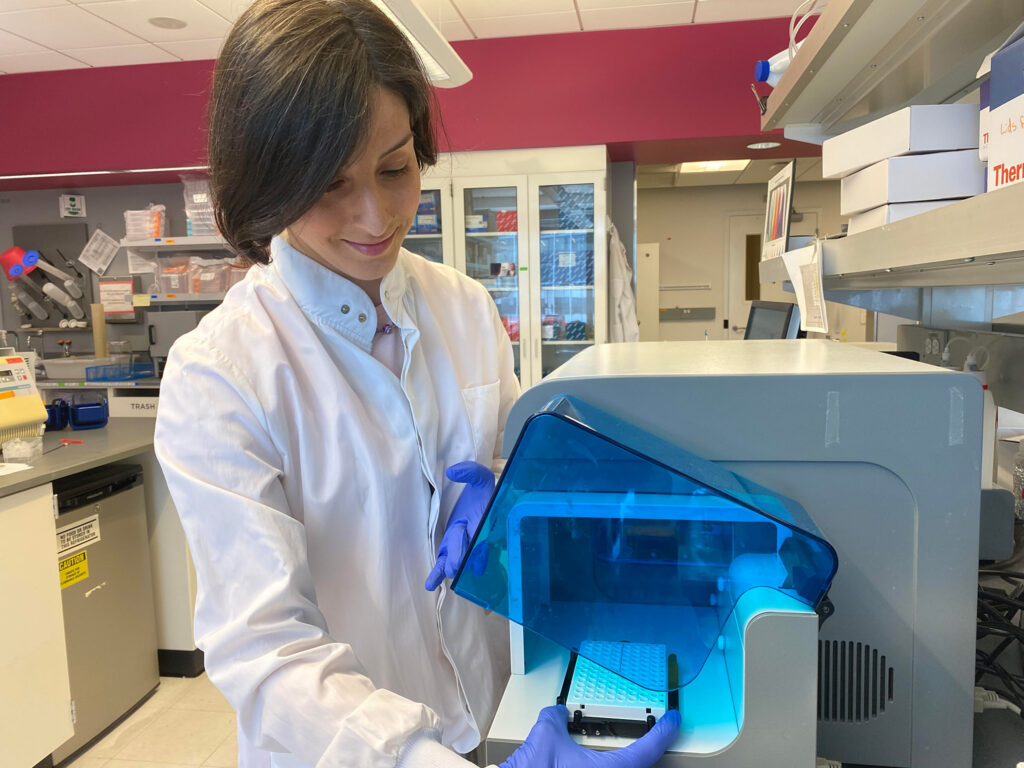
The team tested functional near-infrared spectroscopy (fNIRS). fNIRS uses light sources and sensors on the scalp to build a heat map of the brain in action.
This study tests whether blocking certain nicotine-sensitive receptors in the brain during adolescence can improve attention and cognition in Fragile X.
This project aims to reactivate the FMR1 gene to combat Fragile X Syndrome, with the goal of restoring vital protein function. This work is now funded by a new FRAXA grant.
Neurolixis’ new drug targets serotonin 1A receptors, showing promise in preclinical studies for Fragile X syndrome, funded by a FRAXA grant for future clinical trials.
A $200K FRAXA grant enabled a successful Phase 2 trial of a PDE4D inhibitor for adult men with Fragile X, showing strong cognitive gains without side effects or tolerance.
With this FRAXA grant, Dr. Carolyn B. Smith and Dr. Rache Sare at the National Institute of Mental Health investigated the basis of sleep problems in Fragile X syndrome.
The brain’s balance is maintained by two types of neurons: excitatory and inhibitory. This team has found fewer than normal inhibitory cells in Fragile X mice.
FRAXA-supported work has identified DgkK as a critical enzyme lost in Fragile X. Drugs that raise DgkK levels may correct brain signaling and improve symptoms.
Depression is common in Fragile X, but current antidepressants need FMRP to work. Researchers will screen FDA-approved drugs to find effective options for FXS.
Enhancing PKCε in early development normalized oxytocin, AMPAR signaling, and adult behavior in Fragile X mice, highlighting PKCε as a promising therapeutic target.
FRAXA funded the LovaMiX trial of lovastatin + minocycline for Fragile X. 2022 results show safety and support continued study of this dual-target treatment approach.
FRAXA-funded open-label trial found that metformin led to increased GABA-mediated cortical inhibition, suggesting metformin modulates core Fragile X pathways.