

Gene Therapy Translational Studies for Fragile X Syndrome
With FRAXA funding, researchers tested AAV gene therapy to restore FMRP in Fragile X mice, measuring safety, effectiveness, and brain activity to inform future trials.

Which is the right FMRP for Therapeutic Development of Fragile X Syndrome?
Many forms of FMRP exist in the brain. This project aims to pinpoint which versions of the protein are most critical to restore for effective Fragile X treatments.

Developmental Profile of Glutamatergic Synapses in Fragile X
A FRAXA fellowship helped reveal how glutamate receptors at synapses develop differently in Fragile X, offering clues to improve learning and memory.

Reintroducing FMRP via Tat to Reduce Symptoms of Fragile X Syndrome
A FRAXA-funded team found that a shortened FMRP protein, delivered with a Tat “carrier,” restores brain signaling and improves behavior in Fragile X mice.

Screening 2,320 FDA-Approved Drugs for Potential Treatment of Fragile X
FRAXA funded a screen of 2,320 FDA-approved compounds in the Fragile X fly model to identify hits that improve memory and social behavior for advanced testing.
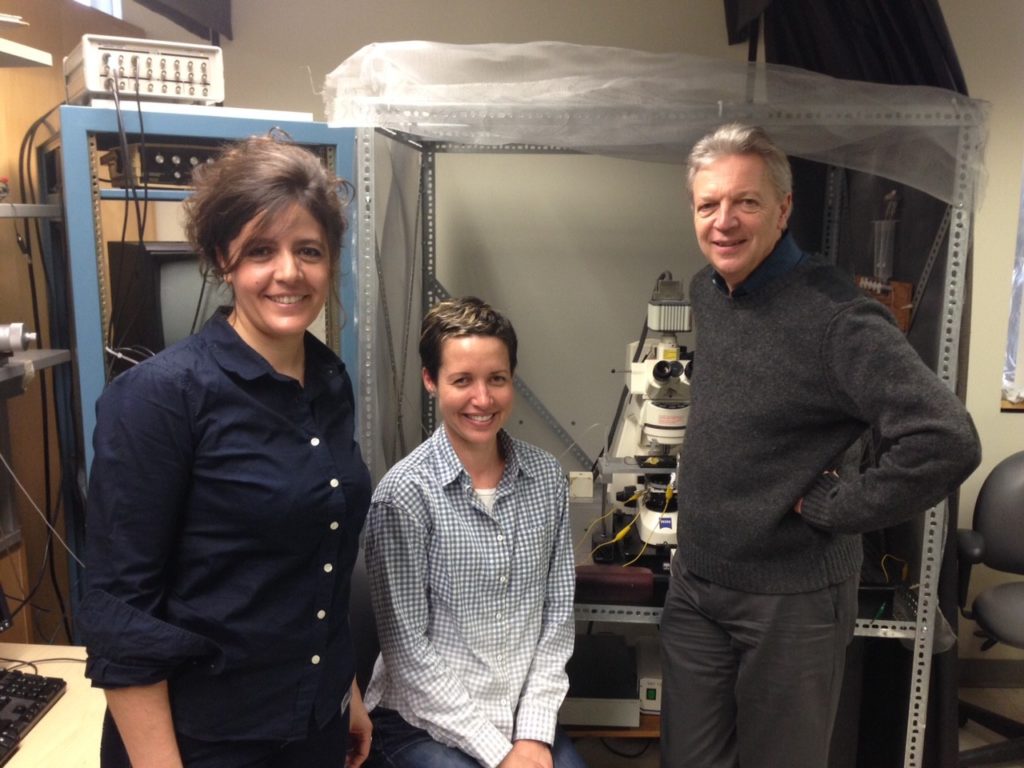
Novel Modulators of Potassium Channels to Treat Fragile X
FRAXA-funded Yale research showed disrupted Kv3.1 and Slack potassium channels impair neuronal timing in Fragile X. Published findings support Kv3.1 as a treatment target.

Autophagy is a Novel Therapeutic Target of Impaired Cognition in Fragile X Syndrome
FRAXA’s $90K grant enabled Dr. Zukin to link impaired autophagy to Fragile X. Boosting autophagy restored synaptic proteins and reversed cognitive deficits in mice.
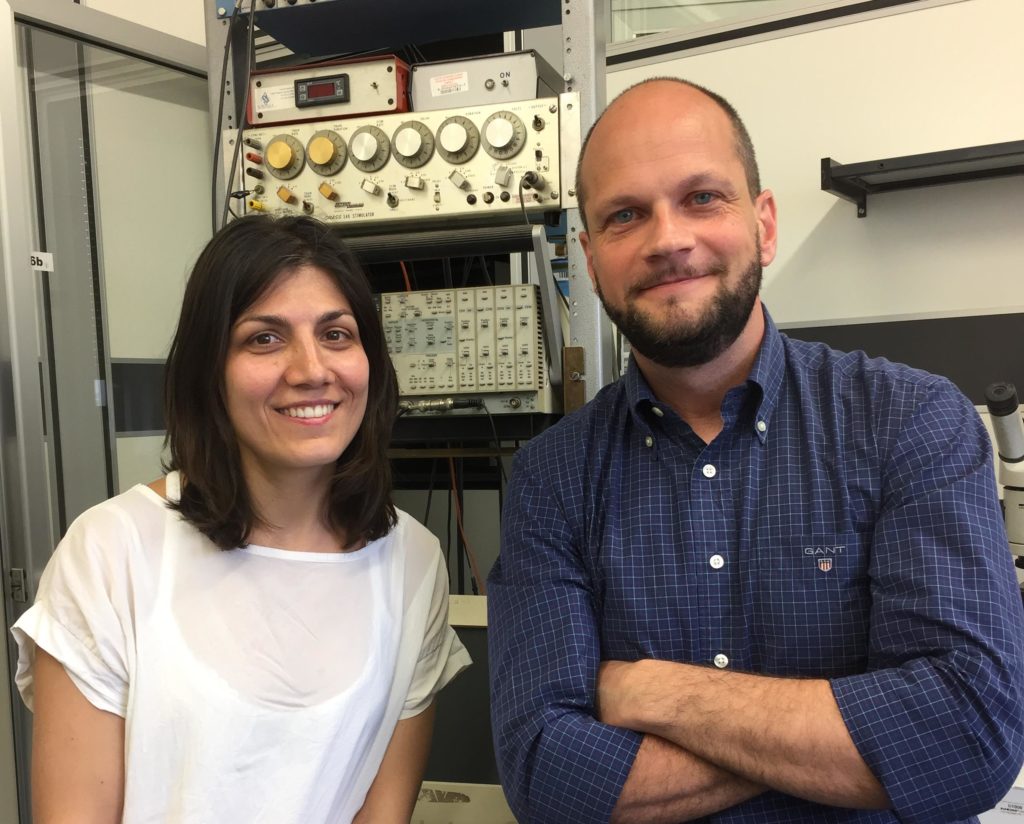
Coffee, Tea, and Chocolate: Adenosine Receptors in Fragile X
Could “caffeine-like” drugs help Fragile X? FRAXA funded research to test adenosine blockers, which may boost thinking and improve symptoms in Fragile X mice.

NKCC1 Inhibitor Bumetanide Corrects Synaptic and Circuit Hyperexcitability in Fragile X Mouse Model
Dr. Anis Contractor and Dr. Qionger He investigated the potential of the available drug bumetanide to correct altered GABA signalling in a mouse model of Fragile X syndrome.

Finding Fragile X Biomarkers – From Transcriptomics to Behavior in Patients
FRAXA funded a study using blood-based transcriptomics to find reliable Fragile X biomarkers. This unique approach links molecular data to behavior for future trials.

Research Points to Drugs which Inhibit PDE to Treat Fragile X
FRAXA-funded work identified PDE enzymes as key targets in Fragile X, showing that PDE inhibitors can fix signaling and boost synaptic function. PDE4D trials are underway.

Metformin and Aberrant Insulin Signaling in a Fragile X Mouse Model
FRAXA-funded research is revealing how insulin signaling is altered in Fragile X and whether lowering it, including with metformin, could ease symptoms.
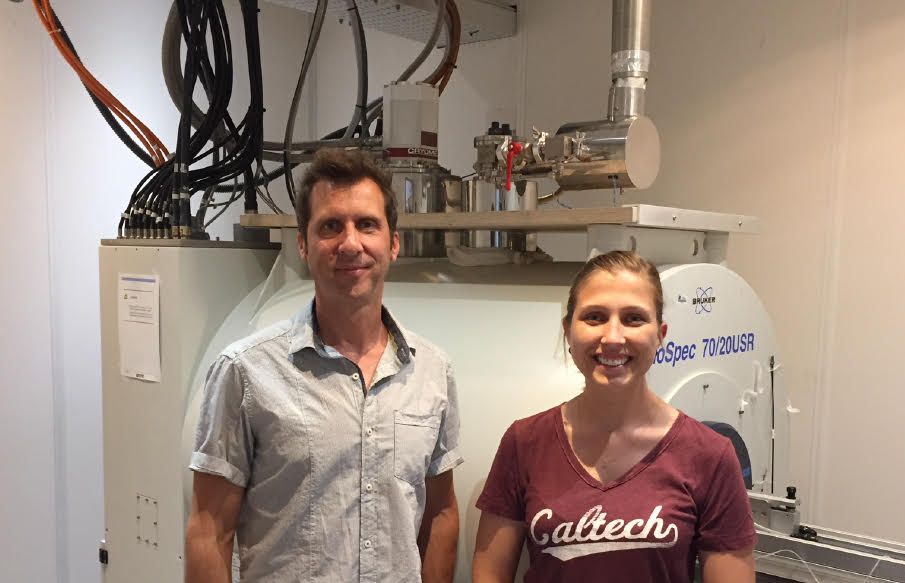
Non-Invasive Imaging as a Biomarker for Fragile X Clinical Trials
FRAXA funded MRI research to track brain connectivity changes in Fragile X. This could yield objective biomarkers for testing treatments in mice and humans.

Activity-Dependent Translational Profiling in Fragile X Neurons
FRAXA funded new tools at UC Berkeley to track which proteins Fragile X neurons make during signaling, to find targets that improve learning and brain function.
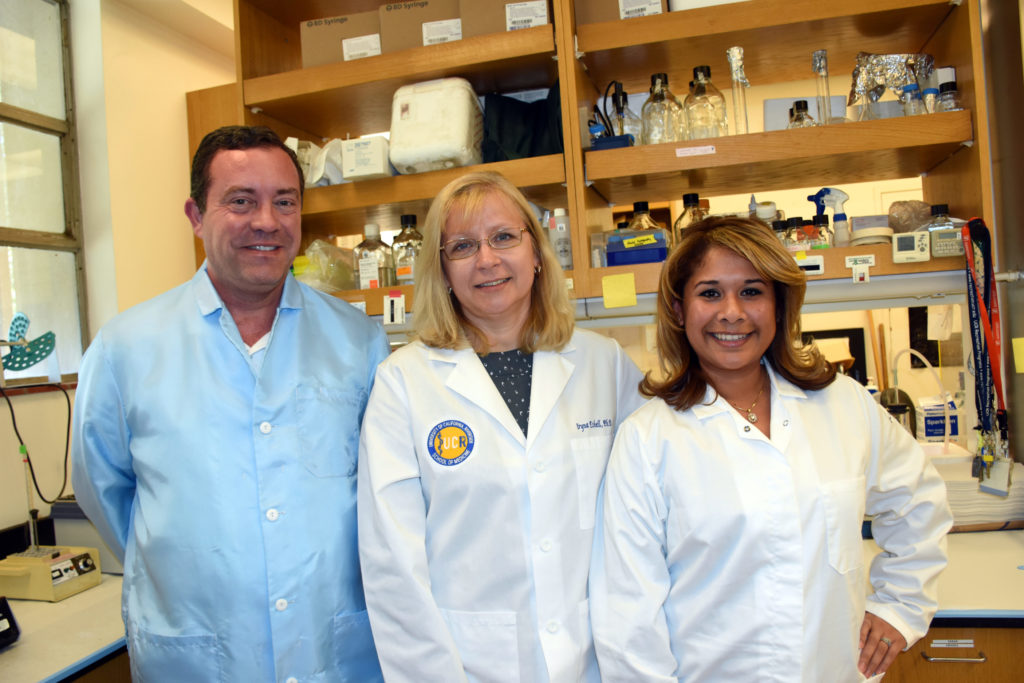
Understanding and Reversing Hypersensitivity to Sounds in Fragile X Syndrome
This FRAXA grant studied why people with Fragile X are overly sensitive to sound and tested drug strategies to calm the brain’s overactive auditory circuits.

Three-Dimensional Model for Identifying Fragile X Treatments
With a $90K FRAXA grant, Emory scientists are creating Fragile X brain organoids—3D human cell models—to reveal disease mechanisms and guide new treatments.
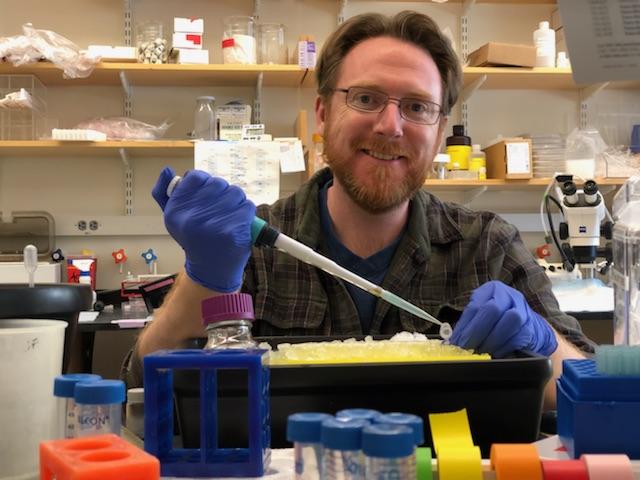
Pharmacological Tolerance in the Treatment of Fragile X Syndrome
FRAXA funded MIT work to probe tolerance to key Fragile X drugs, including mGluR5 inhibitors and arbaclofen, and to identify ways to sustain long-term treatment benefits.

Repurposing Study II: Evaluating Combinations of Drugs to Treat Fragile X
FRAXA partnered with Healx to use AI to find approved drugs and drug combos that could treat Fragile X. Top candidates are now being tested in Fragile X models.

Fragile X Clinical Trial of AZD7325 in Adults
FRAXA funded a trial of AZD7325, a drug that boosts GABA(A), in adults with Fragile X. Led by Dr. Craig Erickson, it also tested innovative biomarkers for future trials.

Effects of Metformin in Fmr1 Knockout Mouse Model of Fragile X Syndrome
Metformin, a safe diabetes drug, activates AMPK to rebalance protein synthesis. FRAXA-funded work investigated its potential to treat Fragile X.

Combinatorial Drug Treatment in a Model of Fragile X Syndrome using Novel Biomarkers
University of California researchers Khaleel Razak, PhD, and Jonathan W. Lovelace, PhD, explored drug combinations to limit hypersensitivity to sounds in Fragile X mice.

Quantitative Assessment of the Serotonin System in a Mouse Model of Fragile X Syndrome
FRAXA funded Dr. Canal to investigate how different serotonin receptors function in Fragile X, to guide smarter use of serotonin-targeting treatments.

Targeted Transcriptional Reactivation of FMR1 in Fragile X Syndrome Stem Cells
FRAXA funded Dr. Peter Todd to use CRISPR to reactivate FMR1. Published results confirmed restored gene expression, a big step toward disease-modifying therapy.
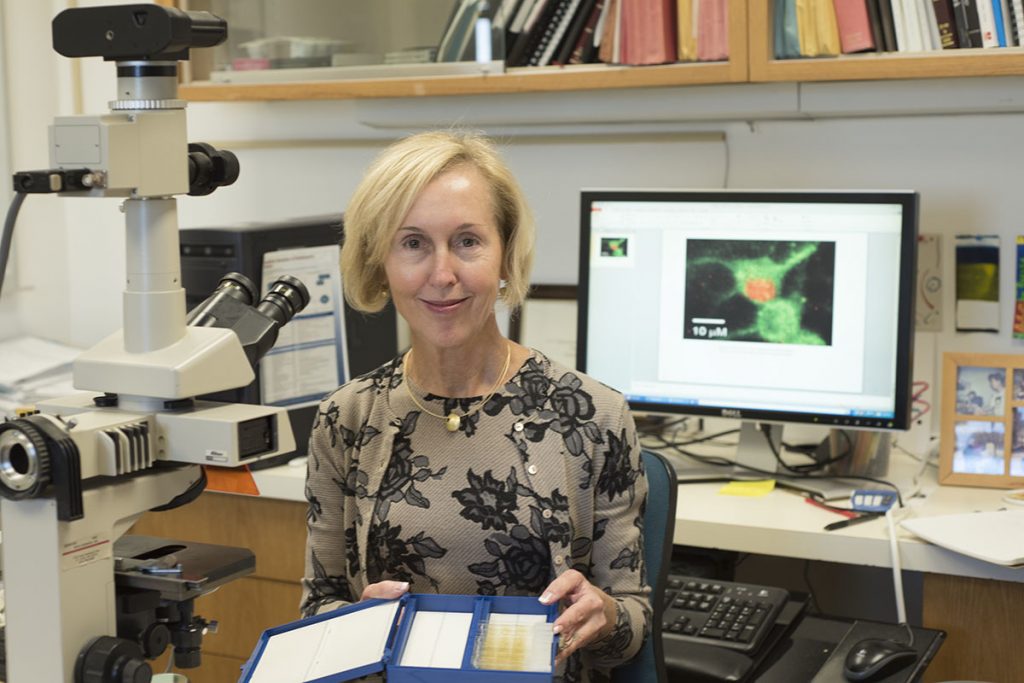
Defining Subcellular Specificity of Metabotropic Glutamate Receptor (mGluR5) Antagonists
This study showed that selectively targeting mGluR5 receptors in specific neuronal compartments can correct distinct Fragile X synaptic defects, improving precision therapy.