
2021 Fragile X Research Grants Funded by FRAXA Research Foundation
Each year, FRAXA funds a diverse portfolio of research. FRAXA Fellowships and Grants are seed funding for the future, the feedstock for the Fragile X treatment development pathway.

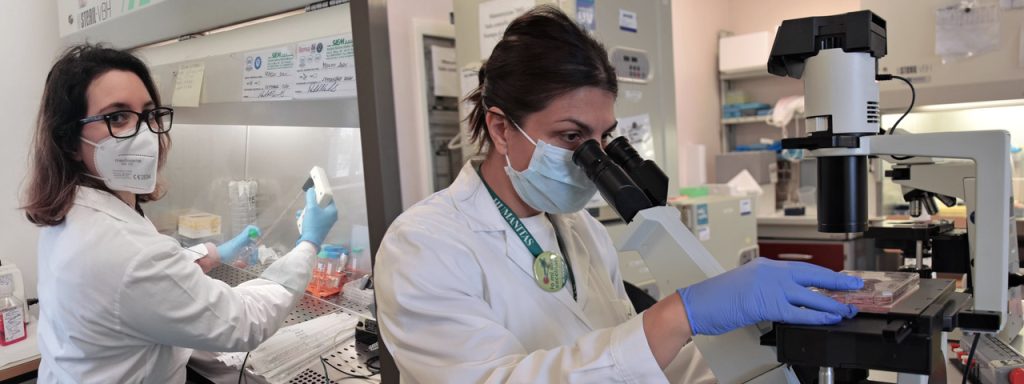
Inhibiting Nonsense – Mediated mRNA Decay: A Potential Treatment Approach for Fragile X
This team previously discovered runaway nonsense-mediated mRNA decay (NMD) in cells of Fragile X patients. They will now test drugs to reduce NMD.
Alternative Splicing in White Blood Cells: A Biomarker for Fragile X Syndrome
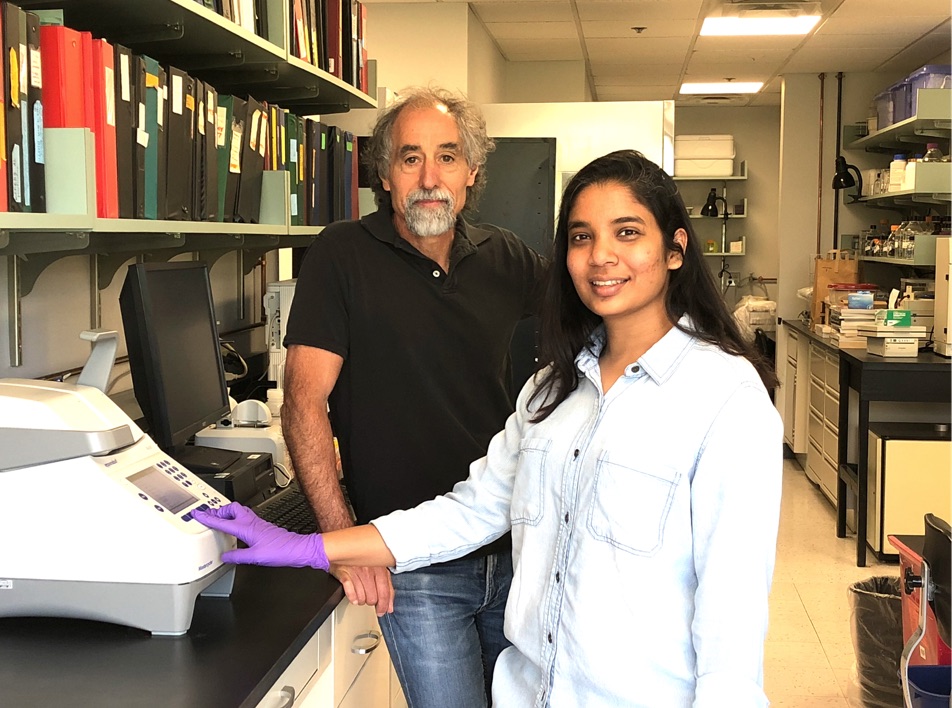
This team found 1,600 blood-based Fragile X biomarkers that vary by individual—opening the door to personalized treatment and better ways to measure progress.

Beneath the Surface of Fragile X Syndrome: Study Sheds Light on What’s Happening in Nerve Cells
Lynne Maquat discovered that many irregularities in cells that lack FMRP are due to misregulated nonsense-mediated mRNA decay, or NMD. Results published.
COVID-19 Vaccines Pose Little Risk to Rare Disease Patients, FDA, CDC Say
COVID-19 vaccines recently approved worldwide are expected to pose little risk to the rare disease community, including Fragile X patients.
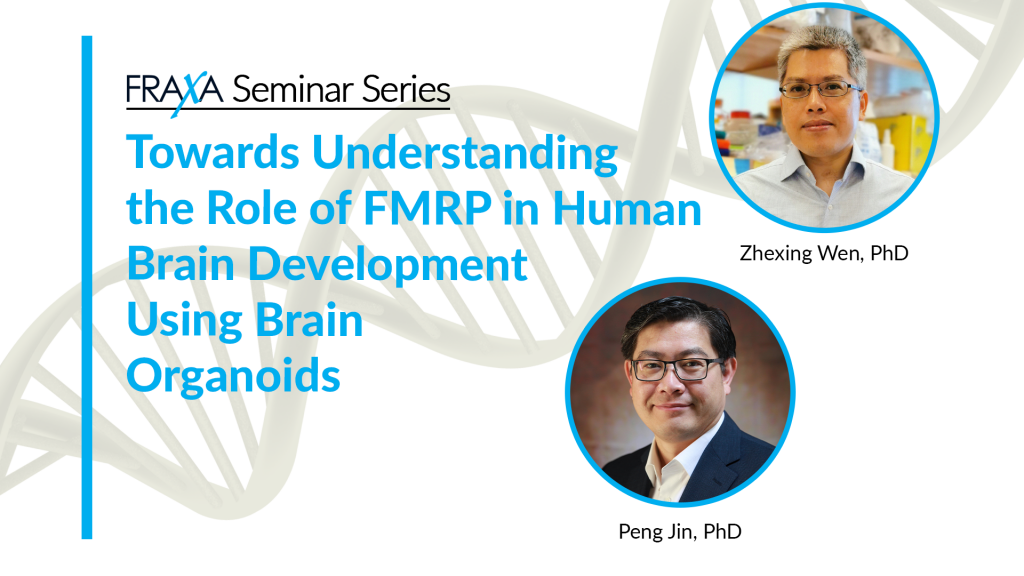
Towards Understanding the Role of FMRP in Human Brain Development Using Brain Organoids
Dr. Zhexing Wen and Dr. Peng Jin at Emory University School of Medicine join us in this seminar to present Understanding the Role of FMRP in Human Brain Development Using Brain Organoids.

MicroRNAs as Biomarkers in Fragile X Syndrome
The team at Johns Hopkins University studied groups of small RNAs, known as microRNAs, which are greatly decreased in brain tissue of Fragile X mice vs. normal controls.

Potassium Channel Modulators to Treat Fragile X
FRAXA-backed Yale discoveries tied Fragile X to Kv3.1/Slack channel defects—leading to a partnership with Autifony to develop targeted treatments.
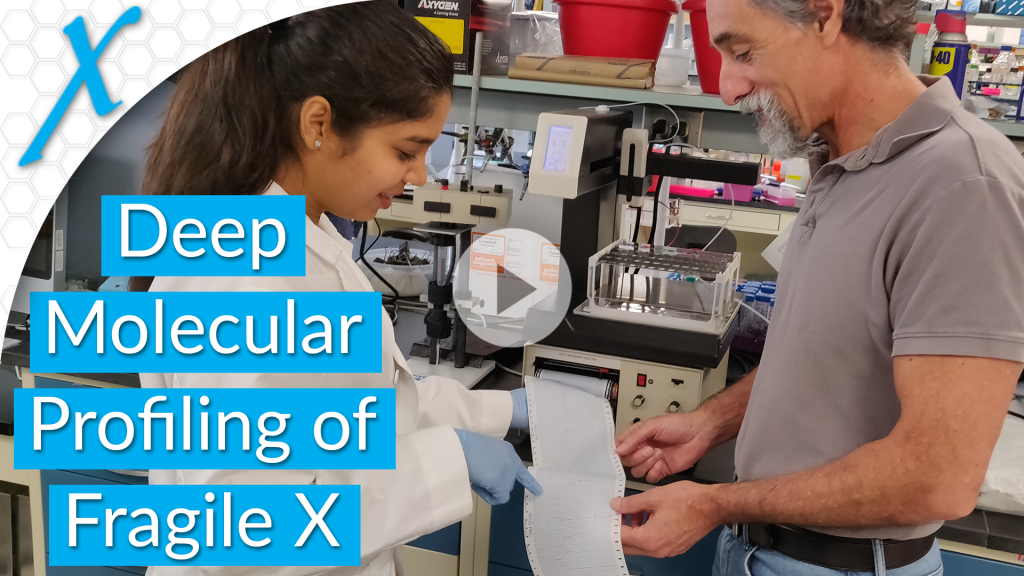
Deep Molecular Profiling of Fragile X Mouse and Human Cells
Studying human Fragile X neurons from stem cells revealed key gene changes not seen in mice—showing why some treatments failed and guiding better future therapies.

Targeting Mitochondria in Human Fragile X Syndrome Neurons
Fragile X brain cells have fewer, smaller mitochondria. This team tested mitochondria-boosting drugs that improved symptoms in mice to see if they can help humans.
Coffee, Tea, and Chocolate: Adenosine Receptors in Fragile X
Could “caffeine-like” drugs help Fragile X? FRAXA funded research to test adenosine blockers, which may boost thinking and improve symptoms in Fragile X mice.

Finding Fragile X Biomarkers – From Transcriptomics to Behavior in Patients
FRAXA funded a study using blood-based transcriptomics to find reliable Fragile X biomarkers. This unique approach links molecular data to behavior for future trials.

Research Points to Drugs which Inhibit PDE to Treat Fragile X
FRAXA-funded work identified PDE enzymes as key targets in Fragile X, showing that PDE inhibitors can fix signaling and boost synaptic function. PDE4D trials are underway.

How Promising is CRISPR for Fragile X?
Peter Todd, MD, PhD, Assistant Professor in the Department of Neurology in the University of Michigan Medical School, was awarded a FRAXA Research Grant for gene reactivation with the use of CRISPR. In this interview he tells us about CRISPR in Fragile X research, how realistic is it that it could turn the Fragile X gene back on, and if it can really cure Fragile X.

Effects of Metformin in Fmr1 Knockout Mouse Model of Fragile X Syndrome
Metformin, a safe diabetes drug, activates AMPK to rebalance protein synthesis. FRAXA-funded work investigated its potential to treat Fragile X.
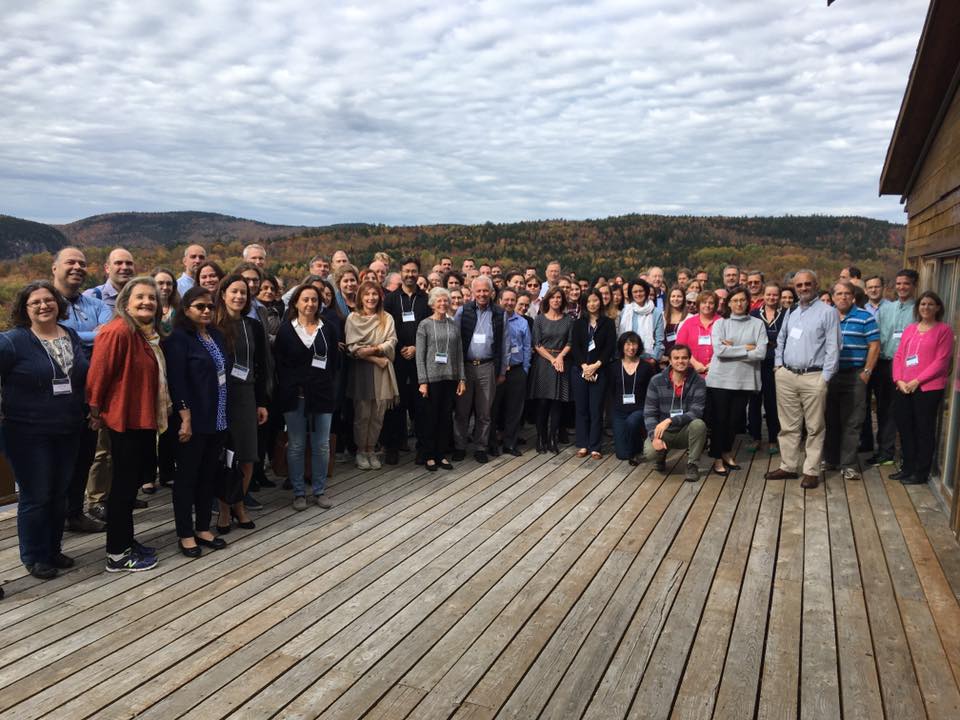
In Their Own Words: Reports From the International Fragile X Workshop
The 18th International Fragile X Workshop in Quebec was a great success, featuring more Fragile X research than ever before!

Targeted Transcriptional Reactivation of FMR1 in Fragile X Syndrome Stem Cells
FRAXA funded Dr. Peter Todd to use CRISPR to reactivate FMR1. Published results confirmed restored gene expression, a big step toward disease-modifying therapy.

Fragile X Nervous (System) Breakdown
Dr. Lynn Maquat’s research shows Fragile X disrupts neuron maturation and RNA regulation, impairing brain signaling—pointing to new targets like NMD for drug development.

Fragile X Mutant Mouse Models
With $375,000 in grants from FRAXA, Dr. David Nelson developed an array of advanced mouse models of Fragile X. These models are available at Jackson Labs (JAX).
Repurposing Drugs to Dampen Hyperactive Nonsense-Mediated Decay in Fragile X Syndrome
FRAXA-funded research showed nonsense-mediated mRNA decay is overactive in Fragile X, pointing to existing NMD-suppressing drugs like caffeine as potential treatments.

Boston Bruins Grant Funds New Fragile X Research
The Bruins Foundation pledged $90K to FRAXA, funding new Fragile X research at Gateway Farm in Merrimac, MA.

Inhibitors of STEP as a Novel Treatment of Fragile X Syndrome
STEP inhibition reversed behavioral and synaptic Fragile X deficits in mice (Neuropharmacology, 2018), highlighting STEP as a promising treatment target.
Molecular Mechanisms of Cytoskeletal Regulation by FMRP
With FRAXA funding, Dr. Jaffrey linked FMR1 loss to abnormal dendritic spines via RhoA signaling, suggesting RhoA-targeted therapies could help treat Fragile X.

Functional Interplay Between FMRP and CDK5 Signaling
FRAXA-funded work showed CDK5 signaling is disrupted in Fragile X. CDK5 drugs are in development for Alzheimer’s so this pathway offers a promising new FX treatment angle.