
Systematic Identification of Molecular Mechanisms Underlying Fragile X Syndrome Cellular Phenotypes in Human Neurons and Brain Organoids
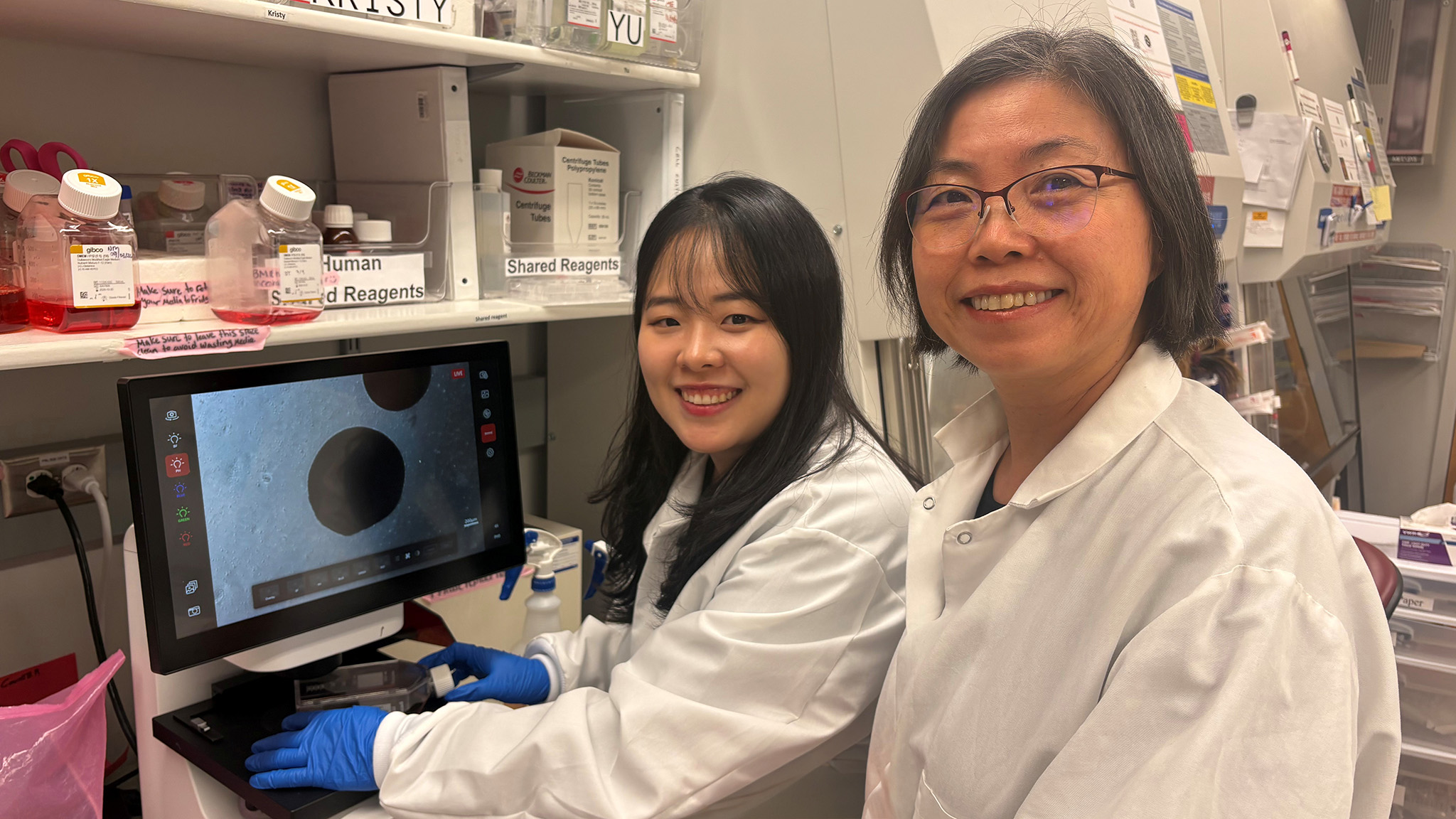
Xinyu Zhao, PhD
Principal Investigator
Jiyoun Lee, MS
FRAXA Fellow
Lingjun Li, PhD
Collaborator
University of Wisconsin-Madison
Madison, WI
2026-2027 Grant Funding: $100,000
Summary
This project explores why brain cells develop more slowly in Fragile X syndrome and tests whether correcting specific proteins involved in mitochondrial function can help restore normal development. By identifying the key molecular problems caused by loss of FMRP, and testing ways to reverse them in human brain organoid models, the researchers aim to uncover new treatment targets that could improve learning and brain function in Fragile X.
The Science
by Jiyoun Lee and Xinyu Zhao, PhD
Fragile X syndrome (FXS) is caused by the loss of FMRP, an RNA-binding protein that regulates the expression of many RNAs and proteins important for brain development. However, we still do not understand how losing FMRP leads to impaired neurodevelopment.
Using human stem cell-derived neurons and organoids, we found that Fragile X cells show mitochondrial dysfunction, abnormal cell genesis, and delayed neuronal maturation. Because mitochondria provide the energy needed for neuron development and function, these abnormalities may play an important role in Fragile X brain development.
In this project, we will systematically test proteins that interact with FMRP or are abnormally expressed in Fragile X neurons to determine which ones contribute to these cellular defects.
We will first use CRISPR-based genetic screens in Fragile X organoids to adjust the expression of these proteins and assess whether those changes help restore cellular function. We will also test whether potential pharmacological treatments that enhance mitochondrial function depend on these proteins.
This study is designed to identify new therapeutic targets by focusing on the proteins responsible for neuronal and mitochondrial defects in Fragile X syndrome. It will also help advance our understanding of the cellular mechanisms involved in Fragile X syndrome, with the goal of supporting future treatment research.