
Untangling the Mystery of Sensory Overload in Fragile X Syndrome
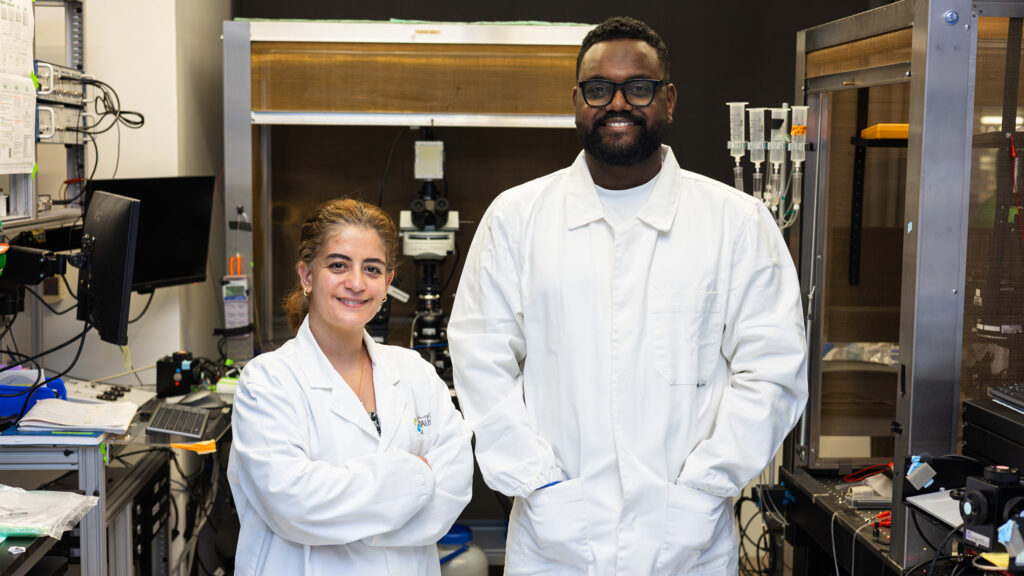
Leena Ibrahim, PhD
Principal Investigator
Deyl S. Djama, PhD
FRAXA Postdoctoral Fellow
King Abdullah University of Science and Technology
Thuwal, Saudi Arabia
2026-2027 Grant Funding: $100,000
Summary
This project investigates how changes in communication between the thalamus and the sensory cortex contribute to sensory processing difficulties in Fragile X syndrome. By identifying a newly recognized, sex-specific dysfunction in thalamic signaling and testing ways to correct it in animal models, the researchers aim to open a new path toward circuit-level treatments for sensory symptoms in Fragile X.
The Science
by Deyl S. Djama, PhD, and Leena Ibrahim, PhD
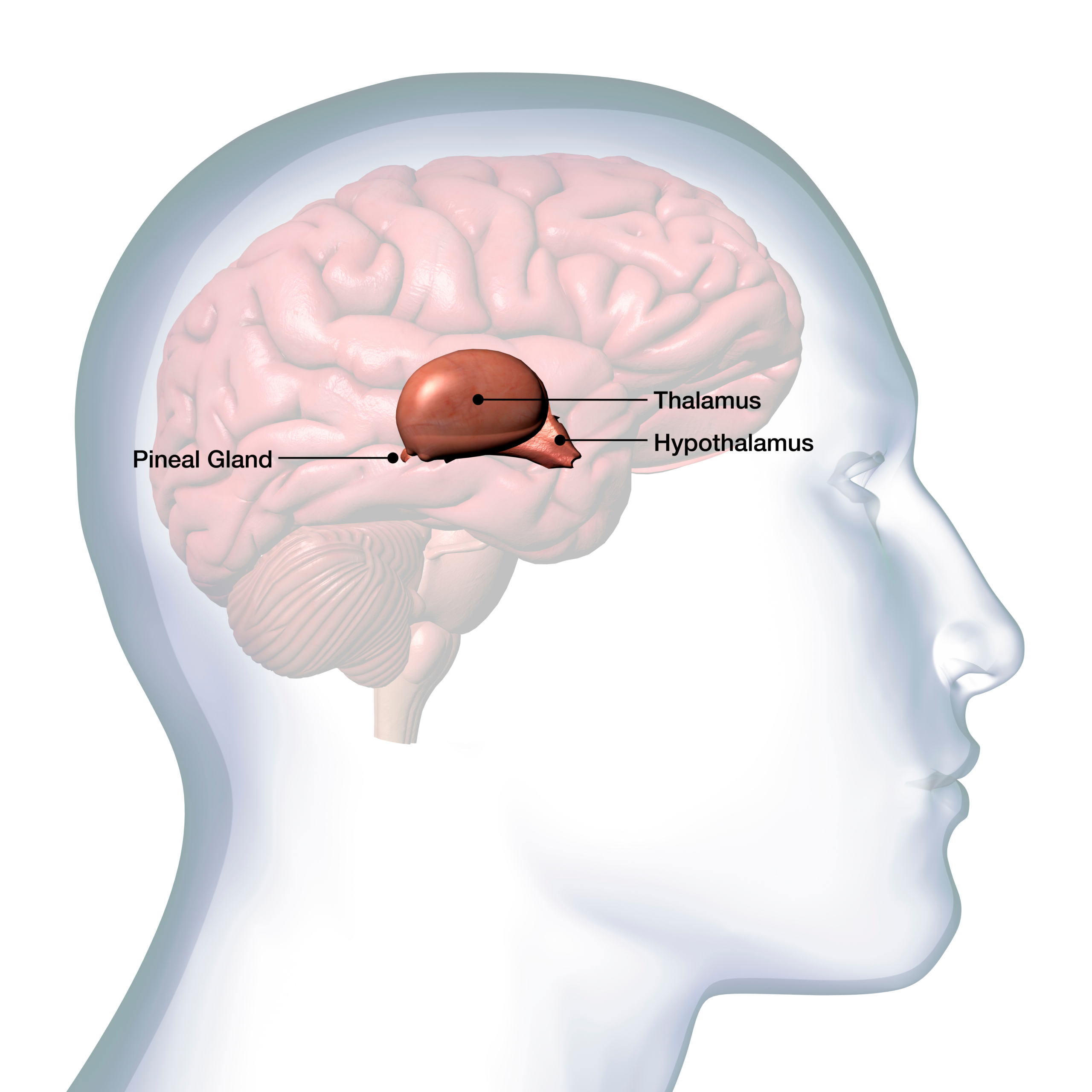
One of the major challenges in Fragile X syndrome is impaired sensory information processing, which can significantly affect daily functioning and quality of life. Previous studies have shown that this may result from increased excitability of neurons in the sensory cortex. However, the role of the thalamus, the brain region that provides major input to the cortex, has received much less attention. We have identified a previously unrecognized thalamic dysfunction involving impaired excitability of thalamic relay neurons in a sex-specific manner.
Using state-of-the-art functional and molecular tools, we will examine how inhibitory neurons in the thalamus influence communication between the thalamus and sensory cortex and whether correcting these circuit changes can improve behavior in animal models. By shifting the focus from cortex-centered models to thalamocortical circuit dynamics, this project aims to establish a new framework for understanding sensory processing differences in fragile X syndrome and to identify new circuit-level therapeutic targets.
Meet the Scientists
Leena Ibrahim, PhD studies how sensory information travels through the brain. At KAUST in Saudi Arabia, her laboratory investigates the neural circuits that connect the thalamus and cortex. Her team has uncovered a previously unknown abnormality in thalamic function in Fragile X syndrome, opening a new direction for research into sensory symptoms.
Deyl S. Djama, PhD is a FRAXA Postdoctoral Fellow studying how sensory signals are processed in the brain. His work suggests that Fragile X may involve dysfunction not only in the cortex, where researchers have traditionally focused, but also in the thalamus, the brain's major sensory relay center.
This Team's Unique Approach
Most Fragile X research has focused on individual neurons or the cortex. Drs. Ibrahim and Djama are exploring a different possibility: that sensory symptoms arise from disrupted communication between the thalamus and cortex. If confirmed, their findings could reveal entirely new therapeutic targets for improving sensory processing in Fragile X syndrome.