
TFEB-Mediated Activation of the Autophagy-Lysosome Pathway in Dopaminergic Neurons in Fragile X Syndrome
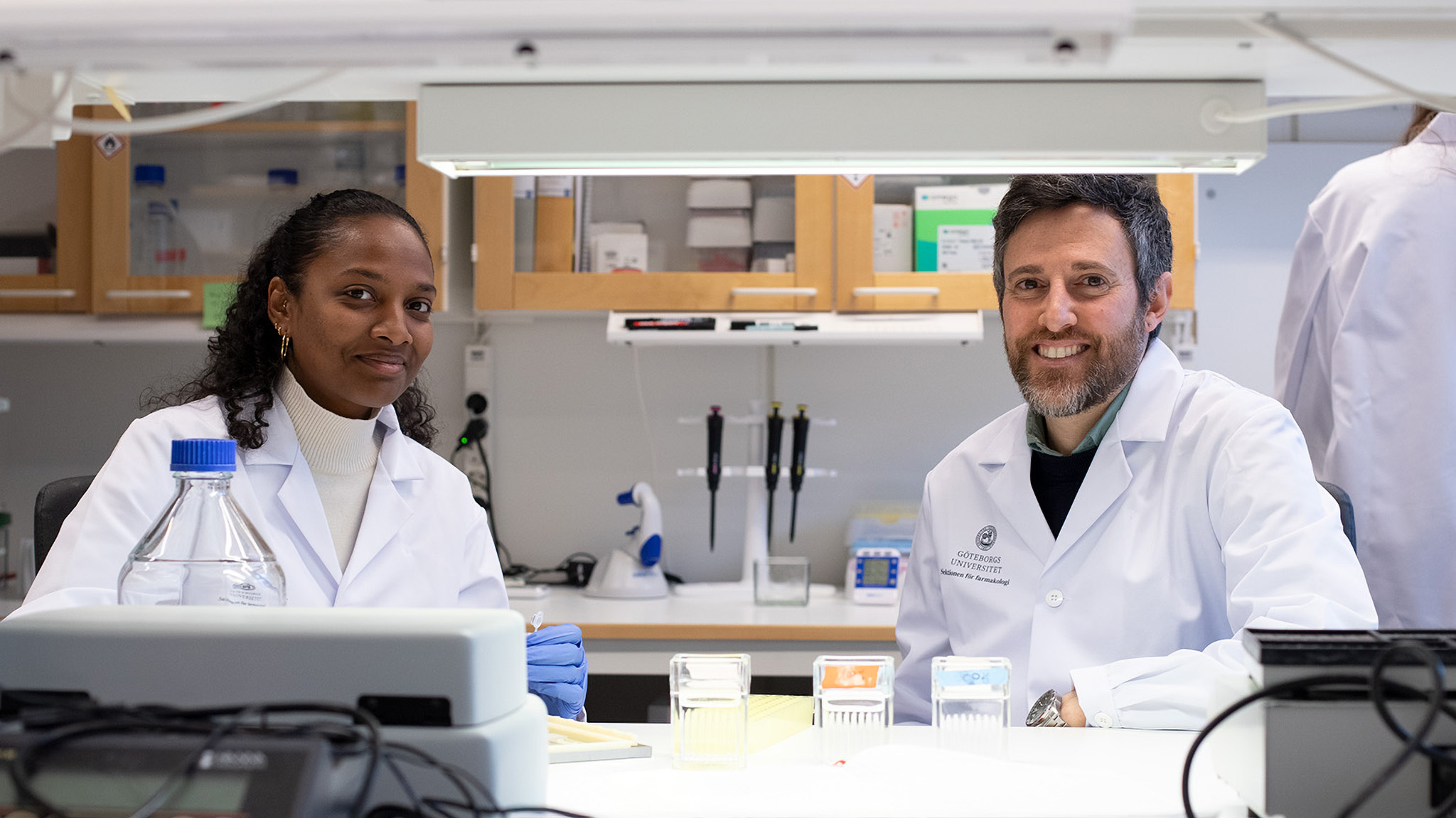
Francesco Longo, PhD
Principal Investigator
Charlène Perian, PhD
FRAXA Postdoctoral Fellow
University of Gothenburg
Gothenburg, Sweden
2026-2027 Grant Funding: $100,000
Summary
This team will investigate whether problems in the autophagy-lysosome pathway contribute to altered dopamine signaling and behavioral inflexibility in fragile X syndrome. Using mouse models, the researchers will test whether activating TFEB can restore dopamine function and improve behavioral flexibility, highlighting a potential new therapeutic approach for Fragile X.
The Science
by Charlene Perian, PhD, and Francesco Longo, PhD
Individuals with Fragile X syndrome (FXS) often experience behavioral inflexibility, including repetitive behaviors and difficulty adapting to change, which can significantly affect daily life for both individuals and their families. This project examines whether problems in the autophagy-lysosome pathway (ALP) — a system that helps brain cells clear excess proteins — contribute to altered dopamine signaling and behavioral rigidity in Fragile X. Given the central role of dopamine signaling in motivation, learning, and behavioral flexibility, disruptions in this system may contribute directly to the behavioral symptoms seen in Fragile X syndrome.
Using mouse models, this study will investigate whether boosting autophagy through a key regulator called TFEB can restore dopamine function and improve behavioral flexibility. By targeting this fundamental cellular process, the study aims to identify a promising new therapeutic strategy that could make daily life easier for individuals with Fragile X syndrome.
“We are trying to understand why the brain has greater difficulty shifting between behaviors in Fragile X syndrome and which biological mechanisms underlie these difficulties.”
Francesco Longo, PhD
University of Gothenburg
Source: "University of Gothenburg article"