
Effects of Metformin in Fmr1 Knockout Mouse Model of Fragile X Syndrome
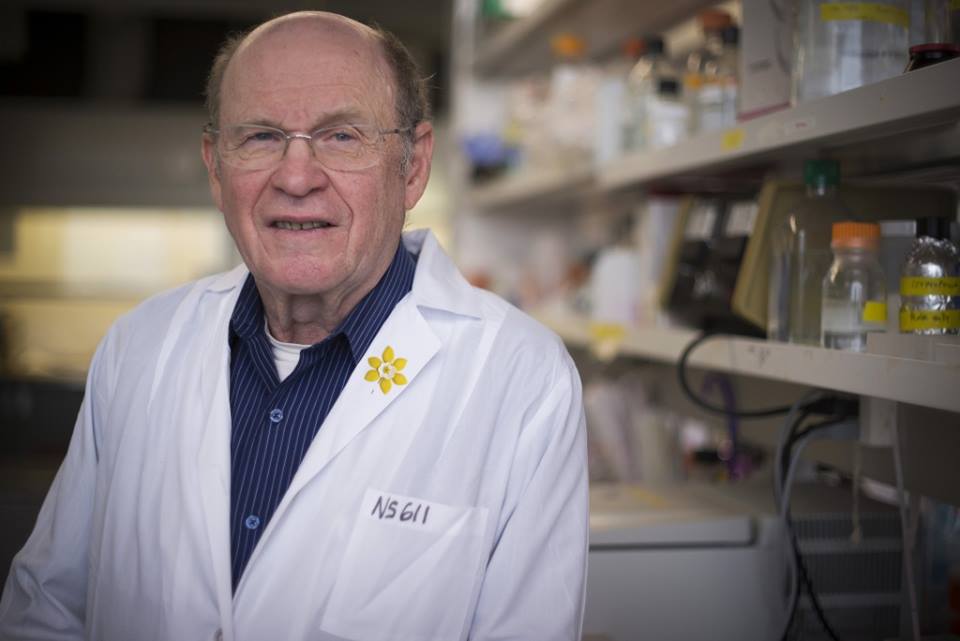
Nahum Sonenberg, PhD
Principal Investigator
McGill University
Montreal, Canada
2015-2016 Grant Funding: $100,000
Summary
Dr. Sonenberg will explore the potential of metformin, a potential off-the-shelf treatment for Fragile X.
The Results
Published in 2017: Metformin ameliorates core deficits in a mouse model of fragile X syndrome
The team reported that trinucleotide repeat expansions in FMR1 abolish FMRP expression, leading to hyperactivation of ERK and mTOR signaling upstream of mRNA translation. They found that metformin, the most widely used drug for type 2 diabetes, rescues core phenotypes in Fmr1-/y mice and selectively normalizes ERK signaling, eIF4E phosphorylation and the expression of MMP-9.
Since this project, metformin has been tested in several clinical trials as a potential FXS therapeutic.
The Science
Mis-regulation of activity-dependent protein synthesis is one of the major cellular abnormalities found in Fragile X. Upstream neuronal signaling regulates a large cluster of enzymes called the mTORC1 complex, which in turn regulates protein synthesis. This complex is also controlled by cellular energy levels via the metabolic sensor AMP-activated Protein Kinase (AMPK). AMPK is a highly conserved kinase that is activated under conditions of energy stress, when intracellular ATP levels decline and intracellular AMP increases. AMPK normally mediates mTORC1 suppression, but AMPK appears to be decreased in Fragile X.
Metformin, an FDA-approved drug, is widely used as a first-line therapy for type 2, and is a well known activator of AMPK. It controls gene expression at the level of mRNA translation, comparable to the mTORC1 inhibitor rapamycin. This project will explore the potential of metformin and related compounds to rescue known abnormalities in Fragile X knockout mice, and investigate its therapeutic potential. Side effects of metformin in patients are rare, even with chronic administration, so this is a potential off-the-shelf treatment for Fragile X.
Grant Post Revisions
- 2015/02 - Original grant post published.
- 2017/11 - Results published.