Pharmacological Activation of PGC-1α as a Novel Therapeutic Approach for Fragile X Syndrome
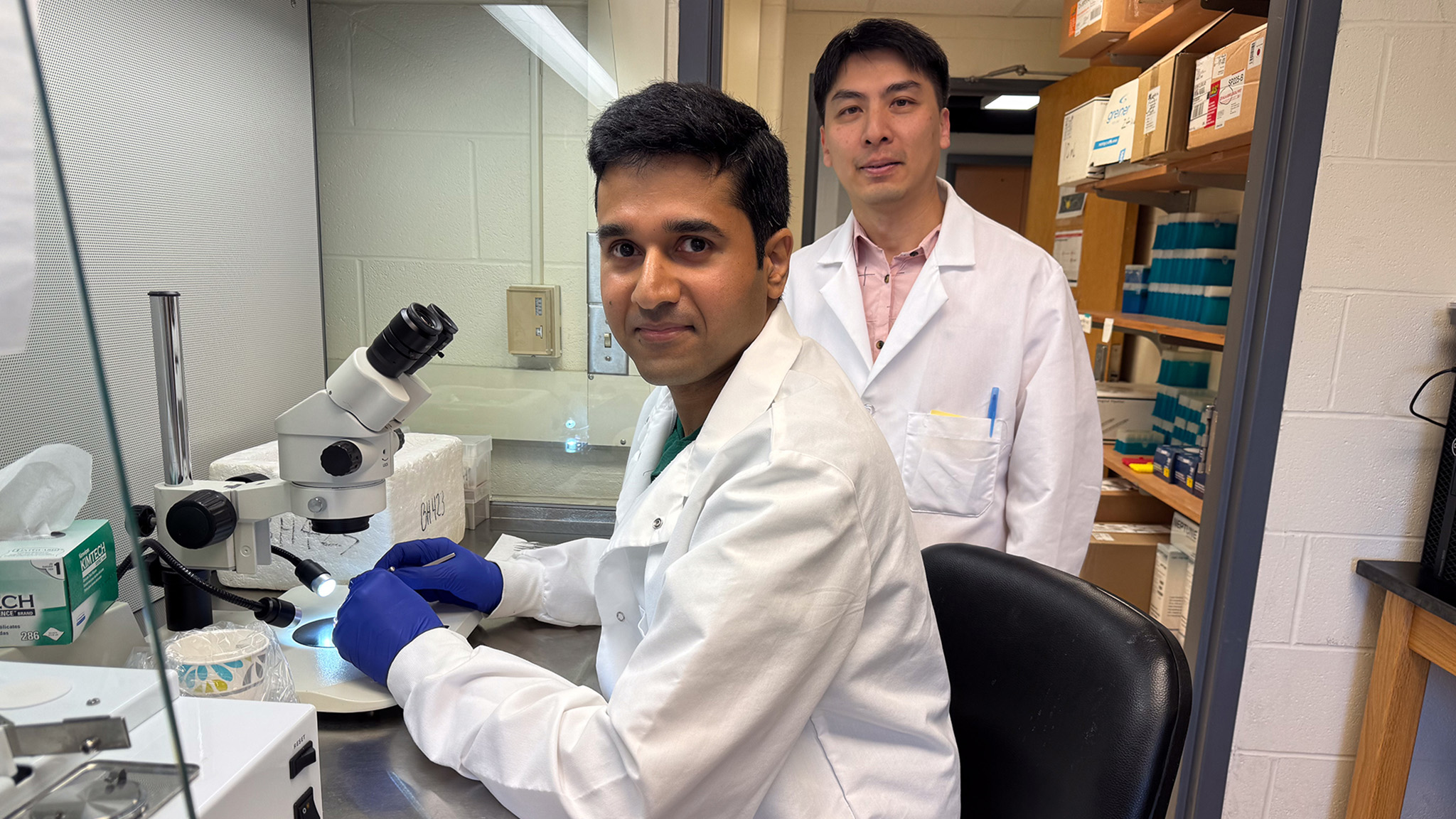
Nien-Pei Tsai, PhD
Principal Investigator
Anirudh Acharya, PhD
FRAXA Postdoctoral Fellow
University of Illinois at Urbana-Champaign
2025-2026 Grant Funding: $100,000
Summary
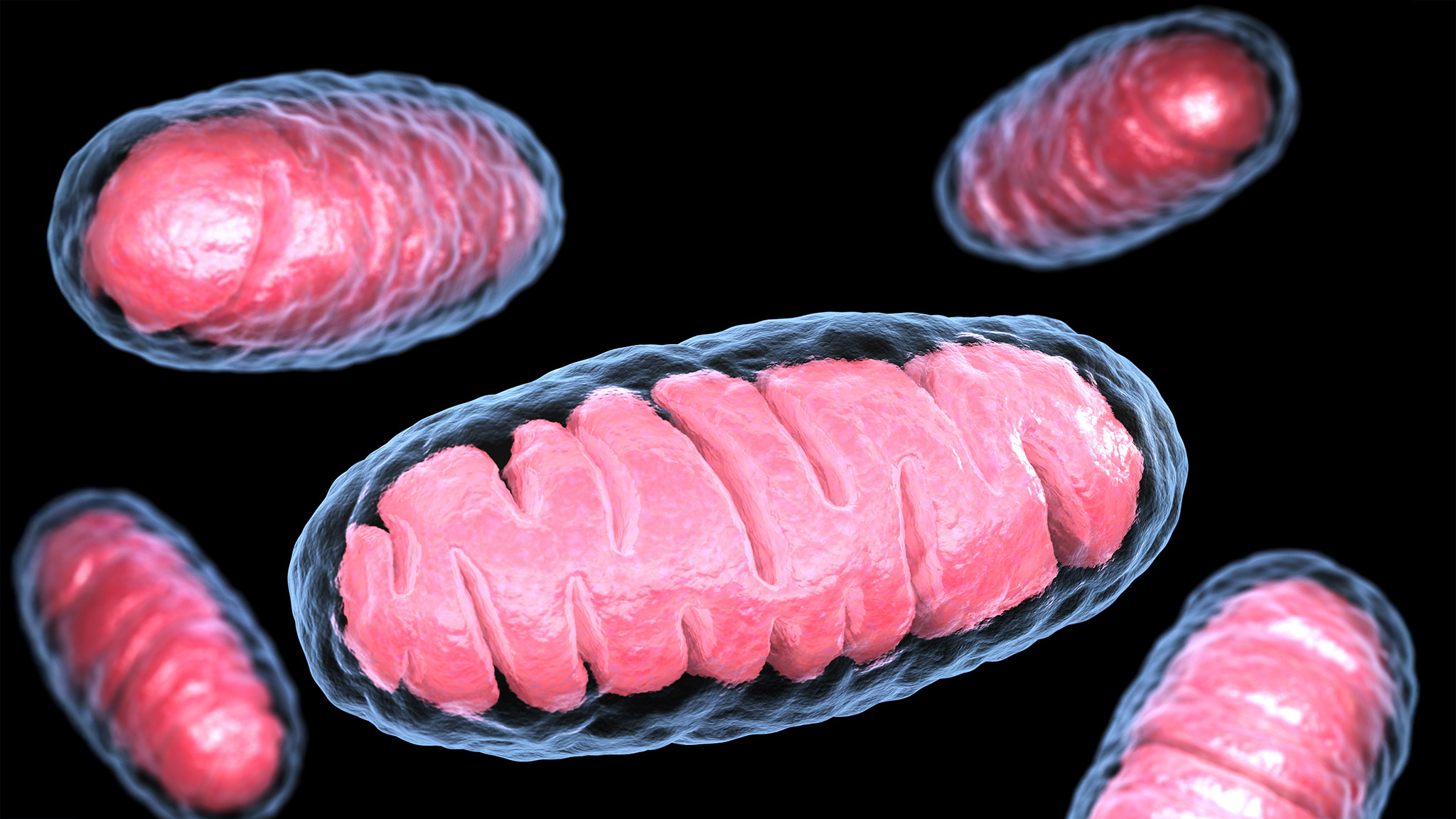
With this grant Dr. Tsai and Dr. Acharya are developing a novel approach to treating Fragile X by improving the function of mitochondria, the “powerhouses” of cells that supply energy and support brain health. The team is testing whether boosting mitochondrial activity can correct key brain dysfunctions in a Fragile X mouse model. If successful, this research could lead to a new class of treatments that restore energy balance in brain cells.
The Science
This project investigates an emerging treatment approach that targets mitochondria, the tiny "power plants" inside cells that generate energy and help keep brain cells healthy and functioning properly.
Research has shown that mitochondrial dysfunction is common in Fragile X syndrome and may contribute to problems with neuronal communication, learning, and behavior. When mitochondria don’t work well, brain cells can’t perform at their best, especially during development.
Dr. Tsai and Dr. Acharya are working with an investigational compound that activates a natural protein known as PGC-1α. PGC-1α is a master regulator that boosts mitochondrial activity. By activating PGC-1α, this compound taps into the body’s powerhouses—mitochondria—improving energy production and stress resistance. In early tests with Fragile X mouse models, their treatment strategy improved many of the brain and behavioral symptoms associated with the condition.
With FRAXA support, the team will:
- Study how activating PGC-1α improves brain function in Fragile X models
- Pinpoint the molecular and cellular pathways involved
- Determine whether activating PGC-1α could be a safe and effective treatment strategy
This research could lead to a new approach to treating Fragile X by restoring energy balance inside brain cells.