Allos Pharma Inc launches a new development program for arbaclofen to treat Fragile X syndrome. This experimental drug missed its primary endpoint in clinical trials.
Allos Pharma is planning a pivotal Phase 3 trial of arbaclofen for individuals with Fragile X syndrome. Arbaclofen is closely related to the available drug baclofen.
FRAXA funded MIT work to probe tolerance to key Fragile X drugs, including mGluR5 inhibitors and arbaclofen, and to identify ways to sustain long-term treatment benefits.
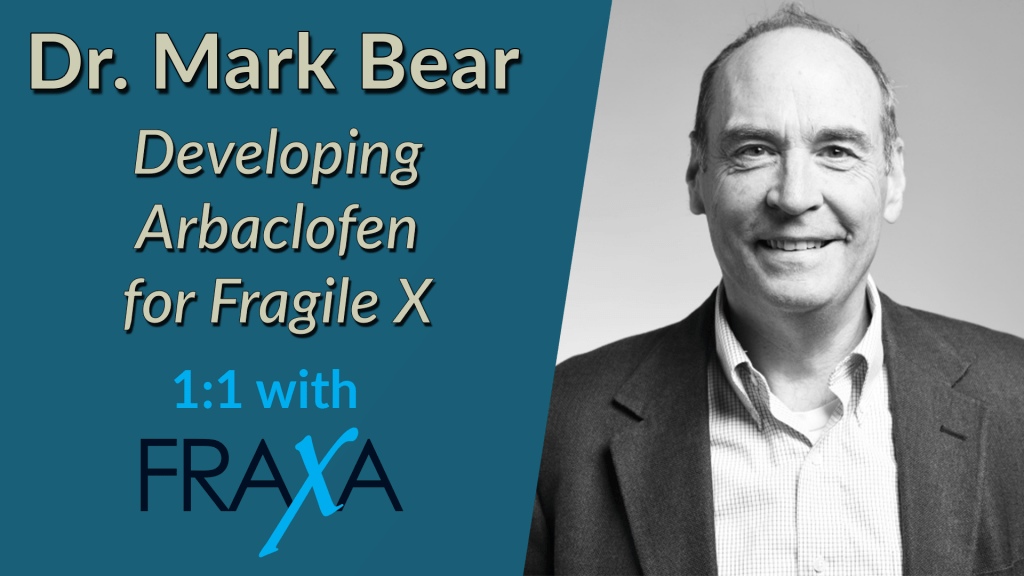
MIT professor Dr. Mark Bear founded Allos Pharma to develop arbaclofen (STX209) as a treatment for Fragile X syndrome. Dr. Bear sat down with FRAXA co-founder Katie Clapp to share the story and next steps.
by Michael Tranfaglia, MD. In my opinion, the Fragile X clinical trials of AFQ056 sponsored by Novartis failed because of a dose range that was inadequate for Fragile X, and because of the unexpected development of tolerance.
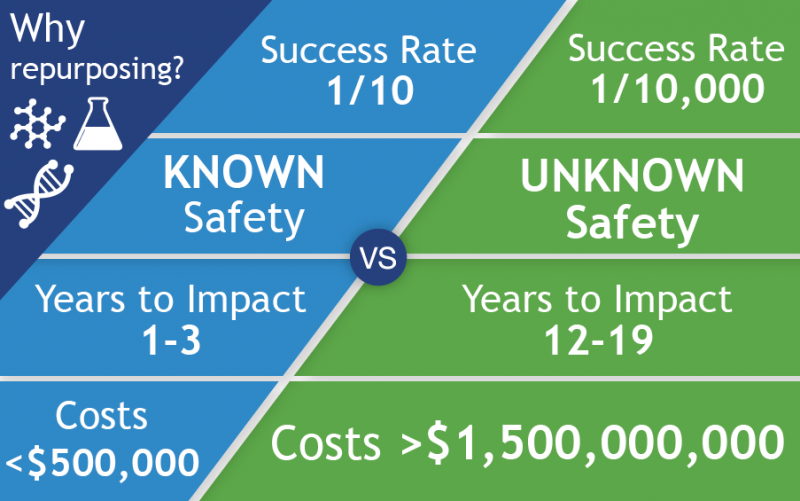
FRAXA is identifying existing, approved drugs that could be repurposed for Fragile X, allowing potential treatments to move faster and at lower risk than starting from scratch.
Why are some with Fragile X always hungry or overweight, yet rarely diabetic? This team is studying metabolism and testing treatments like metformin and diet.
Explore the journey through Fragile X syndrome clinical trials, guided by the heartfelt perspectives of mothers Holly Roos and Katie Clapp. Understand how participation, which is free and adjustable, advances research and paves the way for FDA-approved treatments.
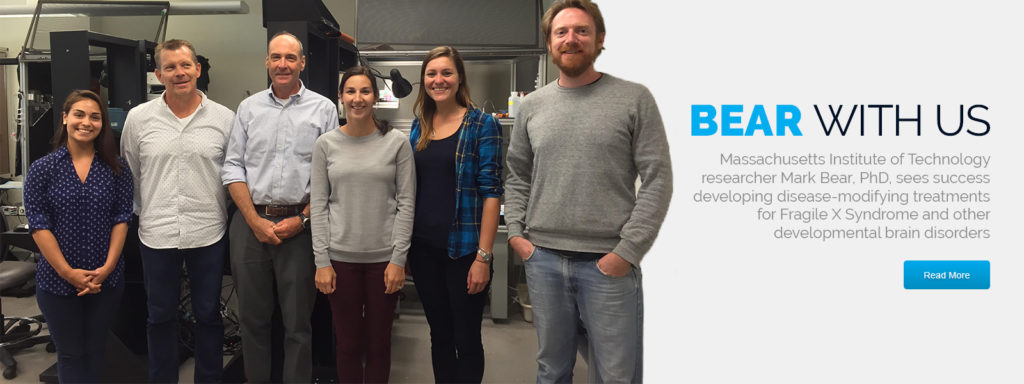
Mark Bear pioneered the mGluR theory of Fragile X, linking excess protein synthesis to symptoms and driving development of disease-modifying treatments now tested in clinical trials.
Wondering which Fragile X trial is right? Eligibility varies, so most families qualify for just one. Talk with your closest clinic to find the best fit.
With a $10,000 FRAXA grant, Dr. David Hessl at UC Davis analyzed the Aberrant Behavior Checklist as a key outcome measure for Fragile X. Results were published.
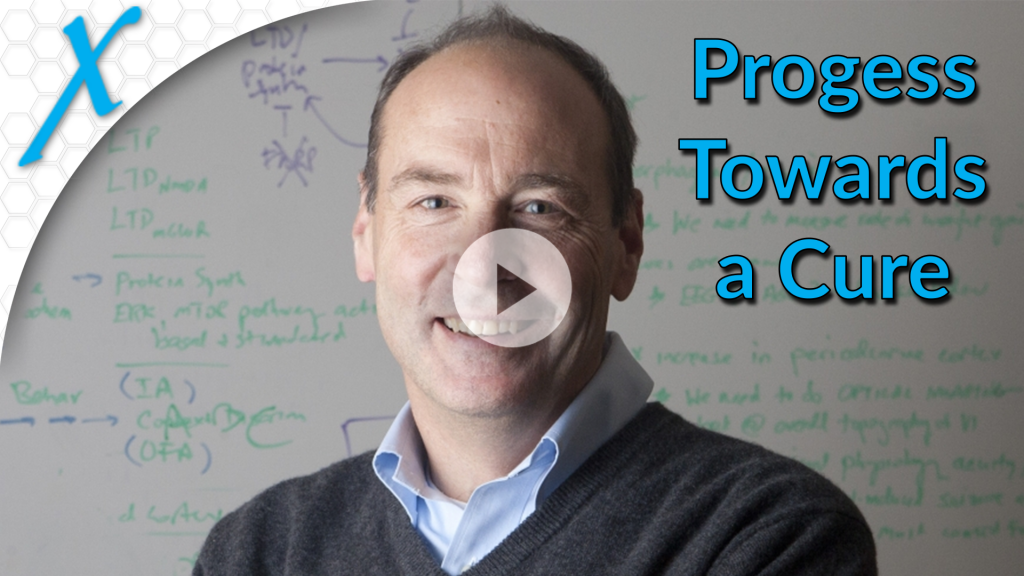
MIT Professor Mark Bear traces the discoveries that give us great optimism of finding effective treatments and ultimately a cure for Fragile X syndrome.
With support from FRAXA, Seaside Therapeutics developed STX107, an mGluR5 antagonist for Fragile X. Though development ended, it advanced key clinical insights.
FRAXA Research Foundation’s mission is to find effective treatments and ultimately a cure for Fragile X syndrome. Fragile X syndrome is the most common inherited cause of autism and intellectual disabilities. We directly fund research grants and fellowships at top universities around the world. We partner with biomedical and pharmaceutical companies, large and small, to bridge the gap between research discoveries and actual treatments.
An experimental drug that helps people who have Fragile X syndrome is raising hopes of a treatment for autism. The drug, called arbaclofen, made people with Fragile X syndrome less likely to avoid social interactions, according to a newly published study. Researchers suspect it might do the same for people with autism.